
Side-by-Side IQ Profile
**Cocker Spaniel:** These dogs rank impressively at #20 in Stanley Coren's intelligence hierarchy, reflecting their well-rounded cognitive abilities. Their **Problem Solving (3/5)** shows a moderate aptitude for figuring out novel situations, often relying on learned behaviors and their keen senses. **Training Speed (4/5)** is a standout, indicating they absorb new commands and routines with impressive efficiency due to their eagerness to please. Their **Social Intelligence (5/5)** is exceptional, making them highly attuned to human emotions and cues, fostering deep bonds. A strong **Instinctive Drive (4/5)**, geared towards retrieving and scent work, is easily channeled into cooperative activities. Finally, their **Memory (4/5)** ensures excellent retention of commands and experiences.
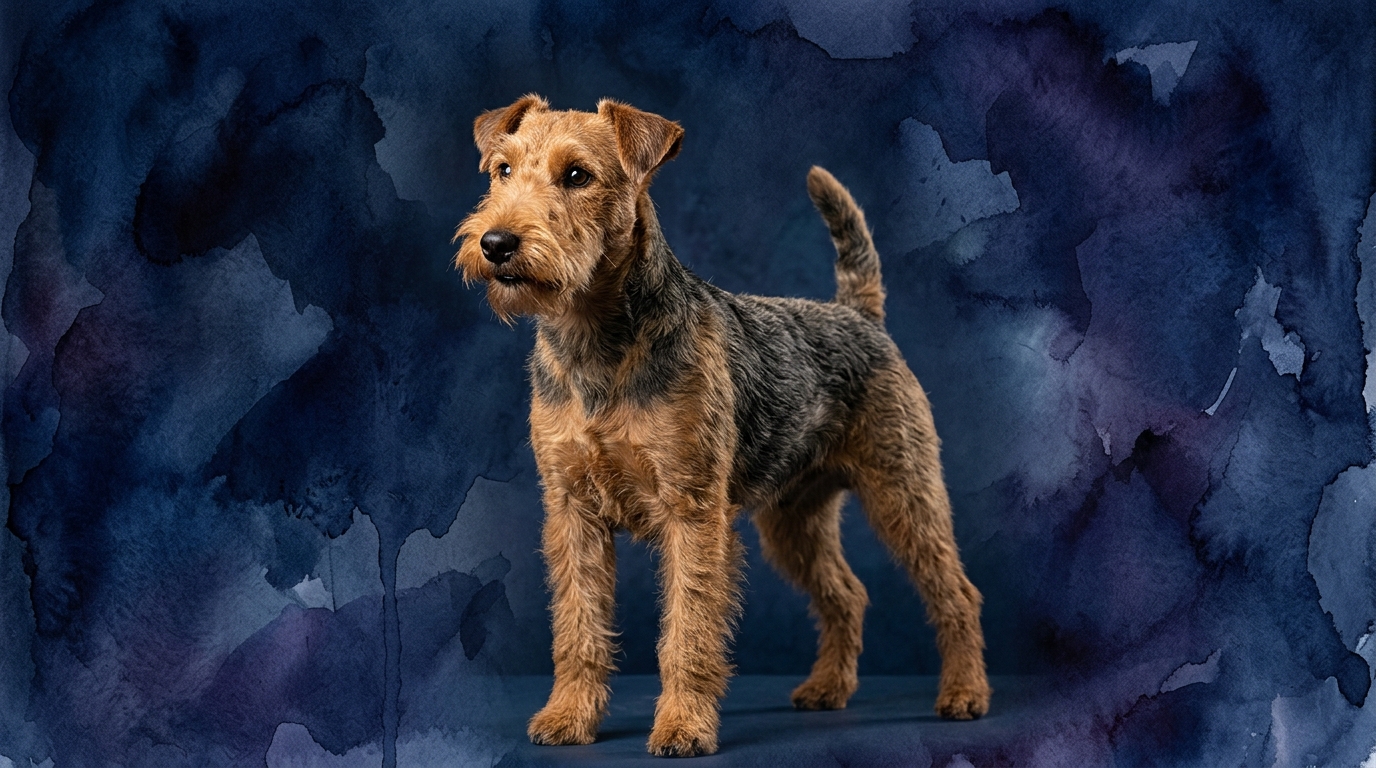
**Welsh Terrier:** While not Coren-ranked, Welsh Terriers possess a distinct cognitive profile reflecting their terrier heritage. Their **Problem Solving (3/5)** demonstrates a moderate capacity, often applied with persistence through trial and error to achieve a goal. **Training Speed (3/5)** is moderate, meaning they learn at a steady pace but may require more repetitions and consistent motivation due to their independent nature. **Social Intelligence (3/5)** is also moderate; they form strong attachments but are more self-reliant and less overtly focused on human approval. Their **Instinctive Drive (3/5)** is focused on specific tasks like hunting small vermin and digging, requiring specific outlets. Lastly, their **Memory (3/5)** is moderate, meaning they remember commands but might require more reinforcement than breeds with higher scores, especially if the task lacks inherent motivation.
Where Cocker Spaniel Wins Cognitively
The Cocker Spaniel's cognitive strengths truly shine in areas demanding cooperation and responsiveness. Their exceptional social intelligence (5/5) means they are incredibly adept at reading human intentions and emotions, fostering a deep, empathetic connection with their owners. This superior ability to understand and react to human cues makes them remarkably harmonious companions, often anticipating needs. Coupled with a high training speed (4/5), Cocker Spaniels absorb new commands and routines with impressive alacrity, making them highly trainable for a wide array of tasks, from basic obedience to complex tricks and competitive dog sports. Their memory (4/5) further cements this advantage, ensuring that once a lesson is learned, it is retained, building a strong foundation for consistent behavior and reliable performance over time. This combination of social acumen, quick learning, and robust memory makes the Cocker Spaniel particularly adept at roles requiring close partnership and intricate communication with their human counterparts.
Where Welsh Terrier Wins Cognitively
While the Welsh Terrier's cognitive scores might appear lower compared to the Cocker Spaniel, their "wins" lie in the specific application of their terrier characteristics, rooted in self-sufficiency and tenacity. Their problem-solving (3/5), though moderate, is often applied with a determined, independent streak; they don't necessarily look to their human for the answer first but will persistently work through a challenge using trial and error. This translates to an admirable self-reliance when faced with novel situations or when pursuing a goal, such as figuring out how to get a toy from under furniture. Their instinctive drive (3/5), while not as broadly cooperative as a gundog's, is intensely focused on specific tasks like digging, chasing, and exploring. This focused drive, when appropriately channeled, makes them incredibly efficient and single-minded in pursuits that tap into their natural inclinations. Their moderate social intelligence (3/5) means they are affectionate but less prone to being overly dependent, fostering a robust independence that some owners appreciate. This cognitive profile means the Welsh Terrier excels in situations demanding grit, perseverance, and independent thought, rather than immediate human-directed compliance.
Which Is Easier to Train and Why
Without a doubt, the Cocker Spaniel is generally easier to train, primarily due to their superior social intelligence and faster training speed. A Cocker Spaniel's 5/5 social intelligence means they are inherently motivated to please their human companions and are highly sensitive to praise and correction. They actively seek connection and cooperation, making them eager participants in training sessions. This responsiveness, combined with their 4/5 training speed, allows them to grasp new commands quickly and consistently, often requiring fewer repetitions to solidify a behavior. For instance, a Cocker will typically learn "sit" or "stay" with fewer sessions and more enthusiasm, driven by their desire for interaction and approval.
In contrast, the Welsh Terrier, with its 3/5 scores in both training speed and social intelligence, presents a different training dynamic. While capable of learning, their inherent independence and terrier tenacity mean they may not always perceive immediate compliance as their top priority. They are intelligent enough to understand what is being asked, but their decision to obey might be weighed against their own interests or an intriguing scent. Training a Welsh Terrier requires more patience, consistency, and creative motivation to overcome their occasional stubbornness. For example, teaching a reliable recall might demand extensive positive reinforcement and proofing in various environments to compete with their natural prey drive, whereas a Cocker's social bond often makes recall more intuitive.
Which Suits Active Owners vs. Relaxed Owners
The choice between a Cocker Spaniel and a Welsh Terrier often hinges on an owner's lifestyle and their willingness to engage with specific canine needs. Cocker Spaniels, with their strong instinctive drive (4/5) and high social intelligence (5/5), suit owners who enjoy an active, engaged partnership with their dog. While they thrive on physical activity like walks, retrieving games, and even agility, their mental stimulation often comes from interaction with their owner and participating in shared activities. They are excellent companions for active owners who want a dog to join them on hikes, participate in obedience classes, or simply enjoy extended play sessions. Their keen desire to please and strong social bond makes them ideal for owners who enjoy consistent training and integrating their dog fully into family life. They can adapt to more relaxed home environments as long as their need for social interaction and moderate exercise is met, offering versatility.
Welsh Terriers, on the other hand, with their persistent problem-solving (3/5) and focused instinctive drive (3/5), are better suited for active owners who appreciate the unique challenges and rewards of a terrier. These dogs require consistent physical activity that taps into their natural prey drive and exploratory instincts, such as vigorous walks, earthdog trials, or securely fenced areas for energetic play and digging. Their independence (moderate social intelligence 3/5) means they are less likely to be "velcro dogs" and are often content to explore their surroundings with a keen nose and watchful eye, even when their owner is nearby. They excel with owners who can provide structured activities that fulfill their working dog heritage, turning their tenacity into a positive outlet. A relaxed owner might find a Welsh Terrier's boundless energy and independent streak overwhelming if not properly managed, potentially leading to boredom-induced behaviors. They require an owner who is not only active but also mentally prepared to engage with a dog that has a strong will and requires consistent, creative stimulation.
The Verdict
Opt for a Cocker Spaniel if you desire a highly responsive, socially intuitive companion eager to please, who thrives on cooperative activities and forms a deep, empathetic bond with their human family. They are an excellent choice for owners who enjoy consistent training and want a dog that integrates seamlessly into a moderately active home life.
Select a Welsh Terrier if you appreciate a dog with tenacious independence, a strong will, and a focused drive for exploration and problem-solving, and are prepared to provide consistent, engaging activities that channel their terrier instincts. They are ideal for active owners seeking a spirited companion who offers unique challenges and rewards through their self-reliant nature.
🧠 Find Your Pet's IQ Score
Our Pet IQ Lab assessment covers 25+ tests across 5 cognitive dimensions — personalized to your breed.
Take the Full IQ Test →Frequently Asked Questions
Are Cocker Spaniels good with children?
Yes, Cocker Spaniels generally have excellent social intelligence and a gentle disposition, making them very good with children, especially when properly socialized from a young age. Their desire to please and patience contribute to their role as loving family pets.
Do Welsh Terriers shed a lot?
Welsh Terriers have a wiry coat that sheds minimally, making them a popular choice for individuals concerned about dog hair or mild allergies. Regular grooming, including hand-stripping or clipping, is necessary to maintain their coat health and appearance.
Which breed is more prone to separation anxiety?
Given their high social intelligence and strong desire for companionship, Cocker Spaniels can be more prone to developing separation anxiety if left alone for extended periods. Welsh Terriers, with their more independent nature, are generally less susceptible, though any dog can experience anxiety under certain circumstances.