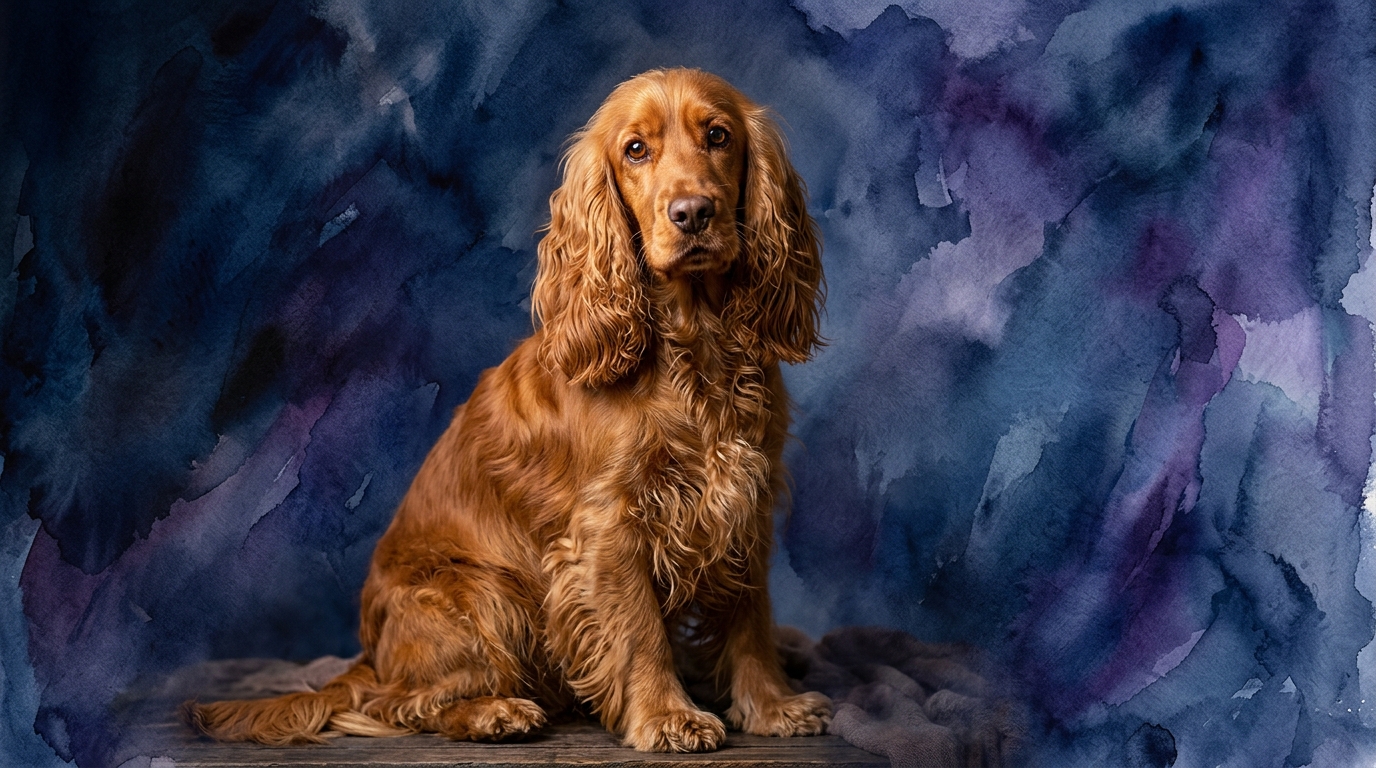

Side-by-Side IQ Profile: Cocker Spaniel vs. Yorkshire Terrier
The Cocker Spaniel, hailing from the Sporting Group and ranked #20 by Coren for working and obedience intelligence, presents a balanced cognitive profile. Our Pet IQ Lab assessment shows a 3/5 for Problem Solving, indicating a solid capacity for navigating novel challenges. Its Training Speed is a commendable 4/5, suggesting a quick grasp of new commands and routines. The breed truly excels in Social Intelligence with a perfect 5/5, reflecting an exceptional depth of connection and responsiveness to human cues. Instinctive Drive, crucial for its retrieving heritage, stands strong at 4/5, while its Memory is also robust at 4/5, enabling efficient retention of learned behaviors and experiences.
The Yorkshire Terrier, a Terrier Group member with a Coren rank of #27, exhibits a slightly different cognitive emphasis, though many scores align closely with the Cocker. It also achieves a 3/5 in Problem Solving, demonstrating an ability to figure things out independently. Its Training Speed matches the Cocker at 4/5, indicating a capacity for rapid learning. Social Intelligence, while still strong, is rated 4/5, hinting at a more independent spirit compared to the highly cooperative Cocker. Instinctive Drive, reflecting its vermin-hunting past, is 4/5, and Memory is also a solid 4/5, allowing for good recall of training and environmental details.
The Coren ranking, a measure of working and obedience intelligence, places the Cocker Spaniel slightly higher at #20 versus the Yorkshire Terrier at #27. This suggests that, on average, a Cocker Spaniel might understand new commands in fewer repetitions and obey the first command more consistently than a Yorkshire Terrier in a formal obedience setting. However, these are general trends, and individual variations within each breed are always present, influencing how specific dogs manifest these cognitive traits.
Where the Cocker Spaniel Wins Cognitively
The Cocker Spaniel's distinct cognitive advantage lies unequivocally in its superior Social Intelligence, scoring a full 5/5. This isn't merely about general friendliness; it signifies an exceptional ability to interpret human body language, tone of voice, and subtle emotional cues. This high level of social acuity means a Cocker Spaniel often anticipates its owner's desires, making it an incredibly intuitive and cooperative partner in activities ranging from advanced obedience to simply sharing quiet moments of companionship.
This cooperative spirit, honed over generations for working closely with hunters, translates into a dog that actively seeks to understand and collaborate. When faced with a task, a Cocker is more likely to look to its human for guidance or confirmation, processing the interaction as a joint effort. This makes them particularly adept at complex team-based activities and highly responsive to nuanced feedback during training, enhancing their overall learning experience through social engagement and mutual understanding.
Where the Yorkshire Terrier Wins Cognitively
While the Yorkshire Terrier's scores are largely similar to the Cocker's, its cognitive strengths manifest differently, particularly in its independent application of Problem Solving (3/5) and its robust Instinctive Drive (4/5). This breed, historically tasked with hunting small vermin without direct human oversight, developed a tenacious and self-reliant approach to challenges. A Yorkie is often quick to assess a situation and devise its own solution, even if it's not the one its human prefers.
This terrier tenacity means they excel at tasks requiring persistence and independent thought, such as navigating complex environments to reach a specific toy or outsmarting a puzzle feeder. Their strong instinctive drive, combined with their problem-solving ability, makes them incredibly resourceful and determined. They are less likely to wait for human instruction and more inclined to forge their own path, a cognitive trait that, while sometimes perceived as stubbornness, is a testament to their self-sufficiency and keen observational skills in their own right.
Which is Easier to Train and Why
The Cocker Spaniel, with its 4/5 Training Speed and unparalleled 5/5 Social Intelligence, generally presents as the more straightforward breed to train. Their innate desire to please and their profound ability to connect with their human partners means they are highly motivated by positive reinforcement and readily absorb new commands. They thrive on interaction and view training as a collaborative activity, making them eager participants in learning sessions. Their historical role as a flushing and retrieving dog necessitated close communication and responsiveness, traits that are deeply ingrained.
The Yorkshire Terrier also boasts a 4/5 Training Speed, indicating a rapid learning capacity; however, its 4/5 Social Intelligence and strong independent streak can introduce a different dynamic. While they grasp concepts quickly, Yorkies might occasionally choose to apply their problem-solving skills to determining if a command is truly worth their effort, or if there's a more interesting independent pursuit. Training a Yorkie often requires more consistent motivation, patience, and a keen understanding of their terrier drive to keep them engaged and compliant, channeling their independent spirit rather than trying to suppress it.
Which Suits Active Owners vs. Relaxed Owners
For active owners seeking a highly engaged and cooperative companion, the Cocker Spaniel is often an ideal match. Their 4/5 Instinctive Drive from their sporting heritage means they thrive on regular, structured physical activity like brisk walks, fetch, and even canine sports such as agility or obedience. Their high social intelligence ensures they enjoy participating in these activities alongside their human, viewing them as shared adventures. They benefit immensely from consistent mental and physical stimulation to prevent boredom and channel their energetic disposition constructively, thriving on shared outdoor experiences.
The Yorkshire Terrier, despite its compact stature, also possesses a 4/5 Instinctive Drive and can be surprisingly energetic, making them suitable for owners who enjoy consistent, though perhaps less strenuous, activity. They enjoy walks and vigorous indoor play, but their exercise needs can often be met within a smaller footprint, making them adaptable to apartment living. For relaxed owners, a Yorkie can be content cuddling, but it's crucial to provide ample mental stimulation through puzzle toys, short training sessions, and opportunities to 'hunt' for treats indoors to satisfy their terrier instincts and prevent boredom-induced behaviors. Their independence means they might be less demanding for constant human interaction during downtime, but still appreciate engaging activities.
The Verdict
Choose a Cocker Spaniel if you seek a highly cooperative, deeply socially connected companion eager for shared activities and responsive to nuanced communication. They thrive with owners who appreciate a biddable partner for consistent engagement and structured fun.
Opt for a Yorkshire Terrier if you admire a spirited, independent companion with a tenacious problem-solving streak and a zest for life, even in a compact package. They suit owners who appreciate a dog with personality and are prepared to channel their cleverness with consistent, engaging training.
🧠 Find Your Pet's IQ Score
Our Pet IQ Lab assessment covers 25+ tests across 5 cognitive dimensions — personalized to your breed.
Take the Full IQ Test →Frequently Asked Questions
Do Cocker Spaniels and Yorkshire Terriers learn commands at the same rate?
Both breeds score 4/5 in Training Speed, suggesting they can learn new commands at a similar pace. However, the Cocker Spaniel's 5/5 Social Intelligence often makes them more eager to cooperate and easier to motivate during training sessions due to their strong desire to please and connect with their handler.
Which breed is better at independent problem-solving, like figuring out puzzle toys?
Both breeds score 3/5 in Problem Solving. While the Cocker might approach puzzles with a cooperative mindset, the Yorkshire Terrier's strong instinctive drive and independent terrier spirit can make them quite tenacious and resourceful in figuring out puzzle toys on their own, often demonstrating a persistent, self-directed approach.
How do their social intelligence scores impact their interactions with people?
The Cocker Spaniel's 5/5 Social Intelligence means they are exceptionally attuned to human emotions and cues, often seeking close companionship and collaboration. The Yorkshire Terrier's 4/5 Social Intelligence indicates they are still very social but tend to be a bit more independent and self-assured, perhaps showing their affection and engagement on their own terms rather than constantly seeking approval.