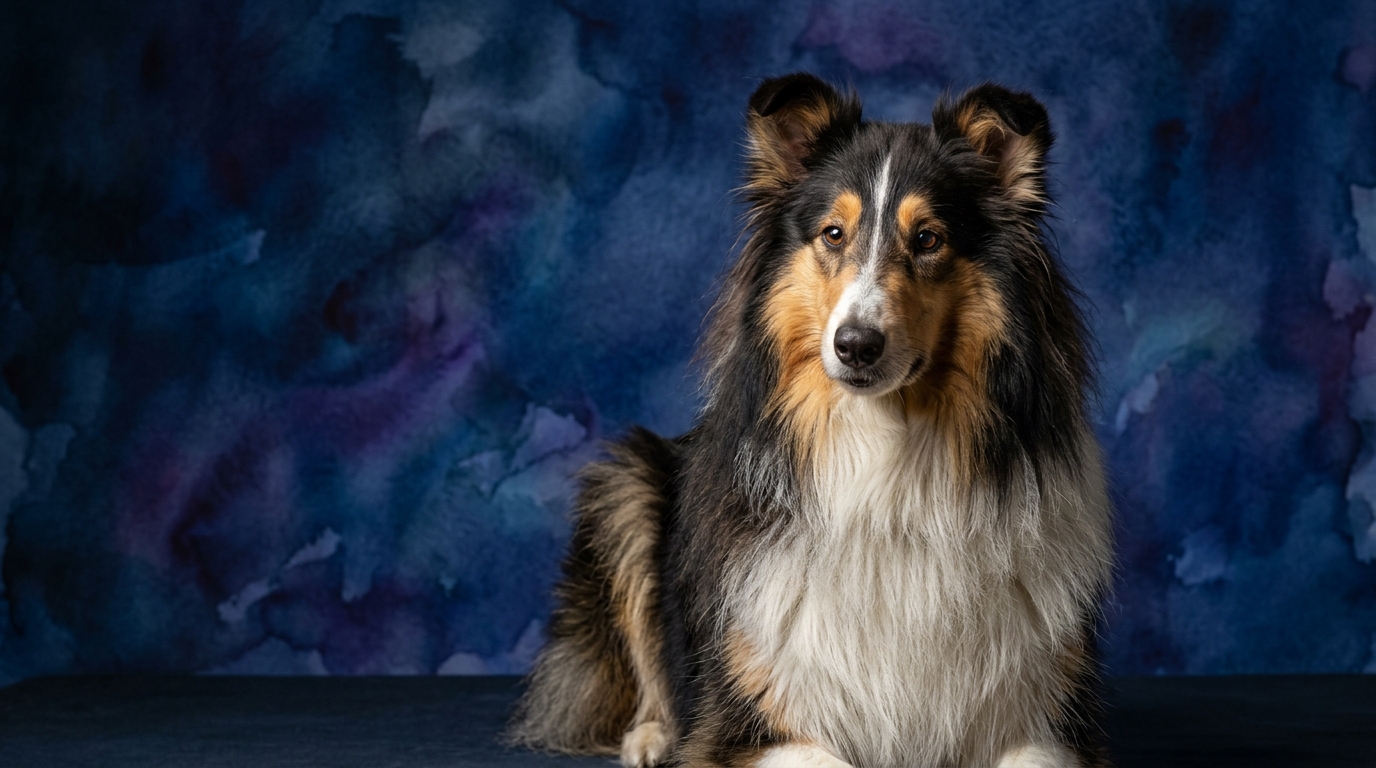
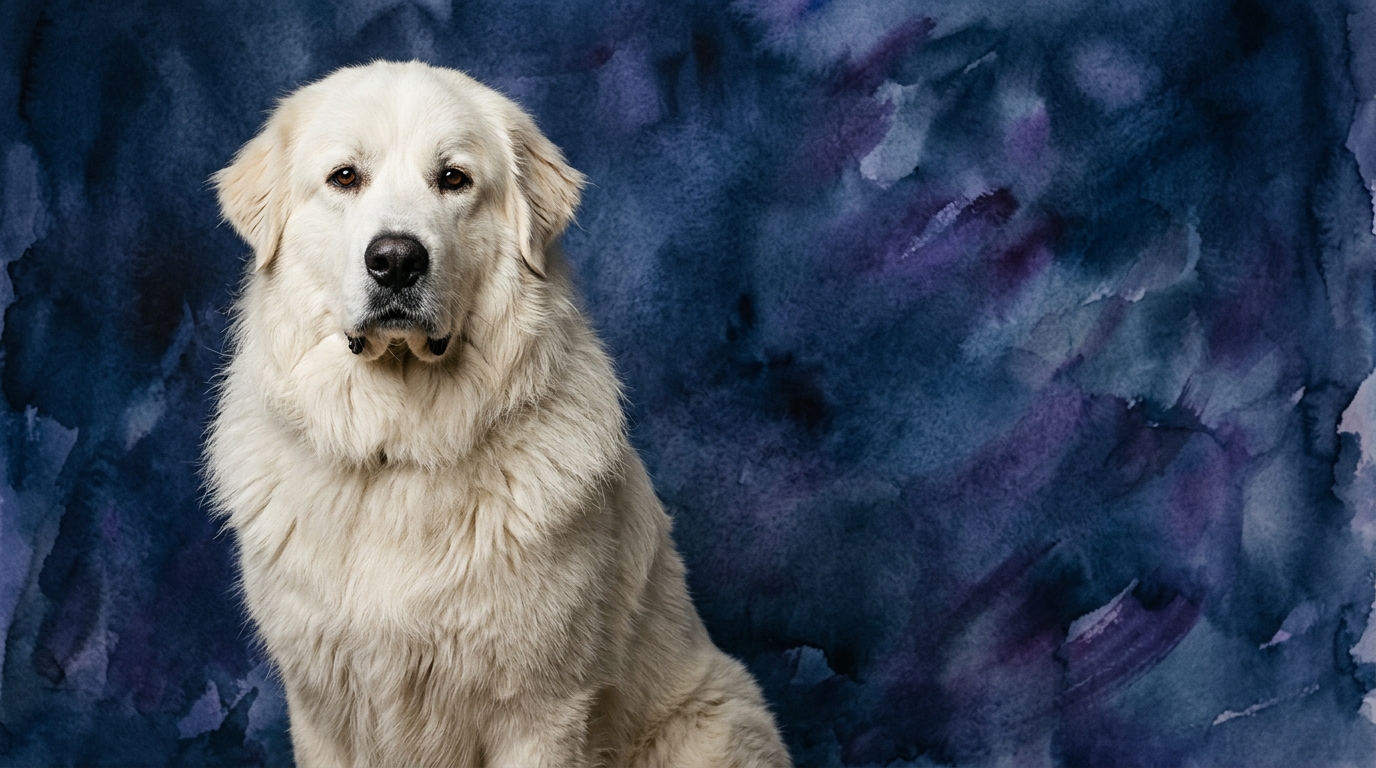
Side-by-Side IQ Profile: Collie (Rough) vs. Great Pyrenees
The Collie (Rough) presents a cognitive profile characterized by high mental agility and a strong capacity for learning. They score 4/5 in problem-solving, indicating a quick grasp of new concepts and an ability to navigate complex situations. Their training speed is also 4/5, reflecting a readiness to absorb and execute instructions. Social intelligence is a solid 3/5, allowing for clear communication and bonding within a family unit, while their instinctive drive, also 3/5, is channeled towards their herding heritage. A standout trait is their memory, rated at an exceptional 5/5, enabling them to recall intricate sequences and past lessons with remarkable accuracy and over long durations.
In contrast, the Great Pyrenees exhibits a more independent and purpose-driven intelligence. With scores of 3/5 across problem-solving, training speed, social intelligence, instinctive drive, and memory, their cognitive strengths are tailored to their ancient role as livestock guardians. Their problem-solving is practical and autonomous, focused on assessing and mitigating threats rather than intricate task execution. Training speed reflects a more thoughtful, sometimes deliberate approach, requiring patience and understanding of their self-reliant nature. Social intelligence is geared towards protective bonding with their family or flock and discerning between friend and foe. Their instinctive drive is profoundly rooted in guarding, manifesting as unwavering vigilance, while their memory is reliable for essential duties but may not retain complex, human-centric commands with the same ease as the Collie.
Where the Collie (Rough) Wins Cognitively
The Collie (Rough) truly shines in areas demanding rapid learning, precise recall, and adaptable problem-solving. Their 4/5 problem-solving score means they excel at tasks requiring quick thinking, such as navigating complex agility courses, learning intricate trick sequences, or even understanding abstract concepts like 'find the remote.' This cognitive agility allows them to adapt swiftly to new environments and challenges, processing information efficiently. Furthermore, their exceptional 5/5 memory is a significant advantage, enabling them to master a vast vocabulary of commands and retain lessons over long periods, making them highly responsive and predictable companions once trained. The Collie's 4/5 training speed directly correlates with this, as they pick up new behaviors and cues with minimal repetition, demonstrating a clear cognitive edge in traditional obedience and learning human-directed tasks. They are adept at anticipating human intentions and adjusting their behavior accordingly, a key aspect of their successful herding heritage.
Where the Great Pyrenees Wins Cognitively
While the Great Pyrenees might not match the Collie's speed in learning human-centric obedience, its cognitive strengths lie in independent judgment, unwavering vigilance, and a profound understanding of its protective role. Its 3/5 problem-solving score, though numerically lower, manifests as a highly effective, autonomous decision-making process crucial for a livestock guardian. This isn't about solving puzzles for human entertainment, but about assessing threats to its flock or family, making independent choices about when to deter, warn, or intervene, often without direct human instruction. Their 3/5 social intelligence is specialized, fostering deep bonds with their charges and discerning between friend and foe with remarkable accuracy, rather than seeking constant human validation. The Pyrenees' 3/5 instinctive drive is its defining cognitive asset, providing an innate, almost spiritual commitment to guarding that requires minimal training reinforcement; it's a deeply embedded cognitive program. Their memory, while 3/5, is reliable for recalling the parameters of their territory, the faces of their family, and the routines essential for their protective duties, demonstrating a practical and enduring recall for critical information. This breed's cognitive architecture is optimized for self-sufficiency and steadfast defense, a distinct form of intelligence tailored for its ancient purpose.
Training Dynamics: Which is Easier and Why?
The Collie (Rough) is unequivocally easier to train for most owners, primarily due to its 4/5 training speed and 5/5 memory. These cognitive attributes mean Collies grasp new commands and concepts quickly, often requiring fewer repetitions than many other breeds. They possess a strong desire to please their human companions, a behavioral trait that complements their cognitive readiness to learn. Their high problem-solving ability also means they can generalize learned behaviors to new situations with ease, making training transferrable. In contrast, the Great Pyrenees, with its 3/5 training speed and 3/5 memory, presents a different training dynamic. Pyrenees are independent thinkers, bred to make decisions on their own while guarding livestock. This self-reliance translates into a training approach where they are less inclined to blindly follow commands and more likely to evaluate whether a request aligns with their own perceived purpose or comfort. They require more patience, consistency, and motivation, as their compliance stems from respect and understanding rather than an inherent eagerness to perform human-directed tasks. While trainable, their behavioral independence means they often need more creative and persuasive methods, and their recall might not be as instantaneous or reliable as a Collie's, particularly in distracting environments where their guarding instincts might override learned cues.
Matching Canine Cognition to Owner Lifestyles
The Collie (Rough) is an excellent match for active owners who relish engaging with their dog both physically and mentally. Their combination of high problem-solving (4/5) and excellent memory (5/5) means they thrive on activities like obedience trials, agility, herding, or even complex trick training that challenge their intellect. Their herding background imbues them with a desire for purpose and activity, making them ideal companions for long walks, hikes, or running, and they genuinely enjoy being involved in family activities. They need consistent mental stimulation to prevent boredom and maintain their cognitive sharpness. Conversely, the Great Pyrenees is better suited for more relaxed owners, or those with a specific need for a watchful, independent guardian. While they enjoy a good stroll around their territory, their activity levels are generally lower than a Collie's once their patrolling duties are done. Their independence means they are content to observe and monitor, often preferring to survey their domain from a comfortable spot. They don't demand constant engagement or intricate training sessions; instead, they require space, a sense of purpose, and owners who appreciate their self-sufficient nature. Their cognitive profile leans towards patient vigilance rather than energetic participation in human-centric games, making them suitable for owners who value a calm, protective presence over a highly interactive companion.
The Verdict
When seeking a highly responsive, trainable, and mentally agile companion for sports or complex learning, the Collie (Rough) is the clear choice.
For owners desiring a steadfast, independent guardian with a calm demeanor and a profound protective instinct, the Great Pyrenees offers an unmatched partnership.
🧠 Find Your Pet's IQ Score
Our Pet IQ Lab assessment covers 25+ tests across 5 cognitive dimensions — personalized to your breed.
Take the Full IQ Test →Frequently Asked Questions
Does the Great Pyrenees' lower IQ score mean it's not capable of learning?
Not at all. The Great Pyrenees possesses a functional, independent intelligence geared towards its protective role. It learns what is necessary for its duties, but its learning style is more deliberate and self-motivated than that of a breed focused on human-directed obedience.
Can a Collie (Rough) be a good family dog, given its herding instincts?
Yes, absolutely. While Collies retain their herding instincts, their high social intelligence (3/5) and strong desire to please make them devoted and gentle family members, often forming deep bonds with children and other pets. Consistent mental and physical engagement is key.
How do their grooming needs compare, given their long coats?
Both breeds require significant grooming due to their dense double coats. The Collie's coat, while long, is generally easier to maintain with regular brushing to prevent mats, while the Great Pyrenees' incredibly thick coat, especially its dense undercoat, demands diligent and frequent brushing to manage shedding and prevent matting, particularly during seasonal changes.