Side-by-Side Cognitive Profiles
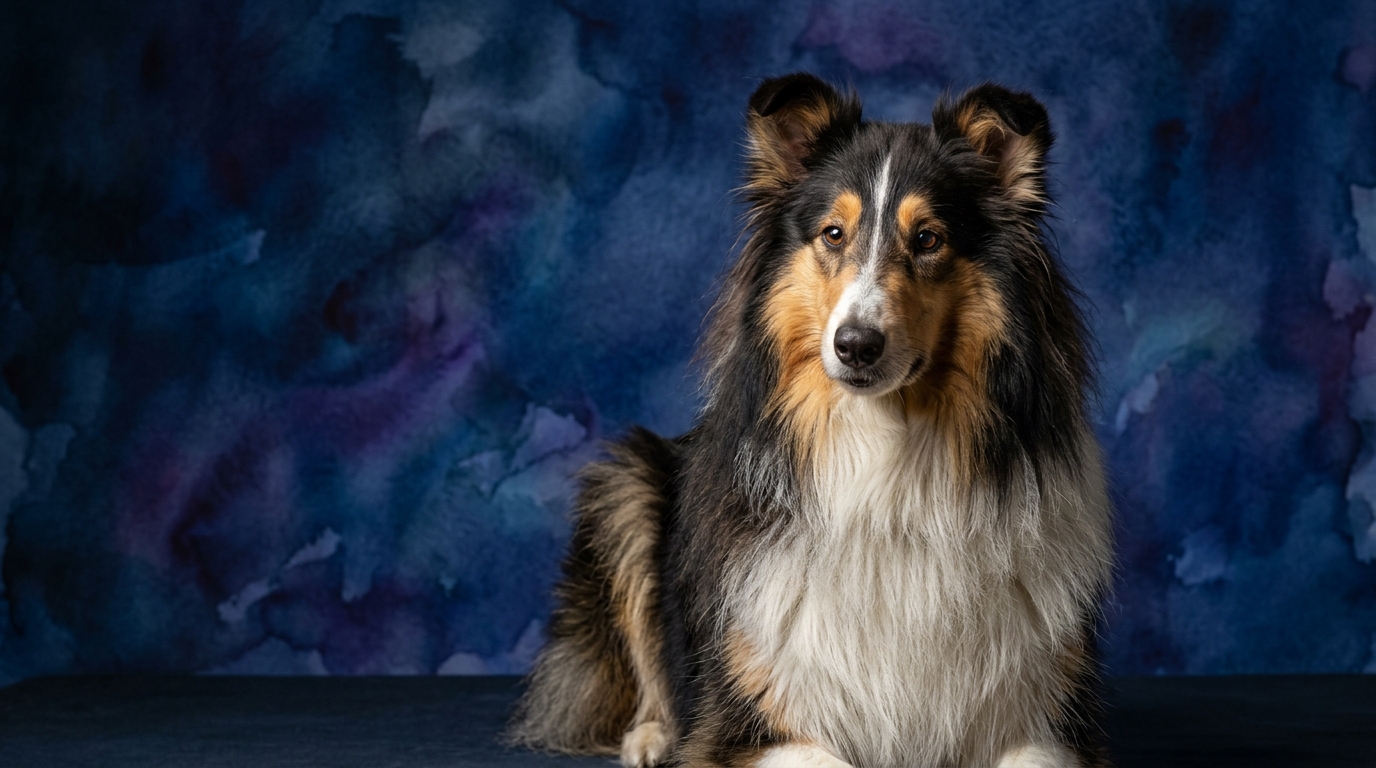
The Collie (Rough), a breed with a Coren rank of #16, presents a cognitive blueprint indicative of its working heritage. Its Problem Solving score of 4/5 reflects an aptitude for navigating complex situations and understanding multi-step commands, often necessary for herding livestock. A Training Speed of 4/5 means they grasp new concepts and cues with notable efficiency, making them responsive learners. Their Social Intelligence at 3/5 suggests a reasonable awareness of human emotional states and social structures, though they might not always be overtly people-pleasing. An Instinctive Drive of 3/5 points to a moderate inherent motivation, often expressed through a desire for purpose or a tendency to gather. Crucially, their Memory stands out at 5/5, indicating an exceptional capacity for retaining information, routines, and experiences over prolonged periods.
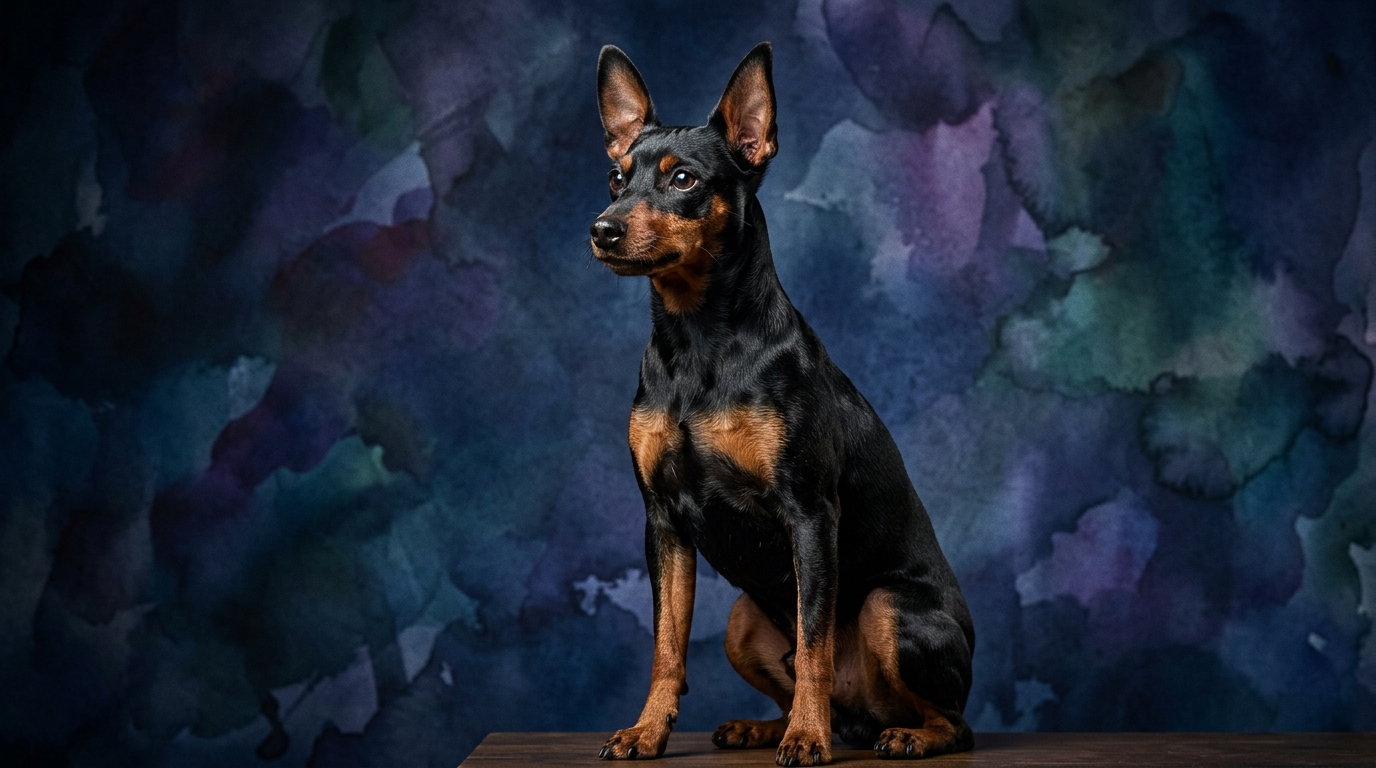
In contrast, the Miniature Pinscher, not Coren-ranked, possesses a different cognitive makeup, suited to its role as a vigilant companion. With a Problem Solving score of 3/5, they are capable of figuring out straightforward challenges, particularly those related to resource acquisition or navigating their immediate environment, but may not engage with highly abstract puzzles. Their Training Speed of 3/5 suggests an average learning pace, where consistency and engaging methods are key to success. A Social Intelligence score of 3/5 indicates they perceive human cues adequately, often forming strong, discerning bonds with their primary caregivers. Their Instinctive Drive, also 3/5, frequently manifests as alertness, territoriality, or a keen interest in chasing small, fast-moving objects. Finally, their Memory at 3/5 means they retain learned behaviors and experiences with average fidelity, benefiting from regular reinforcement to maintain proficiency.
Where the Collie (Rough) Excels Cognitively
The Collie (Rough) demonstrates clear cognitive advantages, particularly in areas crucial for its traditional working roles. Their exceptional Memory (5/5 compared to the Miniature Pinscher's 3/5) is a standout trait, enabling them to recall intricate sequences of commands, complex routes, and past experiences with remarkable accuracy and longevity. This deep retention makes them highly reliable in tasks requiring sustained learned behaviors, such as advanced obedience or competitive dog sports, where precision and consistent execution are paramount.
Furthermore, the Collie's superior Problem Solving (4/5 vs. 3/5) and faster Training Speed (4/5 vs. 3/5) allow them to process new information and adapt to novel situations more readily. This cognitive agility means they can grasp multi-layered instructions and strategize in dynamic environments, a skill honed by their herding duties where anticipation and quick thinking are essential. Their capacity to learn quickly and retain vast amounts of information makes them particularly adept at mastering a wide repertoire of commands and performing complex, multi-stage tasks.
Distinct Cognitive Strengths of the Miniature Pinscher
While the Miniature Pinscher's individual IQ scores are generally moderate, their unique combination of traits creates a cognitive profile that excels in specific contexts, particularly as a compact, alert companion. Their Problem Solving at 3/5, combined with a moderate Instinctive Drive (3/5), often translates into a resourceful and cunning ability to navigate their home environment, figure out how to access desired objects, or creatively solicit attention from their family. This isn't about complex abstract thought, but rather practical, goal-oriented intelligence within their domestic world.
The Miniature Pinscher’s moderate Social Intelligence (3/5) and Instinctive Drive (3/5) also coalesce to make them highly discerning and effective watchdogs. They are quick to notice changes in their surroundings and alert their household, demonstrating a keen awareness of their immediate territory and family unit. While their memory is 3/5, it is perfectly sufficient for remembering who belongs and who doesn't, contributing to their vigilant nature. Their cognitive blend allows them to be highly engaged with their inner circle, providing a spirited and protective presence despite their small stature.
Training Dynamics: Ease and Engagement
When it comes to ease of training, the Collie (Rough) holds a distinct advantage. Their higher Training Speed (4/5) means they typically pick up new commands and routines much faster, often requiring fewer repetitions. This efficiency is amplified by their exceptional Memory (5/5), ensuring that once a lesson is learned, it is retained for a long time. Coupled with their herding background, which predisposes them to working in partnership with humans, Collies respond well to consistent, positive reinforcement and thrive on having a clear purpose, making advanced obedience and skill acquisition a rewarding experience for both dog and owner.
The Miniature Pinscher, with average scores for Training Speed (3/5) and Memory (3/5), presents a different training journey. They require more patience and a greater variety of engaging methods to maintain their focus and enthusiasm. Their independent spirit and moderate instinctive drive mean they might be easily distracted or perceive training as less of a duty and more of a game they choose to play. Owners must establish a strong, trusting bond and make training sessions fun and rewarding, often incorporating play and high-value treats, to consistently channel their energy and intelligence effectively. Their social intelligence (3/5) also means they are discerning, and will respond best to an owner they respect and trust deeply.
Matching Canine Intelligence to Lifestyle
The Collie (Rough) is an ideal match for active owners who relish a partnership in various activities. Their strong problem-solving skills, rapid training speed, and unparalleled memory mean they thrive on consistent mental stimulation, such as learning new tricks, participating in dog sports like agility or obedience, or engaging in scent work. Physically, their herding lineage demands regular, vigorous exercise, including long walks, runs, or off-leash play in secure areas. A relaxed owner who cannot commit to fulfilling these mental and physical needs might find a Collie (Rough) becomes bored or restless, potentially exhibiting undesirable behaviors born of unmet intellectual and physical requirements.
The Miniature Pinscher, while smaller, is not a sedentary companion and can suit owners who are active in their engagement, even if physical space is limited. Their moderate instinctive drive and problem-solving abilities necessitate consistent mental enrichment to prevent boredom, which they might express through mischief or excessive vocalization. They are excellent indoor companions, but still benefit from daily walks, puzzle toys, and short, engaging training sessions. A relaxed owner who appreciates a confident, spirited dog and can provide regular bursts of mental engagement and structured interaction, rather than just physical exercise, will find the Miniature Pinscher to be a rewarding and entertaining companion, perfectly content to be involved in household activities.
The Verdict
Choose a Collie (Rough) if you seek a highly trainable, memory-rich companion eager for partnership in activities like advanced obedience, agility, or herding trials, and can provide ample space for physical and mental engagement.
Opt for a Miniature Pinscher if you appreciate a spirited, vigilant companion with a robust personality, capable of thriving in smaller spaces but still requiring consistent, engaging training and mental stimulation to channel their energy.
🧠 Find Your Pet's IQ Score
Our Pet IQ Lab assessment covers 25+ tests across 5 cognitive dimensions — personalized to your breed.
Take the Full IQ Test →Frequently Asked Questions
Are Miniature Pinschers truly 'miniature Dobermans' in terms of intelligence and temperament?
While often called 'miniature Dobermans' due to their similar appearance, Miniature Pinschers are a distinct breed with their own unique history and cognitive profile. They share some vigilance but possess a different blend of problem-solving and memory.
How does the Collie (Rough)'s Coren rank of #16 translate to daily life?
A Coren rank of #16 signifies the Collie (Rough)'s strong capacity for understanding and obeying commands, typically learning new instructions in 5-15 repetitions and obeying them 85% of the time or more. In daily life, this means they are generally very responsive, cooperative, and eager to please, making them easier to manage and train for various tasks.
What specific training challenges might a Miniature Pinscher present due to its IQ profile?
Due to their average training speed and memory (3/5 for both), Miniature Pinschers may require more repetition and highly engaging, positive reinforcement methods to learn and retain commands. Their moderate instinctive drive can also mean they are prone to distractions or may prioritize their own agenda over immediate compliance, necessitating patience and consistent, fun training sessions.