Side-by-Side Cognitive Profiles
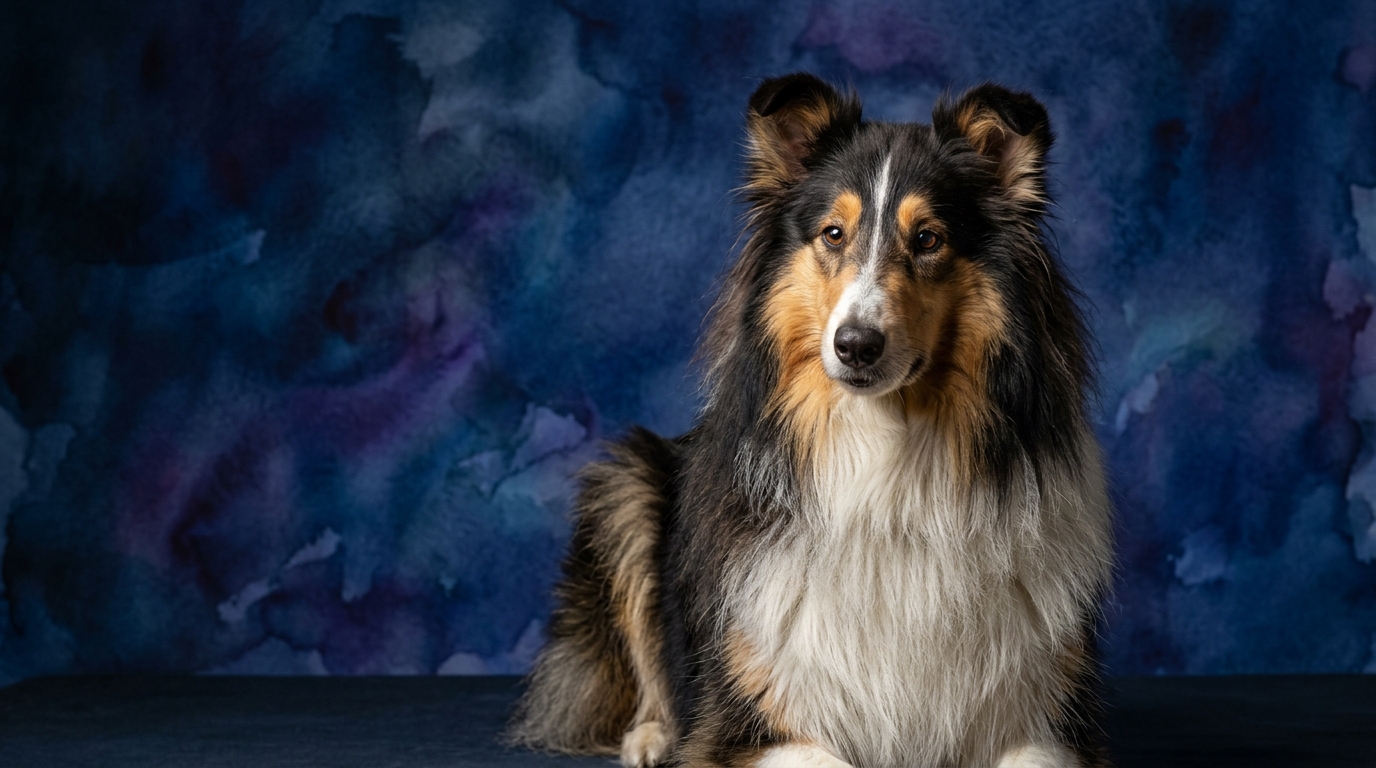
The Collie (Rough), ranked #16 by Coren, presents a profile of an exceptionally attentive and discerning worker. Their Problem Solving score of 4/5 highlights an ability to navigate complex scenarios, often involving managing livestock or understanding intricate human cues, demonstrating adaptive thinking. Training Speed, also 4/5, indicates a quick grasp of new commands, crucial for a breed expected to execute varied instructions in dynamic environments. Social Intelligence, rated 3/5, suggests a balanced awareness of companions, allowing effective collaboration. Instinctive Drive of 3/5 points to a moderate inclination towards herding roots, providing foundational motivation. However, their standout Memory, a 5/5, truly distinguishes the Collie, allowing retention of vast information, sequences, and past experiences with remarkable fidelity, making them exceptionally reliable in learned tasks.
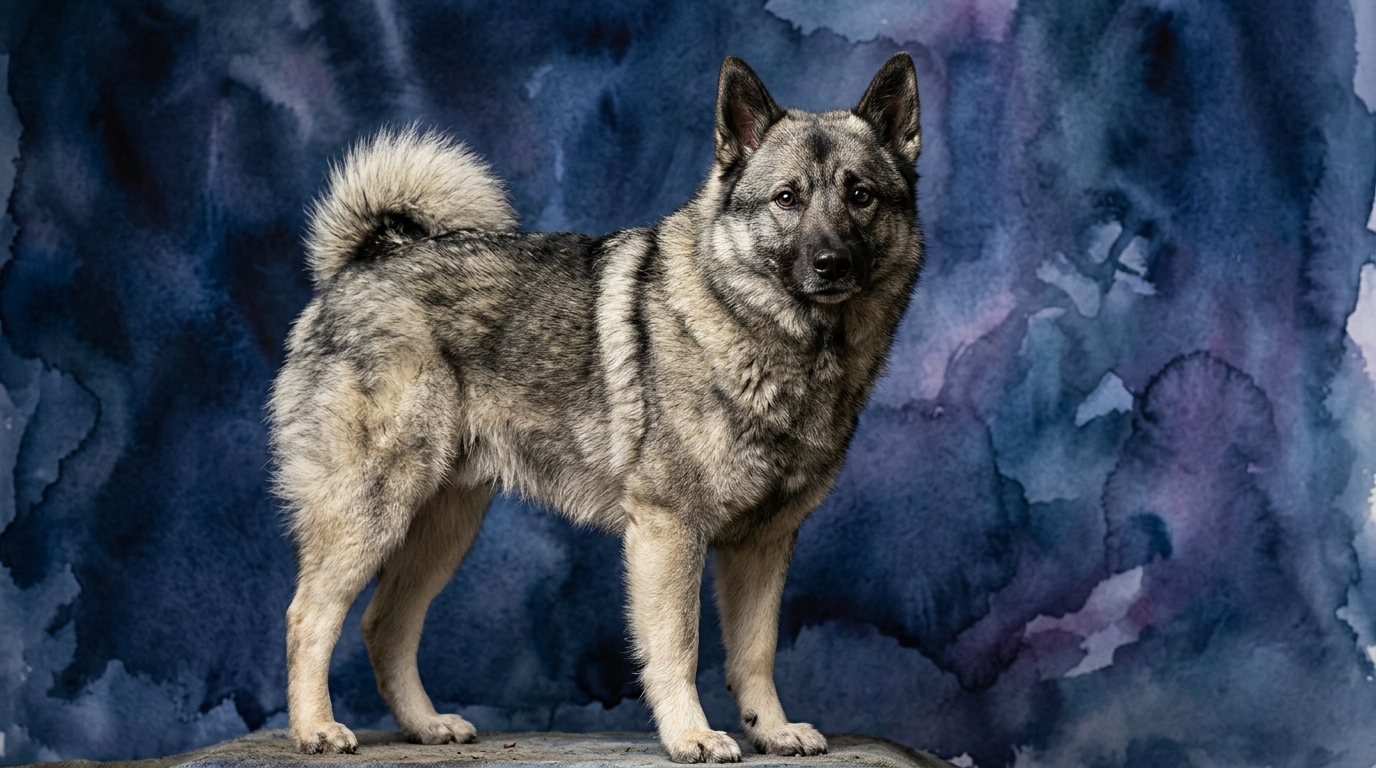
The Norwegian Elkhound, at Coren rank #36, showcases a robust, independent cognitive style, finely tuned for its big-game hunting role. Their Problem Solving score of 4/5 reflects an aptitude for overcoming practical challenges in the field, such as tracking elusive prey or navigating difficult terrain, requiring persistence. Like the Collie, Training Speed is 4/5, indicating efficient learning, though often with a different motivational drive rooted in their hound nature. Social Intelligence, at 3/5, describes a companionable yet self-assured temperament, able to interact effectively while maintaining independence. Instinctive Drive, also 3/5, is geared towards their hunting heritage, manifesting as a strong urge to follow scents. The Elkhound's Memory, 4/5, is strong for recalling trails and learned behaviors, though not quite reaching the Collie's pinnacle, suggesting a focus on functional, task-oriented retention.
Where the Collie (Rough) Cognitively Excels
The Collie (Rough)'s cognitive prowess shines particularly in its exceptional Memory score of 5/5, surpassing the Elkhound's 4/5. This translates into a superior capacity for retaining complex sequences of commands, specific routines, and past experiences with remarkable detail, ensuring high predictability and consistency once a task is learned. This advanced memory is a cornerstone of their high Coren rank (#16), enabling them to process and store information more broadly and deeply, leading to quicker mastery and retention of obedience and intricate tasks. Their herding lineage further imbues them with a nuanced problem-solving approach centered on foresight and management, adept at precision work requiring sequential understanding.
Where the Norwegian Elkhound Cognitively Excels
The Norwegian Elkhound's cognitive strengths, while sharing similar raw scores in some areas, are distinctively shaped by its hound heritage, particularly in the application of its 4/5 Problem Solving and 3/5 Instinctive Drive. Their problem-solving is often geared towards independent, persistent pursuit, overcoming environmental obstacles to achieve a scent-driven goal rather than following intricate human command sequences. This translates into a tenacious focus on a singular objective, demonstrating a unique mental fortitude and strategic thinking in overcoming physical barriers or tracking complex scent trails. Their moderate Instinctive Drive, combined with problem-solving, manifests as unwavering determination in the field, a cognitive strength for sustained focus even with distractions.
Training Ease and Behavioral Differences
When evaluating ease of training, the Collie (Rough) generally presents a more straightforward path due to its higher Coren rank (#16) and superior Memory (5/5). Their herding background has cultivated a strong desire to collaborate and respond to human direction, making them naturally inclined to learn and execute commands with precision and enthusiasm. Behavioral differences include their eagerness to please, ability to quickly generalize learned behaviors, and remarkable retention of cues, meaning fewer repetitions for mastery and less refresher training. They thrive on positive reinforcement and mental challenges, often excelling in obedience, agility, and rally disciplines where sequential commands and precision are paramount.
The Norwegian Elkhound, while possessing a respectable Training Speed (4/5) and Problem Solving (4/5), can present different training considerations due to its Coren rank (#36) and hound nature, which fosters greater independence. Their strong instinctive drive towards scent work means attention can be easily diverted by environmental stimuli, leading to perceived stubbornness if not managed effectively. Behavioral differences include their tendency to follow their nose, occasional selective hearing when a compelling scent is present, and a preference for tasks aligning with innate drives. Training an Elkhound often requires more patience, consistency, and creative motivation, leveraging their love for exploration and scent games rather than solely relying on rote obedience. They learn well, but motivation often needs to be intrinsically tied to their interests, making them excel in activities like tracking.
Suitability for Active vs. Relaxed Owners
The Collie (Rough) strikes a balance that can suit a range of owners, leaning towards those who provide consistent mental engagement. While appreciating regular walks and playtime, their primary need is for purpose and cognitive stimulation. They suit owners who enjoy structured training, participating in dog sports like agility or obedience, or teaching complex tricks and puzzles at home. A Collie can adapt to a moderately active household, but their sharp minds thrive when consistently challenged, making them a good fit for owners active in their dog's mental development, even if physical exertion isn't extreme. They are not typically suited for purely sedentary lifestyles without significant substitute mental outlets.
The Norwegian Elkhound, conversely, is unequivocally suited for active, outdoorsy owners. Their robust build, endurance, and historical role in hunting large game mean they possess significant physical stamina and a deep-seated need for vigorous exercise. They thrive on long hikes, trail runs, and extensive outdoor exploration where they can engage their powerful sense of smell and robust physique. Owners who lead an active lifestyle and enjoy spending considerable time outdoors, providing opportunities for their Elkhound to explore and expend energy, will find them an excellent match. A relaxed or sedentary owner would likely find an Elkhound challenging, as unfulfilled physical and mental needs can manifest as restlessness or vocalization.
The Verdict
Opt for a Collie (Rough) if you seek a highly trainable, cooperative companion eager for structured learning and mental engagement, particularly valuing exceptional memory and precision in tasks. This breed thrives with owners who enjoy dog sports, advanced obedience, or simply appreciate a thoughtful, responsive dog that excels at understanding and remembering complex cues.
Select a Norwegian Elkhound if you are an active, outdoorsy individual seeking an independent yet devoted companion for adventures, appreciating their tenacious problem-solving and persistence in scent-driven activities. This breed is ideal for owners who can provide consistent, vigorous physical exercise and mental stimulation that aligns with their historical hunting instincts.
🧠 Find Your Pet's IQ Score
Our Pet IQ Lab assessment covers 25+ tests across 5 cognitive dimensions — personalized to your breed.
Take the Full IQ Test →Frequently Asked Questions
Are Collies (Rough) good for first-time dog owners?
Yes, Collies (Rough) can be excellent for first-time dog owners due to their high trainability, eagerness to please, and generally gentle disposition. Their strong memory and desire for cooperation make the learning process smoother, provided owners commit to consistent positive reinforcement training and mental stimulation.
Do Norwegian Elkhounds bark a lot?
Norwegian Elkhounds are known to be quite vocal, often using a distinctive "bay" or bark, especially when alerted to something or when their instincts are engaged during tracking. This trait stems from their hunting heritage, where vocalization was used to alert hunters to game.
What kind of mental stimulation do these breeds need?
Collies (Rough) thrive on puzzle toys, obedience training, agility, and learning new tricks, benefiting from activities that engage their excellent memory and problem-solving skills. Norwegian Elkhounds benefit from scent work, long walks where they can explore smells, and interactive games that tap into their independent hunting drive and persistence.