Side-by-Side Pet IQ Lab Profile
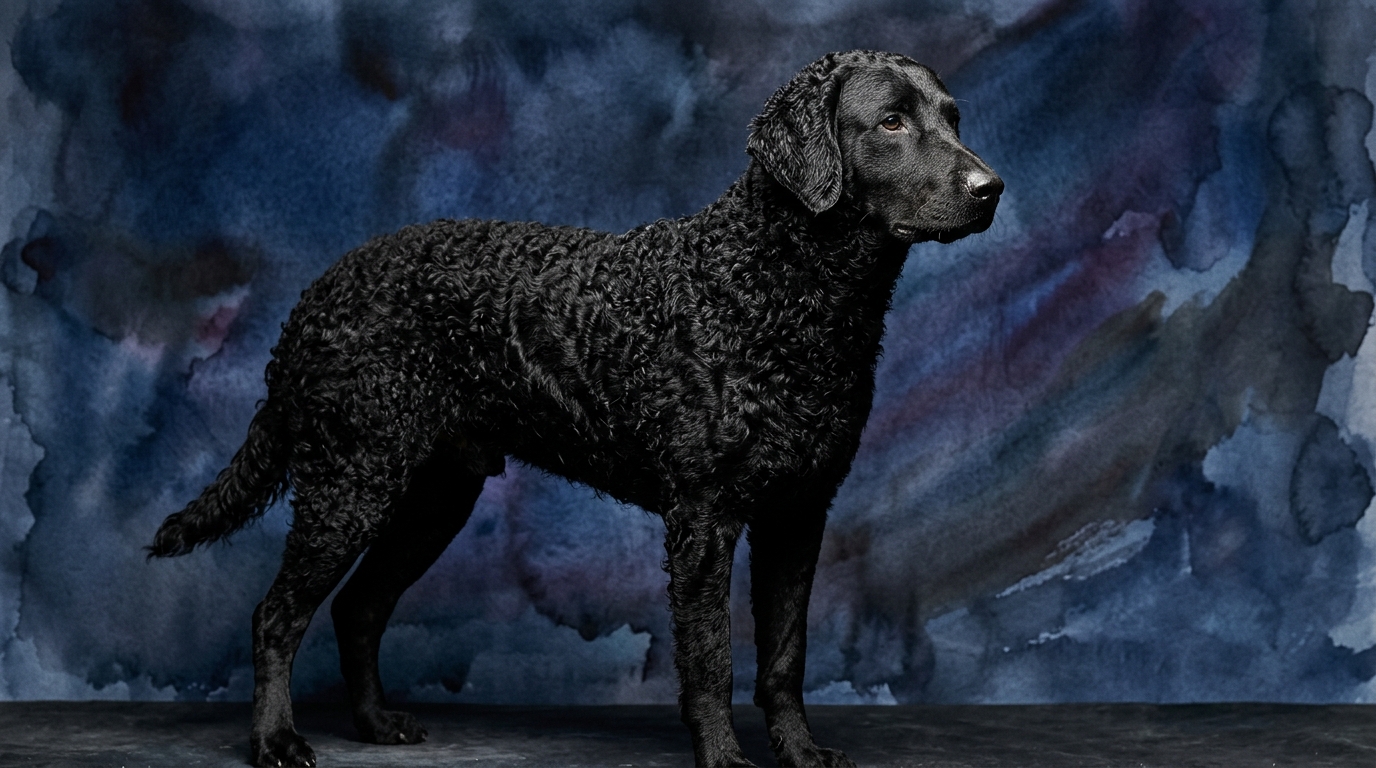
The Cosmic Pet Pet IQ Lab provides a standardized framework to understand various dimensions of canine cognition. For the Curly-Coated Retriever, a member of the Sporting Group and Coren-ranked at #41, its profile is distinctly shaped by its working heritage. It scores 3/5 in Problem Solving, indicating a practical aptitude for navigating environmental challenges, like finding a hidden dummy in tall grass or figuring out how to retrieve an object from a difficult spot, often with a task-oriented approach. Its Training Speed is 3/5, reflecting a moderate pace in grasping new commands and routines with consistent reinforcement, though an independent streak means immediate compliance isn't always guaranteed. Social Intelligence is also 3/5, showing a general attunement to human cues and family dynamics, forming strong bonds within its household, but often reserved with strangers. Its Instinctive Drive stands at 3/5, fueling a desire to work and engage in activities, particularly those involving scent work, retrieving, or water, a consistent motivation for purposeful engagement rather than an overwhelming one. A standout trait is its Memory at 4/5, allowing it to retain complex sequences of commands, recall locations of hidden objects, and remember past experiences, invaluable for intricate retrieving tasks and long-term learning.
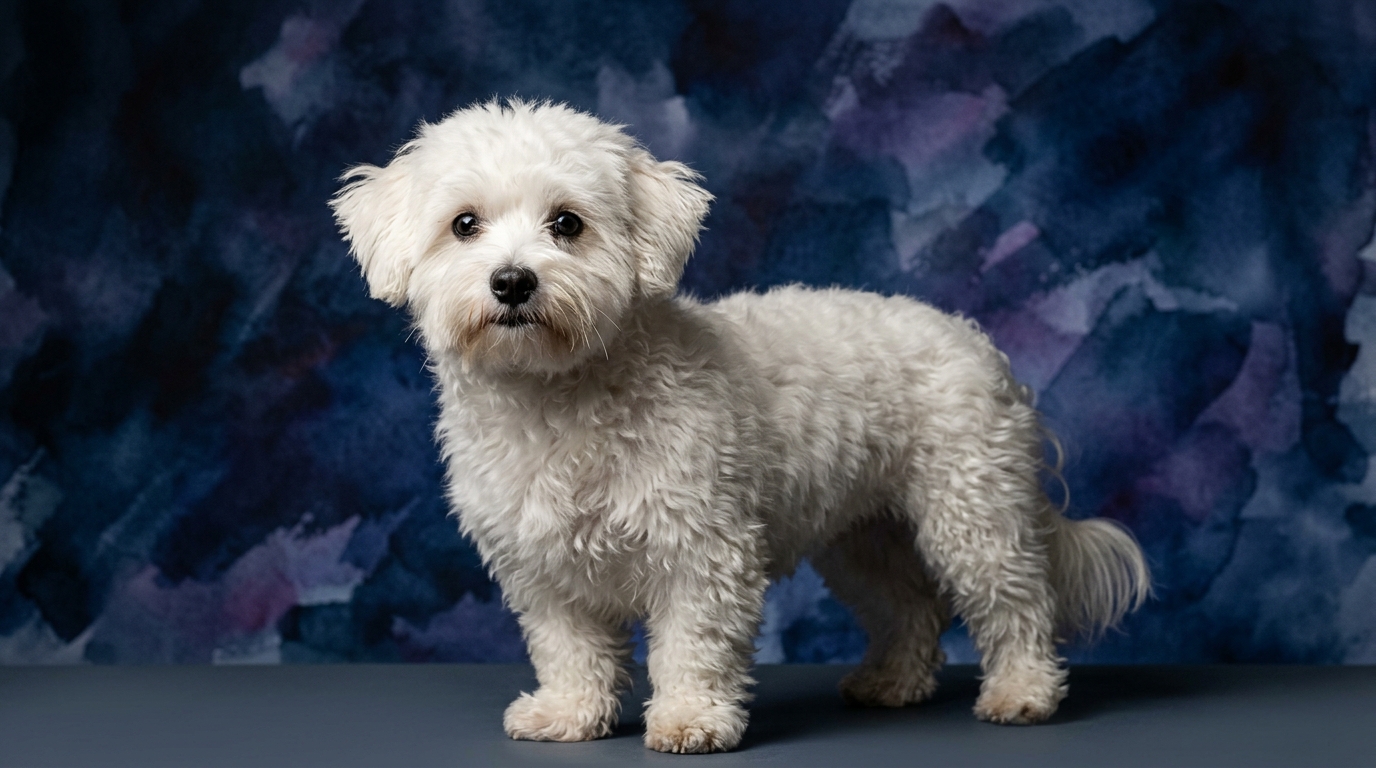
In contrast, the Coton de Tuléar, a Non-Sporting breed not Coren-ranked, presents a cognitive profile more attuned to companionship. Its Problem Solving also scores 3/5, but this cleverness is often focused on its immediate environment and social interactions, such as figuring out how to get attention, open a treat container, or manipulate a toy to its advantage, often in charmingly self-serving ways. Training Speed is 3/5, reflecting a steady learning pace, generally eager to please its family members and responding well to positive, reward-based training. Social Intelligence is 3/5, highlighting their high attunement to human emotions and social dynamics, thriving on companionship and often acting as emotional barometers for their owners, excelling at integrating into family life. Its Instinctive Drive is 3/5, typically geared towards playful interaction and companionship rather than intense working tasks, enjoying games, short bursts of activity, and being involved in family routines, driven by a desire for connection. The Coton's Memory is 3/5, demonstrating a solid capacity for routines, familiar faces, and learned behaviors, allowing them to remember commands and household rules consistently, though not as exceptional as the Curly-Coated Retriever's for complex, multi-stage tasks.
Where the Curly-Coated Retriever Wins Cognitively
The Curly-Coated Retriever's superior memory, scoring 4/5, truly distinguishes its cognitive profile, especially when paired with its moderate instinctive drive. This combination allows them to excel at remembering intricate retrieving patterns, multi-step commands, and the locations of numerous hidden objects over extended periods. For an owner engaged in dog sports like competitive obedience, field trials, or even complex scent work, the Curly's capacity to recall sequences and retain detailed information gives it a noticeable edge. While its problem-solving and training speed are on par with the Coton, the Curly's application of these faculties is often more robust in practical, outdoor, or task-oriented scenarios, leveraging its physical capabilities alongside its mental acumen. Its Coren ranking of #41 further underscores its historical aptitude for understanding and executing commands in a working context, a domain where its intellect is specifically honed.
Where the Coton de Tuléar Wins Cognitively
The Coton de Tuléar, while sharing similar scores in problem-solving, training speed, social intelligence, and instinctive drive, demonstrates its cognitive prowess in more nuanced, companion-centric ways. Its social intelligence (3/5) is particularly adept at navigating the complexities of human family life, often picking up on subtle emotional cues and adjusting its behavior to provide comfort or solicit interaction. This breed's problem-solving, though scored identically, is frequently applied to social dilemmas, such as charming its way into a lap or figuring out how to initiate a play session. Their moderate instinctive drive is channeled into a deep desire for companionship and playful engagement, making them masters of adaptive social interaction within a home environment. While not Coren-ranked, their history as royal companions speaks to a refined emotional and social understanding that allows them to integrate seamlessly and joyfully into human households, often anticipating needs or moods without explicit commands.
Which is Easier to Train and Why
Despite both breeds scoring a 3/5 in training speed, the practical experience of training them can differ significantly due to their underlying motivations and physical attributes. The Curly-Coated Retriever, with its strong memory (4/5) and moderate instinctive drive, is often easier to train for complex, multi-stage tasks requiring a sequence of actions or sustained focus, particularly in outdoor or working environments. They respond well to consistent, structured training that taps into their natural retrieving instincts and desire to 'do a job.' Their independence means an owner needs to be engaging and clear, but once they understand a task, their memory ensures retention. The Coton de Tuléar, while equally quick to learn basic commands, often thrives in training that emphasizes positive reinforcement, play, and close human interaction. Their social intelligence and desire to please make them receptive to learning household manners and tricks, but their smaller size and companion-oriented drive mean they might not have the same sustained focus for arduous, repetitive working drills. For a novice owner seeking a companion who learns good manners quickly and enjoys fun, interactive training, the Coton's eager-to-please nature might feel 'easier' in daily life, whereas the Curly requires a trainer ready to channel its working heritage into more demanding mental and physical exercises.
Which Suits Active Owners vs. Relaxed Owners
The divergent cognitive profiles and historical roles of these breeds clearly delineate their suitability for different lifestyles. The Curly-Coated Retriever, with its moderate instinctive drive (3/5) and exceptional memory (4/5) for tasks, thrives with active owners who enjoy engaging in dog sports, long hikes, or structured training sessions that challenge both body and mind. Their problem-solving (3/5) is best utilized when given opportunities to navigate environments or solve practical puzzles, making them ideal for individuals or families who embrace an outdoor, task-oriented lifestyle. A Curly-Coat requires consistent mental stimulation to prevent boredom, making them a poor fit for a perpetually relaxed, sedentary owner. Conversely, the Coton de Tuléar, with its equally strong social intelligence (3/5) and moderate instinctive drive primarily directed towards companionship, is a superb match for more relaxed owners who prioritize indoor activities, gentle walks, and abundant cuddle time. While they enjoy play and short bursts of activity, their cognitive strengths shine in their ability to integrate seamlessly into family life, offering comfort and charming interaction. Their problem-solving (3/5) is often applied to social dynamics within the home, making them adept at adapting to a more calm, companion-focused routine, provided they receive ample attention and moderate daily engagement.
The Verdict
Choose the Curly-Coated Retriever if you are an active owner seeking a capable partner for dog sports or outdoor adventures, someone who appreciates a breed with a robust memory for complex tasks and a moderate drive for purposeful work.
Opt for the Coton de Tuléar if you desire a charming, socially attuned companion who thrives on close interaction and gentle play, fitting seamlessly into a more relaxed household that prioritizes companionship and indoor comfort.
🧠 Find Your Pet's IQ Score
Our Pet IQ Lab assessment covers 25+ tests across 5 cognitive dimensions — personalized to your breed.
Take the Full IQ Test →Frequently Asked Questions
Does the Coton de Tuléar's lack of Coren ranking mean it's less intelligent than the Curly-Coated Retriever?
Not at all; the Coren ranking primarily assesses 'working and obedience intelligence,' which aligns with breeds historically bred for specific tasks like retrieving. The Coton's intelligence is geared more towards social adaptability and companionship, areas not directly measured by Coren's methodology.
Can a Curly-Coated Retriever be a good family dog, given its working background?
Absolutely, Curly-Coated Retrievers make devoted family members, especially when their needs for mental and physical engagement are met. Their social intelligence allows them to bond closely, but they thrive best in active households that can provide structured activities and outdoor adventures.
How much mental stimulation does a Coton de Tuléar need daily?
Coton de Tuléars require moderate daily mental stimulation, which can be met through interactive play, short training sessions for tricks or manners, and opportunities for social interaction with their family. While not needing intense 'work,' consistent engagement prevents boredom and strengthens their bond.