Side-by-Side Cognitive Profiles: Curly-Coated Retriever vs. Keeshond
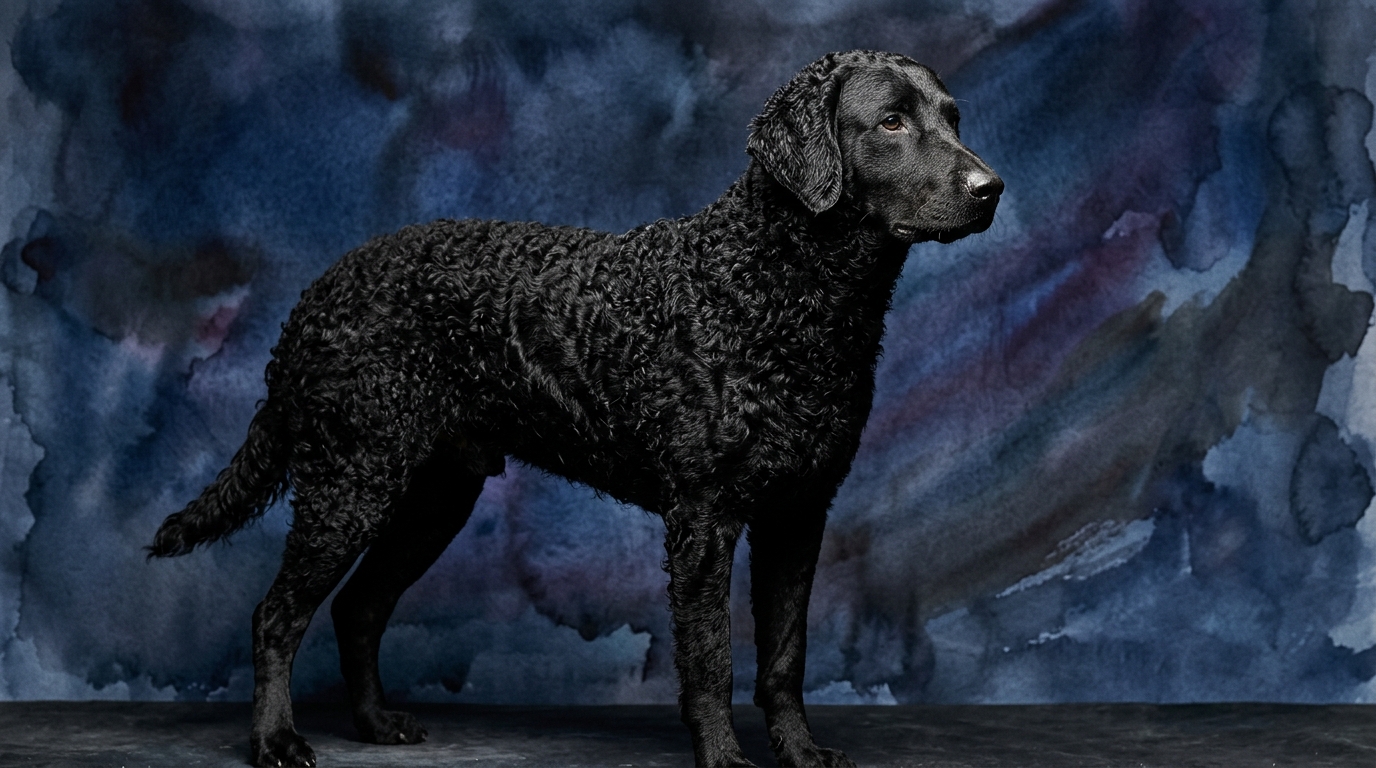
The Cosmic Pet Pet IQ Lab provides a nuanced framework for understanding canine cognition, moving beyond simple obedience ranks to dissect specific mental dimensions. For the Curly-Coated Retriever, a sporting breed ranked #41 by Coren, its profile reflects a capable working dog. Its Problem Solving is rated 3/5, indicating an aptitude for navigating real-world challenges, particularly those related to its retrieving tasks. Training Speed also sits at 3/5, suggesting a steady learning pace that benefits from consistent and engaging instruction. Social Intelligence is 3/5, meaning these dogs form strong bonds and interpret human cues well, though they might maintain a degree of reservedness with strangers. Instinctive Drive, at 3/5, highlights its natural inclination for activities like retrieving, swimming, and scent work, a hallmark of its heritage. Memory, a notable strength, is rated 4/5, allowing it to retain complex sequences and locations effectively.
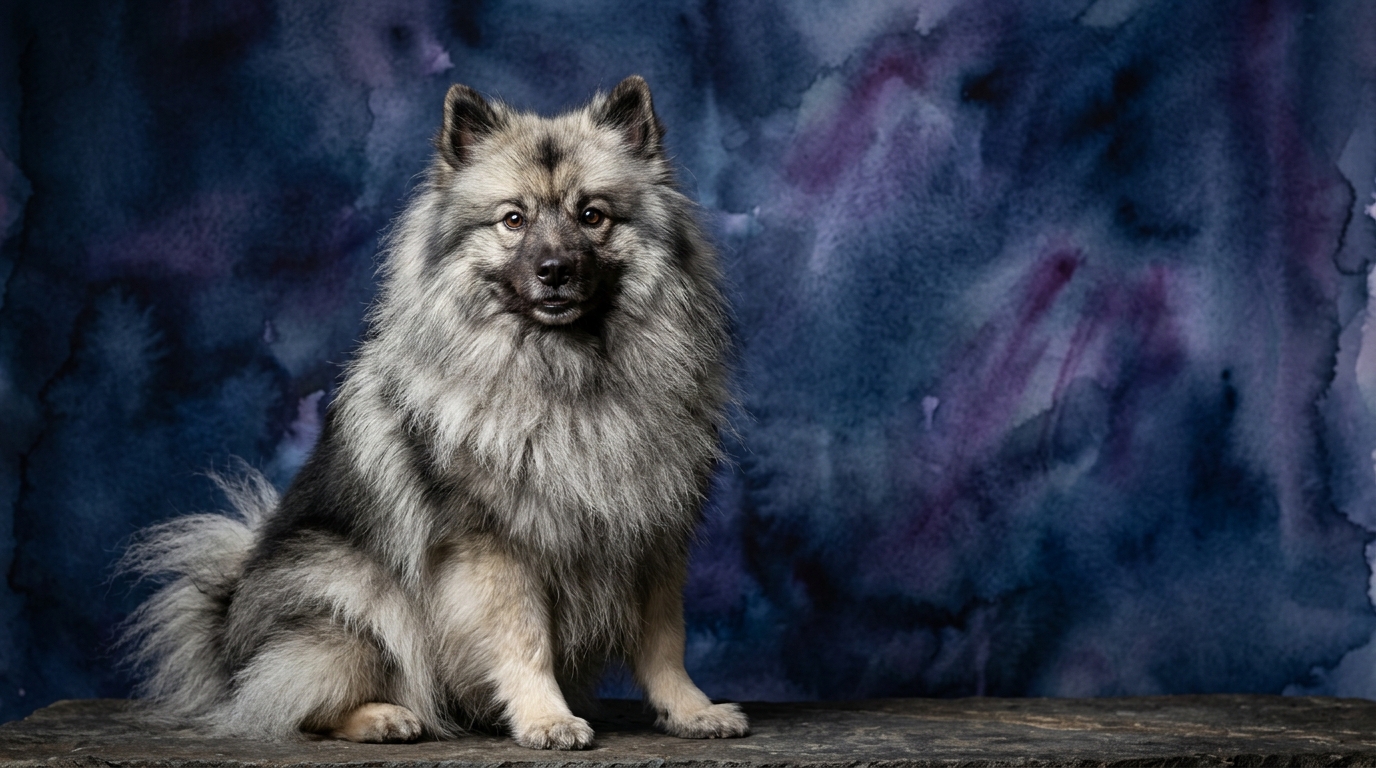
In contrast, the Keeshond, a non-sporting breed with an impressive Coren rank of #16, presents a cognitive profile geared towards alert companionship and rapid learning. Its Problem Solving is a robust 4/5, demonstrating a keen ability to assess situations and devise solutions, a trait valuable in its historical role as a watch and companion dog. Training Speed is also 4/5, indicating a quick grasp of new commands and a responsiveness to instruction. Social Intelligence mirrors the Curly-Coated Retriever at 3/5, signifying a capacity for close family connections and an understanding of human emotions, often accompanied by a watchful nature. Instinctive Drive, also 3/5, manifests as a strong desire to be involved with its family and an alert barking tendency, rather than a prey or retrieve drive. Where the Keeshond truly shines is its Memory, scoring a perfect 5/5, suggesting an exceptional capacity for recall and retention of experiences and learned behaviors.
Where the Curly-Coated Retriever Exhibits Cognitive Strengths
The Curly-Coated Retriever's cognitive strengths are deeply intertwined with its history as a functional gundog, making it particularly adept in specific scenarios. Its 4/5 memory is not just about remembering tricks; it translates into practical skills like recalling the precise 'fall' of game over varying terrains, or navigating complex scent trails back to a retrieve. This breed excels at remembering sequences of actions required for field work, demonstrating a sustained mental focus over physically demanding tasks. While its Problem Solving is 3/5, this score reflects a practical intelligence for environmental navigation and resource acquisition within a working context, rather than abstract puzzles. For instance, a Curly might ingeniously figure out the most efficient path through dense cover to retrieve an object, or understand how to dislodge a toy stuck under furniture using its body, driven by an inherent task orientation. Its instinctive drive, though 3/5, is highly specialized, giving it a mental edge in tasks requiring sustained motivation for retrieving and water work, where other breeds might lose interest. This breed's cognitive profile means it can maintain mental stamina through repetitive, goal-oriented physical activities, remembering prior successes and applying them to new, similar challenges.
Where the Keeshond Exhibits Cognitive Strengths
The Keeshond's cognitive advantages are notable for their breadth and speed, making it a highly adaptable and perceptive companion. Its standout 5/5 memory is a cornerstone of its cognitive prowess, allowing for near-perfect recall of commands, routines, and past experiences. This means a Keeshond is likely to remember a command learned months ago with minimal refresher, or recall specific household rules consistently. This exceptional memory, combined with a 4/5 Training Speed, allows the Keeshond to pick up new concepts and behaviors with remarkable alacrity. They can quickly generalize learned behaviors to new situations, making them highly responsive to novel commands or environmental changes. The Keeshond's 4/5 Problem Solving capacity is often observed in its ability to quickly assess situations and find creative solutions, whether it's figuring out how to open a gate or understanding complex human instructions. Their cognitive profile suggests a dog that is not just quick to learn, but also adept at applying that learning thoughtfully, often anticipating next steps or interpreting subtle cues. This makes them highly effective in roles requiring quick decision-making and a strong understanding of their environment, such as their traditional watchdog duties.
Training Aptitude: Which Breed Offers an Easier Path?
When considering ease of training for general obedience and household manners, the Keeshond generally presents a more straightforward experience due to its higher scores in key cognitive dimensions. With a Training Speed of 4/5 and an exceptional Memory of 5/5, Keeshonden typically learn new commands very quickly and retain them with remarkable consistency. Their desire to be involved with their family, stemming from their instinctive drive as companion watchdogs, often translates into an eagerness to please and attentiveness during training sessions. They thrive on positive reinforcement and can master complex sequences of commands, making them suitable for various dog sports like obedience or rally with relative ease. Their quick cognitive processing allows them to adapt learned behaviors to new contexts rapidly.
The Curly-Coated Retriever, with a Training Speed of 3/5 and Problem Solving at 3/5, learns effectively but may require a different training approach. While they certainly can learn and retain commands, their independent thinking and strong working drive might mean they need more repetitions or more creative, engaging motivation to stay focused. A Curly might be more inclined to weigh the 'worth' of a command against its own internal motivations, especially if it's not directly tied to a task they find inherently rewarding, such as retrieving. Trainers often find success by incorporating their natural retrieving instincts into training, making it a game or a job. While not 'difficult' to train, they might be perceived as less immediately compliant than a Keeshond, requiring a trainer who understands how to channel their independent spirit and task-oriented problem-solving into desired behaviors rather than relying solely on rote learning.
Matching Canine Cognition to Owner Lifestyles
The distinct cognitive profiles of the Curly-Coated Retriever and the Keeshond naturally align with different owner lifestyles. The Curly-Coated Retriever is an ideal match for active owners who relish outdoor activities and are prepared to engage their dog in mentally stimulating physical pursuits. Its 3/5 instinctive drive for retrieving, combined with its practical problem-solving and strong memory for tasks, means it thrives when given a 'job' to do. Owners who enjoy hiking, swimming, competitive dog sports like agility or dock diving, or even actual field work, will find a dedicated and capable partner in a Curly-Coated Retriever. A relaxed owner, in the sense of someone seeking a primarily sedentary companion, would likely find themselves with a bored and potentially destructive dog, as this breed's cognitive and physical needs demand consistent engagement.
Conversely, the Keeshond suits owners who appreciate a highly responsive and attentive companion, but perhaps with a less intense physical requirement than a sporting breed. While not a couch potato, the Keeshond's cognitive strengths — its exceptional memory, quick training speed, and strong problem-solving — are best nurtured in an environment where it's deeply integrated into family life. They thrive on mental stimulation through trick training, puzzle toys, and consistent interaction, alongside regular walks and playtime. A 'relaxed' owner for a Keeshond is someone who provides consistent mental enrichment and moderate physical activity, valuing a dog that is quick to learn household rules and eager to participate in family routines. They are well-suited to owners who enjoy teaching new things and appreciate a dog that is always 'tuned in' to its human companions, making them excellent companions for those who might not be training for marathons but still lead an engaged life.
The Verdict: When to Choose Each Breed
The Verdict
Choose the Curly-Coated Retriever if you seek a resilient, task-oriented partner for active outdoor adventures and dog sports, valuing a dog that independently applies its memory and problem-solving to physical challenges. This breed thrives with owners who can channel its sporting drive into consistent, engaging activities.
Opt for the Keeshond if you desire a highly responsive, quick-learning companion that excels in general obedience and family integration, appreciating its exceptional memory and problem-solving for a thoughtful, attentive presence. This breed suits owners who enjoy mental enrichment and a close bond within a moderately active lifestyle.
🧠 Find Your Pet's IQ Score
Our Pet IQ Lab assessment covers 25+ tests across 5 cognitive dimensions — personalized to your breed.
Take the Full IQ Test →Frequently Asked Questions
How does the Keeshond's superior memory (5/5) manifest in daily life?
A Keeshond's exceptional 5/5 memory means they recall commands, routines, and experiences with remarkable consistency, often remembering rules or tricks learned long ago. This leads to a highly predictable companion who quickly adapts to household expectations and rarely forgets what it has learned.
Does the Curly-Coated Retriever's problem-solving (3/5) mean they struggle with new situations?
No, the Curly-Coated Retriever's 3/5 problem-solving indicates a practical intelligence for navigating physical environments and achieving specific goals, especially those related to retrieving. While they might not be as quick with abstract puzzles as a Keeshond, they are capable of adapting to new situations by applying learned behaviors and assessing their surroundings effectively.
Given their similar social intelligence (3/5), how do these breeds differ in their interactions with people?
Both breeds at 3/5 social intelligence form strong bonds and read human cues well, but their expression differs; the Keeshond often displays a more effusive, attentive companionship, eager to be involved and watchful of its family. The Curly-Coated Retriever, while affectionate with its family, might exhibit a more reserved demeanor with strangers, reflecting its independent working heritage.