Side-by-side IQ profile
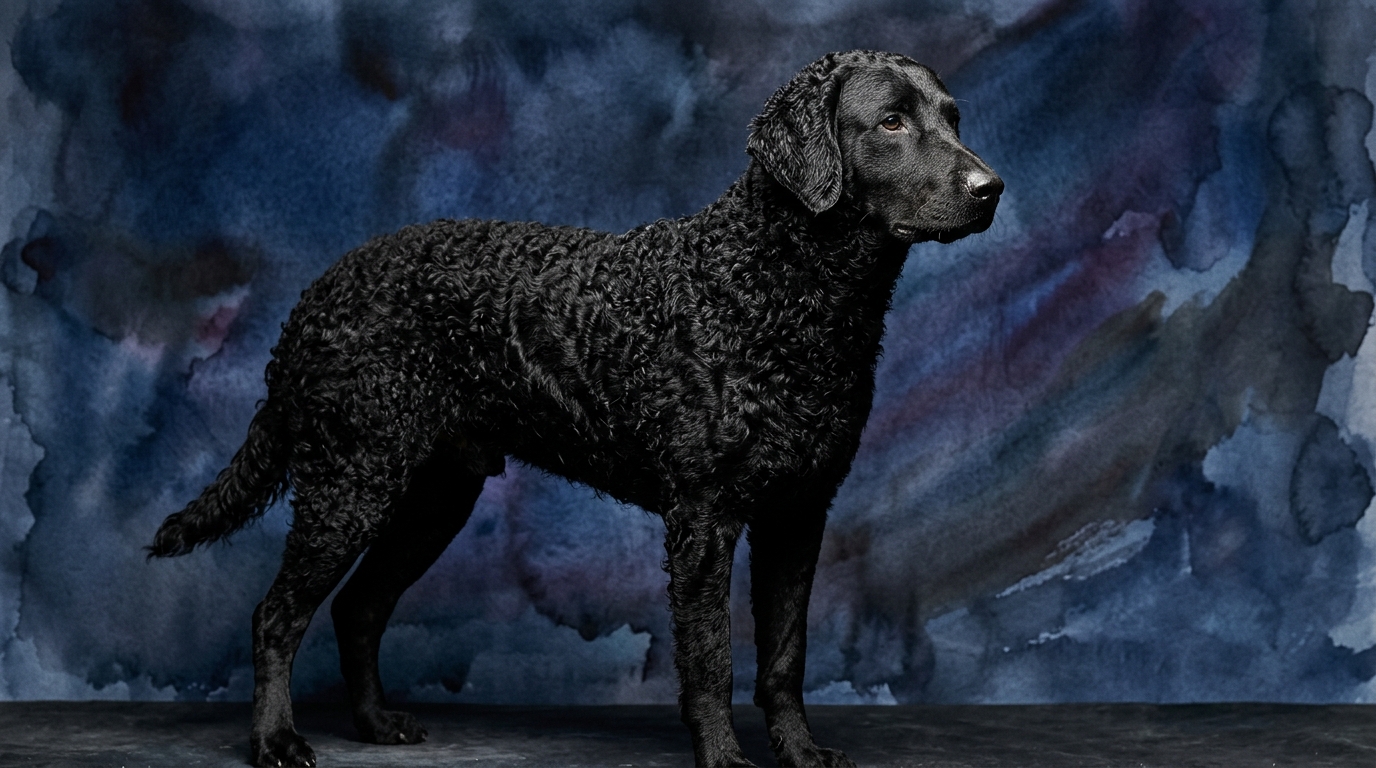
The Curly-Coated Retriever, ranking 41st in Coren's intelligence assessment, exhibits a steady and reliable cognitive profile. Their problem-solving capacity sits at a 3 out of 5, indicating they can navigate moderately complex situations and apply previously learned solutions, but might not be the first to invent novel approaches without guidance. This means they benefit from clear, structured training scenarios where the path to success is well-defined. Their training speed, also a 3 out of 5, suggests a deliberate learning pace. They are certainly capable of acquiring new commands and behaviors, but consistency and patience are key, as they typically require more repetitions than some other breeds to solidify a new concept. Social intelligence is rated 3 out of 5, reflecting a solid understanding of their immediate human family and pack dynamics, though they might be less inclined to interpret nuanced social cues from strangers or prioritize pleasing everyone. Instinctive drive, at 3 out of 5, indicates a balanced expression of innate behaviors; while they retain their retrieving heritage, it's not an overwhelming force. A notable strength is their memory, scoring a robust 4 out of 5, which means once a lesson is thoroughly learned, it tends to stick, making their training durable over time.
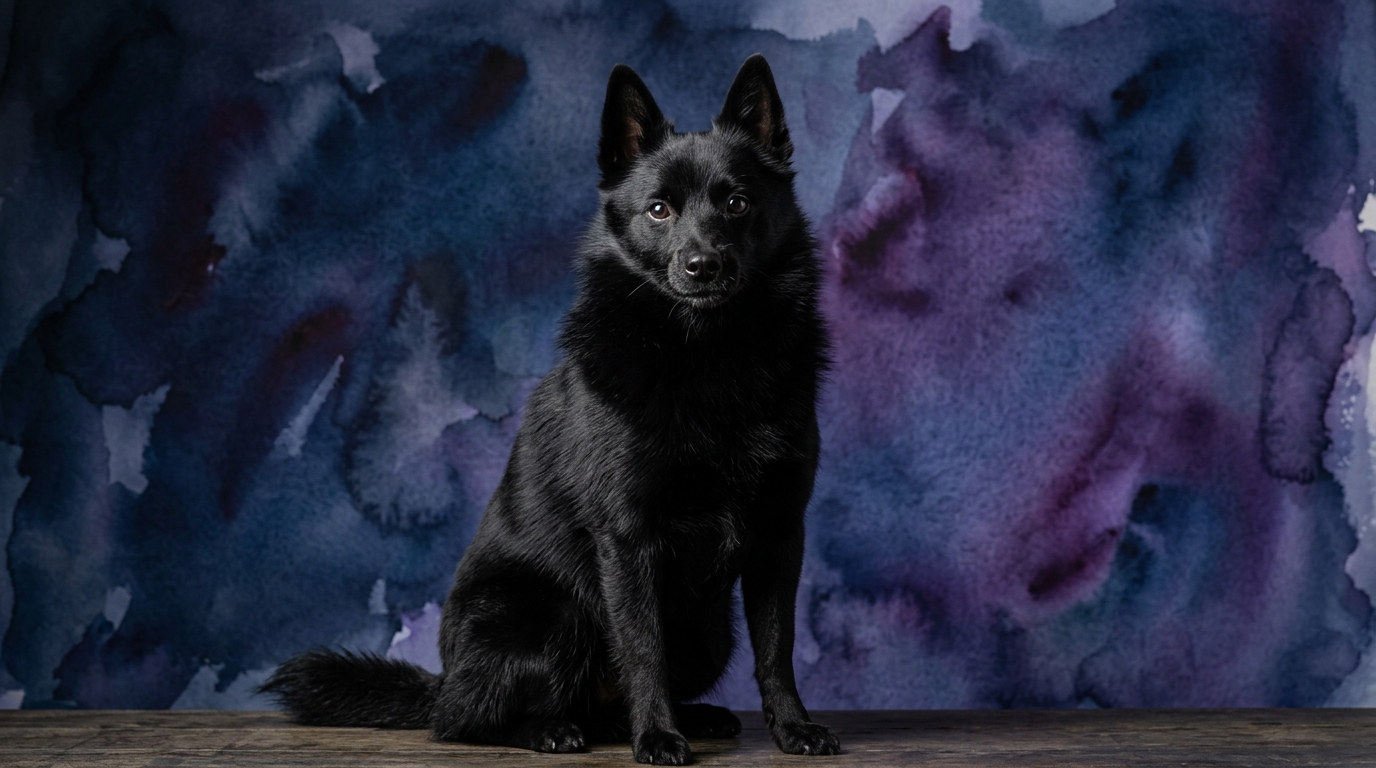
The Schipperke, a formidable cognitive contender at Coren rank 15, showcases a markedly different intellectual blueprint. Their problem-solving ability is exceptional, earning a perfect 5 out of 5. This breed possesses an innate capacity for analytical thought, readily devising independent solutions to environmental challenges and adapting swiftly to new rules or obstacles. They are often one step ahead, mentally mapping out potential outcomes. Matching this is their training speed, also a 5 out of 5, meaning Schipperkes grasp new commands and complex sequences with remarkable alacrity. They often require minimal repetition, quickly understanding what is expected and even anticipating the next step in a routine. Their social intelligence, like the Curly-Coated Retriever, is a 3 out of 5, indicating strong bonds with their primary caregivers and an understanding of household social structures, yet they are not necessarily driven by a need to universally please. Their instinctive drive, rated 3 out of 5, reflects their historical roles as alert watchdogs and efficient vermin controllers, contributing to their independent and often vigilant nature. Completing their impressive cognitive toolkit is a 5 out of 5 memory, ensuring that once a lesson or experience is absorbed, it is retained with outstanding permanence, supporting their rapid learning and complex behavioral repertoire.
Where Curly-Coated Retriever wins cognitively
While the Schipperke excels in sheer speed of acquisition, the Curly-Coated Retriever's cognitive profile offers distinct advantages for specific owner expectations. Their 4/5 memory, when combined with a 3/5 training speed, means that while initial learning might take more repetitions, the knowledge is deeply ingrained and reliably accessible over the long term. This durability in learned behaviors contributes to a steadfast and predictable companion once training is established. Owners can rely on a Curly-Coated Retriever to consistently perform known commands and adhere to routines without constant re-teaching.
Furthermore, their balanced 3/5 problem-solving and instinctive drive mean they are less prone to independently 'solving' situations in ways that might be inconvenient or mischievous for their human companions. Rather than constantly seeking novel solutions, they are more likely to apply established protocols, making them excellent partners for cooperative tasks like retrieving games or following a consistent household schedule. Their cognitive makeup fosters a partnership where the dog works *with* the owner in a predictable manner, rather than constantly trying to outsmart or independently navigate the environment. This reliability and consistency, once achieved, is a significant cognitive win for owners who value a steady, cooperative temperament.
Where Schipperke wins cognitively
The Schipperke's cognitive strengths lie in their unparalleled mental agility and independent thought. Their 5/5 problem-solving ability means they are masters at assessing novel situations, quickly processing information, and devising effective strategies. This isn't just about following commands; it's about understanding the underlying logic of a task and adapting their approach. Whether it's figuring out how to open a cabinet, navigate an obstacle course, or interpret a complex sequence of cues, the Schipperke's mind is always active, seeking solutions.
Paired with their 5/5 training speed, this makes them exceptionally quick studies, often picking up new commands after just a few repetitions. They don't just memorize; they conceptualize. This allows them to excel in advanced obedience, agility, and trick training, where intricate sequences and rapid decision-making are paramount. Their 5/5 memory ensures that these complex lessons are not fleeting but become deeply embedded in their behavioral repertoire. Owners who enjoy engaging in intricate training, dog sports, or simply observing a dog with a constantly whirring, analytical mind will find the Schipperke's cognitive prowess profoundly rewarding. They are dogs that thrive on intellectual challenge and can often surprise their owners with their capacity for independent thought and action.
Which is easier to train and why
When evaluating ease of training, the Schipperke generally presents a quicker path to command acquisition due to their superior training speed and problem-solving capabilities. A Schipperke's 5/5 training speed means they will typically learn a new command in far fewer repetitions than a Curly-Coated Retriever, whose training speed is 3/5. The Schipperke's 5/5 problem-solving further aids this process; they are adept at figuring out what is expected of them, often connecting cause and effect rapidly and independently. This means they are not just memorizing a sequence but understanding the objective, which allows for greater flexibility in applying learned behaviors.
Conversely, the Curly-Coated Retriever, with its 3/5 training speed, requires a more patient and consistent approach. They will get there, thanks to their excellent 4/5 memory, but the journey involves more repetition and reinforcement to solidify the learning. Their 3/5 problem-solving means they are less likely to independently 'crack the code' of a new exercise and rely more on clear, repeated instruction from their handler. While Schipperkes might present challenges with their independent thinking leading to 'selective hearing' or mischievous self-employment if not adequately stimulated, Curly-Coated Retrievers' challenges typically stem from needing more time and clearer guidance to initially grasp complex concepts. For an owner prioritizing rapid acquisition of a broad command set, the Schipperke offers a more immediate reward in terms of learning speed.
Which suits active owners vs relaxed owners
The choice between these two breeds, based on their cognitive profiles, often aligns with an owner's lifestyle and their preferred level of mental engagement with their dog. The Schipperke, with its 5/5 problem-solving and 5/5 training speed, is an ideal match for active owners who thrive on mental stimulation and enjoy engaging in complex activities with their canine companion. These dogs excel in dog sports like agility, obedience, rally, and even trick training, requiring owners who are prepared to provide consistent intellectual challenges to prevent boredom and potential misdirection of their sharp minds. Owners who appreciate a dog that thinks independently and thrives on intricate interaction will find the Schipperke a fulfilling partner.
The Curly-Coated Retriever, while certainly needing physical activity, might be a better fit for owners who are active but prefer a more predictable and cooperative cognitive partner rather than one constantly seeking new mental puzzles. Their 3/5 problem-solving and 3/5 training speed, coupled with a strong 4/5 memory, means they excel in established routines and cooperative tasks like retrieving or long walks. They thrive on consistency and a steady pace of learning. 'Relaxed' in this context refers less to physical inactivity and more to a preference for a dog that is less demanding of constant, novel intellectual challenges, finding contentment in a well-structured, consistent environment and enjoying shared activities that reinforce learned behaviors.
The Verdict
Choose the Curly-Coated Retriever if you seek a steadfast, cooperative companion who thrives on consistent routines and values a predictable, durable partnership built on trust and established behaviors, appreciating a dog whose memory ensures reliability once a lesson is learned.
Opt for the Schipperke if you are an owner who relishes a dynamic, quick-witted partner eager for mental challenges, intricate training, and the satisfaction of a dog who thinks on its feet and can independently navigate complex situations.
🧠 Find Your Pet's IQ Score
Our Pet IQ Lab assessment covers 25+ tests across 5 cognitive dimensions — personalized to your breed.
Take the Full IQ Test →Frequently Asked Questions
Are Curly-Coated Retrievers truly less capable learners than Schipperkes?
No, Curly-Coated Retrievers are capable learners with a strong 4/5 memory, but they typically require more repetition and consistent instruction due to their 3/5 training speed compared to the quick-to-grasp Schipperke. Their learning style is more deliberate, building on established patterns rather than rapid independent discovery.
Does a Schipperke's high problem-solving score make them difficult?
A Schipperke's exceptional 5/5 problem-solving can be channeled into complex training and dog sports, but it also means they can invent their own solutions to boredom or perceived challenges. Owners must provide ample mental stimulation and consistent guidance to prevent them from becoming self-employed mischief-makers.
How do their social intelligence scores impact family life?
Both breeds share a 3/5 social intelligence score, suggesting they form strong bonds with their immediate family and understand household dynamics well. Neither is inherently more or less inclined to be a universal 'people pleaser,' focusing their social acumen on their inner circle rather than actively seeking approval from all strangers.