
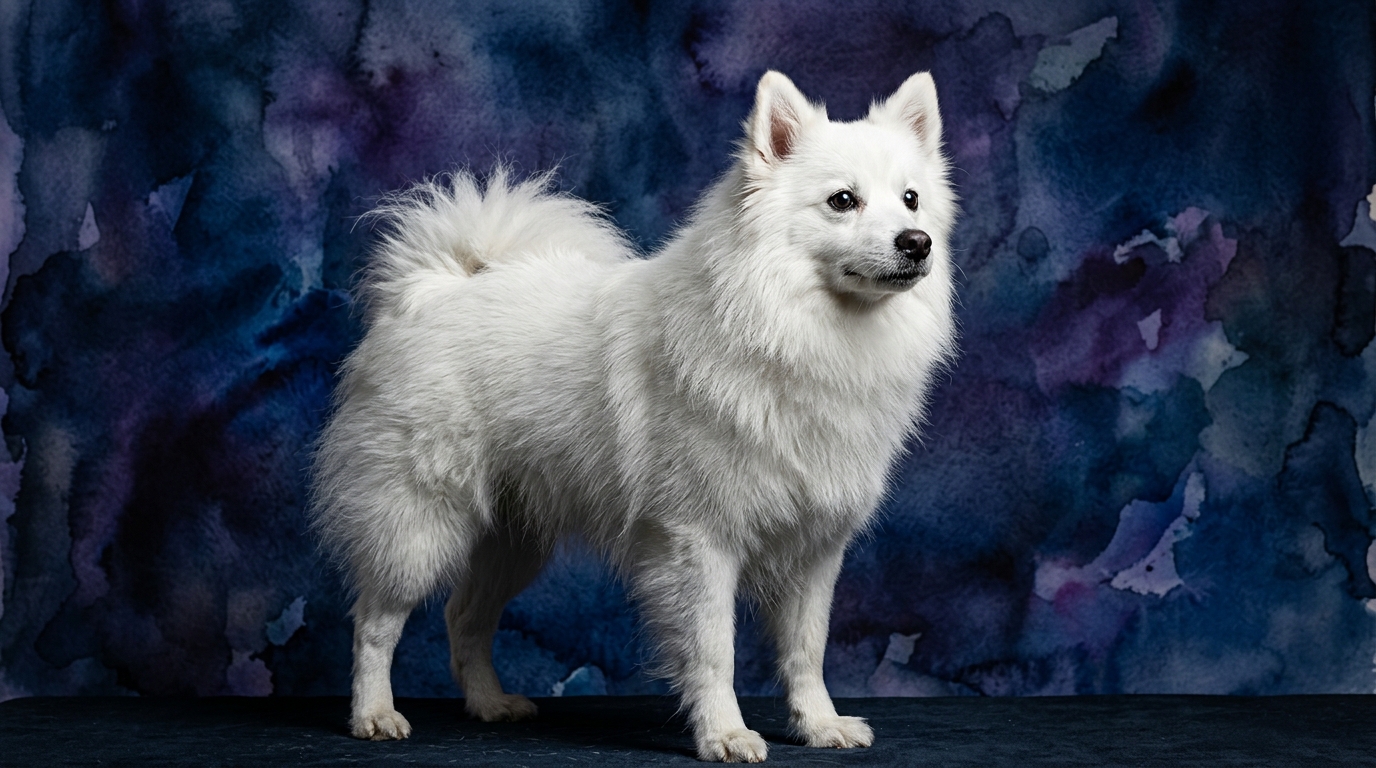
Side-by-Side Cognitive Profile: Dachshund vs. American Eskimo Dog
The Cosmic Pet Pet IQ Lab employs a five-dimensional framework to assess canine intelligence, offering a nuanced view beyond simple obedience. For the Dachshund, a small but mighty hound, we observe a Coren ranking of #49, indicating a respectable working intelligence. In contrast, the American Eskimo Dog, a spirited non-sporting breed, is not Coren-ranked, suggesting a different cognitive emphasis. Let's delve into their specific strengths across our five dimensions.
Dachshund Cognitive Profile:
Problem Solving (4/5): Their historical role as tenacious badger hunters equipped Dachshunds with an impressive capacity for independent problem-solving. They excel at devising clever, often persistent, strategies to overcome obstacles, whether it's navigating complex terrain to track prey or figuring out how to access a coveted treat. This cognitive strength means they don't always wait for human direction, preferring to think for themselves, which can manifest as both ingenuity and stubborn determination in domestic settings.
Training Speed (2/5): The Dachshund’s independent spirit often translates to a slower training speed. While capable of understanding commands, their strong will and tendency to prioritize their own interests or an enticing scent can make them appear less receptive. They require consistent, patient, and highly motivating training methods, often responding best to positive reinforcement that makes compliance more appealing than their innate desires.
Social Intelligence (3/5): Dachshunds exhibit average social intelligence, forming deep, loyal bonds with their core family unit. They are adept at reading the moods and intentions of their chosen humans but can be reserved, even aloof, with strangers or unfamiliar dogs. Their social interactions are often selective, reflecting a focused loyalty rather than broad, indiscriminate friendliness, and they may be watchful in new social environments.
Instinctive Drive (5/5): This breed possesses an outstanding instinctive drive, deeply rooted in their hunting heritage. Their powerful scenting ability, digging propensity, and prey drive are paramount, often overriding other learned behaviors. This intense focus makes them incredibly persistent in tasks related to tracking or 'hunting,' defining a significant aspect of their cognitive makeup and daily motivations.
Memory (3/5): Dachshunds have an average memory for routines, commands, and experiences, especially those linked to strong emotional outcomes or their instinctive drives. They recall where treats are hidden and remember past training sessions, but their memory can be selectively applied, particularly when their powerful instincts are engaged by a compelling external stimulus.
American Eskimo Dog Cognitive Profile:
Problem Solving (3/5): American Eskimo Dogs demonstrate a solid, average capacity for problem-solving. They learn effectively through observation and trial-and-error, capable of navigating new situations and understanding cause-and-effect relationships within their environment. While not as independently strategic as the Dachshund, they can figure out moderate puzzles and adapt to changes, often seeking human assistance when faced with more complex challenges.
Training Speed (3/5): With an average training speed, American Eskimo Dogs are generally eager to learn and cooperate, making them responsive students. Their historical roles as companions and performers fostered a willingness to engage with human instruction. They pick up new commands and routines at a steady pace, thriving on positive reinforcement and clear, consistent communication, and are typically less prone to strong-willed defiance than some other breeds.
Social Intelligence (3/5): American Eskimo Dogs possess average social intelligence, generally exhibiting a friendly and outgoing demeanor. They are capable of reading human body language and vocal tones, adapting their behavior accordingly. While they can be initially reserved with strangers, they usually warm up quickly, showing a balanced ability to interact appropriately in various social settings with both people and other animals.
Instinctive Drive (3/5): The American Eskimo Dog has an average instinctive drive. While they are alert and possess a natural watchdog tendency, their prey drive is moderate, and their historical purpose has primarily focused on companionship and entertainment rather than intense hunting. They may chase small animals but generally lack the single-minded, all-consuming drive seen in specialized hunting breeds.
Memory (3/5): This breed demonstrates an average memory, reliably retaining learned behaviors, commands, and associations over time. They remember familiar faces, places, and routines, and their recall for specific training cues is generally good, especially when reinforced through consistent practice and positive experiences. This solid memory contributes to their trainability and adaptability.
Where the Dachshund Excels Cognitively
The Dachshund undeniably outshines the American Eskimo Dog in problem-solving ability, scoring a 4/5 compared to the Eskie's 3/5. This isn't just about general cleverness; it's a deep-seated cognitive trait honed by centuries of independent hunting. A Dachshund is more likely to strategically assess a situation, like how to open a child-proof cabinet or burrow under a seemingly impenetrable fence, and then persistently execute a multi-step plan to achieve their goal. Their solutions can be unique and require significant mental effort, reflecting an intrinsic drive to overcome obstacles using their own wit. This contrasts with the Eskie, who might try a few things before seeking human intervention or giving up.
Furthermore, the Dachshund's instinctive drive is a powerful cognitive asset, rated at an outstanding 5/5 against the Eskie’s 3/5. While this intensity can be challenging, it translates into unparalleled focus and tenacity when tasks align with their innate urges. In activities like scent work or earthdog trials, a Dachshund’s mind becomes entirely dedicated to the 'hunt,' demonstrating a cognitive tunnel vision that allows for exceptional performance in specialized fields. Their brain is wired for deep, sustained engagement with environmental cues related to tracking and pursuit, leading to a profound, almost obsessive, determination that few breeds can match.
Where the American Eskimo Dog Excels Cognitively
The American Eskimo Dog demonstrates a clear cognitive advantage in training speed, scoring a 3/5 compared to the Dachshund's 2/5. This difference stems from their history as willing companions and performers, which cultivated a desire to engage cooperatively with humans. Eskies typically approach learning with an eagerness to please, absorbing new commands and routines more readily and with less resistance. They are often more focused on the trainer during sessions, less distracted by independent urges or environmental scents, making the learning process smoother and more efficient. Their cognitive framework supports a higher degree of biddability, meaning they are more inclined to process and respond to human directives promptly.
While both breeds score 3/5 in social intelligence, the American Eskimo Dog often exhibits a broader, more adaptable manifestation of this trait. Their social acumen typically extends beyond their immediate family unit, allowing them to read and adapt to a wider range of human and canine social cues. This means they are generally more comfortable and appropriate in varied social settings, interpreting diverse intentions and responding with greater flexibility. A Dachshund's social intelligence, while strong within its inner circle, can be more selectively applied, often leading to initial wariness or a more guarded approach with unfamiliar individuals, making the Eskie generally more versatile in new social scenarios.
Training Dynamics: Which is Easier to Train?
The American Eskimo Dog is generally easier to train due to a combination of their higher training speed and more cooperative temperament. Their historical role, particularly in entertainment, has ingrained a strong desire to work with and please their human handlers. This translates into a dog that is typically more attentive during training sessions, less prone to independent decision-making, and more receptive to positive reinforcement. They show a greater inclination to follow commands and execute tasks efficiently, often enjoying the process of learning and performing.
In contrast, the Dachshund's formidable problem-solving skills and outstanding instinctive drive, while impressive, often make them more challenging to train. Their minds are constantly processing environmental stimuli, and their independent, tenacious nature means they are prone to prioritizing an interesting scent or a self-devised plan over a human command. This isn't a lack of intelligence, but rather a different cognitive wiring that values self-direction and instinctual fulfillment. Training a Dachshund requires exceptional patience, creativity, and consistency to channel their independent spirit and strong drives into desired behaviors, often involving making the reward for compliance incredibly compelling to overcome their inherent willfulness.
Matching Breeds to Owner Lifestyles
The Dachshund, despite their compact size, suits owners who are active in specific, mentally stimulating ways. They thrive with owners who can provide consistent outlets for their keen problem-solving mind and powerful instinctive drive, such as engaging scent work, earthdog activities where they can tunnel, or exploring varied environments on walks. These owners should be prepared to manage a determined, independent spirit and enjoy structured training that challenges a dog's inherent ingenuity. They are a match for individuals who appreciate a dog with immense personality and a strong, purposeful drive, and are willing to invest time in channeling these traits positively.
The American Eskimo Dog is a better fit for owners who enjoy moderate daily activity and consistent, interactive companionship. They flourish with regular walks, playful sessions, and mental enrichment through trick training or advanced obedience, which caters to their cooperative nature and eagerness to learn. Owners who prefer a dog that is generally biddable, responsive, and enjoys being an integrated, interactive member of the family will find the Eskie highly suitable. Their balanced energy levels and desire to please make them excellent companions for those seeking a dog that is both engaging and relatively straightforward to train and live with, without the intense independent drives of a specialized hunting breed.
The Verdict
Choose a Dachshund if you are drawn to a dog with a formidable, independent mind and an unwavering, powerful instinctive drive that you are committed to understanding and channeling. They are ideal for owners who appreciate a tenacious, clever companion and are prepared to provide consistent, stimulating activities that satisfy their natural hunting instincts and desire for self-directed problem-solving.
Select an American Eskimo Dog if you desire a responsive, cooperative companion who thrives on interactive learning and enjoys being an integral part of family life. They are perfect for owners seeking an affable, biddable dog that is relatively easy to train and enjoys engaging in moderate daily activities and mental enrichment through human interaction.
🧠 Find Your Pet's IQ Score
Our Pet IQ Lab assessment covers 25+ tests across 5 cognitive dimensions — personalized to your breed.
Take the Full IQ Test →Frequently Asked Questions
Do Dachshunds bark a lot due to their intelligence?
Dachshunds do tend to be vocal, but this is more closely tied to their strong instinctive drive and historical role as alert dogs rather than purely their problem-solving intelligence. They bark to alert their owners to perceived threats or interesting scents, a manifestation of their innate watchfulness and prey drive.
Are American Eskimo Dogs good at learning tricks?
Yes, American Eskimo Dogs are generally very good at learning tricks, thanks to their average training speed and cooperative nature. Their history as circus performers highlights their biddability and eagerness to engage in interactive learning, making them a rewarding breed for trick training enthusiasts.
How does a Dachshund's memory affect training?
A Dachshund's average memory means they can retain commands, but their strong instinctive drive can sometimes override recall, especially if a compelling scent or 'prey' is present. Consistent, positive reinforcement and making training highly rewarding are crucial to solidify their memory for desired behaviors over their independent urges.