Side-by-Side IQ Profile: Dachshund vs. Bichon Frisé
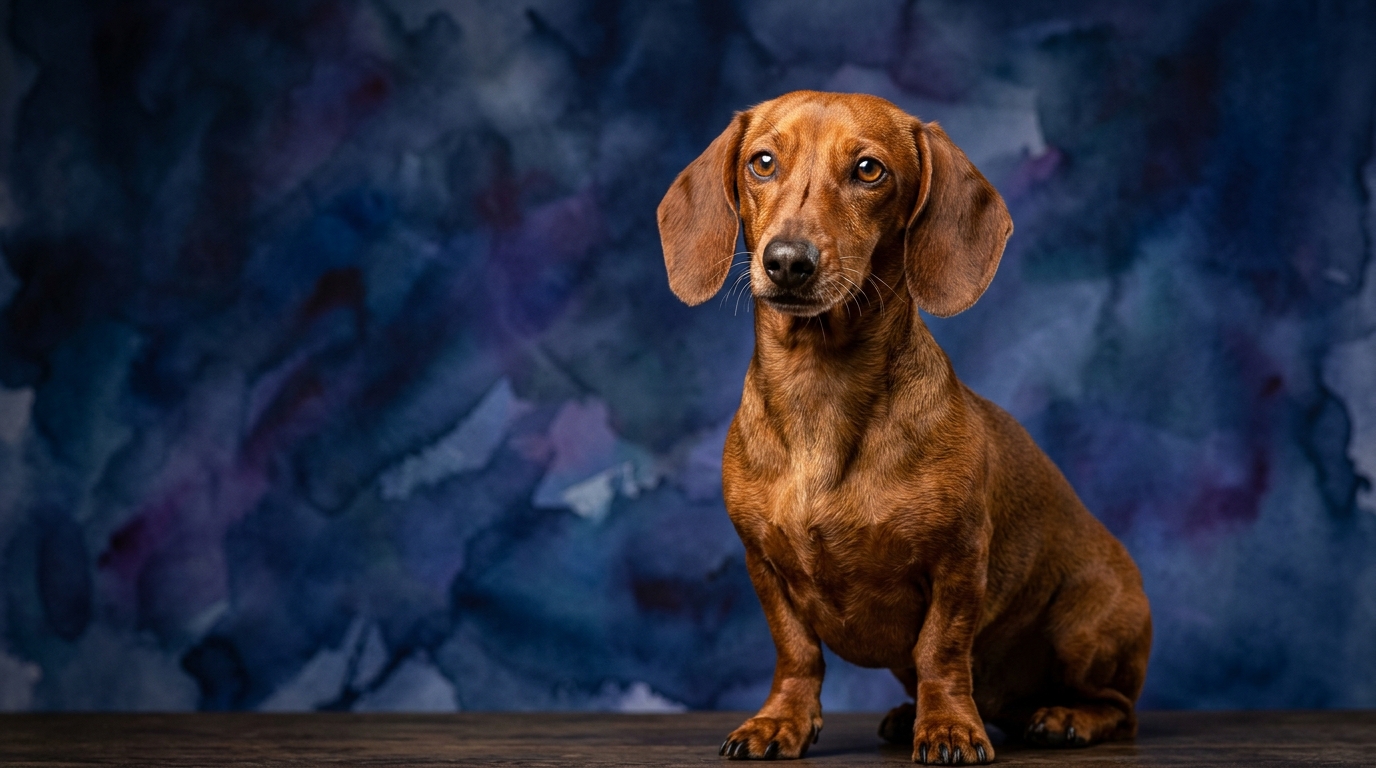
At The Cosmic Pet Pet IQ Lab, we evaluate canine intelligence across five key dimensions, moving beyond simple obedience scores to reveal a breed's true cognitive landscape. For the Dachshund, ranked #49 by Coren, its profile speaks to an independent and driven mind. Its Problem Solving scores a robust 4/5, indicating a strong capacity for figuring out complex environmental challenges autonomously, a trait honed by its badger-hunting heritage. Training Speed, however, registers at 2/5, suggesting a more deliberate learning pace often influenced by its independent nature. Social Intelligence is a moderate 3/5, meaning they form strong bonds but might not always be the most attuned to subtle human cues. A standout 5/5 in Instinctive Drive highlights their profound connection to scenting, digging, and chasing, often overriding other impulses. Finally, Memory sits at an average 3/5, allowing for recall of experiences and learned behaviors.
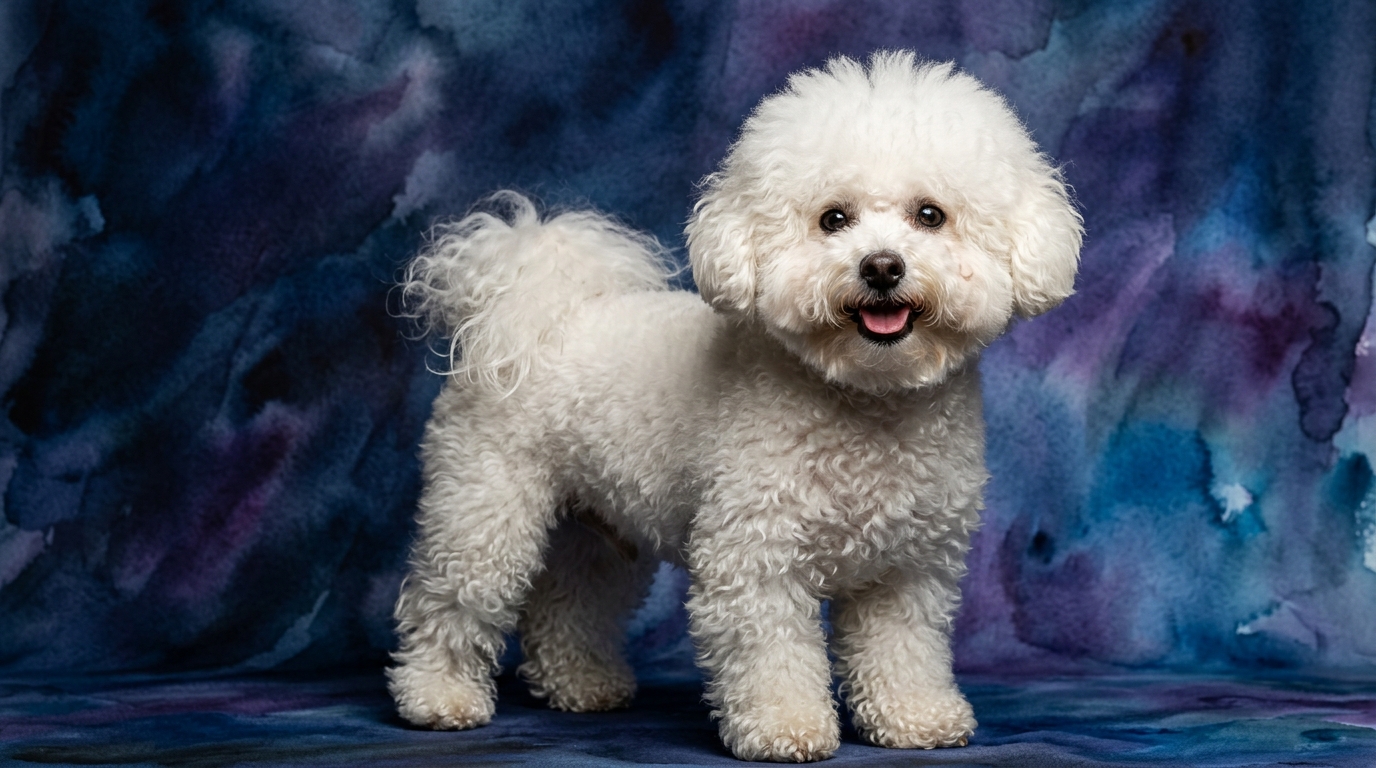
The Bichon Frisé, with a Coren rank of #45, presents a contrasting cognitive blueprint, emphasizing social acumen and adaptability. Their Problem Solving is a 3/5, showing a moderate ability to navigate novel situations, often preferring to involve their human companions in the process. Training Speed is an average 3/5, indicating a willingness to learn that benefits from their eagerness to please. Where the Bichon truly shines is in Social Intelligence, earning a perfect 5/5 for their exceptional ability to read and respond to human emotions and social dynamics. Instinctive Drive is a low 2/5, reflecting their primary motivation for companionship over independent tasks like hunting or digging. Their Memory, like the Dachshund’s, is an average 3/5, enabling them to retain routines and social interactions effectively.
Where the Dachshund Wins Cognitively
The Dachshund's cognitive strengths distinctly shine in areas demanding independent strategic thinking and unwavering focus on a goal. Their impressive 4/5 in Problem Solving means they are exceptionally adept at navigating complex physical environments and figuring out how to overcome obstacles to achieve a desired outcome. This isn't about following a human's command; it's about an innate drive to assess a situation—like a closed door or a hidden treat—and devise a method to conquer it, often involving tunneling, pushing, or persistent exploration. This tenacity stems directly from their historical role where finding prey underground required self-reliance and spatial reasoning, demanding a dog that could think for itself in challenging, confined spaces.
Coupled with their perfect 5/5 in Instinctive Drive, Dachshunds demonstrate a profound cognitive commitment to their primary senses. A compelling scent trail, for instance, triggers a powerful internal command that overrides many other stimuli. This isn't merely a physical act; it's a cognitive process of tracking, interpreting, and prioritizing sensory information, showcasing a specialized form of intelligence geared towards focused, persistent pursuit. Owners frequently observe this when a Dachshund meticulously follows an invisible trail across a park, completely absorbed in the cognitive challenge of scent discrimination and tracking, demonstrating a single-minded determination that few breeds can match.
Where the Bichon Frisé Wins Cognitively
The Bichon Frisé's cognitive prowess is overwhelmingly centered on social understanding and emotional attunement, evidenced by their 5/5 in Social Intelligence. They possess an exceptional ability to interpret human body language, facial expressions, and vocal intonations, allowing them to anticipate needs and respond with remarkable empathy. This isn't just about reading a basic 'sit' command; it's about understanding the nuances of a sigh, a smile, or a stressed posture, and often adapting their own behavior to match or alleviate the human mood. They are masters of social mirroring and emotional regulation within the family unit, making them incredibly intuitive companions.
This profound social cognition allows them to excel in collaborative tasks and routines, making them highly responsive companions. For instance, a Bichon might learn a complex multi-step routine that involves fetching specific items based on a human's verbal cues and gestures, not out of an innate drive to retrieve, but from a deep desire to engage and please their person. Their cognitive strength lies in their capacity for intricate social processing, enabling them to navigate the complex world of human relationships with remarkable finesse and to be truly 'in tune' with their owners, offering comfort or entertainment precisely when it's needed most.
Which is Easier to Train and Why
When considering ease of training, the Bichon Frisé generally presents a more straightforward experience than the Dachshund. The Bichon's 3/5 Training Speed is bolstered significantly by their exceptional 5/5 Social Intelligence and low (2/5) Instinctive Drive. They are intrinsically motivated by human interaction and praise, making them eager students who quickly connect commands with positive reinforcement. Their desire to please their owner means they are often focused on the task at hand, less distracted by environmental stimuli, and more inclined to repeat behaviors that earn them approval. Real behavioral differences include a Bichon quickly offering a paw or sitting upon a gentle request, often anticipating the command due to their social attunement and desire for positive interaction.
In contrast, the Dachshund's 2/5 Training Speed, coupled with their high (5/5) Instinctive Drive and independent (4/5) Problem Solving, makes training a more nuanced endeavor. A Dachshund might understand a command perfectly but choose not to comply if a compelling scent or digging opportunity presents itself. Their independent streak means they evaluate the 'worth' of obeying in that moment, rather than defaulting to compliance. For example, a Dachshund might ignore a 'come' command if they are intensely focused on tracking a squirrel, demonstrating their deep-seated drive overriding learned behavior. Successful Dachshund training requires immense patience, consistency, and strategies that make training more rewarding than their inherent drives, often through game-based learning that taps into their problem-solving nature.
Suitability for Active vs. Relaxed Owners
For active owners who enjoy engaging with a dog's natural drives and independent spirit, the Dachshund is often a compelling match. Despite their small stature, their high instinctive drive means they thrive on activities that stimulate their senses and allow them to 'work.' This includes scent work, earth dog trials, long exploratory walks where they can follow intriguing smells, or puzzle toys that challenge their problem-solving abilities. An active owner for a Dachshund isn't necessarily running marathons, but rather someone who appreciates and can channel their dog's tenacious curiosity and need for mental engagement, understanding that their intelligence requires purposeful outlets.
Conversely, the Bichon Frisé is an ideal companion for more relaxed owners. Their low instinctive drive and exceptional social intelligence mean their primary need is companionship and close interaction with their human family. They are content with gentle daily walks, indoor play, and simply being near their people. Their fulfillment comes from social connection and being an integrated part of the household, rather than from intense physical exertion or independent tasks. They are perfectly happy to curl up on the couch, offering comfort and enjoying quiet time with their owners, making them a delightful presence in a calmer home environment.
The Verdict
If you value a dog with a robust independent streak, a keen mind for solving environmental puzzles, and a powerful instinctual drive, and are prepared for consistent, patient training, the Dachshund might be your match.
Opt for a Bichon Frisé if you seek a highly socially attuned companion who thrives on close interaction, quickly learns routines through positive reinforcement, and offers deep emotional connection without needing intense physical activity.
🧠 Find Your Pet's IQ Score
Our Pet IQ Lab assessment covers 25+ tests across 5 cognitive dimensions — personalized to your breed.
Take the Full IQ Test →Frequently Asked Questions
Are Dachshunds stubborn or just independent?
Dachshunds often appear stubborn due to their strong independent problem-solving skills and high instinctive drive. They process information and decide if a command aligns with their current motivations, rather than simply failing to understand it, requiring patience and creative motivation from their owners.
How does a Bichon Frisé's social intelligence manifest daily?
A Bichon Frisé's high social intelligence means they are exceptionally good at reading human moods, offering comfort when you're down, and adapting their playful energy to suit the household's vibe. They often anticipate your needs, like bringing a toy when you're ready to play or settling quietly when you're busy.
Does Coren rank tell the whole story of a dog's intelligence?
No, Coren rank primarily assesses 'working and obedience intelligence' or training ability, which is only one facet of a dog's overall cognitive profile. Breeds with lower ranks can still possess high problem-solving skills, social intelligence, or instinctive drives that are not captured by obedience-focused metrics.