
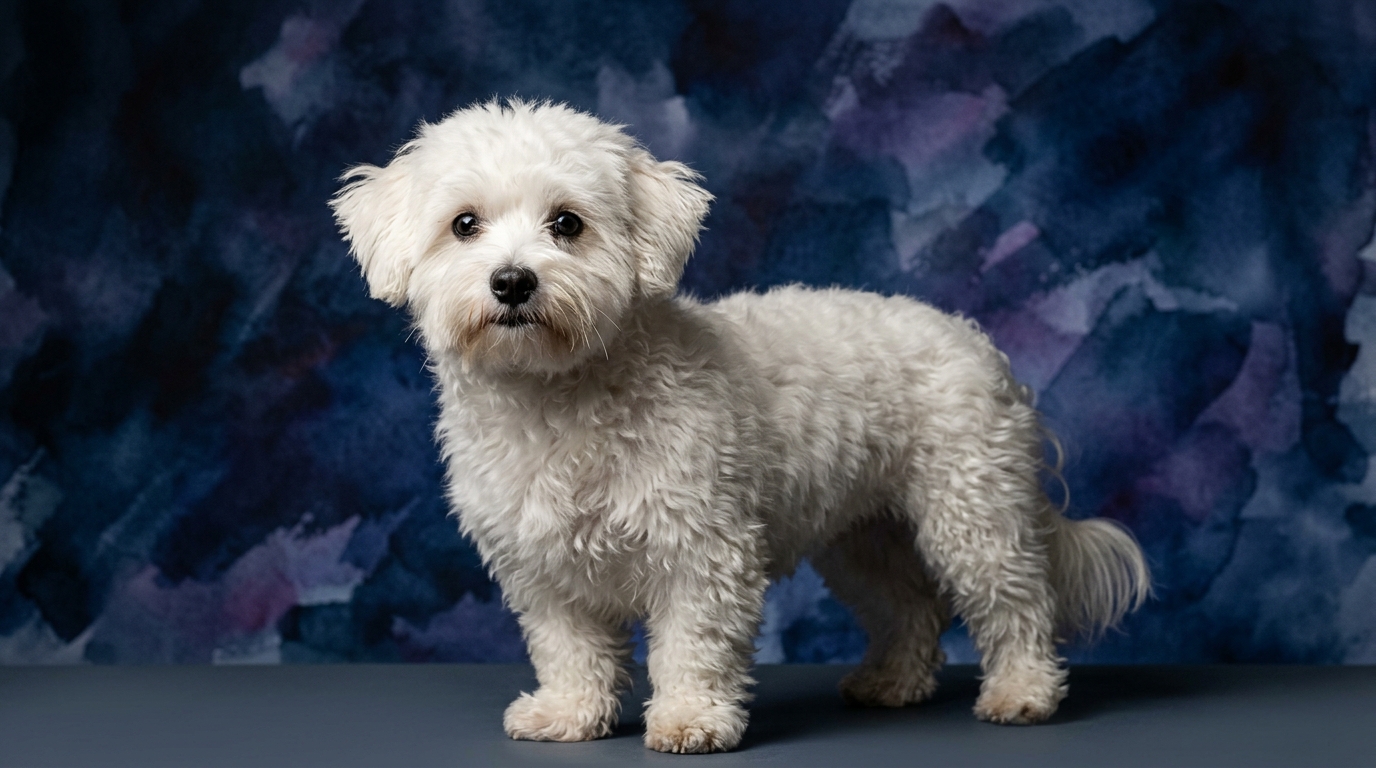
Side-by-Side Cognitive Profiles: Earth Dog vs. Companion
The Cosmic Pet Pet IQ Lab provides a nuanced framework for understanding canine cognition, breaking down intelligence into five core dimensions. For the Dachshund, a Hound group member with a Coren rank of #49, their profile paints a picture of a dog built for specific, independent work. Their Problem Solving is rated at an impressive 4/5, reflecting their historical role in independently flushing badgers from their dens, requiring quick thinking and navigational prowess in confined spaces. Training Speed, however, registers at a more challenging 2/5, indicative of a breed that values its own agenda and requires consistent, patient guidance. Social Intelligence stands at 3/5, meaning they form strong bonds with their immediate family but can be reserved or even wary of strangers, a trait stemming from their self-reliant hunting past. Their Instinctive Drive is a commanding 5/5, a testament to their powerful prey drive, scenting abilities, and unwavering determination to pursue. Memory, at 3/5, suggests they retain important routines and associations, but perhaps not complex, multi-step sequences without reinforcement.
In contrast, the Coton de Tuléar, a Non-Sporting breed not listed on Coren's ranking, presents a more balanced and generally amiable cognitive blueprint. Their Problem Solving capacity is a solid 3/5, indicating an ability to navigate everyday challenges and learn from experience, though perhaps without the intense strategic depth of a working terrier or hound. Training Speed is rated 3/5, suggesting a moderate willingness to learn and respond to cues, making them generally receptive to positive reinforcement methods. Social Intelligence also scores a 3/5, highlighting their adaptability and capacity to form strong, affectionate bonds with their human companions, often thriving in social environments. Their Instinctive Drive is a moderate 3/5, meaning while they enjoy play and exploration, they typically lack the intense prey drive or single-minded focus seen in breeds bred for specific hunting tasks. Memory, like the Dachshund, is rated 3/5, reflecting a capacity to remember learned behaviors, faces, and routines, contributing to their reputation as adaptable housemates.
Where the Dachshund Excels Cognitively
The Dachshund's cognitive strengths are deeply rooted in their original purpose: hunting. Their Problem Solving score of 4/5 is a clear indicator of their exceptional ability to navigate complex situations independently. This isn't about solving abstract puzzles; it's about practical, goal-oriented resourcefulness. A Dachshund can brilliantly figure out how to access a coveted toy hidden under furniture, tunnel under a fence to explore a compelling scent, or devise a strategy to get attention when ignored. This manifests as a tenacious persistence in achieving their objectives, often surprising owners with their cleverness in overcoming obstacles. Coupled with their unmatched Instinctive Drive (5/5), this means a Dachshund excels at tasks that engage their natural hunting behaviors, such as advanced scent work or earthdog trials, where their drive to follow a trail and 'dig' is not just physical but a profound cognitive engagement. They demonstrate remarkable focus when their instincts are piqued, showing a specialized form of intelligence geared towards detection and pursuit.
Where the Coton de Tuléar Shines Cognitively
The Coton de Tuléar's cognitive advantages lie in their adaptability and balanced temperament, making them particularly adept at integrating into diverse family lives. While their individual scores might not reach the Dachshund's peak in specific areas, their overall profile of 3/5 across most dimensions signifies a well-rounded and accommodating intelligence. Their Training Speed (3/5) is notably higher than the Dachshund's, indicating a greater eagerness to please and a quicker grasp of obedience commands and tricks when motivated by positive reinforcement. This responsiveness translates into a more straightforward training experience for many owners. Furthermore, their Social Intelligence (3/5) combined with their moderate Instinctive Drive allows them to be highly attuned to human emotions and social cues without being excessively distracted by external stimuli like scents or perceived prey. This makes them excellent emotional support animals and companions, capable of understanding and responding to subtle changes in their human's mood, a nuanced form of social cognition that fosters deep companionship.
Training Dynamics: A Study in Cooperation vs. Conviction
When it comes to training, the core difference between these two breeds lies in their approach to cooperation. The Coton de Tuléar, with its 3/5 Training Speed, generally exhibits a higher willingness to engage with an owner's directives. They often thrive on praise and positive reinforcement, viewing training as a collaborative activity that strengthens their bond with their human. This responsiveness makes them a more forgiving student for novel commands and house manners, tending to pick up new behaviors with relative ease and consistency. Conversely, the Dachshund's 2/5 Training Speed presents a different challenge. Their independent nature and formidable instinctive drive mean they often prioritize their own investigations or desires over human commands, particularly if an enticing scent or 'prey' is involved. Training a Dachshund requires immense patience, creativity, and a deep understanding of their innate motivations. Owners must work to make training more rewarding than their inherent distractions, often needing to employ high-value treats and engage in shorter, more frequent sessions to maintain focus against their strong-willed disposition. Their 'stubbornness' is less about a lack of understanding and more about a calculated decision to follow their own compelling instincts.
Matching Lifestyles: Active Engagement vs. Adaptable Companionship
The cognitive profiles of the Dachshund and Coton de Tuléar suggest they are best suited for different types of owners and lifestyles. The Dachshund, with its high Problem Solving and intense Instinctive Drive, thrives with owners who are prepared to provide consistent mental stimulation and outlets for their natural behaviors. This means engaging in scent-related games, puzzle toys that challenge their resourcefulness, or even structured activities like earthdog trials or agility courses tailored to their unique build. An 'active owner' for a Dachshund isn't necessarily someone who runs marathons, but rather someone who actively engages their dog's mind and provides structured opportunities for them to 'work' using their strong instincts, preventing boredom and potential destructive behaviors. They require an owner who appreciates their independent spirit and can channel it productively, enjoying the challenge of working with a dog that thinks for itself.
The Coton de Tuléar, with its balanced cognitive scores and moderate drives, is an excellent fit for owners seeking an adaptable and affectionate companion. Their moderate activity needs mean they enjoy daily walks and playtime, but are equally content to relax at home, making them suitable for both moderately active and more relaxed households. Their social intelligence and eagerness to please make them highly adaptable to various living situations, from apartments to larger homes, and they generally integrate well into family life. Owners who appreciate a dog that is responsive, enjoys learning new tricks, and thrives on close companionship will find the Coton de Tuléar a rewarding match. They are less demanding in terms of specific 'work' outlets for intense drives, flourishing instead with consistent social interaction, gentle training, and a loving presence in their daily lives.
The Verdict: When to Choose Each Breed
The Verdict
Choose a Dachshund if you are an owner who appreciates a dog with profound independent problem-solving skills and a powerful instinctive drive, ready to engage their clever mind with specific challenges and consistent, patient training.
Opt for a Coton de Tuléar if you seek a highly adaptable, socially intelligent companion eager to please, thriving on affectionate interaction and moderate activity, making them a cooperative and responsive family member.
🧠 Find Your Pet's IQ Score
Our Pet IQ Lab assessment covers 25+ tests across 5 cognitive dimensions — personalized to your breed.
Take the Full IQ Test →Frequently Asked Questions
Are Dachshunds difficult to train due to their independent nature?
Dachshunds are often perceived as challenging to train because their strong instinctive drives and independent problem-solving mean they frequently prioritize their own investigations. While they are capable of learning, training requires significant patience, consistency, and making lessons more rewarding than external distractions to channel their tenacious spirit effectively.
Do Coton de Tuléars require significant mental stimulation?
Coton de Tuléars benefit from regular mental stimulation, but their needs are generally moderate compared to breeds with intense working drives. Daily training sessions, puzzle toys, and engaging in interactive play are usually sufficient to keep their adaptable minds active and prevent boredom, contributing to their balanced temperament.
Which breed is generally better suited for first-time dog owners?
For first-time dog owners, the Coton de Tuléar is generally more approachable due to their higher training speed and eagerness to please, making basic obedience and house-training a more straightforward process. The Dachshund's strong will and independent nature might prove more challenging for owners new to canine behavior and training dynamics, requiring a greater commitment to consistent, positive methods.