Side-by-Side IQ Profile
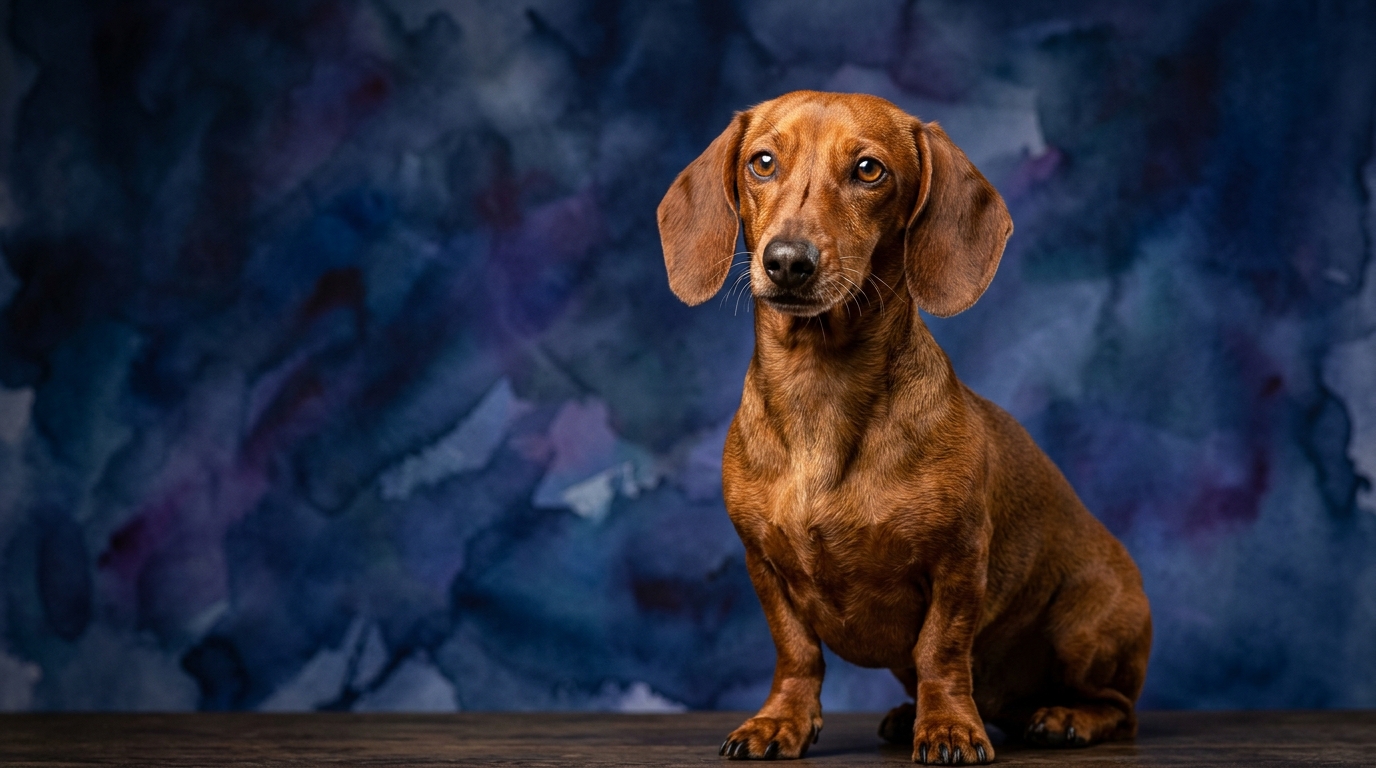
The Dachshund, a member of the Hound group, is ranked #49 in Coren's intelligence scale, placing them in the category of dogs with average working/obedience intelligence. Our Cosmic Pet Pet IQ Lab data reveals a formidable Problem Solving score of 4/5, indicating a strong capacity for independent thought and creative solutions, often employed to achieve their own objectives. Their Training Speed, however, is rated 2/5, suggesting a more deliberate and sometimes challenging approach to formal obedience. Social Intelligence stands at 3/5, reflecting an ability to form bonds but often with a strong independent streak. A remarkable 5/5 in Instinctive Drive highlights their deep-seated hunting heritage, particularly in scent work and burrowing. Memory is rated 3/5, allowing them to recall routines and learned behaviors effectively.
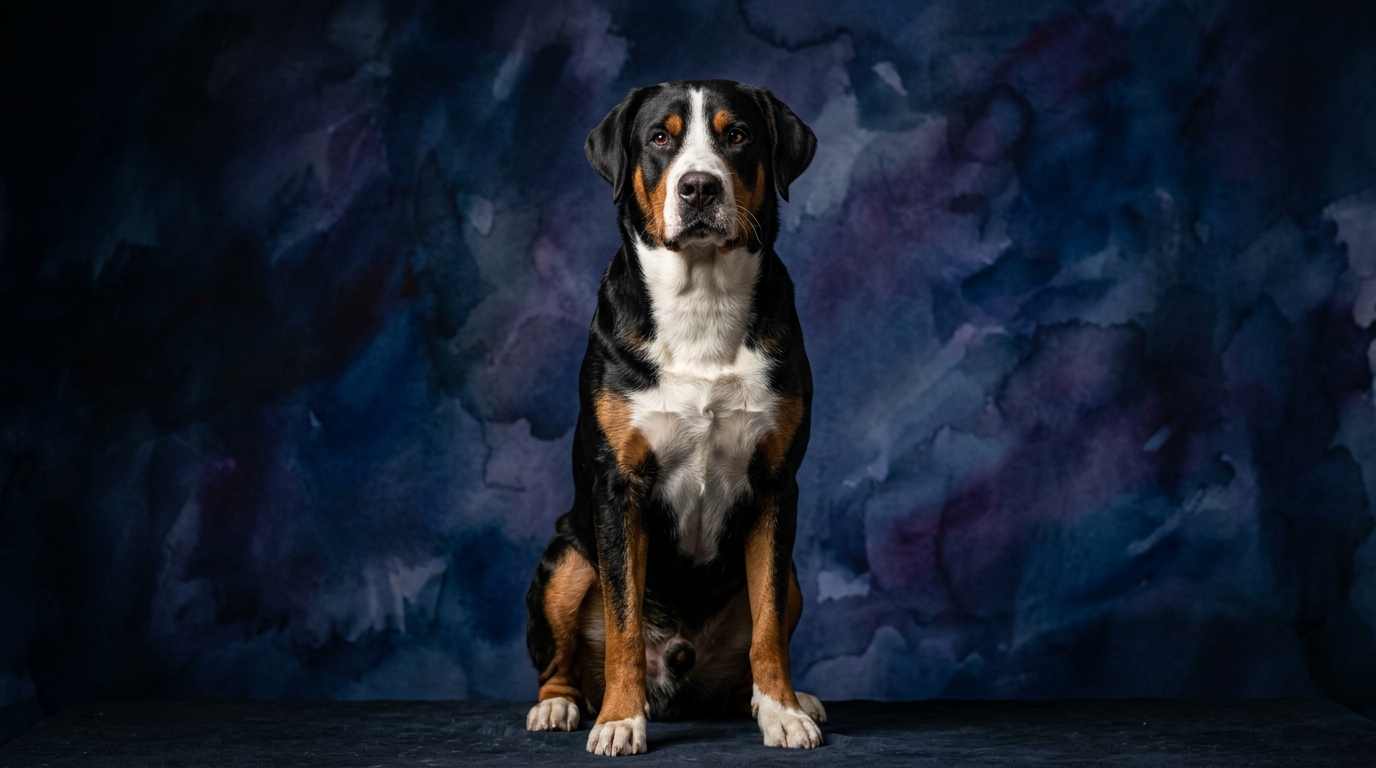
Hailing from the Working group, the Greater Swiss Mountain Dog, while not included in Coren's original ranking, presents a balanced cognitive profile according to our IQ Lab metrics. They score 3/5 in Problem Solving, indicating a practical intelligence focused on tasks but less inclined towards abstract or self-initiated puzzles than the Dachshund. Their Training Speed is a solid 3/5, suggesting a reasonable aptitude for learning and willingness to cooperate, making them generally receptive to instruction. Social Intelligence also registers at 3/5, reflecting their role as companions and guardians who thrive on family interaction. Instinctive Drive is rated 3/5, pointing to a moderate level of inherent working instincts, such as guarding or drafting. Memory, like social intelligence, is 3/5, sufficient for retaining commands and recognizing familiar situations.
Where Dachshund Wins Cognitively
The Dachshund truly shines in its Problem Solving capabilities, scoring a 4/5 compared to the Greater Swiss Mountain Dog's 3/5. This isn't about general "smartness," but a specific type of cognitive prowess. Dachshunds exhibit remarkable ingenuity when faced with obstacles, often finding unconventional ways to achieve a desired outcome, whether tunneling under a fence or manipulating a toy. This stems from their historical role as badger hunters, requiring independent navigation and outwitting prey. Their top-tier Instinctive Drive (5/5 vs. GSMD's 3/5) is another significant cognitive strength. This intense drive translates into unparalleled focus and determination when pursuing a scent or a goal aligned with their innate hunting instincts. While it can make them stubborn in training, it also means they possess incredible mental tenacity for tasks that tap into their natural predispositions, often exhibiting impressive single-mindedness.
Where Greater Swiss Mountain Dog Wins Cognitively
While the Dachshund excels in independent problem-solving and instinctive drive, the Greater Swiss Mountain Dog demonstrates superior capacity in areas fostering cooperation and learning under guidance. Their Training Speed, at 3/5, surpasses the Dachshund's 2/5. This indicates a more amenable and consistent approach to absorbing and executing commands, making them generally more straightforward to teach foundational obedience and complex tasks. This higher training speed is coupled with a balanced Instinctive Drive (3/5), meaning their inherent drives are less likely to override human instruction compared to the Dachshund's intense 5/5 drive. Furthermore, the GSMD's overall cognitive balance, combined with their working dog heritage, positions them to excel in tasks requiring consistent attention to a handler and steady application of learned behaviors, without the frequent independent detours a Dachshund might take.
Which is Easier to Train and Why
Based on our Cosmic Pet Pet IQ Lab data, the Greater Swiss Mountain Dog is generally easier to train than the Dachshund. The GSMD's Training Speed of 3/5 indicates a more receptive and consistent learner compared to the Dachshund's 2/5. This difference is largely attributable to their divergent historical roles and corresponding behavioral tendencies. Greater Swiss Mountain Dogs, bred as all-around farm dogs, needed to be biddable and responsive to handlers for tasks like drafting carts and guarding. This bred a disposition valuing cooperation and attention to human cues, leading to a smoother training experience. In contrast, the Dachshund's profound Instinctive Drive (5/5) for hunting, combined with their lower Training Speed (2/5), means they are often more focused on their own independent pursuits, like following a scent, than on human directives. While capable of learning, their inherent stubbornness often makes training require immense patience, consistency, and creative motivation.
Which Suits Active Owners vs Relaxed Owners
Understanding the cognitive and inherent drives of these breeds helps determine their suitability for different lifestyles. The Dachshund, despite its small stature, often suits owners active in a specific, focused way. Their 5/5 Instinctive Drive for hunting means they require outlets for mental and physical engagement that tap into these instincts, such as scent work or earth dog trials. Their 4/5 Problem Solving skill means they need mental enrichment to prevent boredom; a relaxed owner might find their Dachshund inventing inconvenient "problems" to solve. Conversely, the Greater Swiss Mountain Dog's balanced 3/5 Instinctive Drive and 3/5 Problem Solving makes them adaptable to a wider range of active owners. They enjoy hiking, carting, and other physical activities, but are less driven by an overwhelming urge to hunt or explore than the Dachshund. They also possess a notable "off switch" and are content to relax with family after exercise, suitable for owners who appreciate quiet time.
The Verdict
Choose a Dachshund if you appreciate a dog with remarkable independent problem-solving skills and an intense, unwavering instinctive drive for specific tasks, and are prepared for a challenging but rewarding training journey.
Opt for a Greater Swiss Mountain Dog if you seek a cooperative, balanced companion with a steady training aptitude, capable of diverse working roles and content with family life after appropriate activity.
🧠 Find Your Pet's IQ Score
Our Pet IQ Lab assessment covers 25+ tests across 5 cognitive dimensions — personalized to your breed.
Take the Full IQ Test →Frequently Asked Questions
Are Dachshunds difficult to train due to their intelligence?
Dachshunds possess strong problem-solving skills and an intense instinctive drive, but their training speed is lower. This combination means they can be challenging to train, often prioritizing their own agenda or a compelling scent over human commands, requiring significant patience and consistency.
How does the Greater Swiss Mountain Dog's working background influence its trainability?
The Greater Swiss Mountain Dog's history as an all-around farm dog has fostered a balanced cognitive profile, including a moderate training speed and instinctive drive. This background has instilled a cooperative nature, making them generally more receptive to learning and handler-focused during training sessions.
Which breed requires more mental stimulation, a Dachshund or a Greater Swiss Mountain Dog?
Both breeds benefit from mental stimulation, but the Dachshund's higher problem-solving score and intense instinctive drive mean they often require more creative and consistent mental engagement to prevent boredom and channel their independent nature. The GSMD also needs stimulation, but their drives are less intense.