
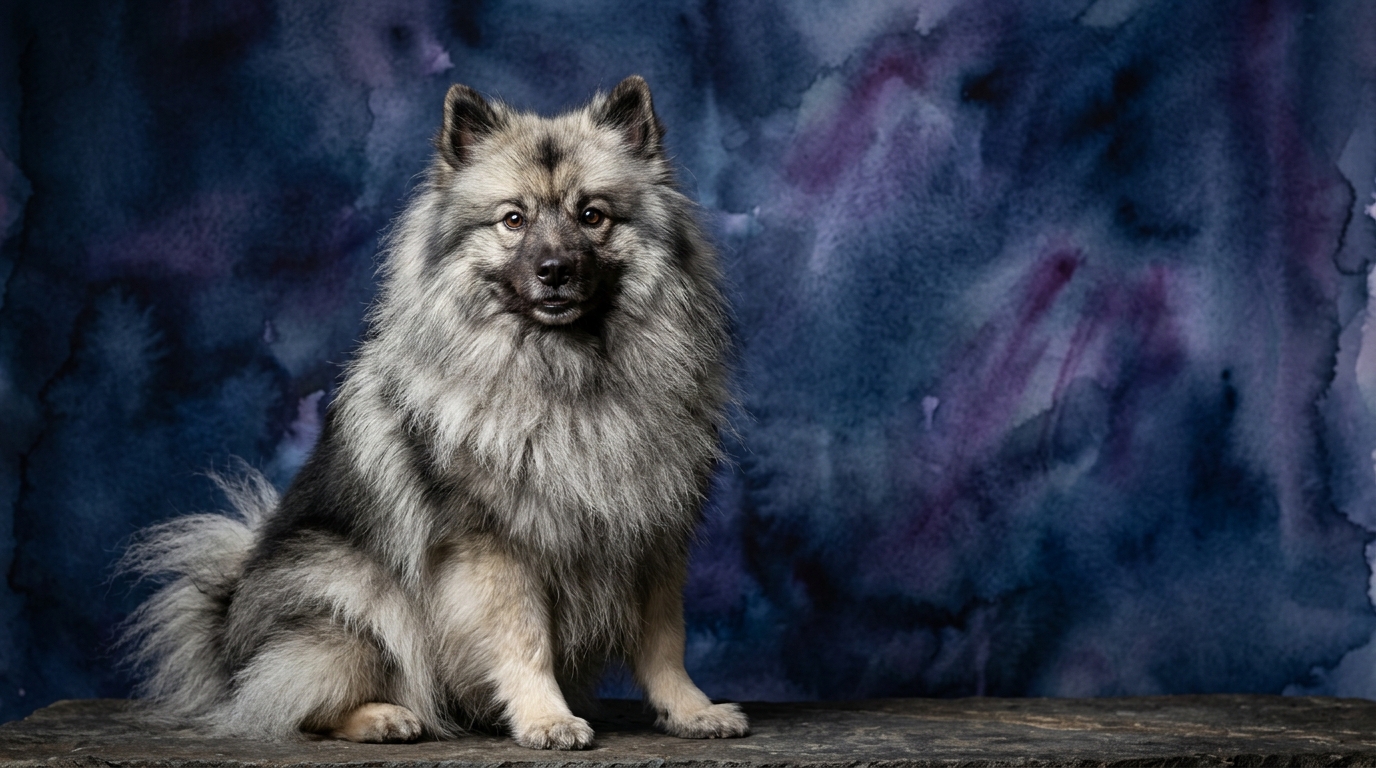
Side-by-Side IQ Profile: Dachshund vs. Keeshond
The Cosmic Pet Pet IQ Lab data provides a granular look at five key cognitive dimensions, painting a clear picture of what makes each breed tick. For the Dachshund, ranked #49 in Coren's hierarchy, their profile reflects their historical purpose as independent hunters. They possess a Problem Solving score of 4/5, indicating a strong capacity for figuring out challenges, often through persistence and ingenuity. Their Training Speed, however, stands at 2/5, suggesting a more deliberate or independent approach to learning commands. Social Intelligence is rated 3/5, meaning they can form strong bonds but might be selective in their wider interactions. A standout feature is their Instinctive Drive, a perfect 5/5, showcasing their deep-seated urges for scent work and tracking. Finally, their Memory is 3/5, capable of retaining specific routines but perhaps not a vast repertoire of commands.
In contrast, the Keeshond, with a notably higher Coren rank of #16, presents a profile of a more cooperative and attentive companion. Their Problem Solving ability matches the Dachshund at 4/5, but often manifests as a cleverness geared towards pleasing their human counterparts rather than purely independent action. Where they truly diverge is in Training Speed, scoring an impressive 4/5, indicating a readiness and eagerness to learn new tasks quickly. Their Social Intelligence is also 3/5, similar to the Dachshund, but often expressed through devotion to their family unit, sometimes with a reserved nature towards strangers. Their Instinctive Drive is a moderate 3/5, reflecting some historical guarding instincts but without the intense prey drive of a hound. The Keeshond's Memory is exceptional, earning a 5/5, allowing them to recall a wide array of commands and routines with remarkable accuracy.
Where the Dachshund Excels Cognitively
The Dachshund's cognitive strengths are deeply rooted in their original function as badger hunters, requiring a specific kind of mental fortitude. Their 4/5 Problem Solving score isn't about rapid obedience, but rather about tenacious, independent thought to overcome obstacles. Imagine a Dachshund navigating a complex underground tunnel system; their cognitive processing allows them to map out routes, identify targets, and persist despite tight spaces and darkness. This involves a spatial awareness and a single-minded focus that is truly remarkable.
Furthermore, their Instinctive Drive, a perfect 5/5, is a cognitive powerhouse. It's not merely a physical urge; it's a profound mental commitment to a task once a scent or target is identified. This drive fuels their persistence, allowing them to ignore distractions and focus intensely on their 'mission.' While it can make training challenging, it's a testament to their specialized cognitive architecture designed for sustained, independent hunting. This focused drive, combined with their problem-solving, means a Dachshund, given a task they deem worthy, will apply significant mental energy to see it through, often without human intervention.
Where the Keeshond Shines Cognitively
The Keeshond's cognitive advantages are centered around their exceptional capacity for learning and retention, making them highly adaptable companions. Their 4/5 Training Speed, coupled with a stellar 5/5 Memory, creates a dog that can absorb and recall an extensive vocabulary of commands and routines. This isn't just rote memorization; it's the ability to associate specific actions with verbal cues and perform them reliably, even after a significant lapse in time. This makes complex trick training, agility, or obedience work a rewarding experience.
Their Problem Solving, also 4/5, often manifests as a cleverness applied within a human-centric context. A Keeshond might figure out how to open a cabinet to retrieve a toy or understand a multi-step request, demonstrating an understanding of cause and effect tied to their desire for interaction and reward. While their Instinctive Drive is moderate (3/5), their cognitive energy is channeled more towards understanding and engaging with their human family, rather than independent pursuit, making them highly responsive to social cues and cooperative learning scenarios.
Training Dynamics: Which Breed is Easier to Shape?
When it comes to ease of training, the Keeshond clearly holds an advantage due to their higher Training Speed (4/5) and superior Memory (5/5). Keeshonds typically possess a strong desire to please their owners and thrive on positive reinforcement. They learn new commands quickly and, crucially, retain that information over the long term, making consistent obedience a more achievable goal. Their moderate instinctive drive means they are generally less prone to being distracted by environmental stimuli like intriguing scents or distant movements, allowing them to maintain focus during training sessions.
The Dachshund, with a Training Speed of 2/5 and a Memory of 3/5, presents a different training challenge. Their strong independent streak and overwhelming Instinctive Drive (5/5) mean they often prioritize their own agenda, particularly when a compelling scent or potential 'prey' is involved. While they are capable of learning, their attention can be fleeting, and consistency is paramount. Training a Dachshund requires immense patience, creative motivation, and a deep understanding of their hound nature. They might understand a command but choose to obey only if it aligns with their immediate interests, or if the reward is sufficiently enticing. This isn't a lack of ability, but a difference in cognitive priorities and inherent motivation.
Matching Breeds to Lifestyles: Active vs. Relaxed Owners
Considering the distinct cognitive profiles, both Dachshunds and Keeshonds require owners who can engage with their specific mental and physical needs, though these needs differ significantly. For owners seeking a companion that thrives on interactive learning and consistent companionship, the Keeshond is a compelling choice. They suit individuals or families who enjoy regular training sessions, puzzle toys, and integrating their dog into daily activities. While they enjoy walks and playtime, their activity needs are moderate; what they truly crave is mental stimulation through engagement with their people. They are not suited for owners who prefer a hands-off approach to training or who are frequently absent.
The Dachshund, conversely, might appeal to owners who appreciate a dog with a strong, independent spirit and a formidable drive. While their physical exercise needs are moderate, their mental needs for scent work and 'purposeful' activity are high. They suit owners who are patient, consistent, and willing to embrace their dog's tenacious personality, perhaps even channeling their instinctive drive into activities like earthdog trials or scent work. A 'relaxed' owner who expects immediate, unwavering obedience might find a Dachshund challenging. Instead, they thrive with owners who understand and respect their independent problem-solving nature and are prepared for a dog that will always have a mind of its own, even if it's a brilliant one.
The Verdict
Choose the Dachshund if you appreciate a dog with strong independent problem-solving skills and a deep, specialized instinctive drive, and are prepared for a consistent, patient training approach.
Opt for the Keeshond if you desire a highly trainable companion with excellent memory and a strong desire to cooperate, thriving on interactive learning and consistent social engagement.
🧠 Find Your Pet's IQ Score
Our Pet IQ Lab assessment covers 25+ tests across 5 cognitive dimensions — personalized to your breed.
Take the Full IQ Test →Frequently Asked Questions
Do Dachshunds and Keeshonds have similar problem-solving abilities?
Both breeds score 4/5 in Problem Solving, indicating good cognitive capacity for figuring things out. However, the Dachshund's problem-solving is often more independent and driven by instinct, while the Keeshond's is often more cooperative and aims to please its owner, sometimes within a structured learning context.
Which breed is better for first-time dog owners?
For first-time dog owners, the Keeshond's higher training speed (4/5) and exceptional memory (5/5) generally make them an easier and more forgiving breed to train and live with. Dachshunds require more experience due to their independent nature and strong instinctive drive, which can be challenging to manage without consistent effort.
How do their social intelligence scores of 3/5 manifest differently?
While both score 3/5, the Dachshund's social intelligence often manifests as a strong bond with a select few, sometimes being reserved or aloof with strangers. The Keeshond's 3/5 social intelligence typically means they are deeply devoted to their family but can also be reserved or watchful with new people, often requiring slow introductions to warm up.