Side-by-Side Cognitive Profiles
To understand the unique mental makeup of the Dachshund and the Norwegian Buhund, The Cosmic Pet Pet IQ Lab employs a five-dimensional cognitive framework. This allows us to move beyond generic descriptors and evaluate specific facets of their intellect, shaped profoundly by their ancestral tasks and breed development.
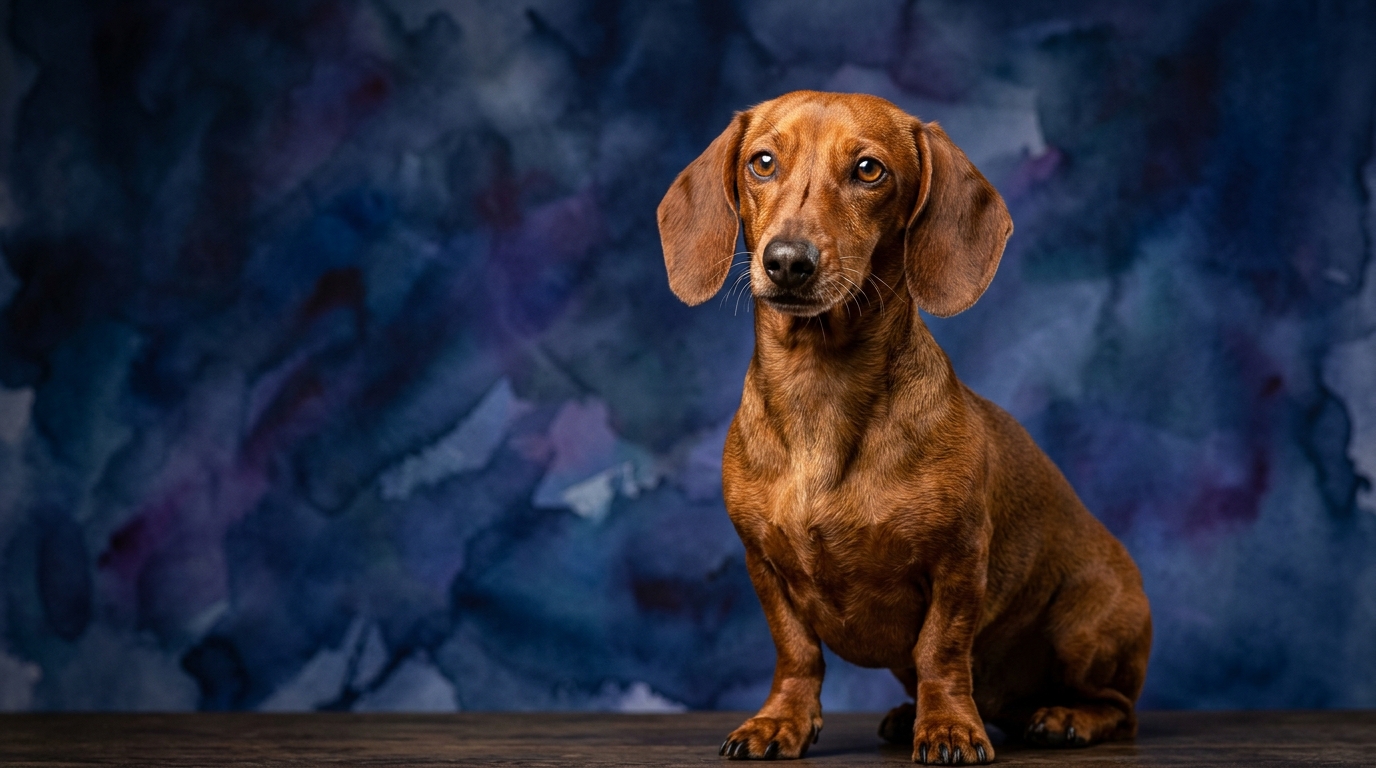
The Dachshund, a Hound breed ranked #49 by Coren, presents a profile marked by intense focus and independent drive. Their Problem Solving is rated 4/5, reflecting their historical need to independently navigate complex underground tunnels to flush out badgers. Training Speed for a Dachshund stands at 2/5; while capable, their strong will often means they learn on their own terms. Social Intelligence is 3/5, indicating a deep bond with their immediate family but often a reserved or wary disposition towards outsiders. Their Instinctive Drive is a formidable 5/5, a relentless urge to track, dig, and pursue that defines much of their cognitive approach. Memory is a functional 3/5, sufficient for routines and commands relevant to their drives.
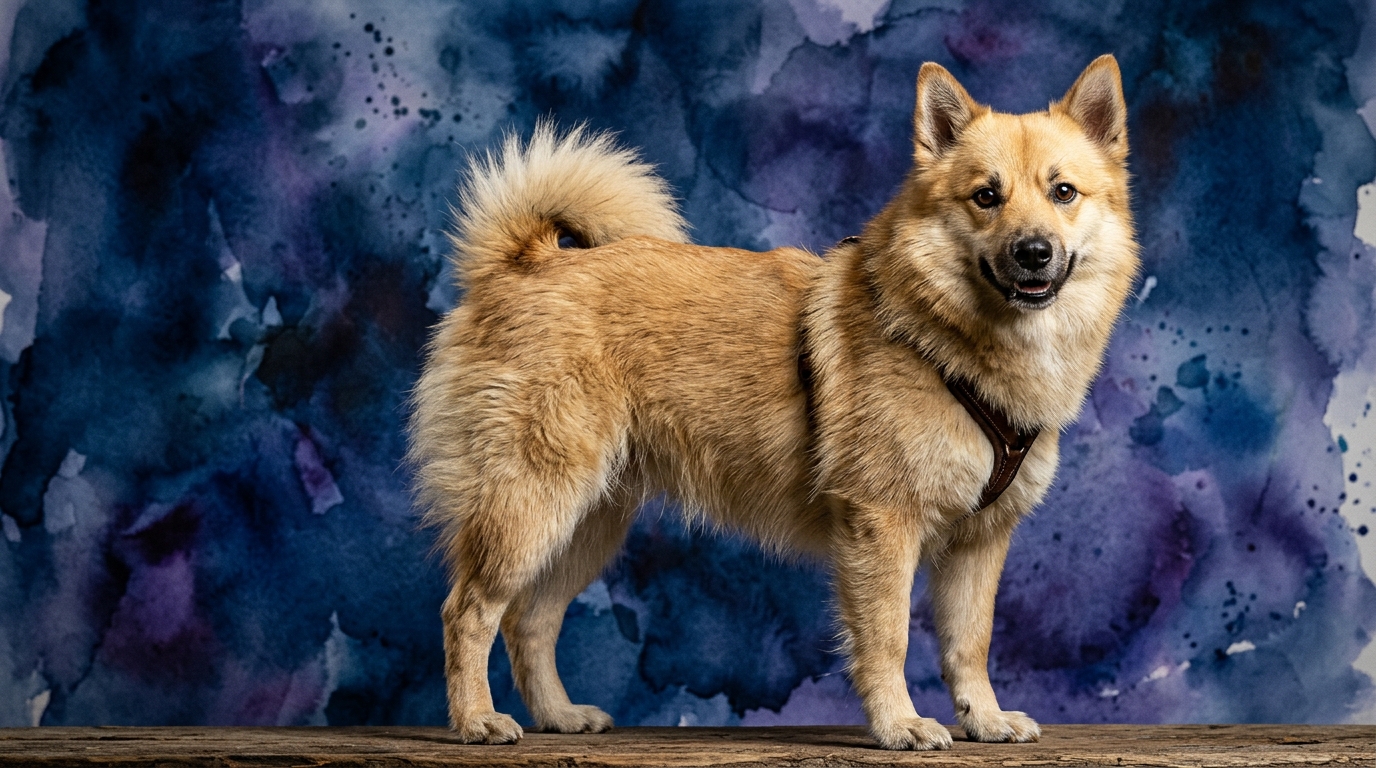
The Norwegian Buhund, a Herding breed not typically found on Coren's rankings, offers a more balanced cognitive spread, indicative of a partner bred for real-time collaboration. Their Problem Solving is 3/5, demonstrating an ability to make quick, practical decisions in dynamic herding scenarios. Training Speed is 3/5, reflecting a good capacity for learning new commands and a willingness to work alongside their handler. Social Intelligence is also 3/5, showing a generally friendly and attentive nature towards their human family and often strangers. Instinctive Drive, at 3/5, manifests as a strong herding tendency and a watchful guarding instinct, but it’s generally more manageable than the Dachshund’s prey drive. Their Memory is a solid 3/5, crucial for retaining herding patterns and family routines.
Where the Dachshund Excels Cognitively
Dachshunds truly excel in goal-oriented tenacity and independent problem-solving, particularly when driven by their powerful instincts. Their 4/5 problem-solving score, fueled by an undeniable 5/5 instinctive drive, means they are incredibly determined when a specific objective, such as locating a hidden toy or digging a tunnel, activates their deep-seated urges. They do not require constant human direction to pursue a goal; instead, they will often devise their own methods to achieve it, demonstrating surprising ingenuity and persistence. This makes them formidable in tasks requiring self-reliance and single-minded focus, such as scent work or navigating complex physical spaces to reach a target, often outwitting simple barriers with sheer will.
Where the Norwegian Buhund Shines Cognitively
The Norwegian Buhund shines in adaptability and cooperative learning within a dynamic environment. While their problem-solving is rated 3/5, this ability, combined with a 3/5 training speed and social intelligence, points to a balanced cognitive profile perfectly suited for real-time decision-making in partnership with a human. They are quicker to grasp new concepts and cues presented by a handler, and their social attunement allows them to interpret and respond to human intentions more readily than the independent Dachshund. This makes them particularly adept at activities like agility, obedience, and other dog sports that demand fluid communication, quick adjustments based on human input, and a willingness to collaborate.
Training Dynamics: Which is Easier and Why?
The Norwegian Buhund generally presents an easier training experience due to its balanced cognitive profile. Their 3/5 training speed indicates a willingness to learn and an aptitude for absorbing commands, coupled with a 3/5 social intelligence that makes them responsive to human cues and eager to please their handler. This inherent cooperativeness means they are often more inclined to engage in training sessions and take direction, seeing it as a shared activity. They thrive on positive reinforcement and consistent guidance, quickly building a repertoire of learned behaviors for a communicative partnership.
In contrast, the Dachshund's 2/5 training speed, combined with its formidable 5/5 instinctive drive and independent problem-solving, means training often becomes a negotiation. While they are certainly capable of learning, their powerful internal motivations can override a desire to comply, especially if a command conflicts with their innate drives to track, dig, or explore independently. Training a Dachshund requires exceptional patience, creativity, and a deep understanding of their unique motivations to channel their strong will effectively. Owners must make training highly rewarding and relevant to the Dachshund’s interests, often incorporating scent work or digging games to engage their primary drives.
Matching Breeds to Lifestyles: Active vs. Relaxed Owners
For active owners who relish engaging in dog sports, extended hiking, or sustained outdoor adventures, the Norwegian Buhund is often a more natural fit. Their herding background imbues them with good stamina, a desire for purposeful activity, and a cooperative spirit that thrives on shared endeavors like agility, obedience, or even farm work. They need consistent mental and physical stimulation to prevent boredom and will happily join their humans for long walks or runs, maintaining a steady pace and focus. Their eagerness to please makes them excellent partners for owners who enjoy structured activities and a dog that consistently looks to them for direction.
Conversely, for owners who appreciate a dog with a strong personality but can offer a more measured activity level, the Dachshund can be a good companion. While they absolutely benefit from regular walks and opportunities to explore with their incredibly sensitive noses, their activity needs are often more focused on bursts of exploration, digging, and scent tracking rather than sustained endurance. Relaxed owners must, however, be prepared for their independent and sometimes stubborn nature, ensuring their environment is secure and their cognitive needs are met through engaging scent games, puzzle toys, and supervised digging opportunities, rather than expecting a perpetually calm lapdog. They are content with shorter, frequent outings that allow for ample sniffing.
The Verdict
Opt for a Dachshund if you appreciate a dog with formidable independent problem-solving skills, a tenacious spirit, and a deep, focused bond with its immediate family, and you are prepared to manage a powerful instinctive drive with patience and creative engagement.
Select a Norwegian Buhund if you seek a cooperative, adaptable companion eager to learn and participate in shared activities, thriving on consistent mental and physical challenges alongside an engaged owner who enjoys a communicative partnership.
🧠 Find Your Pet's IQ Score
Our Pet IQ Lab assessment covers 25+ tests across 5 cognitive dimensions — personalized to your breed.
Take the Full IQ Test →Frequently Asked Questions
Are Dachshunds stubborn during training?
Yes, Dachshunds can exhibit a strong independent streak during training, largely due to their powerful instinctive drive (5/5). They are capable of learning but often prioritize their own motivations, requiring consistent, patient, and highly motivating training methods that appeal to their natural instincts.
Do Norwegian Buhunds need a lot of exercise?
Norwegian Buhunds, as a herding breed, do require a moderate to high amount of physical and mental exercise daily. Regular walks, playtime, and engaging activities like agility or obedience training are crucial to keep them content and prevent boredom, channeling their energy constructively.
Which breed is better with children?
Both breeds can be good with children, but their approaches differ. Norwegian Buhunds are generally known for being friendly and tolerant, often enjoying playful interaction, while Dachshunds can be devoted but may prefer older, more respectful children due to their sometimes sensitive nature and strong boundaries; supervision is always recommended with either breed.