Side-by-side IQ profile
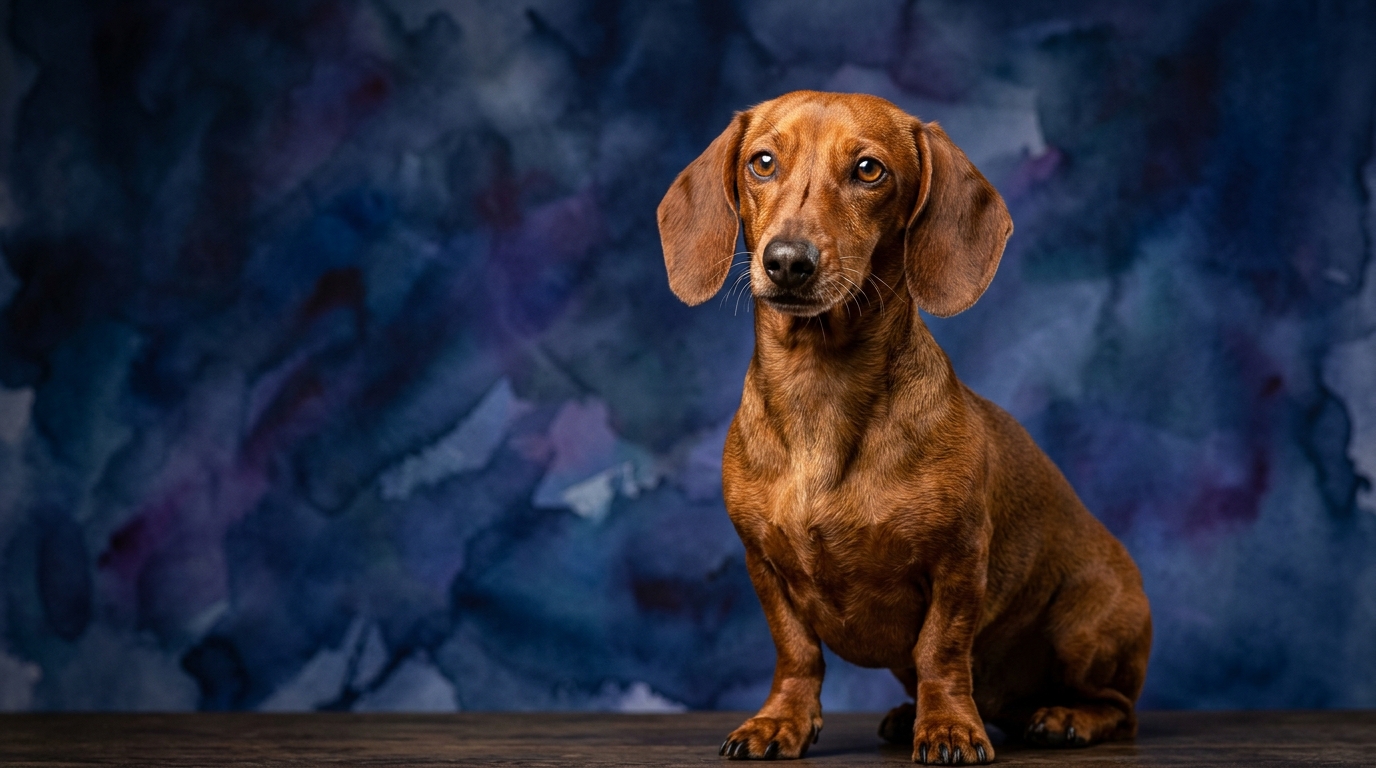
The Dachshund, a small but mighty hound, registers a notable 4/5 in Problem Solving, indicating a creative and often cunning approach to navigating their world or achieving their goals. Their Training Speed, however, sits at a challenging 2/5, reflecting a strong independent streak and a selective ear when commands conflict with their immediate desires. Social Intelligence is a moderate 3/5, suggesting they can read cues but often prioritize their own agenda. Where they truly excel is in Instinctive Drive, scoring a perfect 5/5, a testament to their unwavering determination and historical purpose as badger hunters. Their Memory is a solid 3/5, allowing them to recall past experiences and learned associations effectively. Ranked #49 by Coren, they present a unique blend of sharp wit and tenacious self-will.
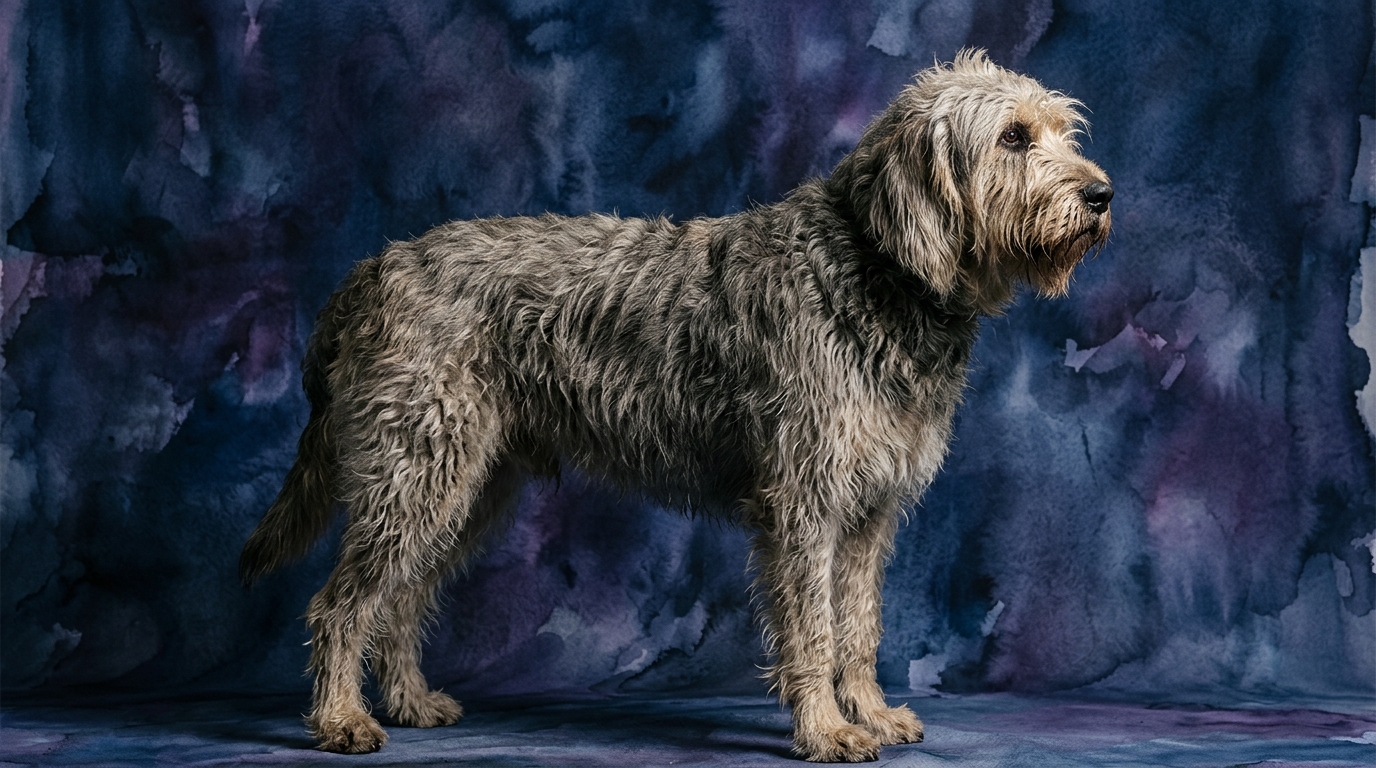
The Otterhound, a large and shaggy scent hound, shows a balanced cognitive profile, with Problem Solving at 3/5, indicating a respectable ability to figure things out, though perhaps less inventively than a Dachshund. Their Training Speed is a cooperative 3/5, suggesting a more amenable disposition to learning and taking direction. Social Intelligence also stands at 3/5, reflecting a generally friendly and adaptable nature in interactions. Their Instinctive Drive is a moderate 3/5; while they possess a strong nose and a drive to follow scent, it's less singularly focused or intense compared to the Dachshund's specialized drive. Memory is also a consistent 3/5, enabling them to retain information and routines. Lacking a Coren ranking, the Otterhound's profile suggests a generally well-rounded and less extreme cognitive makeup.
Where Dachshund wins cognitively
The Dachshund's cognitive profile showcases two distinct advantages over the Otterhound. First, their Problem Solving score of 4/5 significantly outpaces the Otterhound's 3/5. This means a Dachshund is more likely to independently devise strategies to overcome obstacles, whether it's figuring out how to reach a forbidden treat on a counter, tunneling under a fence, or manipulating situations to their benefit. Owners will observe a Dachshund's inventive persistence in pursuit of a goal, often requiring them to be several steps ahead of their clever companion. Second, the Dachshund's Instinctive Drive is a perfect 5/5, far exceeding the Otterhound's 3/5. This isn't just about a strong nose; it's an all-consuming determination to follow a scent or pursue a perceived prey, reflecting their heritage as tenacious hunters. This drive makes them exceptionally focused and tireless when engaged in scent work or earthdog trials, demonstrating a singular purpose that few breeds can match.
Where Otterhound wins cognitively
The Otterhound, while not exhibiting the same extreme cognitive peaks as the Dachshund, clearly surpasses its smaller counterpart in one crucial area: Training Speed, scoring 3/5 compared to the Dachshund's 2/5. This higher score indicates that Otterhounds generally process new commands and associate actions with consequences more readily, and crucially, are often more willing to comply. Their temperament leans towards being more biddable and less prone to the independent stubbornness that can characterize the Dachshund. This isn't to say they are automatons, but their willingness to engage with an owner's requests and learn new behaviors is more consistent and less influenced by their own immediate desires. This translates to a smoother, less frustrating training experience, particularly for owners seeking a dog that responds reliably to cues. While their problem-solving and instinctive drive are moderate, this balanced approach can be a win for an owner seeking a less demanding and more predictable cognitive partner.
Which is easier to train and why
Based on their respective IQ profiles, the Otterhound is generally easier to train than the Dachshund. The primary reason lies in the Otterhound's Training Speed score of 3/5, which is a full point higher than the Dachshund's 2/5. This difference signifies a more cooperative and less independently-minded learner. Otterhounds tend to be more receptive to instruction, quicker to form associations between commands and actions, and possess a greater intrinsic desire to please their human companions. Their moderate Instinctive Drive (3/5) also plays a role, meaning they are less likely to become singularly fixated on a scent or task to the exclusion of their handler's commands, unlike the Dachshund with its intense 5/5 drive.
Conversely, the Dachshund's low Training Speed (2/5) combined with their exceptional Problem Solving (4/5) and overwhelming Instinctive Drive (5/5) makes them formidable students. They are not unintelligent; rather, they are highly independent thinkers who will weigh a command against their own perceived interests. If a command doesn't align with their strong hunting instincts or their desire to outsmart a situation, they are perfectly capable of “tuning out” or finding an alternative, more appealing course of action. This often manifests as stubbornness or selective hearing, making consistent, patient, and highly motivating training methods essential for success with a Dachshund.
Which suits active owners vs relaxed owners
The choice between a Dachshund and an Otterhound also hinges significantly on an owner's lifestyle regarding activity levels. For the “active owner,” the Otterhound often presents a better match, particularly if “active” implies robust, sustained outdoor engagement. With their larger size, substantial build, and historical role as working scent hounds, Otterhounds require significant daily exercise, including long walks, hikes, or vigorous play sessions to satisfy their physical needs and maintain their moderate instinctive drive. Their balanced cognitive profile, coupled with a more amenable training speed, makes them good companions for structured outdoor activities and adventurous outings, provided their scent-following tendencies are managed.
For owners who might be considered “relaxed” in terms of strenuous physical output but still appreciate mental engagement, the Dachshund can be a suitable fit. While they possess an intense instinctive drive (5/5) that demands outlets, their smaller stature means their physical exercise needs, while regular, are less demanding in terms of sheer endurance or distance compared to an Otterhound. However, their high Problem Solving (4/5) means they require consistent mental stimulation to prevent boredom and destructive behaviors. This could involve puzzle toys, short but engaging training sessions, or opportunities for supervised “hunting” games indoors or in a secure yard. A Dachshund owner might not be hiking miles every day, but they must be prepared to outwit a clever, determined, and often tenacious companion, ensuring their cognitive needs are met through creative engagement rather than just physical exertion.
The Verdict
Choose the Dachshund if you appreciate a clever, independent thinker with an unparalleled instinctive drive, are prepared for consistent, patient training against a strong will, and seek a smaller companion whose mental stimulation needs outweigh their physical endurance demands.
Opt for the Otterhound if you desire a larger, amiable hound that is generally more cooperative in training, thrives on substantial outdoor activity, and offers a balanced cognitive profile without the extreme stubbornness or cunning of its smaller counterpart.
🧠 Find Your Pet's IQ Score
Our Pet IQ Lab assessment covers 25+ tests across 5 cognitive dimensions — personalized to your breed.
Take the Full IQ Test →Frequently Asked Questions
Is a Dachshund's high problem-solving ability always a good thing for owners?
Not always. While it indicates sharp wit, a Dachshund's 4/5 problem-solving often means they'll devise clever ways to get what they want, which might conflict with household rules or owner expectations. This requires owners to be consistent, creative in their training, and proactive in managing their environment to prevent undesirable “solutions.”
Does the Otterhound's lack of a Coren rank mean it's less intelligent than a Dachshund?
Not necessarily. Coren's ranking primarily assesses “working and obedience intelligence,” heavily weighting training speed and compliance. The Otterhound's balanced cognitive profile, including a respectable 3/5 in problem-solving and training speed, suggests a capable and adaptable dog, just one whose primary historical purpose and temperament didn't align with the specific metrics emphasized by Coren.
How does the Dachshund's 5/5 instinctive drive impact daily life compared to the Otterhound's 3/5?
The Dachshund's extreme instinctive drive means an almost unwavering focus on scent or perceived prey, leading to intense digging, tunneling, or bolting if not securely contained or leashed. The Otterhound's moderate drive means they will follow scents with enthusiasm, but are generally more amenable to redirection and less likely to become completely consumed, offering a slightly more manageable experience for owners.