Side-by-Side IQ Profile: Dachshund vs. PBGV
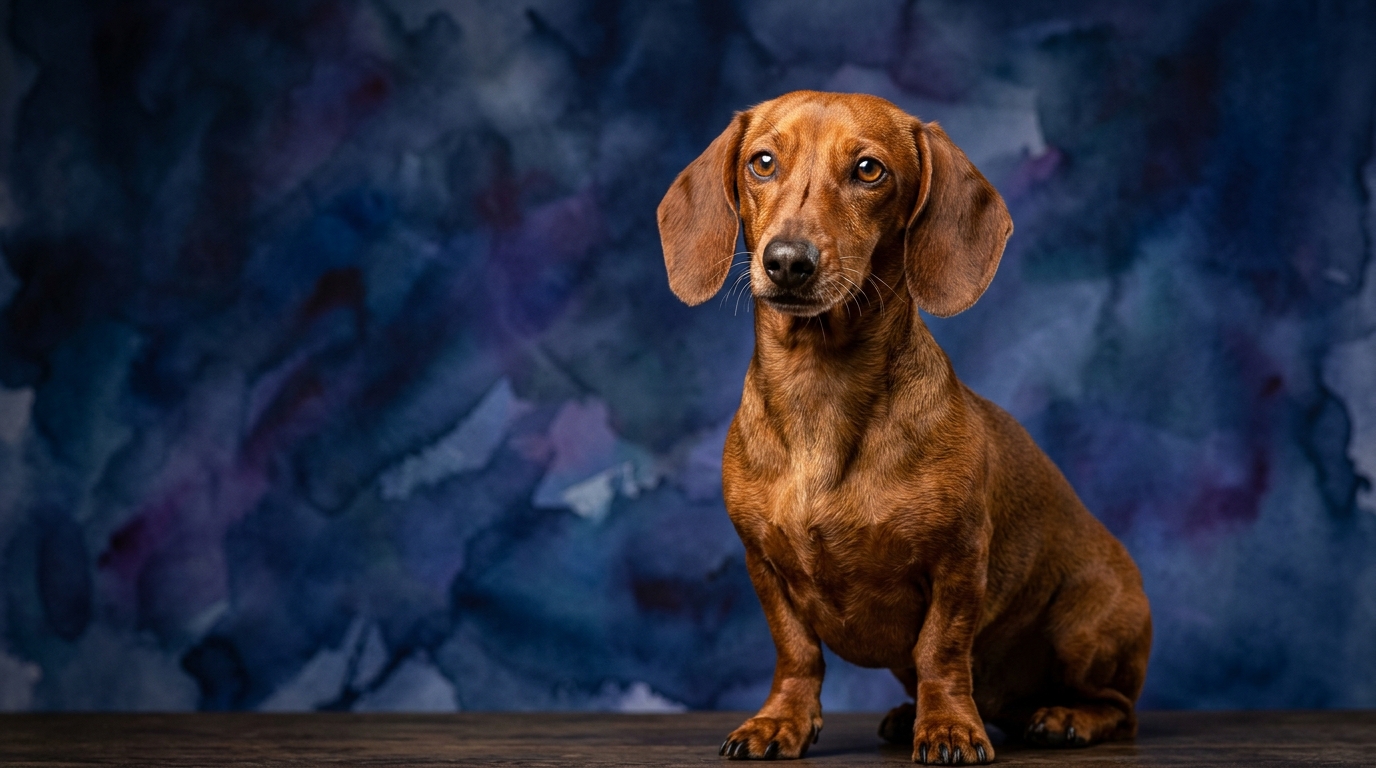
The Dachshund, with its distinctive silhouette, presents a cognitive profile marked by a formidable Instinctive Drive (5/5), reflecting its heritage as a tenacious hunter. Its Problem Solving ability is robust (4/5), suggesting a capacity for independent thought and strategic navigation of challenges. However, this independence may contribute to a moderate Training Speed (2/5), as their strong will can sometimes overshadow a desire to comply. Their Social Intelligence registers as moderate (3/5), indicating an ability to form bonds but perhaps with a discerning independence. Memory is also assessed as moderate (3/5), sufficient for daily routines and learned associations, yet not exceptionally profound.
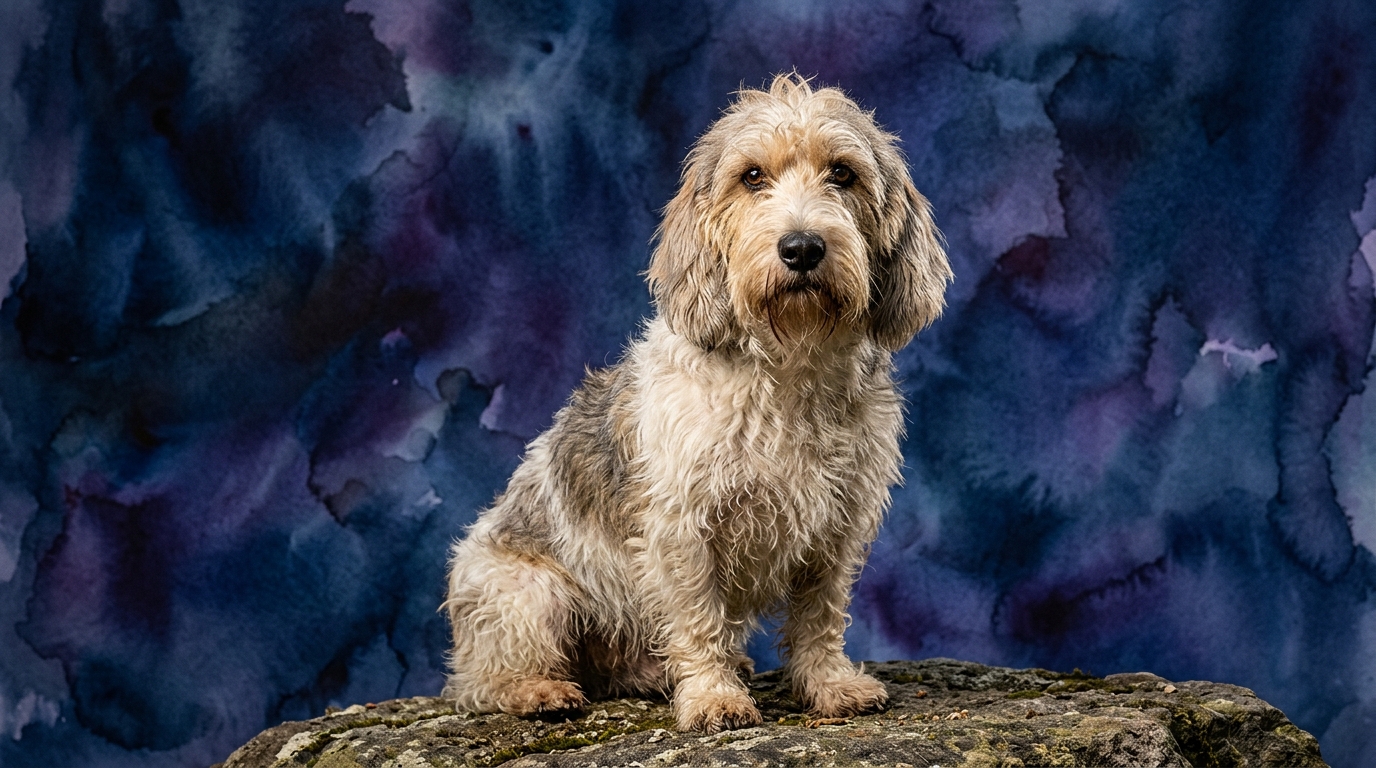
In contrast, the Petit Basset Griffon Vendéen, often affectionately called a PBGV, exhibits a more balanced cognitive spread. Its Instinctive Drive (3/5) is present but less overpowering than the Dachshund's, hinting at a more cooperative hunting style. Problem Solving (3/5) is solid, allowing them to navigate common canine dilemmas effectively. Notably, their Training Speed (3/5) is slightly more favorable, suggesting a greater openness to learning and responding to human cues. Social Intelligence (3/5) mirrors the Dachshund's, indicating a capacity for social bonding within a family unit, while their Memory (3/5) also aligns, supporting consistent learned behaviors.
Where the Dachshund Excels Cognitively
The Dachshund's cognitive strengths shine particularly in its formidable Instinctive Drive (5/5) and superior Problem Solving (4/5). This combination means a Dachshund is exceptionally driven by its inherent purpose, whether it's tracking a scent, burrowing into blankets, or 'hunting' for a dropped crumb. Their problem-solving prowess allows them to ingeniously overcome obstacles to achieve these instinctual goals, such as figuring out how to open a cupboard door or strategically navigating furniture to reach a desired location. This isn't just about obedience; it's about their inherent ability to analyze a situation and devise a solution, often without human intervention, making them remarkably persistent and resourceful in their pursuits.
Where the Petit Basset Griffon Vendéen Excels Cognitively
While the PBGV's individual scores might not reach the Dachshund's peak in specific areas, its cognitive strengths lie in its balanced and slightly more amenable profile, particularly in Training Speed (3/5 versus Dachshund's 2/5). This indicates a greater willingness and capacity to absorb and respond to human instruction, making the learning process potentially smoother and less protracted. Their moderate Instinctive Drive (3/5) means they are less likely to be solely consumed by an independent pursuit, allowing for more engagement with their human companions. This balanced cognitive structure suggests a dog that is generally more adaptable to varied household routines and training methods, finding a comfortable middle ground between independent thought and cooperative learning.
Training Dynamics: Which Breed is More Amenable?
Comparing their Training Speed, the Petit Basset Griffon Vendéen (3/5) holds a slight edge over the Dachshund (2/5), suggesting it is generally more receptive to learning commands and routines. This difference is largely influenced by their divergent Instinctive Drives and Problem Solving abilities. A Dachshund's powerful Instinctive Drive (5/5) means their focus can be intensely directed towards an independent goal, such as following a compelling scent or attempting to 'dig' under an obstacle. Their strong Problem Solving skills (4/5) often lead them to devise their own solutions rather than waiting for human guidance, which can translate into a stubborn streak during training. For instance, a Dachshund might spend significant mental energy trying to outsmart a puzzle toy on its own terms, rather than waiting for a handler's cue. In contrast, the PBGV's more moderate Instinctive Drive (3/5) and Problem Solving (3/5) mean they are less likely to become singularly fixated on self-directed tasks. While still a hound with a nose for adventure, their cognitive balance allows for a greater openness to collaborative learning. This makes them generally more amenable to positive reinforcement techniques, as their natural curiosity can be more easily channeled towards human-directed tasks, resulting in a slightly faster acquisition of new behaviors and a more cooperative training experience overall.
Matching Breeds to Owner Lifestyles
The choice between a Dachshund and a PBGV depends significantly on an owner's lifestyle and their preferred level of engagement with their dog's mental and physical needs. A Dachshund, with its intense Instinctive Drive (5/5) and strong Problem Solving (4/5), thrives with active owners who appreciate and can channel their inherent tenacity. These dogs are not content to merely observe; they require mental stimulation that allows them to 'work' their minds, whether through scent games, puzzle toys, or consistent, engaging training that respects their independent nature. Owners who enjoy structured activities, despite the training challenges, and can provide ample opportunities for exploration and 'hunting' (even simulated ones) will find a rewarding companion. Their social intelligence (3/5) means they form strong bonds but retain an independent streak, making them suitable for owners who value a dog with a distinct personality.
Conversely, the Petit Basset Griffon Vendéen, with its more balanced Instinctive Drive (3/5) and slightly better Training Speed (3/5), can adapt to a broader range of lifestyles, including those of more relaxed owners, provided their need for regular exercise and mental engagement is met. While still a scent hound requiring daily walks and opportunities to explore with their nose, their drive is generally less all-consuming than a Dachshund's. They are often described as cheerful and outgoing, with their social intelligence (3/5) making them good family companions who enjoy being part of the action without necessarily needing to lead it. Owners who appreciate a dog that is cooperative, enjoys outdoor adventures, but also settles comfortably indoors will find a PBGV a delightful match. Their slightly easier trainability also makes them a good fit for owners who prefer a more straightforward training journey.
The Verdict
Choose a Dachshund if you are an owner who appreciates a highly independent, tenacious, and incredibly clever problem-solver, willing to embrace their strong instinctual drives and invest patience in their unique training approach.
Opt for a Petit Basset Griffon Vendéen if you seek a cheerful, cooperative companion with a balanced cognitive profile, offering a more amenable training experience and a joyful zest for life that is less intensely driven.
🧠 Find Your Pet's IQ Score
Our Pet IQ Lab assessment covers 25+ tests across 5 cognitive dimensions — personalized to your breed.
Take the Full IQ Test →Frequently Asked Questions
Are Dachshunds stubborn during training?
Dachshunds can indeed appear stubborn due to their high Instinctive Drive (5/5) and Problem Solving (4/5). They often prefer to follow their own clever solutions or compelling scents rather than human commands, requiring consistent, positive reinforcement and a creative approach to keep them engaged.
Do PBGVs need a lot of mental stimulation?
Yes, PBGVs, like most hounds, benefit from regular mental stimulation, even with their moderate Instinctive Drive (3/5). Scent games, puzzle toys, and consistent training sessions keep their minds active and prevent boredom, channeling their natural curiosity productively.
How do their social intelligence scores compare to their trainability?
Both breeds share a Social Intelligence score of 3/5, indicating they can form strong bonds and interact well within their family. However, the PBGV's slightly higher Training Speed (3/5 vs. Dachshund's 2/5) suggests that while both are capable of social bonding, the PBGV is generally more inclined to cooperate and respond to human instruction during training, making the process smoother.