Side-by-Side Cognitive Profiles
To understand the mental landscape of these two breeds, The Cosmic Pet Pet IQ Lab employs a five-dimensional cognitive framework. This allows us to move beyond superficial observations and examine specific facets of their intellect.
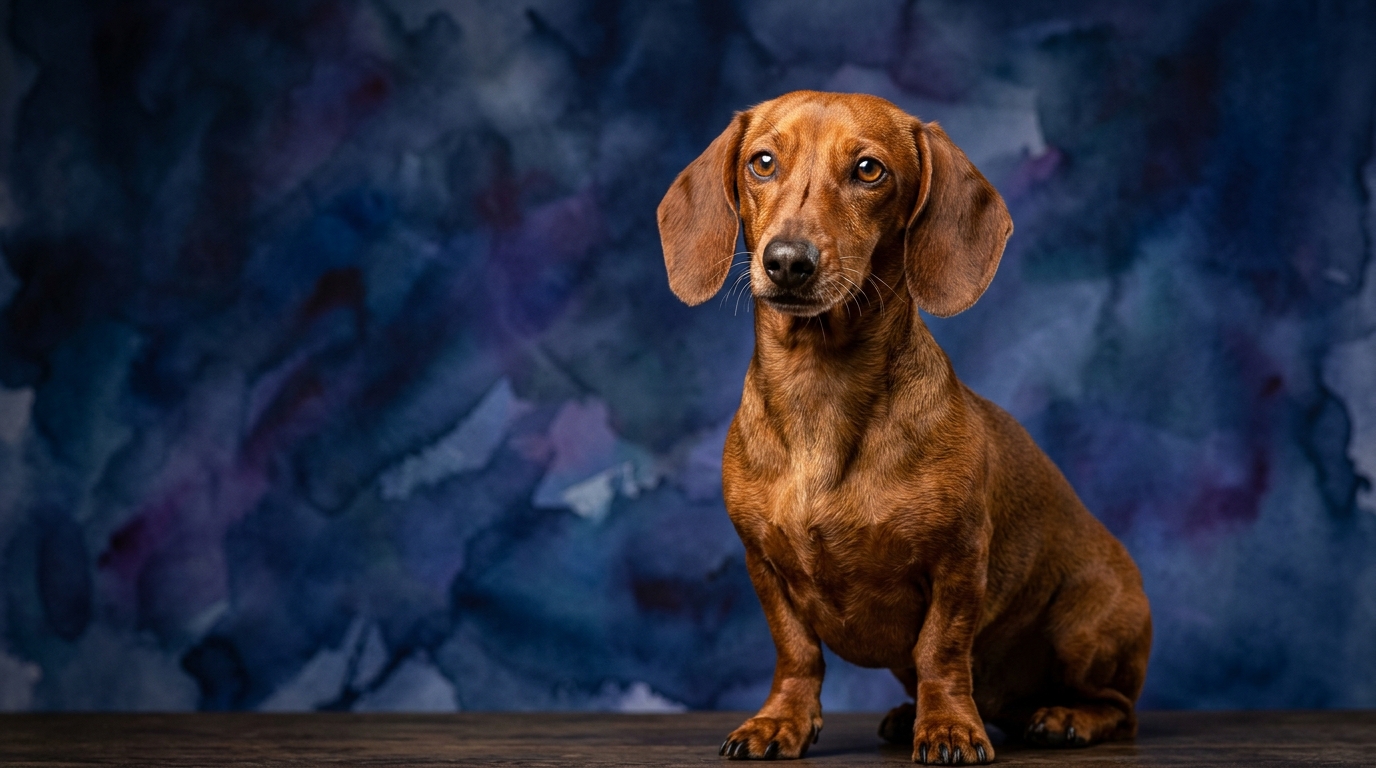
The Dachshund, a hound breed, exhibits a unique cognitive blueprint shaped by its history as a badger hunter. Its Problem Solving score of 4/5 reflects a remarkable tenacity in figuring out how to achieve desired outcomes, often involving creative maneuvers to navigate obstacles or access confined spaces. However, their Training Speed is rated at 2/5, indicating a strong independent streak that can make them less inclined to immediate compliance, often weighing commands against their own motivations. Social Intelligence is 3/5; they form deep bonds with their inner circle but can be reserved with strangers. Their Instinctive Drive, a powerful 5/5, manifests as an almost unyielding focus on scent trails and a profound urge to dig. Memory stands at 3/5, solid enough for routines and past experiences, though their independent nature sometimes takes precedence over recall.
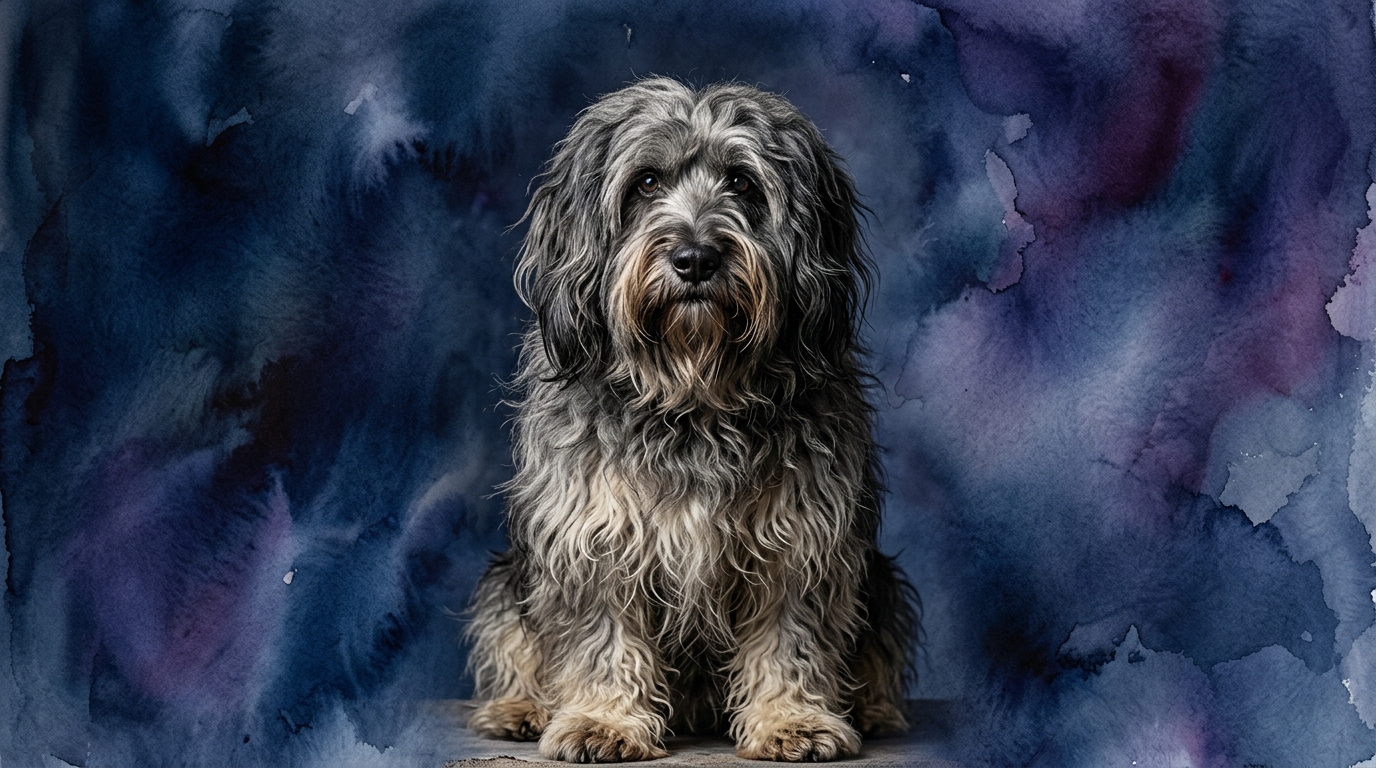
The Polish Lowland Sheepdog (PON), a herding breed, presents a more balanced cognitive profile. With a Problem Solving score of 3/5, they are resourceful and adaptable, capable of devising solutions within their environment, particularly in social contexts, preferring a workable path over brute force. Their Training Speed is 3/5, indicating a generally cooperative nature and a moderate pace of learning, especially when provided with clear, consistent guidance. Social Intelligence also scores 3/5; they are affectionate with their family and possess a good grasp of pack dynamics, though they maintain a watchful demeanor around unfamiliar individuals. Their Instinctive Drive is 3/5, manifesting as a desire to keep their 'flock' (family) cohesive and to alert them to perceived threats rather than a predatory urge. Memory is 3/5, supporting their role as a vigilant guardian by retaining learned behaviors and social interactions effectively.
Where the Dachshund Excels Cognitively
The Dachshund's cognitive strengths are deeply rooted in its original purpose. Its superior Problem Solving score of 4/5, compared to the PON's 3/5, highlights an exceptional capacity for overcoming physical barriers or complex puzzles when highly motivated. This isn't just about general cleverness; it's a specific type of cunning that enables them to outmaneuver obstacles, burrow under fences, or discover hidden treats with persistent, almost single-minded focus. Their low stature and flexible bodies are often combined with ingenious methods to achieve their goals, demonstrating a practical, goal-oriented intelligence.
Furthermore, the Dachshund's Instinctive Drive, rated at a profound 5/5 versus the PON's 3/5, is a significant cognitive advantage for specific tasks. This intense drive translates into an unmatched determination in activities related to their heritage, such as scent tracking or 'going to ground' in earthdog trials. This powerful, innate focus allows them to follow a trail relentlessly, processing olfactory information with an intensity that many other breeds might not sustain. While this can sometimes be perceived as stubbornness, it is a formidable cognitive asset for specialized tasks, enabling them to pursue objectives with an unwavering resolve.
Where the Polish Lowland Sheepdog Shows Cognitive Strengths
The Polish Lowland Sheepdog demonstrates a distinct cognitive advantage in its Training Speed, scoring 3/5 compared to the Dachshund's 2/5. This higher score reflects a generally greater eagerness to cooperate and a more receptive attitude towards learning new commands and routines. Their biddable nature, a legacy of their herding background, means they are typically more amenable to structured training sessions and respond well to consistent direction. This isn't to say they are automatons, but their inherent desire to work alongside humans makes the learning process smoother and often more rapid.
Beyond individual scores, the Polish Lowland Sheepdog exhibits a broader cognitive adaptability. Their consistent 3/5 across problem-solving, social intelligence, instinctive drive, and memory suggests a more flexible and less specialized cognitive framework. They are not dominated by a single, powerful instinct in the way the Dachshund is by its hunting drive. This balanced profile allows them to adapt to a wider array of living situations, social dynamics, and learning challenges. They can pivot between tasks and environments with greater ease, demonstrating a versatile intelligence that serves them well in diverse roles, from family companion to performance dog.
Training Dynamics: A Tale of Two Temperaments
When it comes to ease of training, the Polish Lowland Sheepdog generally offers a more straightforward experience. Their 3/5 Training Speed and moderately balanced instinctive drives contribute to a natural inclination to work cooperatively with humans. They possess a desire to understand and respond to guidance, a trait valuable in a herding dog that must work in concert with a shepherd. This means they are often more receptive to cues and find satisfaction in pleasing their handler, making them suitable for various dog sports and obedience work.
The Dachshund, conversely, presents a more nuanced training journey, reflected in their 2/5 Training Speed. Their formidable independent streak, fueled by a 5/5 instinctive drive, means they often evaluate commands based on their own immediate desires or perceived rewards. A Dachshund's 'stubbornness' isn't a lack of comprehension, but rather a strong-willed decision to prioritize a captivating scent, a digging opportunity, or simply their own agenda. Training a Dachshund requires exceptional patience, creativity, and a deep understanding of their motivations. Owners often need to make training feel like a game or a self-chosen activity, leveraging positive reinforcement and high-value rewards to engage their independent spirit rather than relying solely on compliance.
Matching Breeds to Lifestyles: Active vs. Relaxed Owners
For active owners, both breeds can be rewarding companions, but they cater to different types of activity. An owner who enjoys engaging in focused scent work, earthdog trials, or has the patience for consistent, stimulating training will find the Dachshund a fascinating partner. Their profound instinctive drive demands outlets, and without sufficient mental and physical engagement, their clever problem-solving can manifest as destructive behaviors like digging or excessive barking indoors. They thrive with owners who appreciate long, meandering walks where they can follow intriguing scents and who are ready to channel their formidable will into productive activities.
The Polish Lowland Sheepdog also benefits from active owners, particularly those interested in structured dog sports like agility, obedience, or herding trials. Their moderate energy levels and generally biddable nature make them excellent partners for activities that provide both physical exercise and mental stimulation. They enjoy being an integral part of family adventures and respond well to varied routines, thriving on engagement without the same singular, intense focus on instinctual drives seen in the Dachshund. Their adaptability allows them to participate in a wider array of activities.
For relaxed owners, the Polish Lowland Sheepdog might be a more suitable choice, provided 'relaxed' still includes daily walks and consistent mental enrichment. While they appreciate activity, their balanced temperament means they are generally content to relax indoors after their needs are met, and they are less prone to self-entertaining destructive behaviors if their mental engagement is consistent. Their social intelligence allows them to adapt to household routines without constant high-octane demands. The Dachshund, on the other hand, can be a challenging fit for a truly 'relaxed' owner. Their instinctive drive and problem-solving acumen mean they will find their own entertainment if not provided with appropriate outlets, which can manifest as digging, barking, or persistent pursuit of perceived prey indoors. A relaxed owner considering a Dachshund must be prepared to manage a strong-willed personality and provide consistent mental engagement, even if physical exercise is moderate.
The Verdict
Choose a Dachshund if you appreciate a dog with exceptional tenacity, a sharp mind for self-motivated problem-solving, and are prepared to channel a powerful instinctive drive into engaging activities like scent work or earthdog sports. They are best for owners who value a strong-willed, clever companion and are ready for a training journey that prioritizes patience and understanding of their unique motivations.
Opt for a Polish Lowland Sheepdog if you seek an adaptable, biddable companion capable of moderate problem-solving and a relatively easier training experience, thriving on structured activities and family involvement. They are well-suited for owners who desire a versatile partner for a range of dog sports or an engaged family pet that balances activity with contentment indoors.
🧠 Find Your Pet's IQ Score
Our Pet IQ Lab assessment covers 25+ tests across 5 cognitive dimensions — personalized to your breed.
Take the Full IQ Test →Frequently Asked Questions
Are Dachshunds difficult to train?
Dachshunds can present training challenges due to their strong independent streak and profound instinctive drive, often prioritizing their own desires over commands. While they are capable of learning, owners need consistent, positive reinforcement and a deep understanding of their unique motivations to succeed.
Do Polish Lowland Sheepdogs need a lot of exercise?
Polish Lowland Sheepdogs have moderate energy levels and benefit from daily walks, playtime, and mental stimulation to stay content. While they aren't extreme athletes, consistent activity and engagement prevent boredom and ensure a well-adjusted companion.
Which breed is better with children?
Both breeds can be good with children when properly socialized, but their temperaments differ. Polish Lowland Sheepdogs often exhibit a patient, watchful nature, while Dachshunds, though affectionate with their family, might have less tolerance for rough play due to their delicate backs and strong-willed nature.