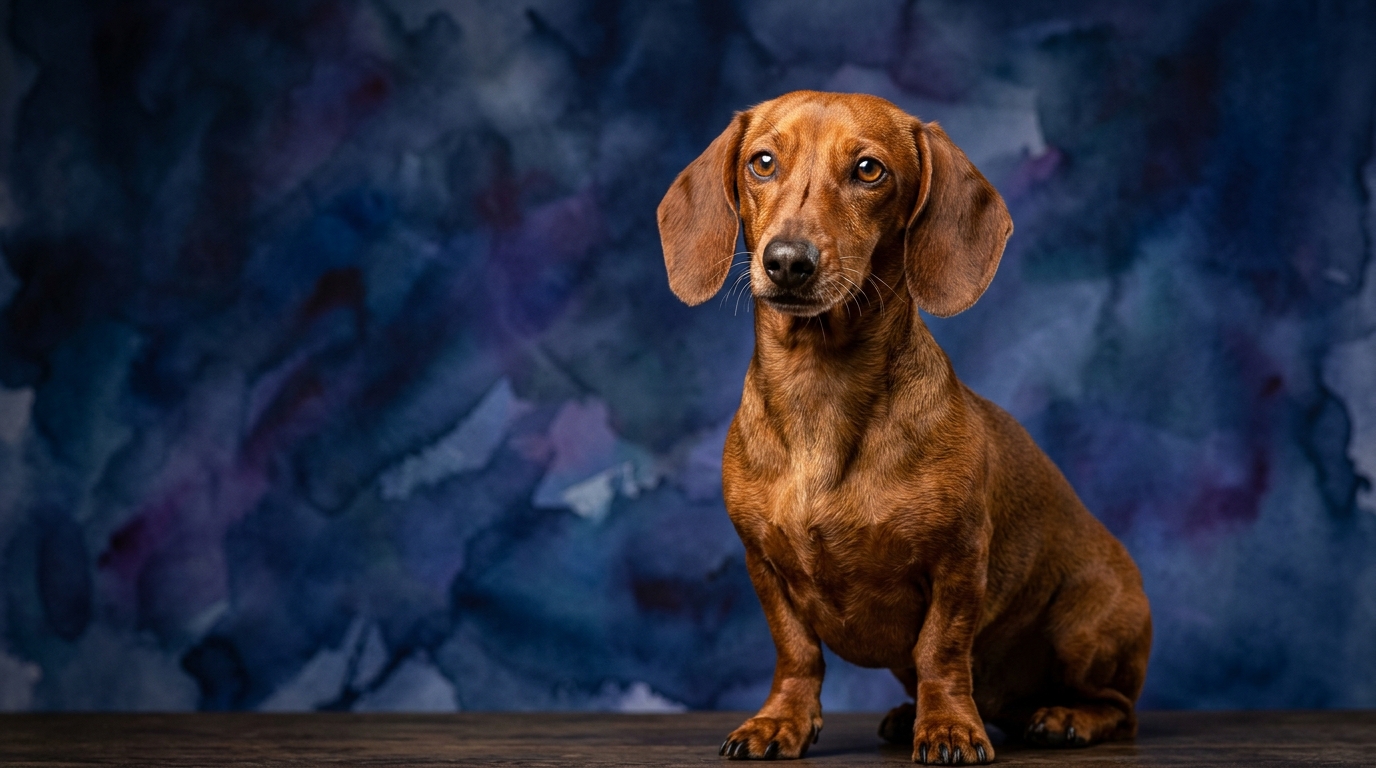
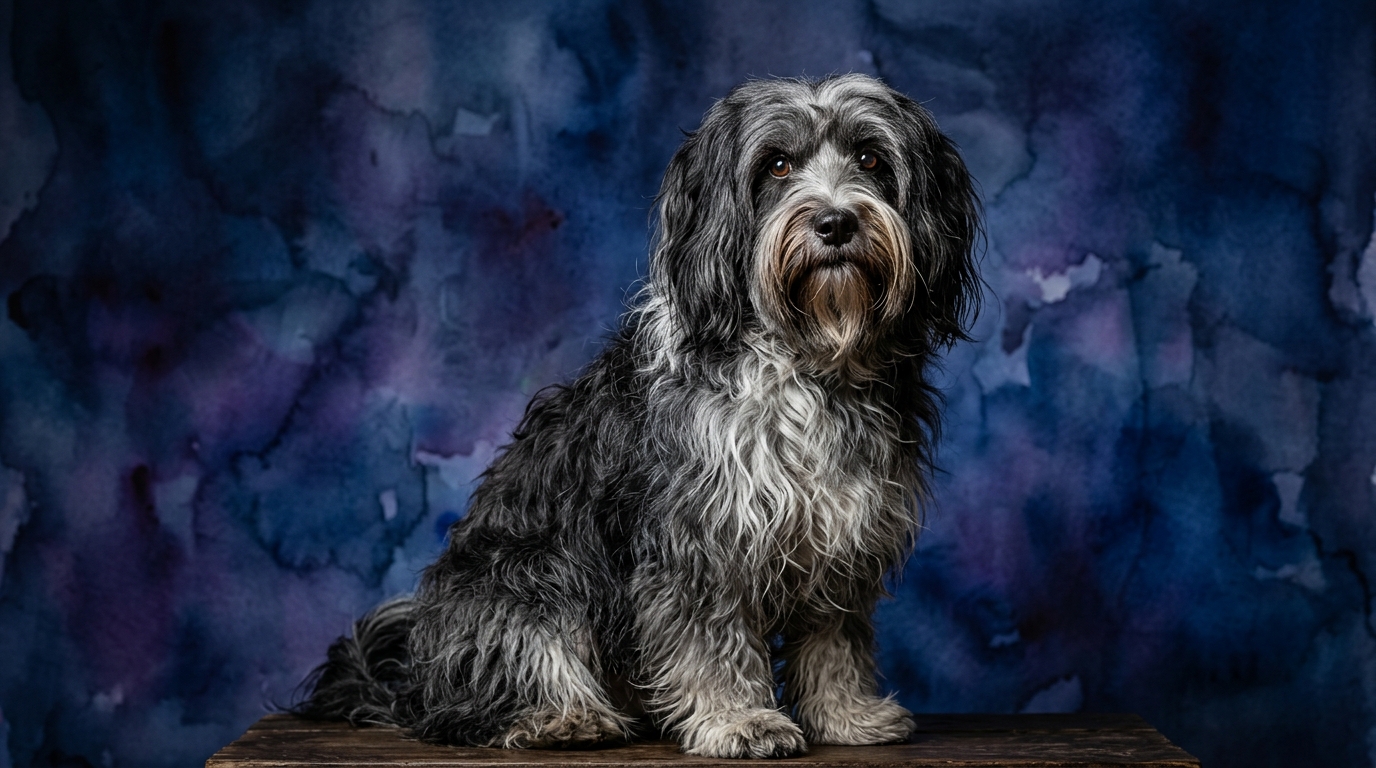
Side-by-Side IQ Profile: Dachshund vs. Tibetan Terrier
At The Cosmic Pet Pet IQ Lab, we delve into the unique cognitive architectures of our canine companions. The Dachshund, with a Coren rank of #49, showcases a robust Problem Solving score of 4/5, indicating cleverness in navigating challenges. However, its Training Speed is a more moderate 2/5, influenced by a formidable Instinctive Drive of 5/5, reflecting its tenacious hunting heritage. Social Intelligence and Memory both register a balanced 3/5.
The Tibetan Terrier, ranking #63 on the Coren scale, presents a more uniformly balanced profile. Its Problem Solving is a solid 3/5, demonstrating practical intellect. Notably, its Training Speed is a higher 3/5, suggesting a greater willingness to learn, complemented by a moderate Instinctive Drive of 3/5. Like the Dachshund, its Social Intelligence and Memory are both scored at 3/5, indicating a similar capacity for social engagement and recall.
Where the Dachshund Cognitively Excels
The Dachshund's cognitive advantages are deeply rooted in its original purpose. Its 4/5 problem-solving ability means it excels at independently figuring out how to overcome physical or mental barriers, a trait honed by generations of tracking prey through intricate burrows. This isn't just about simple puzzles; it's a persistent, strategic approach to achieving a desired outcome, showcasing a cleverness that often surprises owners.
Furthermore, the Dachshund's perfect 5/5 instinctive drive is a cognitive powerhouse. While sometimes translating to a determined independence, this drive signifies an extraordinary capacity for focused sensory processing and unwavering commitment to a task, particularly scent work. For activities like earthdog trials or advanced nose work, this intense, intrinsic motivation provides a mental engine that few breeds can match, demonstrating a profound, dedicated cognitive engagement.
Where the Tibetan Terrier Cognitively Shines
The Tibetan Terrier's cognitive strengths lean towards adaptability and cooperation. Its 3/5 training speed, surpassing the Dachshund's 2/5, highlights a greater amenability to learning new commands and behaviors. Tibetan Terriers are generally more biddable, meaning they readily engage with their human companions during training sessions and grasp concepts with fewer repetitions, often motivated by positive interaction.
Moreover, the Tibetan Terrier's moderate 3/5 instinctive drive, compared to the Dachshund's intense 5/5, contributes to a broader cognitive versatility. Their intellect isn't singularly focused on one powerful urge, allowing them to adapt their attention more easily across various tasks and environments. This balanced drive enables them to excel in diverse dog sports, learn complex routines, and integrate smoothly into varied family lifestyles, showcasing a flexible and well-rounded cognitive architecture.
Training Dynamics: Which is Easier to Guide?
When considering ease of training, the Tibetan Terrier typically offers a smoother experience for owners. Their 3/5 training speed, coupled with a moderate 3/5 instinctive drive, makes them generally more receptive to instruction. Tibetan Terriers often enjoy the mental engagement of training and are more inclined to cooperate, focusing on their human's cues rather than being overwhelmingly distracted by independent urges. Teaching basic obedience or more complex tricks often progresses steadily due to their biddable nature and capacity for sustained attention.
Conversely, the Dachshund's 2/5 training speed and intense 5/5 instinctive drive present a different training dynamic. Their formidable problem-solving skills are often applied to their own agenda, and their powerful drives can override learned commands, especially when a compelling scent or 'mission' presents itself. Training a Dachshund demands exceptional consistency, creativity, and patience, often requiring owners to skillfully leverage their natural drives into structured activities rather than attempting to suppress their deeply ingrained cognitive priorities.
Matching Breeds to Lifestyles: Active vs. Relaxed Owners
The Dachshund, with its tenacious 5/5 instinctive drive and 4/5 problem-solving, is best suited for owners prepared to actively engage a highly independent and purpose-driven mind. These dogs thrive when their profound cognitive urges are satisfied through structured activities like scent work, tracking, or earthdog trials. They are ideal for individuals who appreciate a clever, determined companion and are willing to invest time in specialized enrichment to channel their natural instincts, providing consistent mental challenges rather than just physical exertion.
The Tibetan Terrier, with its balanced cognitive profile, is an versatile and adaptable companion. While enjoying regular exercise and mental stimulation through activities like agility or obedience, their moderate drives mean they don't demand the same singular focus as the Dachshund. They fit well into families or individuals desiring a companion that can adjust to varying routines, offering a delightful blend of playful energy and calm companionship without an overwhelming innate drive dictating their every action.
The Verdict
If you are drawn to a dog with an exceptionally strong, independent problem-solving mind and a deeply ingrained, purpose-driven instinct that you are prepared to channel through dedicated activities like scent work or tracking, the tenacious Dachshund will be a rewarding companion.
However, if you seek a versatile, adaptable dog that learns at a moderate pace, possesses a balanced social and instinctive drive, and integrates smoothly into a variety of family dynamics while still enjoying diverse activities, the amenable Tibetan Terrier is likely the more suitable choice.
🧠 Find Your Pet's IQ Score
Our Pet IQ Lab assessment covers 25+ tests across 5 cognitive dimensions — personalized to your breed.
Take the Full IQ Test →Frequently Asked Questions
Are Dachshunds stubborn because of their intelligence?
Dachshunds aren't stubborn in a lack of intelligence sense; rather, their high instinctive drive (5/5) and problem-solving (4/5) mean they prioritize their deeply ingrained hunting behaviors. This can appear as stubbornness when their natural urges conflict with human commands, requiring creative training to align their motivations.
Do Tibetan Terriers require a lot of mental stimulation?
Tibetan Terriers, with their moderate scores across cognitive dimensions, benefit significantly from consistent mental stimulation. While their instinctive drive isn't as intense as a Dachshund's, they enjoy learning new tricks, puzzle toys, and participating in dog sports like agility or obedience to keep their minds engaged and prevent boredom.
Which breed is better for first-time dog owners?
For first-time dog owners, the Tibetan Terrier might present an easier experience due to its higher training speed (3/5) and more moderate instinctive drive (3/5). Their generally biddable nature and adaptability can make the initial training phase less challenging compared to the independent and highly driven Dachshund, which often requires a more experienced hand.