
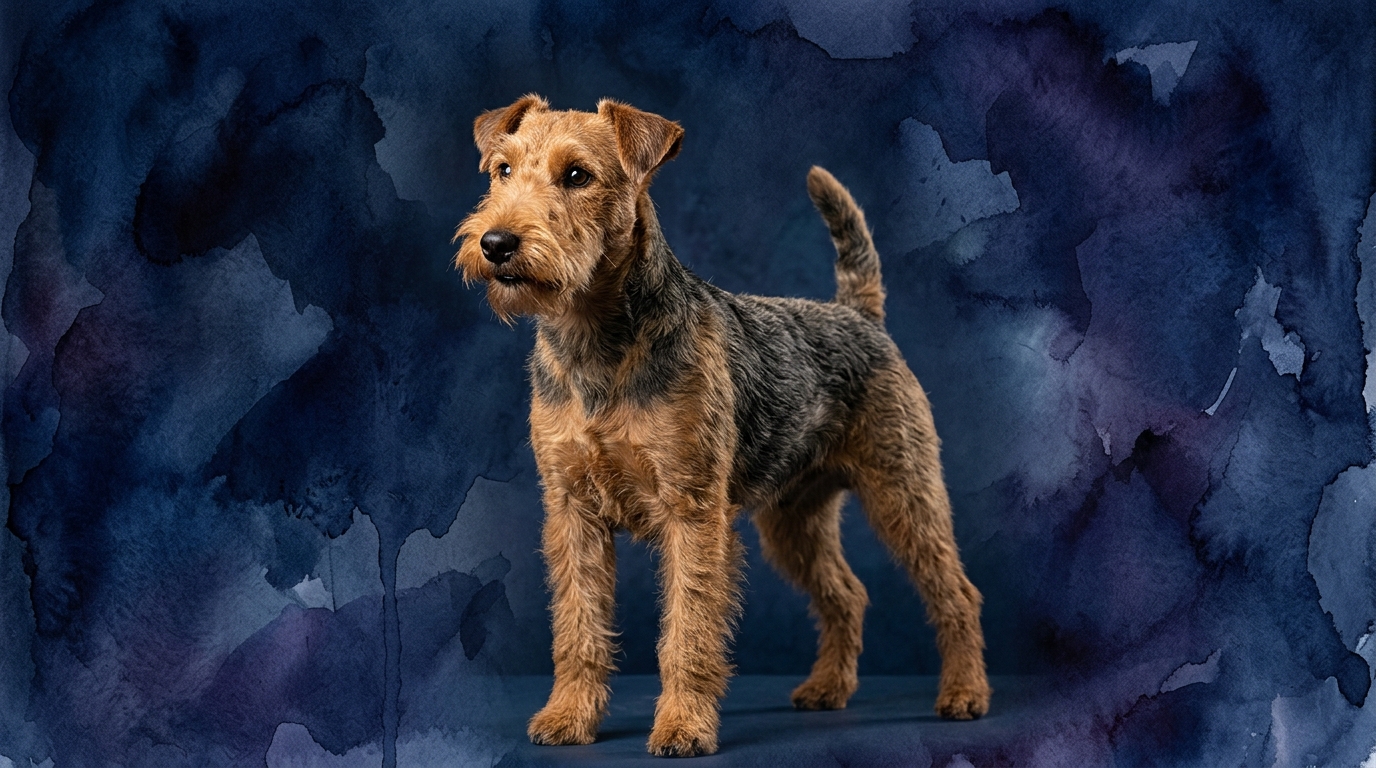
Side-by-Side IQ Profile: Dachshund vs. Welsh Terrier
The Cosmic Pet Pet IQ Lab provides a nuanced view into canine cognition, moving beyond simple rankings to assess specific mental dimensions. For the Dachshund, a Hound breed ranked #49 by Coren, and the Welsh Terrier, a Terrier breed without a Coren ranking, these dimensions paint distinct pictures.
**Dachshund's Cognitive Blueprint:** Dachshunds exhibit a remarkable capacity for inventive solutions (Problem Solving 4/5), particularly when achieving a desired outcome like accessing a forbidden treat or finding a comfortable spot; their determination often fuels creative workarounds. While capable, Dachshunds learn at their own pace (Training Speed 2/5); their independent nature demands consistent, patient training and high-value motivators to overcome inherent stubbornness. They understand human cues and form deep bonds (Social Intelligence 3/5), though this is often filtered through their independent spirit, making them selectively responsive. A defining trait is their profound Instinctive Drive (5/5), involving scent tracking, burrowing, and pursuit of small prey—a deep-seated cognitive process guiding their focus. Dachshunds possess solid memory for routines, associations, and locations (Memory 3/5), aiding navigation and remembering past successes.
**Welsh Terrier's Cognitive Blueprint:** Welsh Terriers approach challenges practically, often directly (Problem Solving 3/5), solving moderately complex tasks via observation and persistent trial-and-error. These terriers acquire commands at a moderate pace (Training Speed 3/5); their eagerness to engage and cooperative nature make them receptive to positive reinforcement. Welsh Terriers navigate social interactions effectively, understanding family dynamics and moods (Social Intelligence 3/5); they are personable, though their independence means they aren't purely driven to please. Their characteristic terrier drive for chasing and digging is present but more balanced (Instinctive Drive 3/5) than the Dachshund's, motivating exploration without overwhelming other cognitive functions. Welsh Terriers exhibit reliable memory for commands, routines, and favored items (Memory 3/5), supporting training and adaptability.
Where the Dachshund Wins Cognitively
The Dachshund's cognitive strengths shine brightest in two areas. Their Problem Solving score of 4/5 indicates an exceptional capacity for inventive solutions, displaying cunning ingenuity to achieve goals like unlatching a gate. This persistent, often strategic approach to manipulating their environment is amplified by their unparalleled Instinctive Drive, rated at a perfect 5/5. For a Dachshund, this drive is profound cognitive engagement with scent and pursuit. Their minds constantly process olfactory data, tracking faint trails with unwavering focus, making them relentless in chosen tasks—a testament to their specialized cognitive architecture.
Where the Welsh Terrier Wins Cognitively
The Welsh Terrier's cognitive advantages are evident in their balanced profile, particularly their Training Speed, rated at 3/5. This score suggests greater receptiveness to instruction and quicker command association, making training generally more efficient. While their Problem Solving score of 3/5 is slightly lower, their approach is pragmatic. Furthermore, their Instinctive Drive, also 3/5, is strong enough for motivation without becoming an overwhelming, singular focus that detracts from learning other skills. This balance allows for versatile application of their cognitive abilities.
Which Breed is Easier to Train and Why
When it comes to ease of training, the Welsh Terrier generally presents a more straightforward path. Their Training Speed score of 3/5 reflects a mind eager to engage with human instruction, readily connecting actions with consequences. Welsh Terriers often display a cooperative spirit, enjoying training interactions, leading to quicker command acquisition. Their Instinctive Drive of 3/5 provides energy without consistently distracting from learning. In contrast, the Dachshund's Training Speed of 2/5 points to an independent learner. Their significant Instinctive Drive of 5/5 means focus can intensely direct towards scents or “prey,” challenging redirection. Their strong self-will and prioritization of their own agenda demand extraordinary patience, consistency, and highly motivating rewards. Their problem-solving might even be used to circumvent commands.
Which Suits Active Owners vs. Relaxed Owners
The ideal owner profile for each breed hinges significantly on understanding their cognitive and behavioral drives. A Welsh Terrier often thrives with active owners providing consistent mental and physical engagement. Their moderate Instinctive Drive (3/5) suits varied activities like hiking or agility, channeling natural energy. Higher Training Speed (3/5) allows them to excel in dog sports, making them excellent companions for participatory activities. They appreciate a “job.” Conversely, a Dachshund, despite size, requires significant mental stimulation due to their profound Instinctive Drive (5/5). Without outlets for tracking and “hunting,” their cognitive energy can manifest as destructive behaviors. They need consistent mental challenge and purpose, even if physical exertion is less demanding.
The Verdict
Choose a Dachshund if you appreciate a dog with profound independent thought, exceptional problem-solving for self-directed goals, and a deep, focused instinctive drive that you are willing to manage and channel with creative engagement.
Choose a Welsh Terrier if you seek a companion that is generally more receptive to training, enjoys varied activities, and offers a balanced blend of terrier tenacity with a cooperative spirit for diverse adventures.
🧠 Find Your Pet's IQ Score
Our Pet IQ Lab assessment covers 25+ tests across 5 cognitive dimensions — personalized to your breed.
Take the Full IQ Test →Frequently Asked Questions
Do Dachshunds struggle with obedience training more than Welsh Terriers?
Yes, generally. Dachshunds have a training speed score of 2/5 compared to the Welsh Terrier's 3/5, indicating they often require more repetition and motivation. Their strong independent streak and high instinctive drive can make them less inclined to follow commands if something more interesting captures their attention.
Which breed is better for a family with other pets?
Both breeds have a social intelligence score of 3/5, suggesting they can adapt well with proper socialization. However, the Dachshund's intense instinctive drive (5/5) might make them more prone to chasing smaller animals, requiring careful introductions and supervision. The Welsh Terrier's more moderate drive (3/5) might make them slightly more adaptable in a multi-pet household.
How does the "instinctive drive" score impact daily life for these breeds?
For Dachshunds (5/5), this means a strong urge to track scents, dig, and "hunt," requiring owners to provide safe outlets for these behaviors to prevent destructive tendencies. For Welsh Terriers (3/5), their drive is present but generally more manageable, manifesting as a desire for exploration and play without the same intensity of focused pursuit.