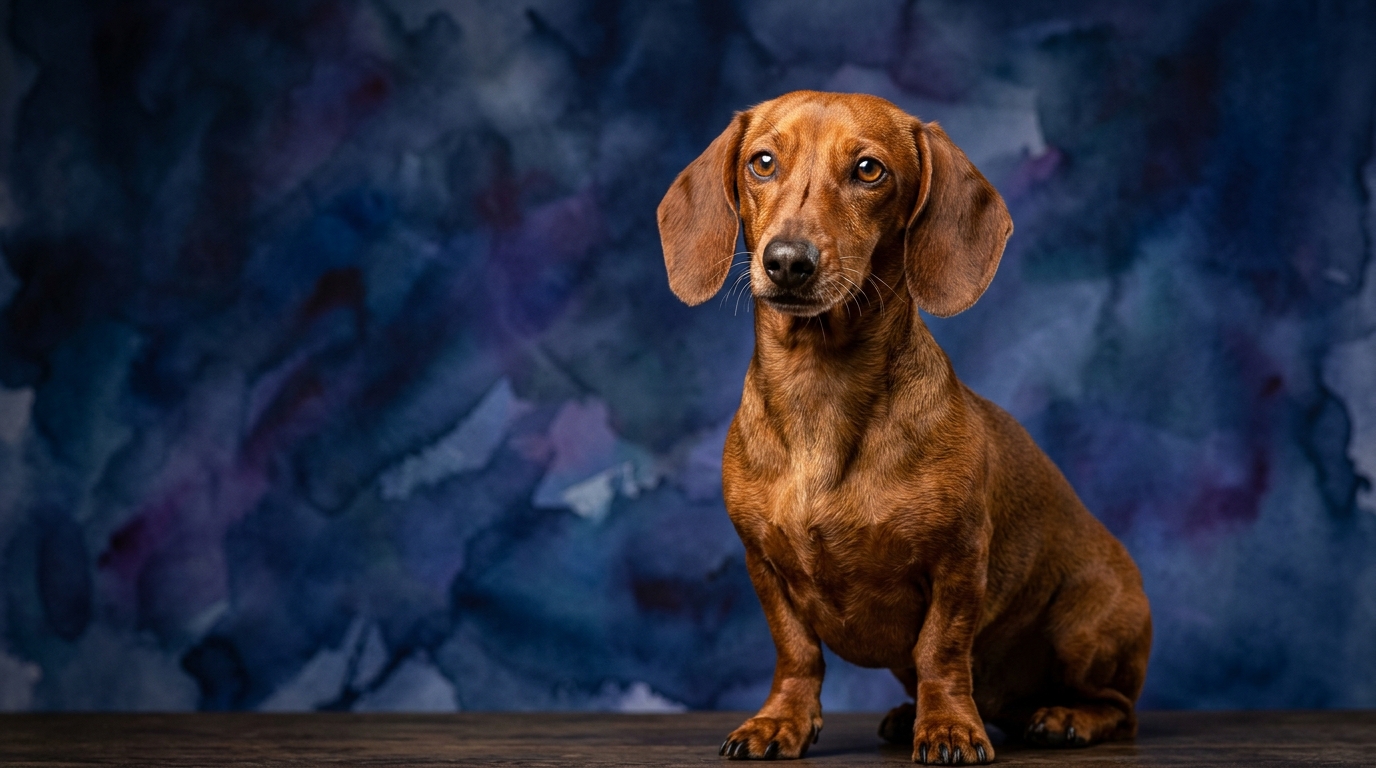
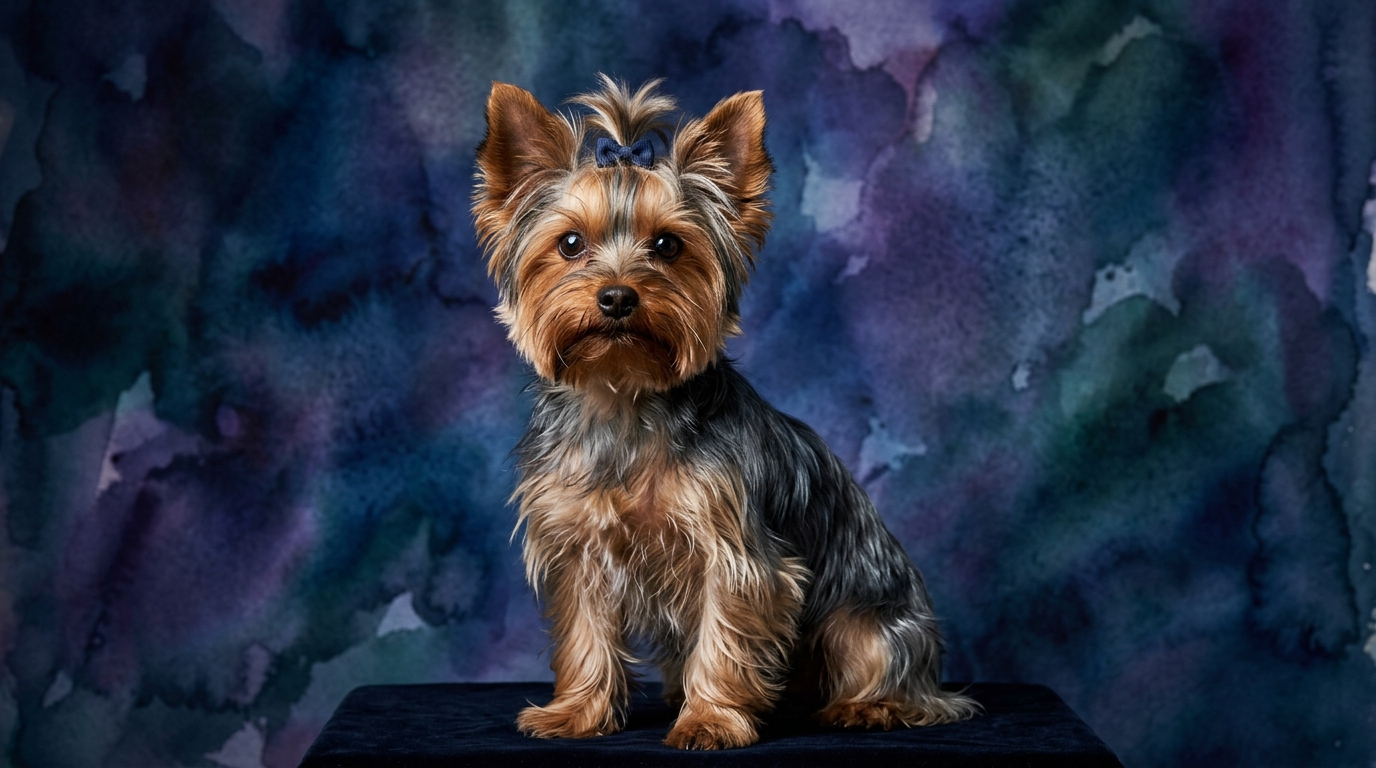
Side-by-side IQ Profile
At The Cosmic Pet Pet IQ Lab, we delve into the specific cognitive dimensions that define each breed. For the Dachshund, a Hound with a Coren rank of #49, and the Yorkshire Terrier, a Terrier ranked #27, their intelligence profiles reveal fascinating contrasts.
**Dachshund (Hound, Coren rank #49):** Their **Problem Solving (4/5)** reflects an independent thinker, often devising clever strategies to overcome obstacles, whether it's burrowing under a fence or outsmarting a food puzzle. **Training Speed (2/5)** indicates that their strong will and focus on their own agenda can make training a patient endeavor, requiring compelling motivation and consistent methods. **Social Intelligence (3/5)** highlights deep devotion to family but potential reservation towards strangers and other animals. Their **Instinctive Drive (5/5)** is paramount, showcasing an intense urge for scent work, digging, and pursuing small prey, deeply embedded in their genetic makeup. Finally, **Memory (3/5)** suggests a practical recall for routines and experiences, serving their independent, instinct-driven lifestyle well.
**Yorkshire Terrier (Terrier, Coren rank #27):** With **Problem Solving (3/5)**, Yorkies approach challenges with a pragmatic focus, finding direct and efficient ways to achieve goals like navigating furniture or communicating needs. Their **Training Speed (4/5)** is impressive, as they typically pick up new commands and routines with eagerness and sharp intellect. **Social Intelligence (4/5)** demonstrates high attunement to human emotions and social cues, allowing them to form strong, responsive bonds and adapt well to various social situations. **Instinctive Drive (4/5)**, while strong, manifests as alertness and a spirited tenacity for chasing small objects, characteristic of their terrier heritage. Their **Memory (4/5)** is robust, allowing them to retain a wider array of commands, routines, and past interactions, contributing significantly to their trainability.
Where Dachshund Wins Cognitively
The Dachshund's primary cognitive strength lies in its superior problem-solving acumen (4/5) and unparalleled instinctive drive (5/5). Unlike the Yorkie's more direct approach, a Dachshund will often engage in more complex, multi-step thought processes to achieve a desired outcome, such as strategically tunneling under a blanket to retrieve a hidden treat rather than simply nudging it. Their profound instinctive drive means they are deeply connected to their ancestral purpose, exhibiting an unwavering focus when tracking a scent or digging, a trait that can be channeled into engaging activities like earthdog trials. This independent, driven intellect allows them to operate with a self-directed purpose, exploring their environment and pursuing their interests with singular determination, which can be a joy for owners who appreciate a dog with a strong internal compass. This cognitive profile makes them uniquely adept at tasks requiring sustained, self-motivated investigation.
Where Yorkshire Terrier Wins Cognitively
The Yorkshire Terrier shines brightest in areas of training speed (4/5), social intelligence (4/5), and memory (4/5). Their higher Coren rank of #27 compared to the Dachshund's #49 reflects their general aptitude for obedience and adaptability. Yorkies typically grasp new commands and routines much faster, often displaying an eagerness to learn that simplifies the training process significantly. Their elevated social intelligence means they are often more perceptive of human moods and intentions, making them highly responsive companions who integrate seamlessly into family dynamics and social gatherings. Furthermore, their superior memory allows them to retain a wider array of commands and experiences, building a more extensive repertoire of learned behaviors over time. This combination of quick learning, social perceptiveness, and strong recall makes the Yorkshire Terrier an exceptionally adaptable and communicative canine partner.
Which is Easier to Train and Why
Without question, the Yorkshire Terrier generally presents as the easier breed to train, largely due to its higher scores in Training Speed (4/5), Social Intelligence (4/5), and Memory (4/5). Yorkies often possess an inherent desire to please their owners, coupled with a quick intellect that allows them to quickly associate commands with actions and rewards. Their strong memory helps them retain learned behaviors consistently, and their social intelligence makes them highly attuned to their handler's cues and expectations. In contrast, the Dachshund's lower Training Speed (2/5) stems from a deep-seated independence and a strong instinctive drive that often prioritizes their own agenda over human commands. While capable of learning, a Dachshund's training requires more patience, creativity, and consistency to overcome their inherent stubbornness and divert their focus from compelling scents or digging opportunities. A Yorkie's eager responsiveness typically translates to a smoother, more rapid training progression, making them a more straightforward choice for novice trainers or those seeking a highly obedient companion.
Which Suits Active Owners vs Relaxed Owners
When considering lifestyle compatibility, both breeds offer unique dynamics. The Dachshund, with its high instinctive drive (5/5), suits owners who appreciate and can channel this energy into specific activities. While not requiring hours of strenuous running, they thrive with owners who engage them in scent games, short bursts of energetic play, or even earthdog-style activities that satisfy their digging and tracking instincts. They can also be quite content as relaxed lapdogs after their mental and physical needs are met, making them suitable for owners who enjoy a blend of focused activity and quiet companionship. Conversely, the Yorkshire Terrier, while spirited and playful, is often more adaptable to a range of owner activity levels. Their moderate instinctive drive (4/5) means they enjoy walks and interactive play, but their strong social intelligence (4/5) and desire for companionship allow them to thrive equally well with more relaxed owners who prioritize indoor games, cuddles, and consistent interaction. They are excellent for owners who want an attentive presence and can provide regular mental stimulation through training and play, without necessarily needing extensive outdoor adventures.
The Verdict
Opt for a Dachshund if you appreciate an independent thinker with a robust, self-directed spirit and are prepared to engage with their powerful instinctive drives for scent work or digging. They are ideal for owners who enjoy a dog with a strong personality and purpose, understanding that training requires patience and creativity.
Select a Yorkshire Terrier if you seek a highly trainable, socially astute, and responsive companion who excels at learning new commands and thrives on close human interaction. They are perfect for owners desiring a dog that integrates smoothly into routines and enjoys consistent mental engagement.
🧠 Find Your Pet's IQ Score
Our Pet IQ Lab assessment covers 25+ tests across 5 cognitive dimensions — personalized to your breed.
Take the Full IQ Test →Frequently Asked Questions
Are Dachshunds difficult to train?
Dachshunds are not inherently difficult, but their independent nature and strong instinctive drive (5/5) can make training a more patient process than with some other breeds. They require consistent, positive reinforcement and engaging methods to overcome their natural stubbornness and focus on commands.
Do Yorkshire Terriers bark a lot?
Yorkshire Terriers often have a moderate instinctive drive (4/5) that includes alertness and vigilance, which can lead to barking at perceived threats or new sounds. While not excessive for all, their vocal nature is a common terrier trait, often manageable with consistent training and early socialization.
Which breed is better with children?
Both breeds can be good with respectful children, but the Yorkshire Terrier's higher social intelligence (4/5) might make them slightly more adaptable and less prone to reacting defensively to boisterous play. Dachshunds, with their lower social intelligence (3/5) and strong independent streak, generally prefer calmer interactions and may be less tolerant of rough handling.