Side-by-Side IQ Profile: Dalmatians and Akitas
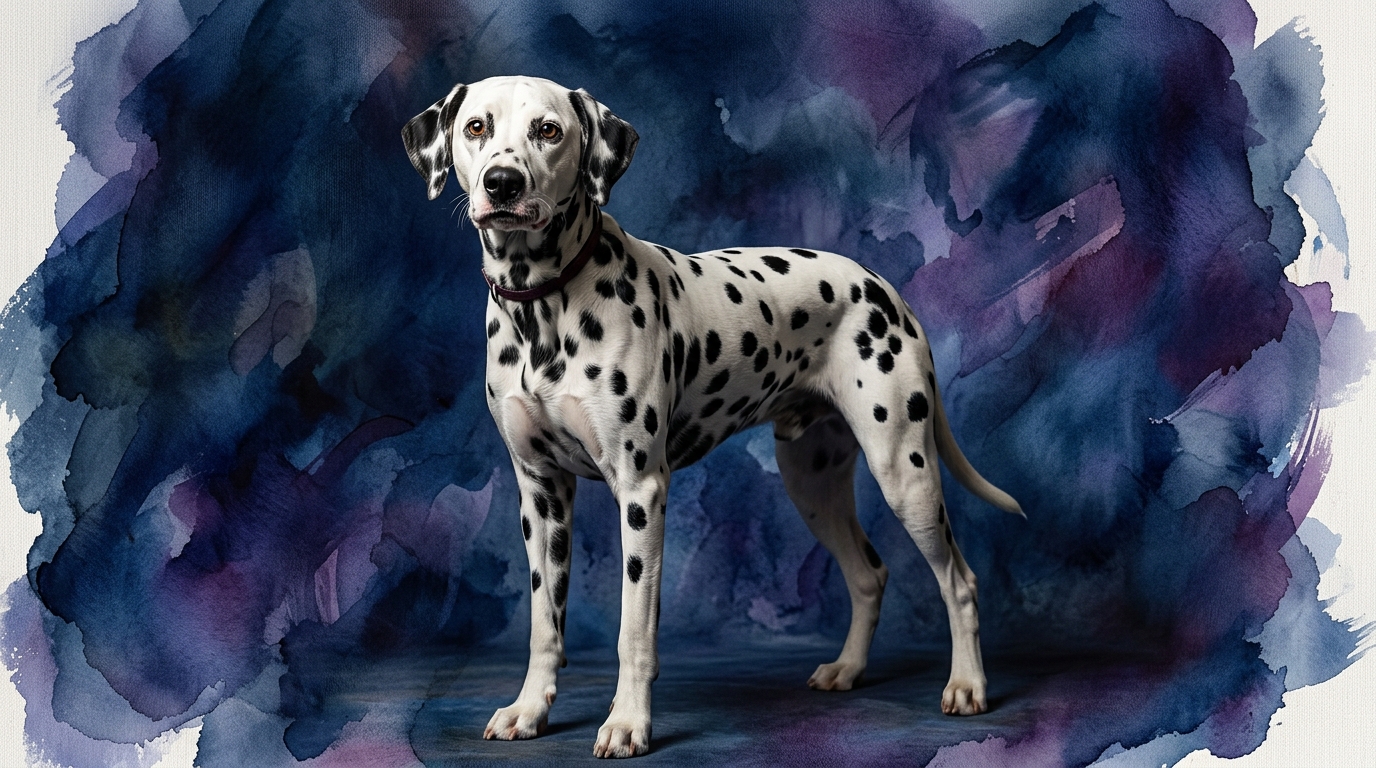
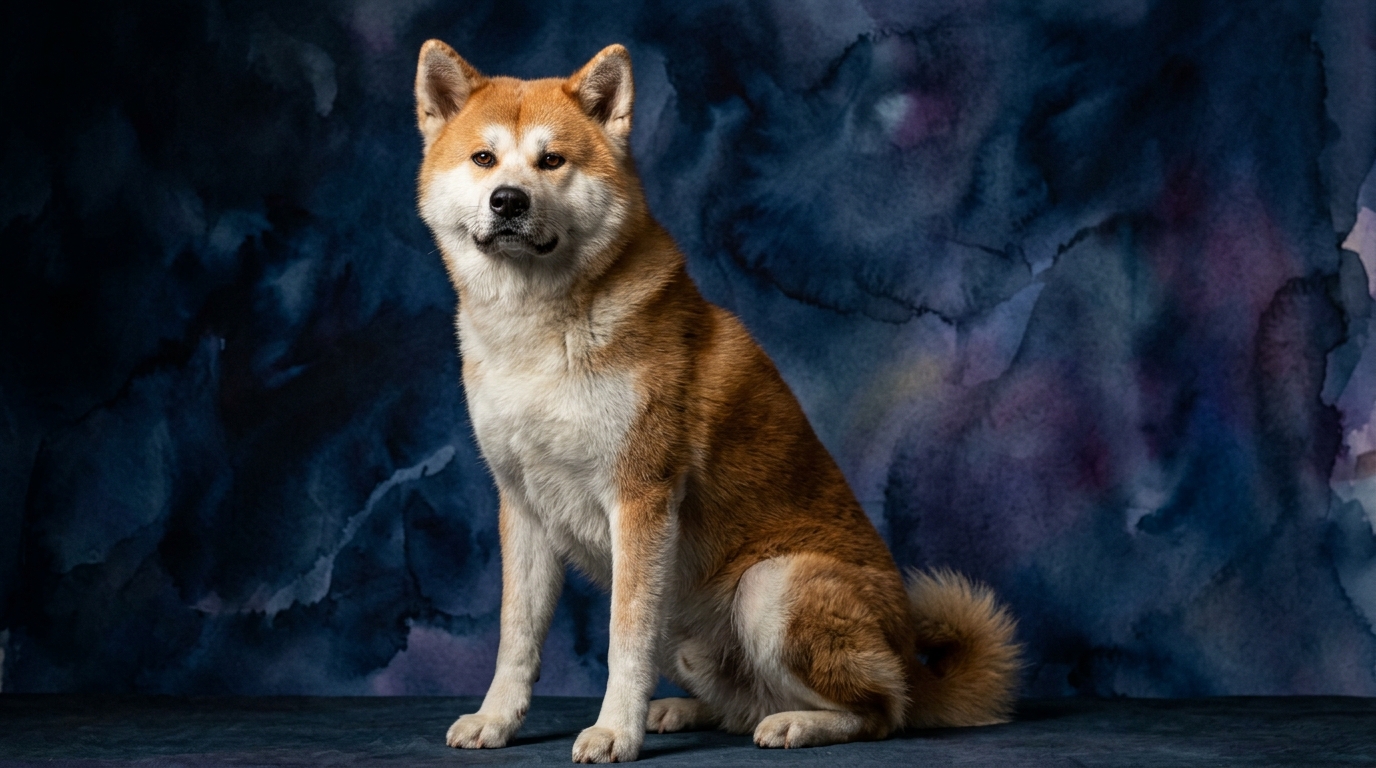
At The Cosmic Pet's IQ Lab, we evaluate canine intelligence across five key dimensions, offering a nuanced view of how breeds learn and interact. For the Dalmatian, originating from the Non-Sporting group, their Coren ranking of #39 suggests a capable mind, while the Akita, a Working breed, with a Coren ranking of #54, presents a different set of cognitive strengths.
The Dalmatian's profile includes Problem Solving at 3/5, indicating an average capacity for independent thought and navigating novel situations. Their Training Speed is also 3/5, suggesting they grasp new commands and routines at a steady pace. Where they truly shine is in Social Intelligence at 4/5, reflecting a strong desire for interaction and understanding of human cues, complemented by an Instinctive Drive of 4/5, often seen in their historical role as coach dogs. Finally, their Memory scores a robust 4/5, meaning they retain learned behaviors and experiences quite well.
The Akita’s cognitive blueprint tells a story of a powerful, discerning breed. Their Problem Solving capability matches the Dalmatian at 3/5, showing an equal capacity for figuring things out, albeit often with a different motivation. Their Training Speed, however, is rated lower at 2/5, indicating a more deliberate and independent approach to learning. Social Intelligence for the Akita stands at 3/5, suggesting a more reserved interaction style compared to the Dalmatian. Their most prominent trait is an Instinctive Drive of 5/5, signifying an exceptionally strong internal compass and inherent purpose, often tied to guardianship. Similar to Dalmatians, their Memory is strong at 4/5, allowing them to recall complex sequences and experiences effectively.
Where the Dalmatian Wins Cognitively
The Dalmatian's cognitive edge largely rests in their social aptitude and eagerness to engage. With a Social Intelligence score of 4/5, they demonstrate a keen awareness of human emotions and social structures, often seeking to be an integral part of family activities. This translates to a dog that is typically more attuned to their owner's mood and intentions, making them responsive companions in shared environments.
Their slightly higher Training Speed (3/5 vs. Akita's 2/5) further supports their adaptability in learning new tasks and commands within a human-centric framework. A Dalmatian is generally quicker to connect an action with a reward or consequence, making the initial stages of obedience training often more fluid. Their 4/5 Memory ensures that once these connections are made, they are not easily forgotten, fostering a consistent behavioral pattern when properly reinforced.
Where the Akita Wins Cognitively
The Akita's cognitive strengths lie in their profound instinctive drive and the independent application of their problem-solving abilities. Possessing an Instinctive Drive of 5/5, the Akita operates with an unparalleled internal motivation, often expressed through protection, territoriality, and a strong sense of purpose. This high drive means they are exceptionally good at tasks that align with their inherent nature, such as guarding or surveying their environment, often making complex decisions without direct human input.
While their Problem Solving score is 3/5, on par with the Dalmatian, the context differs; an Akita's problem-solving is frequently directed by their powerful instincts. They might independently assess a situation and decide on a course of action that serves their protective role. Their 4/5 Memory supports this by allowing them to recall past experiences and effective strategies for managing their territory or protecting their family, making them formidable and reliable guardians once they understand their role.
Which is Easier to Train and Why?
When considering ease of training, the Dalmatian generally holds an advantage due to their higher Social Intelligence (4/5) and Training Speed (3/5). Dalmatians often possess a stronger desire to please their human companions, making them more receptive to positive reinforcement and traditional obedience methods. Their inherent gregariousness means they are usually more motivated by praise, play, and the opportunity for interaction, leading to quicker acquisition and retention of commands.
The Akita, with a Training Speed of 2/5 and Social Intelligence of 3/5, combined with a dominant Instinctive Drive of 5/5, presents a different training dynamic. They are capable learners, supported by their 3/5 Problem Solving and 4/5 Memory, but their independence means they often need to understand the 'why' behind a command or perceive its utility. Akitas thrive with consistent, fair, and patient training that respects their self-assured nature, often responding best to methods that appeal to their inherent drives rather than solely focusing on compliance. Training an Akita is more about partnership and earning respect than simple instruction.
Which Suits Active Owners vs. Relaxed Owners?
For active owners seeking a highly interactive and energetic canine partner, the Dalmatian is often the more fitting choice. Their history as coach dogs means they possess significant stamina and require considerable physical and mental exercise to thrive. They excel in activities like running, hiking, and canine sports, and their high Social Intelligence makes them eager participants in family adventures. Owners who can commit to daily rigorous exercise and engaging mental stimulation will find a loyal and enthusiastic companion.
The Akita, while powerful and requiring exercise, tends to suit owners who appreciate a more reserved, independent, and discerning companion, possibly with a different kind of 'active' lifestyle. While they need regular walks and mental engagement to prevent boredom, they are often less overtly demanding of constant interaction indoors than a Dalmatian. Owners who enjoy long, purposeful walks, have a secure yard, and can provide firm, consistent leadership while respecting their Akita's self-sufficient nature will find a devoted, if sometimes aloof, partner.
The Verdict
Choose a Dalmatian if you seek an energetic, highly social, and generally more biddable companion eager to participate in an active family life and traditional training.
Opt for an Akita if you value an independent, protective, and discerning companion, and are prepared for a nuanced training approach that respects their strong instincts and self-assured temperament.
🧠 Find Your Pet's IQ Score
Our Pet IQ Lab assessment covers 25+ tests across 5 cognitive dimensions — personalized to your breed.
Take the Full IQ Test →Frequently Asked Questions
Are Dalmatians good family dogs?
Dalmatians, with their 4/5 Social Intelligence, can be wonderful family dogs, thriving on interaction and inclusion. They generally get along well with children and other pets when properly socialized, but their high energy requires a family committed to providing ample exercise and mental engagement.
Do Akitas get along with other pets?
Akitas, possessing a strong 5/5 Instinctive Drive and 3/5 Social Intelligence, can be challenging with other pets due to their protective instincts and potential for same-sex aggression. Early and consistent socialization is crucial, and they often do best as the only dog or with a carefully introduced, submissive companion.
What kind of mental stimulation do these breeds need?
Dalmatians benefit from puzzle toys, scent work, and learning new tricks to engage their 3/5 Problem Solving and 4/5 Memory. Akitas, with their 3/5 Problem Solving and 5/5 Instinctive Drive, thrive on tasks that align with their guarding nature, structured training that challenges their independent thought, and activities that allow them to utilize their senses.