The Cosmic Pet Pet IQ Lab: Side-by-Side Cognitive Profiles
At The Cosmic Pet Pet IQ Lab, we evaluate canine intelligence across five key dimensions, providing a detailed understanding of each breed's cognitive strengths. This granular approach moves beyond general labels, offering insights into how Dalmatians and Bedlington Terriers process information, learn, and interact with their world.
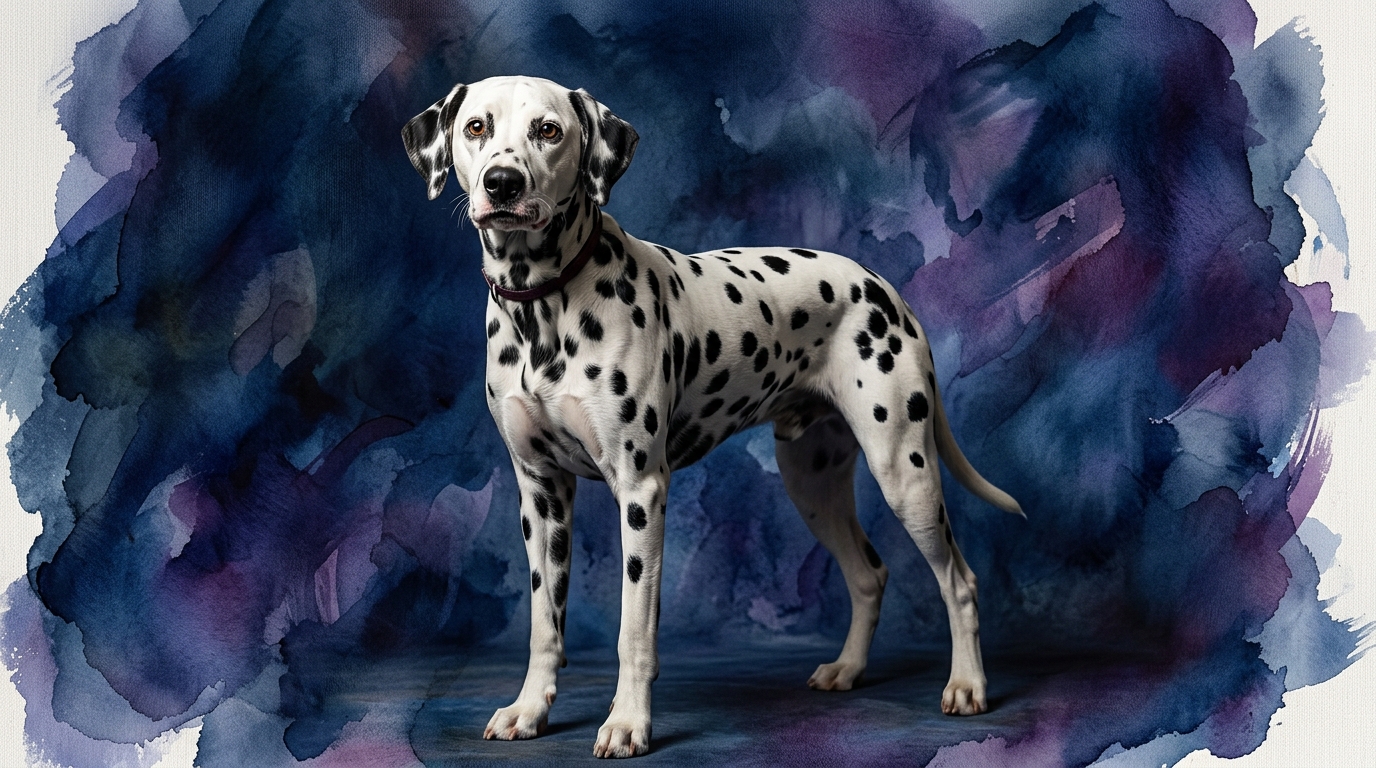
The Dalmatian, a member of the Non-Sporting Group, holds a Coren rank of #39, indicating a strong capacity for working and obedience intelligence. Their problem-solving ability is rated at 3/5, suggesting they can navigate novel situations effectively, though perhaps not always with immediate brilliance. Training speed is also 3/5, meaning they grasp new commands at a moderate pace, benefiting from consistent instruction. Where Dalmatians truly stand out is in their social intelligence, scoring 4/5, reflecting a keen awareness of human communication and social dynamics. Their instinctive drive is robust at 4/5, an echo of their historical role as carriage dogs requiring stamina and purpose. Finally, their memory is impressive at 4/5, allowing for excellent retention of routines and learned behaviors.
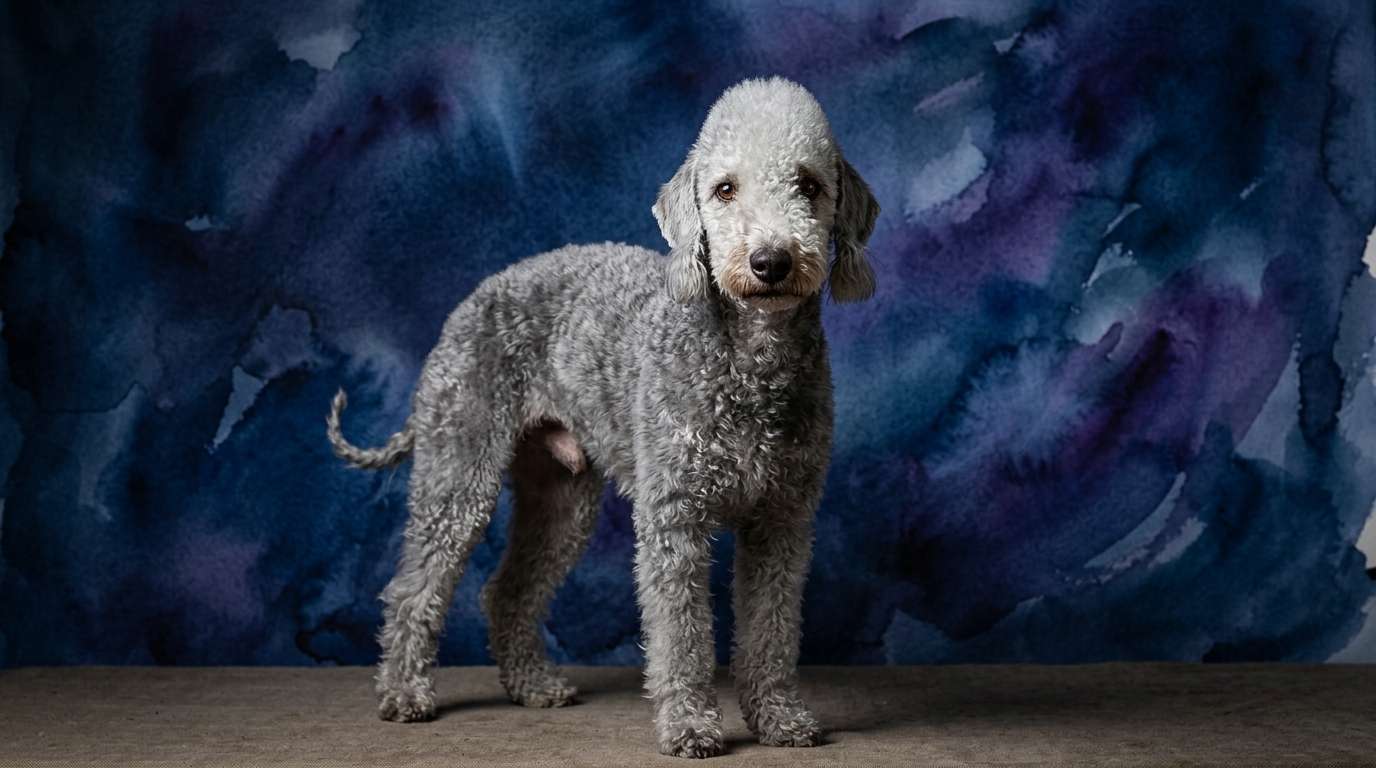
The Bedlington Terrier, belonging to the Terrier Group, is not listed on the Coren ranking, often due to their independent nature making standardized obedience tests less reflective of their specific type of intelligence. Their problem-solving ability matches the Dalmatian at 3/5, indicating a similar capacity to figure things out, albeit potentially with a different approach rooted in terrier tenacity. Training speed is also 3/5, meaning they too require patient, consistent methods to integrate new lessons. In contrast to the Dalmatian, their social intelligence is rated at 3/5, suggesting they are capable of forming bonds but might be less overtly attuned to subtle human cues. Their instinctive drive is 3/5, still present but perhaps more focused on tasks like chasing and digging rather than sustained collaborative work. Their memory is rated at 3/5, indicating a solid ability to recall information, though perhaps not with the same depth or longevity as the Dalmatian.
Where the Dalmatian Excels Cognitively
The Dalmatian's cognitive profile reveals distinct advantages, particularly in areas crucial for companionship and structured activities. Their superior social intelligence, rated at 4/5 compared to the Bedlington's 3/5, means Dalmatians are generally more adept at interpreting human intentions and emotional states. This makes them highly responsive to their owners, often forming deep, empathetic connections and demonstrating a greater willingness to engage in cooperative tasks based on subtle cues.
Furthermore, the Dalmatian's higher instinctive drive (4/5) and memory (4/5) collectively contribute to a stronger aptitude for purpose-driven activities. Their historical role as carriage dogs instilled a profound capacity for endurance and focus, translating into a natural inclination to work alongside humans over extended periods. This drive, combined with excellent memory, allows them to master and retain complex sequences of commands or perform intricate routines with remarkable consistency, making them particularly well-suited for advanced obedience, agility, or even search and rescue roles where sustained attention and recall are paramount.
Unique Cognitive Strengths of the Bedlington Terrier
While the Bedlington Terrier's numerical scores might appear lower in some areas, their cognitive strengths are deeply rooted in their terrier heritage, manifesting in distinct ways. Their problem-solving ability, rated 3/5 like the Dalmatian, is often characterized by an independent, persistent approach. A Bedlington faced with a challenge, whether it’s finding a hidden treat or navigating an unfamiliar space, will typically employ a tenacious, trial-and-error strategy, often undeterred by initial failures. This resilience in figuring things out on their own can be a significant asset in certain environments.
The Bedlington's instinctive drive, at 3/5, while not as high as the Dalmatian's, is intensely focused on specific terrier pursuits: digging, chasing, and exploring. This drive, combined with their moderate problem-solving, means they are exceptionally motivated to engage with tasks that mimic hunting or discovery. This intrinsic motivation, when properly channeled, can make them incredibly effective at scent work or earthdog trials, where their natural instincts are directly rewarded. For owners seeking a dog with a robust, self-directed curiosity and a determination to achieve its own goals, the Bedlington’s cognitive makeup presents a unique and engaging challenge.
Training Dynamics: Dalmatian vs. Bedlington Terrier
When it comes to ease of training, the Dalmatian generally holds an edge due to its higher social intelligence and memory. A Dalmatian's 4/5 social intelligence means they are often more eager to please and quicker to understand human vocalizations and body language, making the initial stages of training smoother. Their 4/5 memory ensures that once a command is learned, it is retained effectively, leading to greater consistency in performance. This breed's instinctive drive can be skillfully harnessed; if training incorporates movement, speed, or a 'job' to do, Dalmatians often respond with enthusiasm, channeling their natural energy into focused learning.
The Bedlington Terrier, with scores of 3/5 across problem-solving, training speed, social intelligence, and memory, presents a different training landscape. Their independent terrier spirit means they can sometimes be more challenging to motivate through sheer desire to please. They are capable of learning at a moderate pace, but their lower social intelligence might require more explicit, consistent cues and less reliance on subtle owner expressions. Training a Bedlington often demands patience, creativity, and a strong understanding of positive reinforcement to make lessons engaging and worthwhile from their perspective. They excel when tasks align with their natural prey drive or curiosity, making 'boring' repetitions less effective. Owners must be prepared to be more inventive, ensuring training feels like a game or a rewarding pursuit rather than a chore, to overcome their inherent self-reliance and occasional stubbornness.
Lifestyle Match: Active vs. Relaxed Owners
Matching a dog's cognitive and physical needs to an owner's lifestyle is crucial for a harmonious relationship. The Dalmatian, with its significant instinctive drive of 4/5 and historical role as a carriage dog, is undeniably suited for active owners. These dogs possess remarkable stamina and require substantial daily physical and mental exercise to thrive. They are ideal companions for individuals or families who enjoy long runs, hiking, cycling, or engaging in dog sports like agility, canicross, or flyball. A Dalmatian thrives on having a 'job' and consistent engagement, and an owner who can provide structured activities that channel their energy and intelligence will find a deeply fulfilled and responsive companion. Without adequate stimulation, their considerable drive can lead to boredom and potentially destructive behaviors.
The Bedlington Terrier, while also an active breed, typically suits a slightly different type of owner. Their instinctive drive of 3/5 is still considerable, but it often manifests as bursts of energy for chasing, digging, and exploring rather than sustained, long-distance endurance. They need regular, vigorous exercise, including varied walks, off-leash play in secure areas, and plenty of opportunities for mental engagement through puzzle toys or scent games. They can adapt well to moderately active owners who enjoy varied outdoor activities and engaging in intense, shorter play sessions, but perhaps aren't looking for a marathon running partner. A 'relaxed' owner might find both breeds challenging, but the Bedlington's energy, while still significant, might be slightly more manageable in terms of its specific demands and forms of expression compared to the Dalmatian's unyielding endurance requirements.
The Verdict
Choose a Dalmatian if you seek a highly engaged, socially attuned companion capable of learning complex tasks and thriving on consistent, structured mental and physical challenges.
Opt for a Bedlington Terrier if you appreciate an independent, persistent companion, willing to dedicate time to patient, engaging training that taps into their natural curiosity and prey drive, and can provide a varied, stimulating environment.
🧠 Find Your Pet's IQ Score
Our Pet IQ Lab assessment covers 25+ tests across 5 cognitive dimensions — personalized to your breed.
Take the Full IQ Test →Frequently Asked Questions
Are Dalmatians difficult to train because of their energy?
While Dalmatians possess significant energy and instinctive drive, their high social intelligence and memory actually make them quite trainable for owners who understand how to channel their drive. Consistent, positive reinforcement and training that incorporates movement or a 'job' will yield excellent results. Their energy needs to be managed through ample exercise, not just in training.
Do Bedlington Terriers bark excessively?
Bedlington Terriers can be prone to barking, a common trait among many terrier breeds, especially when alerting to strangers, perceived threats, or when bored or lonely. Early socialization and consistent training can help manage this tendency, teaching them appropriate times to vocalize. Providing ample mental and physical stimulation is key to reducing nuisance barking.
Which breed is generally better for first-time dog owners?
Neither breed is typically recommended for novice dog owners due to their specific needs and strong personalities. However, if forced to choose, a Dalmatian's higher social intelligence might make them slightly more forgiving for a first-timer committed to extensive exercise and training. A Bedlington Terrier's independent nature and strong prey drive can be more challenging for someone without prior experience managing terrier traits.