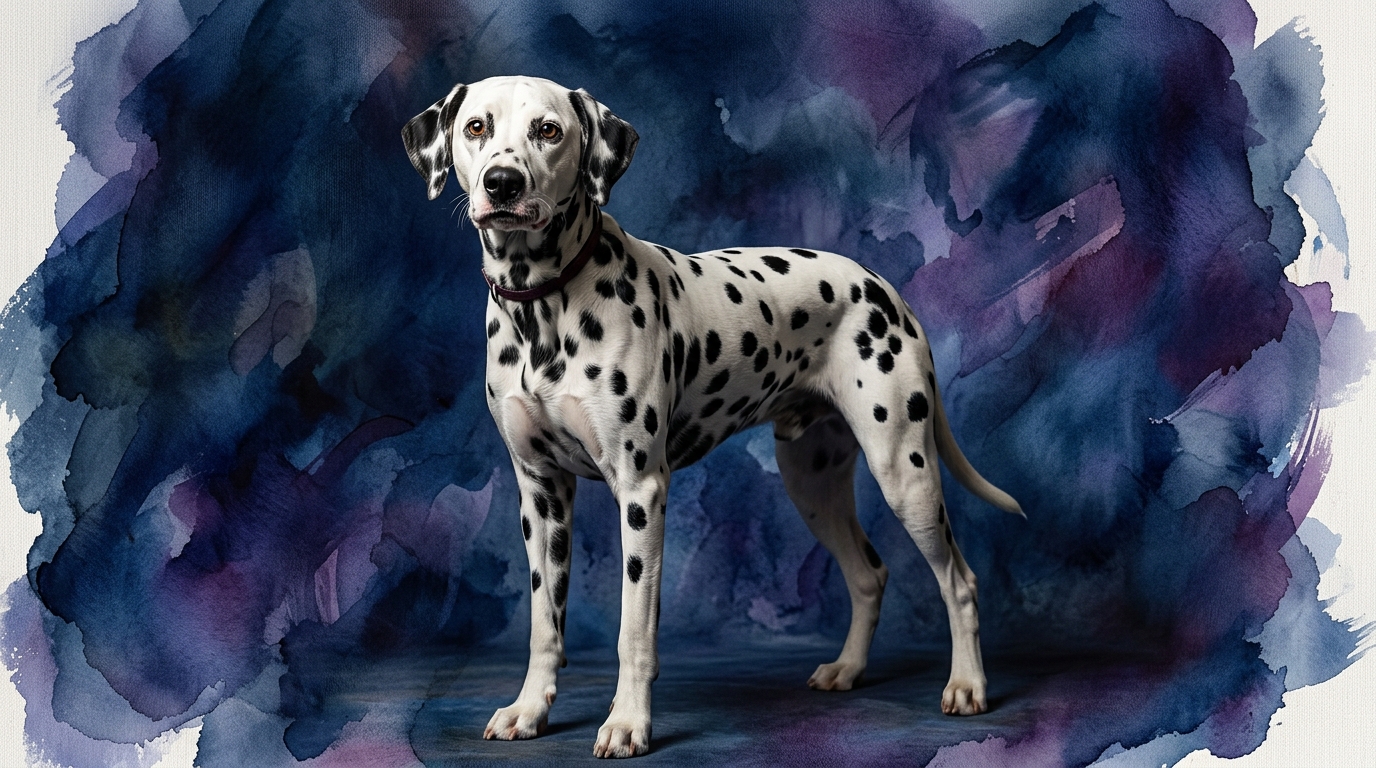
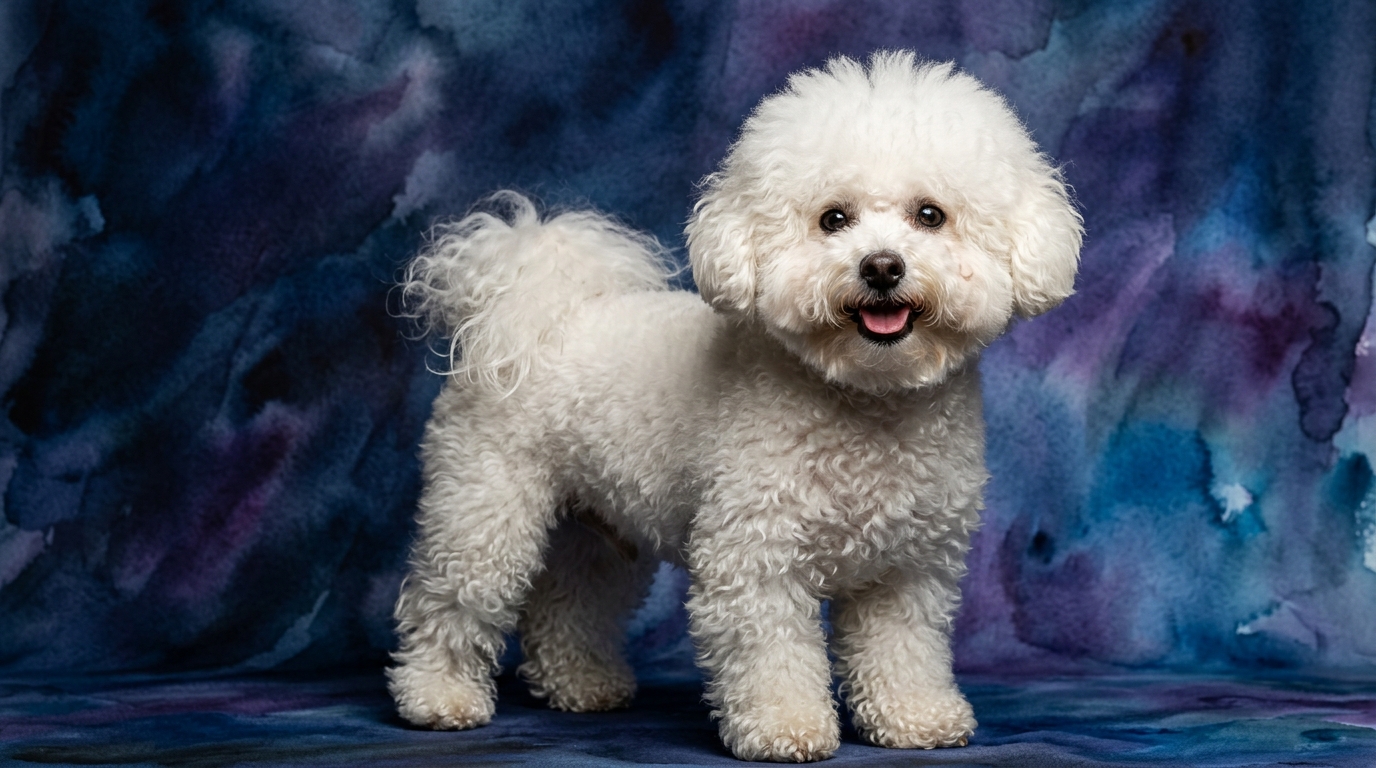
Side-by-Side IQ Profile: Dalmatian vs. Bichon Frisé
Our Pet IQ Lab assessment breaks down canine intelligence into five core dimensions, providing a comprehensive look at each breed's cognitive strengths. The Dalmatian, ranked #39 by Coren, presents a balanced profile with notable strengths in social awareness and memory. They exhibit a Problem Solving score of 3/5, indicating an ability to navigate challenges with some deliberation rather than immediate insight, and a Training Speed of 3/5, suggesting a moderate pace of learning new commands with consistent reinforcement. Their Social Intelligence is rated 4/5, reflecting a strong capacity to understand and respond to human emotions and social cues, while their Instinctive Drive of 4/5 points to a significant innate desire to work or follow a purpose, often manifesting as a strong prey drive or need for a 'job.' Finally, their Memory score of 4/5 signifies an impressive ability to recall past experiences, commands, and routines.
The Bichon Frisé, with a Coren rank of #45, offers a profile that emphasizes their social aptitude and companion nature. Like the Dalmatian, they receive a Problem Solving score of 3/5, indicating a similar capacity for thoughtful problem-solving. Their Training Speed also stands at 3/5, suggesting they learn at a comparable rate to Dalmatians, though their motivations might differ. Where the Bichon truly distinguishes itself is in Social Intelligence, scoring a perfect 5/5, highlighting their exceptional ability to connect with humans, read subtle cues, and thrive on interaction. In contrast, their Instinctive Drive is lower at 2/5, meaning they are less driven by primal urges like hunting or herding and more focused on companionship. Their Memory score of 3/5 indicates a solid, though not exceptional, capacity for recall, allowing them to remember basic commands and routines effectively.
Where the Dalmatian Excels Cognitively
The Dalmatian's cognitive advantages are most apparent in areas demanding sustained focus, physical endurance, and a robust memory. Their 4/5 rating in Instinctive Drive is a significant differentiator, reflecting a historical role as carriage dogs that required them to run alongside horses for miles, demonstrating remarkable stamina and a purposeful disposition. This drive translates into a breed that often seeks an objective, whether it's accompanying an owner on a long hike, engaging in agility courses, or participating in scent work. Their innate motivation to follow through on a task, even when it’s physically demanding, showcases a cognitive resilience that allows them to push past simple distractions towards a goal.
Furthermore, the Dalmatian's 4/5 Memory score gives them an edge in retaining complex sequences of commands or navigating intricate environments. This strong recall benefits them in activities requiring precision and adherence to established patterns, such as advanced obedience or competitive dog sports where remembering a course layout is critical. Their ability to internalize and reproduce specific actions or routes over time is a testament to their cognitive processing for long-term retention. While their Problem Solving at 3/5 suggests they might not always find immediate solutions, their memory allows them to learn from past attempts and apply successful strategies more consistently in the future, making them effective learners through experience. This combination of drive and memory makes them particularly adept at tasks requiring both physical commitment and the recall of learned behaviors.
Where the Bichon Frisé Shines Cognitively
The Bichon Frisé's cognitive strengths lie predominantly in their unparalleled Social Intelligence, scoring an impressive 5/5. This perfect score indicates an exceptional capacity to understand human emotions, intentions, and social dynamics. They are incredibly perceptive to their owners' moods, often adjusting their behavior to provide comfort or solicit interaction as appropriate. This acute social awareness makes them highly responsive companions, capable of forming deep, intuitive bonds with their human families. Their ability to 'read the room' and adapt their demeanor is a sophisticated cognitive skill, allowing them to integrate seamlessly into diverse household environments and social situations.
Complementing their high social intelligence is their lower Instinctive Drive of 2/5. While this might seem like a deficit, it's actually a cognitive advantage for their role as a companion animal. Unlike breeds with strong working drives, the Bichon Frisé is less prone to independent pursuits like chasing small animals or extensive exploration, meaning their focus remains primarily on human interaction. This cognitive disposition makes them inherently more attentive to their owners and less distracted by external stimuli that might pull a more driven dog away. Their Problem Solving at 3/5, combined with their social acumen, means they can often figure out how to get what they want through charming interactions rather than brute force, demonstrating a nuanced understanding of their human environment and how to manipulate it positively for attention or comfort. This blend makes them adept at navigating the complexities of human-centric living with grace and charm.
Training Dynamics: Which Breed Learns Faster?
When comparing training dynamics, both the Dalmatian and the Bichon Frisé share a Training Speed score of 3/5, suggesting they learn at a moderate pace. However, the underlying factors influencing their trainability differ significantly, making the experience distinct for owners. The Dalmatian's 4/5 Instinctive Drive means they possess a strong will and can sometimes be independent thinkers. Their historical role required them to make decisions alongside carriages, not always waiting for direct commands. This can manifest as selective hearing if they are more interested in following a scent or observing their surroundings. Training a Dalmatian requires engaging their active minds and channeling their drive positively, often through varied and stimulating sessions that prevent boredom and capitalize on their desire for purpose. Consistent, firm but fair methods, coupled with early socialization, are crucial to manage their potential aloofness and ensure they remain responsive to their handler amidst distractions.
The Bichon Frisé, despite the same 3/5 Training Speed, often appears 'easier' to train due to their exceptional 5/5 Social Intelligence and lower 2/5 Instinctive Drive. They are inherently eager to please and highly motivated by human approval and positive reinforcement, making them very receptive to training methods that emphasize praise, treats, and affection. Their focus is primarily on their human companions, meaning fewer external distractions pull their attention during training sessions. While they may not grasp concepts instantly, their willingness to engage and their sensitivity to their owner's reactions mean they typically respond well to patient, consistent, and reward-based approaches. Their high social intelligence means they are quick to pick up on subtle cues from their trainer, making communication during training more fluid. However, their sensitive nature means harsh corrections are counterproductive and can lead to anxiety or a reluctance to engage.
Matching Breeds to Lifestyles: Active vs. Relaxed Owners
The cognitive profiles of the Dalmatian and Bichon Frisé clearly delineate their suitability for different owner lifestyles. The Dalmatian, with its 4/5 Instinctive Drive and historical working background, is unequivocally suited for active owners. These dogs require substantial daily exercise, not just for physical health but also for mental stimulation. Their cognitive makeup thrives on purpose and activity, making them ideal companions for individuals or families who enjoy long runs, hiking, cycling, or participating in dog sports like agility, flyball, or obedience trials. An owner who can provide consistent outlets for their energy and engage their problem-solving abilities will find a loyal and mentally fulfilled partner. Without adequate mental and physical engagement, a Dalmatian's strong drive can manifest as boredom-related behaviors, such as excessive chewing or destructive tendencies, highlighting the importance of matching their cognitive needs with an owner's capacity for activity.
Conversely, the Bichon Frisé, with its 5/5 Social Intelligence and 2/5 Instinctive Drive, is a perfect match for more relaxed owners or those seeking a devoted companion whose primary cognitive need is interaction. While they enjoy regular walks and playtime, their exercise requirements are moderate, fitting well into a less intensely active lifestyle. Their exceptional social aptitude means they thrive on being an integral part of family life, enjoying cuddles, lap time, and consistent human companionship. Owners who prioritize social bonding, gentle play, and a consistent, loving presence will find the Bichon Frisé to be a cognitively satisfied and affectionate companion. Their lower drive means they are less likely to seek out independent adventures or require complex 'jobs,' preferring instead to be close to their people, making them an excellent choice for apartment dwellers or those with a more leisurely pace of life.
The Verdict
Choose the Dalmatian if you are an active owner seeking a purpose-driven companion with strong memory and physical stamina, ready to engage in consistent mental and physical challenges.
Opt for the Bichon Frisé if you desire a highly social, perceptive, and affectionate companion whose primary cognitive need is deep human interaction and a moderate activity level.
🧠 Find Your Pet's IQ Score
Our Pet IQ Lab assessment covers 25+ tests across 5 cognitive dimensions — personalized to your breed.
Take the Full IQ Test →Frequently Asked Questions
Is a Dalmatian hard to train?
Dalmatians have a 3/5 training speed and a 4/5 instinctive drive, meaning they learn at a moderate pace but can be independent. Consistent, engaging training that channels their drive and provides mental stimulation is key for success, managing their potential for selective hearing.
Are Bichon Frisés good for first-time dog owners?
Yes, Bichon Frisés can be excellent for first-time owners due to their 5/5 social intelligence and eagerness to please. Their lower instinctive drive makes them less prone to independent behaviors, and they thrive on positive reinforcement and consistent human interaction.
Which breed is better with children?
Both breeds can be good with children, but the Bichon Frisé's 5/5 social intelligence often makes them more naturally adaptable and patient in family settings. Dalmatians, with their higher energy and drive, require more supervision and early socialization to ensure harmonious interactions with younger family members.