Side-by-Side IQ Profile: Spotting the Differences
The Cosmic Pet Pet IQ Lab evaluates canine intelligence across five key dimensions: Problem Solving, Training Speed, Social Intelligence, Instinctive Drive, and Memory. These metrics provide a nuanced understanding of a breed's cognitive aptitudes, moving beyond simplistic labels to reveal the specific ways dogs interact with their world and learn from experiences.
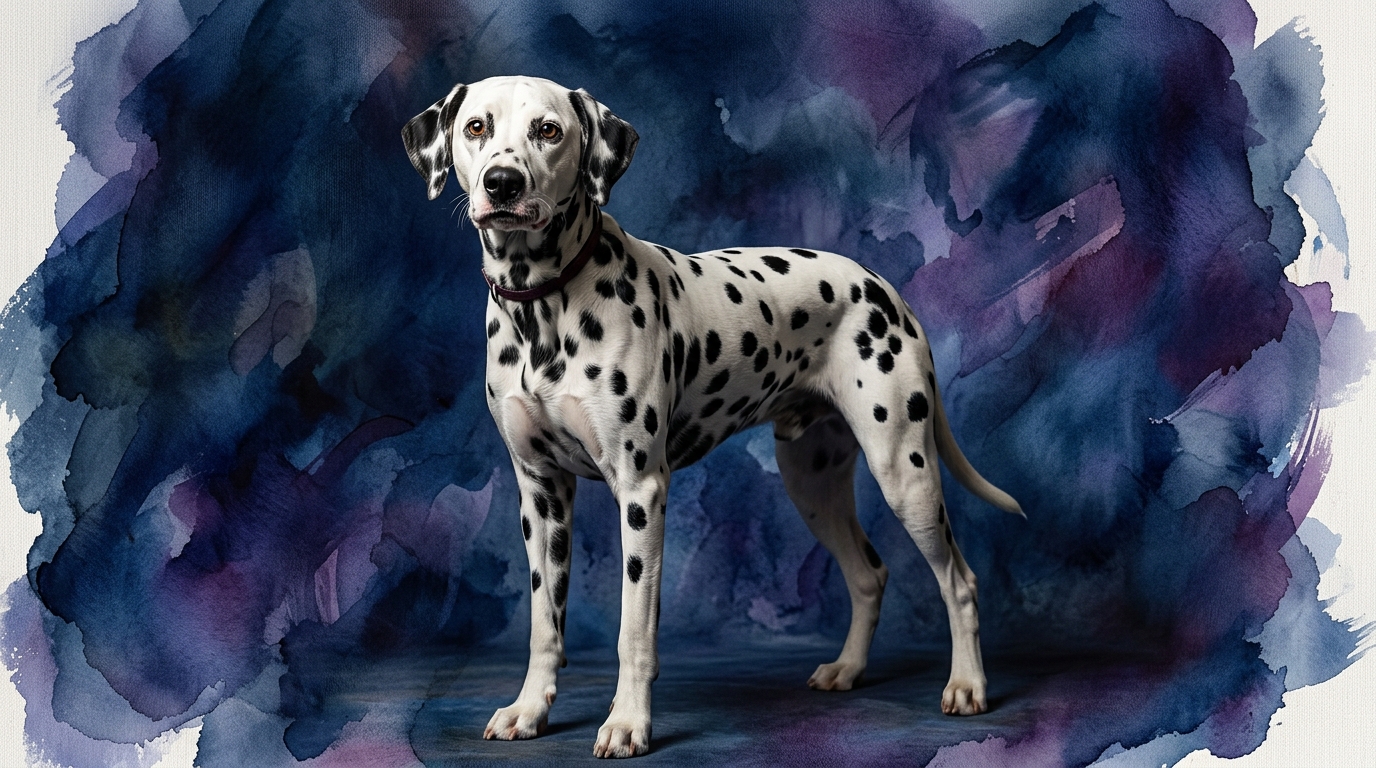
The Dalmatian, an elegant and athletic breed, scores as follows: Problem Solving 3/5, Training Speed 3/5, Social Intelligence 4/5, Instinctive Drive 4/5, and Memory 4/5. Historically a coach dog, trotting alongside carriages, Dalmatians developed a strong observational capacity and a need for purpose, reflected in their elevated social and instinctive drives. Their Coren ranking at #39 places them among breeds that demonstrate a solid understanding of new commands with fewer repetitions and a higher success rate on familiar commands.
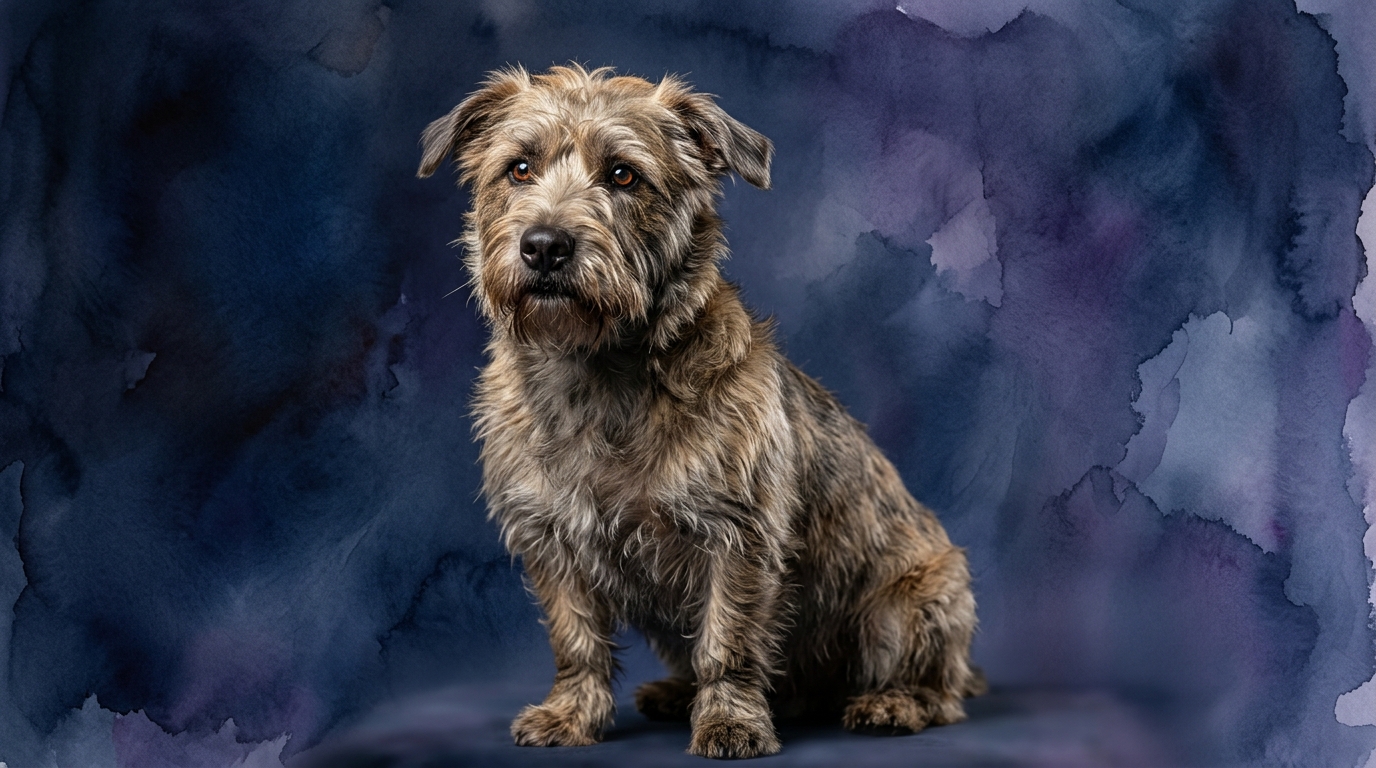
In contrast, the Glen of Imaal Terrier, a sturdy and tenacious terrier from Ireland, presents a different cognitive blueprint: Problem Solving 3/5, Training Speed 3/5, Social Intelligence 3/5, Instinctive Drive 3/5, and Memory 3/5. Unlike the Dalmatian, the Glen of Imaal Terrier does not appear in Coren's ranking, which often indicates a breed whose primary cognitive strengths lie outside the specific parameters of obedience-based intelligence testing. Bred for badger and fox hunting, their intelligence is rooted in independent, persistent work in challenging underground environments, requiring self-reliance rather than constant human direction.
While both breeds share a similar Problem Solving and Training Speed score of 3/5, their overall profiles diverge significantly, particularly in areas like Social Intelligence, Instinctive Drive, and Memory. These differences hint at distinct cognitive approaches and preferred modes of learning and interaction, shaped by centuries of selective breeding for specific tasks.
Where the Dalmatian Wins Cognitively
The Dalmatian's cognitive strengths shine brightest in areas requiring cooperative engagement, environmental awareness, and retention of routines. With a Social Intelligence score of 4/5, compared to the Glen's 3/5, Dalmatians exhibit a more pronounced ability to read and respond to human cues, understand social hierarchies, and integrate smoothly into family dynamics. This higher social aptitude translates into a dog that is often more attuned to its human companions' emotional states and intentions, making them effective partners in activities requiring synchronized effort.
Their Instinctive Drive of 4/5 (versus 3/5 for the Glen) reflects a profound need for purpose and activity, often manifesting as a strong desire to 'work' alongside their owners. This drive, historically channeled into accompanying coaches and horses, means Dalmatians thrive when given structured tasks, whether it's agility, long-distance running, or even complex scent work. It’s a drive for engagement and participation, rather than solitary pursuit.
Furthermore, the Dalmatian's Memory score of 4/5 (compared to the Glen's 3/5) indicates a superior capacity for remembering routes, routines, and previously learned commands over extended periods. This cognitive advantage makes them particularly adept at tasks requiring sequential actions or recall of past experiences, such as navigating familiar paths or retaining a wide repertoire of tricks. Their ability to remember makes them reliable once a lesson is ingrained.
Where the Glen of Imaal Terrier Wins Cognitively
While the Glen of Imaal Terrier's scores are numerically lower or equal to the Dalmatian in most categories, its cognitive victories lie in its specialized terrier intellect: a tenacious, self-reliant, and persistent problem-solving approach. With a Problem Solving score of 3/5, identical to the Dalmatian, the Glen's application of this skill is distinctly different. Their historical role demanded independent thought to navigate complex underground tunnels, outsmarting prey without human intervention. This means their problem-solving often manifests as an unwavering determination to achieve a self-directed goal, such as digging to a perceived target or figuring out how to access a forbidden area, rather than solving a problem presented by a human.
The Glen's cognitive strength is in its sheer grit and independence. Unlike the more socially dependent Dalmatian, the Glen possesses a robust self-sufficiency, enabling it to work effectively without constant reassurance or direction. This independent nature, while sometimes perceived as stubbornness in training, is a cognitive asset in situations requiring a dog to think for itself and persevere against obstacles. They are less likely to give up on a task once they've set their mind to it, a trait invaluable for a working terrier.
Their lower Social Intelligence and Instinctive Drive scores (both 3/5) are not weaknesses but rather indicators of a different kind of operational intelligence. The Glen's drive is internal and task-specific, focused on the hunt or exploration, allowing it to operate autonomously. This makes them exceptionally skilled at tasks requiring single-minded focus and resilience, where a more socially-driven dog might seek human input or approval. They are champions of determined, solitary endeavor.
Which is Easier to Train and Why
When considering ease of training, the Dalmatian generally presents a more straightforward path for cooperative obedience, despite both breeds sharing a Training Speed score of 3/5. The Dalmatian's higher Social Intelligence (4/5) means they are more naturally inclined to observe and respond to human cues, seeking interaction and understanding. Their superior Memory (4/5) allows them to retain commands and routines more effectively over time, making consistency pay off readily. Furthermore, their Instinctive Drive (4/5) can be effectively channeled into learning and performing tasks when motivated by positive reinforcement and engaging activities, making them eager participants in structured training sessions.
The Glen of Imaal Terrier, while equally capable of learning, requires a different training approach due to its independent nature and lower Social Intelligence (3/5) and Memory (3/5). Glens were bred to make their own decisions underground, not to follow every human command instantly. Their problem-solving (3/5) is often directed towards their own agenda, and they possess a terrier tenacity that can be interpreted as stubbornness. Training a Glen demands significant patience, creative motivation, and an understanding of their self-directed problem-solving. They respond best to fair, consistent methods and often require more repetitions to solidify commands, but once learned, their actions can be quite reliable in their own context. Owners must embrace their independent spirit, making training a collaborative negotiation rather than simple instruction.
Which Suits Active Owners vs. Relaxed Owners
The Dalmatian is unequivocally suited for active owners. Their 4/5 Instinctive Drive points to a profound need for significant physical exercise and mental engagement daily. These dogs thrive on long runs, hikes, agility, and other structured activities that allow them to expend their considerable energy and satisfy their desire for purpose. A Dalmatian that doesn't receive adequate stimulation can develop behavioral challenges stemming from boredom and pent-up energy. Owners who enjoy an active lifestyle and want a canine companion to join them in various sports or outdoor adventures will find the Dalmatian a willing and enthusiastic partner. Their social nature means they prefer to engage in these activities with their human family.
The Glen of Imaal Terrier, while a working breed, generally suits a more 'relaxed' owner in terms of sheer physical output compared to the Dalmatian, but still requires consistent engagement. Their 3/5 Instinctive Drive means they need regular, moderate exercise, but they are often content with a good daily walk, some playtime, and opportunities for scent work or digging in a secure area. They are less about endless miles and more about purposeful activity. Owners who appreciate a dog with an independent streak, who can be content entertaining themselves for periods but still enjoy focused one-on-one interaction and brain games, might find a Glen a good fit. They are not couch potatoes, but their energy is often more contained and less frantic than many other terrier breeds, making them suitable for owners who enjoy a calmer pace at home but are still committed to daily mental and physical stimulation.
The Verdict
Choose a Dalmatian if you seek a highly social, purpose-driven companion for an active lifestyle, thriving on cooperative tasks and consistent engagement.
Opt for a Glen of Imaal Terrier if you appreciate an independent, tenacious problem-solver for a moderately active home, valuing their self-reliant spirit and specific working intelligence.
🧠 Find Your Pet's IQ Score
Our Pet IQ Lab assessment covers 25+ tests across 5 cognitive dimensions — personalized to your breed.
Take the Full IQ Test →Frequently Asked Questions
Do Dalmatians need a lot of exercise?
Yes, Dalmatians possess a high Instinctive Drive (4/5) and require substantial daily exercise and mental stimulation. They thrive on activities like running, hiking, and agility, needing consistent engagement to prevent boredom and channel their energy constructively.
Are Glen of Imaal Terriers difficult to train?
Glen of Imaal Terriers, while trainable (3/5 Training Speed), require patience and consistency due to their independent nature and self-directed problem-solving. They respond best to positive reinforcement and understanding their terrier drive, often taking more repetitions to solidify commands compared to more socially compliant breeds.
Which breed is better with children?
Both breeds can be good with children with proper socialization and training, but their approaches differ. Dalmatians (4/5 Social Intelligence) tend to be more attuned to family dynamics, while Glen of Imaal Terriers (3/5 Social Intelligence) are more independent and may prefer respectful, calm interactions. Supervision is always essential with any dog and child.