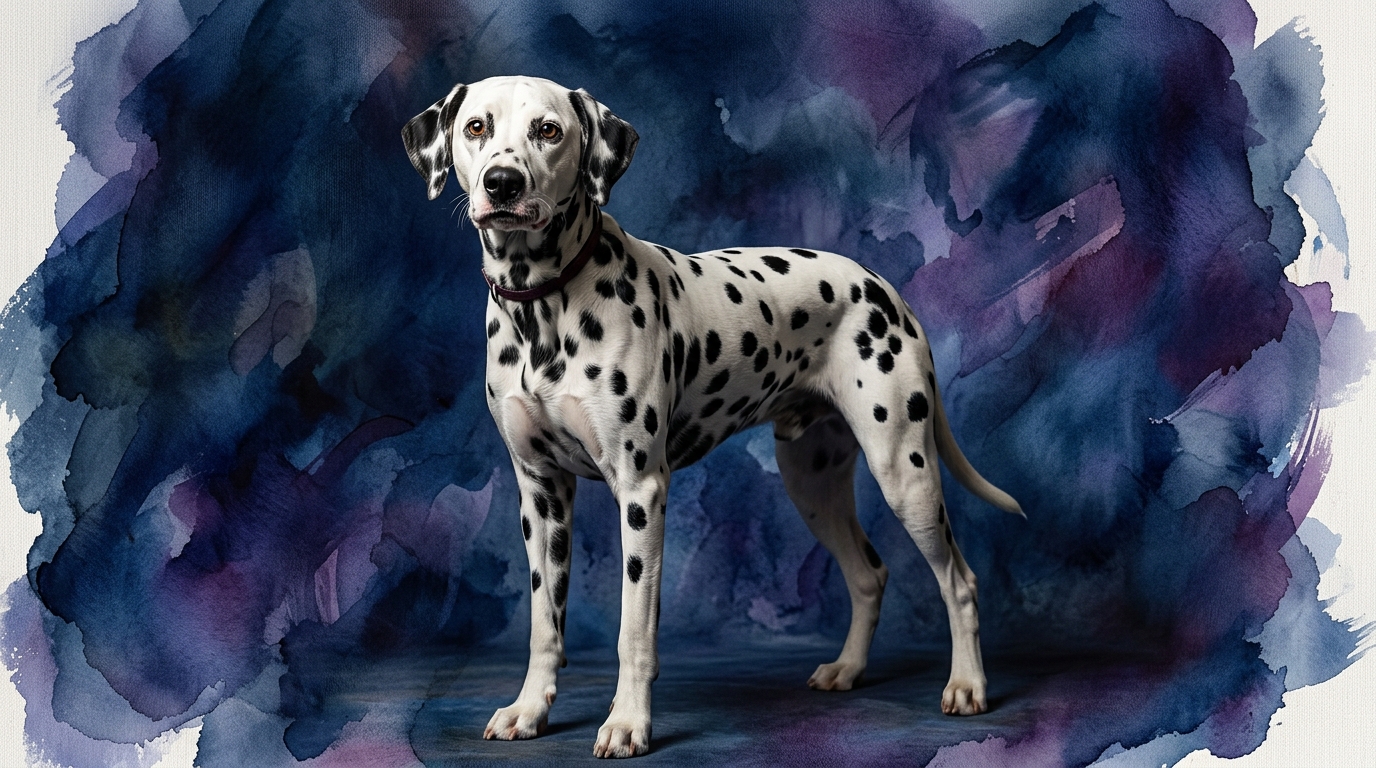
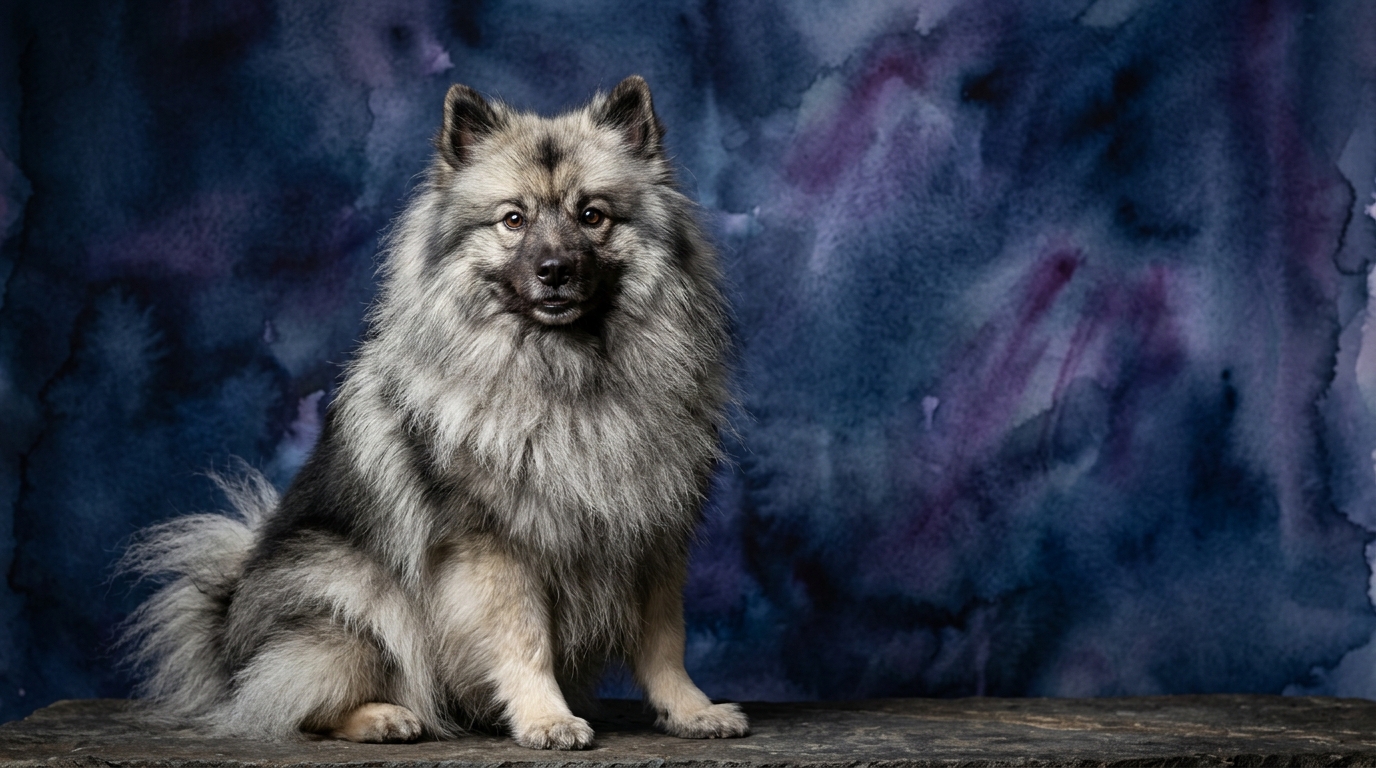
Side-by-Side IQ Profile
**Dalmatian:** This breed presents a balanced yet distinct cognitive blueprint. Their **Problem Solving (3/5)** indicates a moderate capacity for navigating novel challenges; they can learn simple puzzles, but complex, multi-step problems often require more guidance and repetition. **Training Speed (3/5)** is also moderate, meaning they pick up new commands and routines at an average pace, with consistency being key. Where they truly shine is **Social Intelligence (4/5)**, showing a keen ability to understand and respond to human cues and social dynamics, making them highly attuned companions. Their **Instinctive Drive (4/5)** is robust, reflecting a historical role requiring stamina and purposeful activity. Finally, their **Memory (4/5)** is strong, allowing them to retain learned commands, routines, and experiences effectively over time.
**Keeshond:** The Keeshond's cognitive strengths lean towards analytical processing and retention. Their **Problem Solving (4/5)** shows a commendable aptitude for ingenuity, often figuring out how to access desired items or navigate environmental challenges by connecting cause and effect with good understanding. Their **Training Speed (4/5)** is impressive; they grasp new commands and concepts relatively quickly, making them rewarding to train. **Social Intelligence (3/5)** is moderate; they read human emotions well within their close circle but can be reserved with strangers, taking time to warm up. **Instinctive Drive (3/5)** is moderate, aligning with their watchdog and companion heritage rather than intense working roles. The Keeshond's crowning cognitive achievement is their **Memory (5/5)**, demonstrating an exceptional ability to recall learned information, complex sequences, and past experiences with remarkable fidelity.
Where Dalmatian Wins Cognitively
The Dalmatian's cognitive profile shines particularly in areas involving social attunement and persistent, driven activity. Their social intelligence score of 4/5 indicates a keen ability to interpret human body language, vocal tones, and emotional states. This means a Dalmatian is often more perceptive to subtle shifts in an owner's mood or intentions, fostering a deep, responsive bond and readily adjusting their actions based on perceived human sentiment. They are more likely to initiate comfort-seeking behaviors or pick up on cues that indicate a game is over or that quiet time is needed simply by observing their human.
Furthermore, the Dalmatian's instinctive drive, also rated at 4/5, gives them an edge in sustained, purposeful engagement. Stemming from their heritage as carriage dogs, they possess an inherent desire for activity and a capacity for endurance. This translates into a breed that can maintain focus on tasks like long hikes or agility courses with self-motivated enthusiasm. Their drive makes them eager partners for consistent outdoor adventures, using persistent mental energy and social perceptiveness for engaged, interactive participation. This means they are often eager to participate in activities that tap into their natural inclination to move and explore, making them excellent companions for owners who enjoy consistent, vigorous outdoor adventures.
Where Keeshond Wins Cognitively
The Keeshond's cognitive strengths distinctly emerge in areas of analytical thinking, rapid learning, and unparalleled retention. Their problem-solving score of 4/5 indicates a breed that is often resourceful and capable of independent thought when faced with a challenge. A Keeshond might quickly deduce how to open a latch or untangle a toy, employing trial-and-error with high success. They connect actions with outcomes, devising effective strategies for achieving goals, whether it’s retrieving a dropped item or navigating a new environment.
Complementing this is their impressive training speed (4/5). Keeshonden tend to absorb new commands and behaviors with remarkable alacrity, often requiring fewer repetitions than many other breeds. This quick uptake means they can progress rapidly through training regimens, mastering complex sequences and advanced tricks efficiently. Their readiness to learn and process new information makes them a joy for trainers who appreciate a dog that catches on quickly.
However, the Keeshond’s crowning cognitive achievement is their memory, scoring a perfect 5/5. This exceptional recall means that once a Keeshond learns something, they are highly likely to remember it, even after extended periods, applying to commands, routines, experiences, and places. Such a powerful memory contributes significantly to their trainability and reliability, as established behaviors rarely fade, fostering a vast mental library for adapting to new situations. This superior retention makes them highly consistent performers and long-term learners.
Which Is Easier to Train and Why
When considering ease of training, the Keeshond generally holds an advantage over the Dalmatian, primarily due to its superior scores in training speed, problem-solving, and particularly, memory. The Keeshond's training speed of 4/5 means they grasp new concepts and commands relatively quickly, often requiring fewer repetitions to solidify a behavior. This is further amplified by their problem-solving ability (4/5), which allows them to understand the 'why' behind an action and apply learned principles to novel situations. For instance, if taught to retrieve one item, a Keeshond is more likely to generalize that concept to others. Their Coren rank of #16 further underscores their trainability.
The most significant factor, however, is the Keeshond's perfect 5/5 memory score. Once a Keeshond learns a command or routine, it tends to be deeply ingrained, leading to highly consistent performance over time. This means less need for refreshing old lessons and a greater capacity to build a complex repertoire of behaviors. In contrast, the Dalmatian's training speed (3/5) and problem-solving (3/5) are moderate. While certainly trainable, they may require more consistent repetition and patience to master new commands, aligning with their Coren rank of #39. Their impressive memory (4/5) helps retention, but initial acquisition may be slower. The Dalmatian's higher instinctive drive (4/5), while motivating, can also lead to distractions like scent-following, requiring more effort to maintain focus compared to the Keeshond.
Which Suits Active Owners vs. Relaxed Owners
The distinct cognitive and drive profiles of Dalmatians and Keeshonden naturally align with different owner lifestyles. The Dalmatian, with its 4/5 instinctive drive and 4/5 social intelligence, is generally a better fit for active owners who can provide consistent mental and physical engagement. Their high drive means they have a genuine need for structured activity, whether it's long runs, agility courses, or engaging in 'jobs' like scent work. Owners enjoying frequent outdoor adventures, dog sports, or an active household will find a Dalmatian's zest for life and endurance highly compatible. Their social intelligence means they thrive on interactive engagement, making them wonderful partners for shared activities; without outlets, they can become bored and channel their energy into less desirable behaviors.
Conversely, the Keeshond, with its moderate 3/5 instinctive drive, 4/5 problem-solving, and exceptional 5/5 memory, often suits owners with a more relaxed yet mentally stimulating approach to pet ownership. While they certainly enjoy walks and playtime, their need for intense, sustained physical activity is typically lower than a Dalmatian's. Instead, Keeshonden thrive on mental challenges, puzzle toys, and consistent training sessions tapping into their quick learning and superb memory. They are content with moderate daily exercise complemented by regular brain games. Owners enjoying teaching new tricks or obedience work will appreciate the Keeshond, whose slightly lower social intelligence with strangers suits those preferring a more reserved companion outside their immediate family.
The Verdict
For owners seeking a highly social, enduring companion eager for shared adventures and physical activity, the Dalmatian's robust drive and social perceptiveness make them an ideal match.
If you prioritize rapid learning, exceptional memory, and a clever problem-solver who excels in training and enjoys mental challenges, the Keeshond stands out as the superior choice.
🧠 Find Your Pet's IQ Score
Our Pet IQ Lab assessment covers 25+ tests across 5 cognitive dimensions — personalized to your breed.
Take the Full IQ Test →Frequently Asked Questions
Are Dalmatians difficult to train because of their moderate training speed?
Dalmatians aren't inherently difficult; their 3/5 training speed means they simply require more consistent repetition and patience than some other breeds. Their good memory (4/5) ensures that once a behavior is learned, it tends to stick, so persistence from the owner is key.
Does a Keeshond's perfect memory mean they never forget anything?
While a 5/5 memory is exceptional, it doesn't mean they never forget. It indicates a superior capacity for retention compared to most breeds, making them highly reliable in recalling commands and experiences over long periods, which greatly aids advanced training.
How does instinctive drive impact daily life for these two breeds?
A Dalmatian's 4/5 instinctive drive often translates to a need for more physical outlets like running or structured play, potentially leading to restlessness if not met. A Keeshond's 3/5 drive means they are generally satisfied with moderate exercise, making them more adaptable to varied daily routines, though mental stimulation remains important.