Side-by-Side Cognitive Profiles
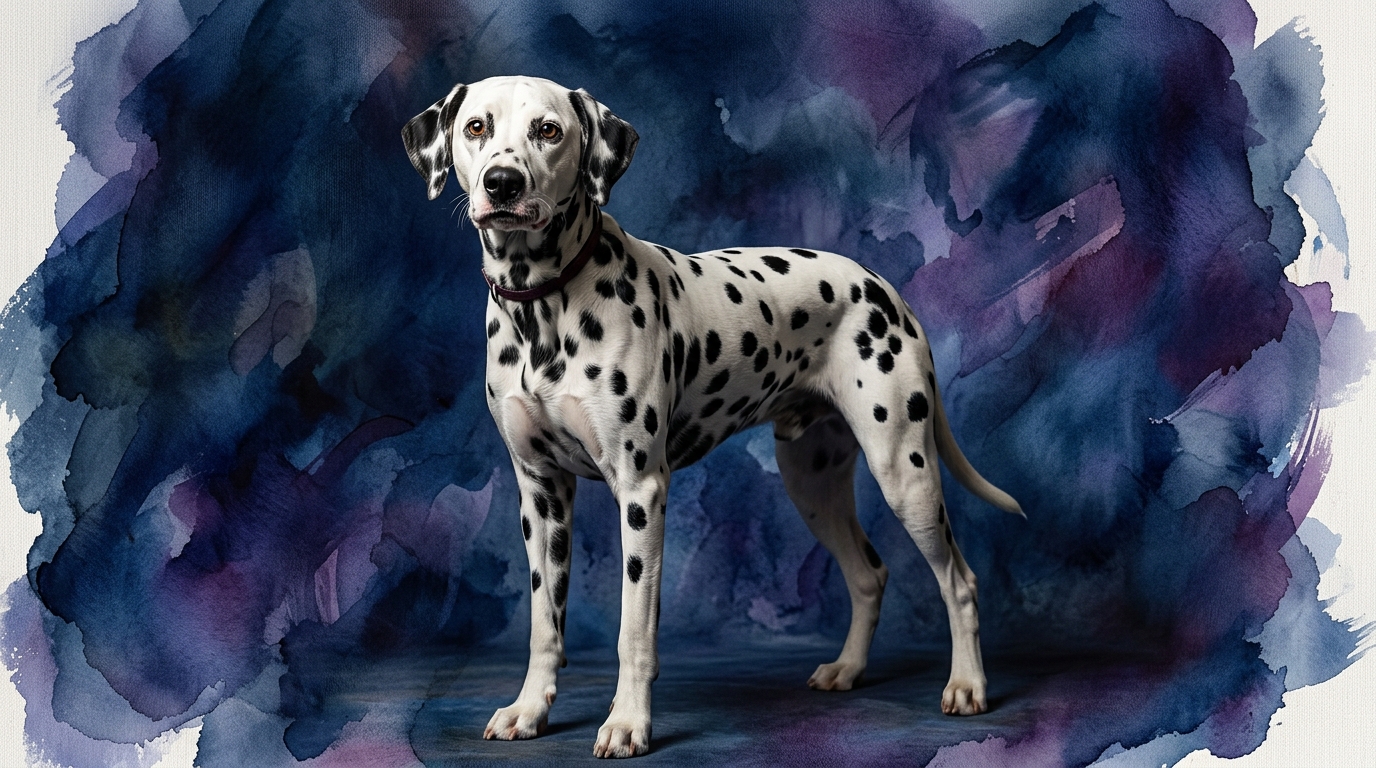
The Dalmatian, historically serving as a coach dog, showcases a balanced intellect with particular strengths in social dynamics and retention. Their Problem Solving is rated 3/5, indicating an ability to navigate moderately complex situations, like figuring out how to open a simple latch or retrieve a hidden toy after a few attempts. Training Speed also sits at 3/5, suggesting they grasp new commands and routines at a steady pace, requiring consistent, positive reinforcement. Where Dalmatians truly distinguish themselves are in Social Intelligence (4/5), meaning they are highly attuned to human emotions and social cues, often forming deep bonds and understanding subtle interactions. Their Instinctive Drive is also strong at 4/5, manifesting as a deep-seated desire for purposeful activity, often involving endurance and vigilance, reflecting their historical role. Finally, their Memory is rated 4/5, allowing them to retain complex sequences of commands or remember past interactions with remarkable clarity.
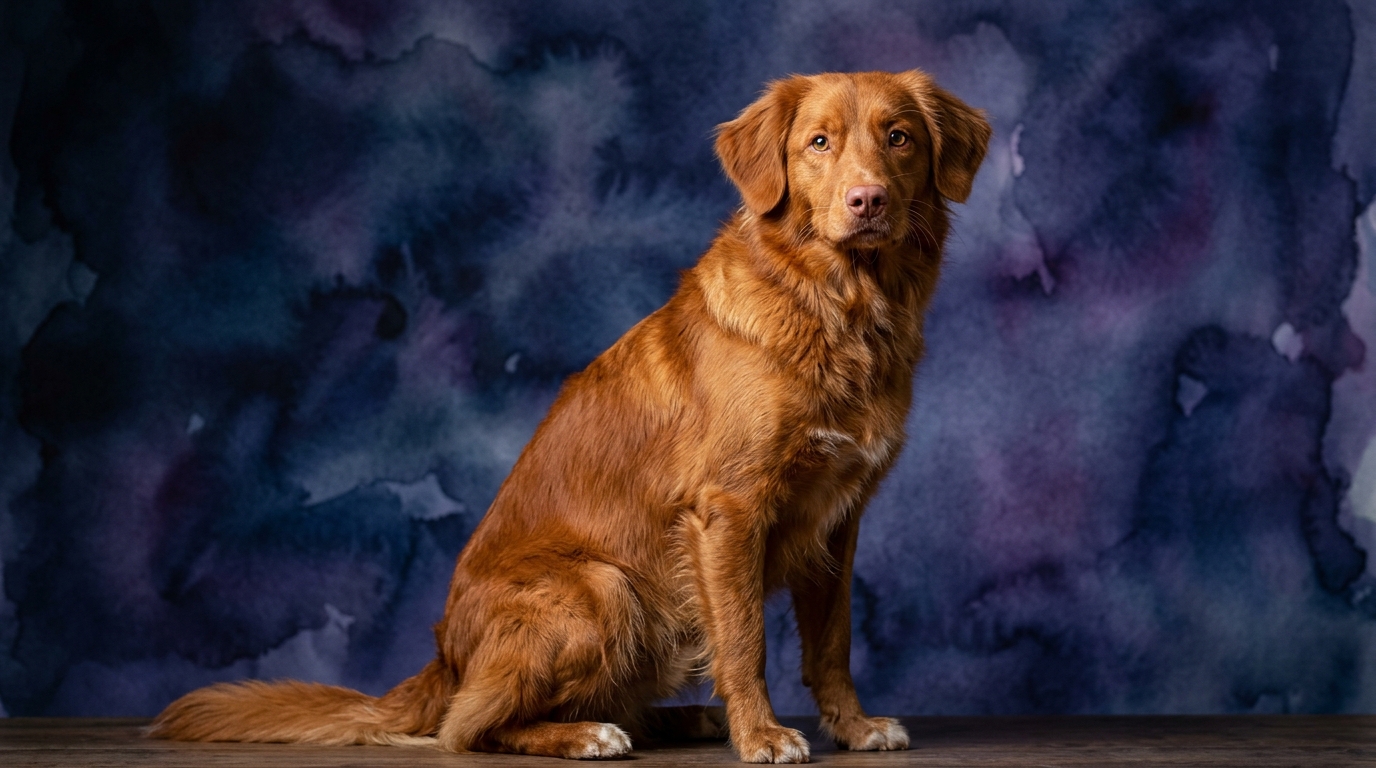
Hailing from Canada, the Nova Scotia Duck Tolling Retriever's cognitive profile is characterized by a consistent and purposeful intelligence, finely tuned for their retrieving heritage. Their Problem Solving is 3/5, mirroring the Dalmatian, showing they can analyze and overcome moderate challenges, perhaps related to finding a dropped item or navigating an obstacle course. Training Speed is also 3/5, meaning they learn at a comparable rate to the Dalmatian, responding well to engaging, reward-based methods. In Social Intelligence, Tollers score 3/5, indicating they are generally friendly and responsive to their family, though perhaps less acutely sensitive to nuanced social cues than the Dalmatian, often preferring a more direct engagement. Their Instinctive Drive, rated 3/5, is specifically channeled towards their breed function: the unique “tolling” behavior of luring waterfowl and proficient retrieving. While strong, it is distinct from the Dalmatian's endurance drive. Their Memory, at 3/5, means they can retain learned behaviors and recognize familiar individuals and places, though perhaps requiring slightly more reinforcement for long-term retention of intricate tasks compared to a Dalmatian.
Where the Dalmatian Excels Cognitively
The Dalmatian's cognitive advantages are most apparent in their superior Social Intelligence and robust Memory. With a 4/5 in Social Intelligence, Dalmatians often demonstrate an uncanny ability to read their human companions, anticipating needs or reacting sensitively to moods. This makes them exceptionally intuitive companions, often forming profound, empathetic connections, which can be invaluable in a family setting where understanding unspoken cues is essential. Their 4/5 Memory means they are adept at remembering lengthy command sequences, complex routines, and intricate social histories. This can translate into a dog that not only learns quickly but retains that knowledge over extended periods, making them excellent candidates for advanced obedience, trick training, or even service work where recall of many distinct commands is vital. Furthermore, their 4/5 Instinctive Drive, deeply rooted in their endurance-focused coach dog history, provides a relentless motivation for sustained physical activity and vigilance, translating into a dog that thrives on having a job that requires stamina and attentiveness.
Where the Nova Scotia Duck Tolling Retriever Shines Cognitively
While the Dalmatian excels in social nuance and memory, the Nova Scotia Duck Tolling Retriever's cognitive strengths lie in their focused, task-oriented application of their intelligence, particularly within their ancestral purpose. Their 3/5 Instinctive Drive, though numerically lower than the Dalmatian's, is exquisitely specialized for “tolling” and retrieving. This isn't just a generic drive; it's a specific, innate talent for luring waterfowl by playing at the water's edge, combined with a strong desire to retrieve. This precision in their drive means they are exceptionally motivated and effective in activities that mimic their historical role, such as fetch, dock diving, or actual retrieving work, often demonstrating a singular focus that can be less diffused than a broader endurance drive. Their balanced 3/5 scores across Problem Solving and Training Speed, combined with this specific drive, mean they approach new tasks with a practical, methodical mindset, making them highly effective and consistent learners when the task aligns with their inherent motivations. This can be a distinct advantage for owners seeking a dedicated partner for specific dog sports or outdoor activities where this focused drive is paramount.
Which is Easier to Train and Why
Both breeds share a 3/5 rating for Training Speed, suggesting they learn new commands at a similar, steady pace. However, the Dalmatian's higher Social Intelligence (4/5) and Memory (4/5) provide distinct advantages that can make them feel easier to train for certain owners. A Dalmatian's superior social intelligence means they are often more attuned to their handler's subtle body language, vocal inflections, and emotional states, allowing for more nuanced communication and quicker adjustments during training sessions. Their strong memory also means once a command or routine is learned, it is likely retained with less need for constant refreshing, allowing for faster progression to more complex tasks. Conversely, the Toller's 3/5 in these areas means they are certainly trainable, but they might require a more direct, consistent, and perhaps more repetitive approach. Their focus on the task itself, rather than complex social interplay, means trainers need to be clear and engaging. While they learn well, their memory might benefit from more frequent practice to solidify intricate behaviors, ensuring long-term retention. Therefore, for an owner who values subtle communication and rapid retention of complex sequences, the Dalmatian might present a smoother training experience, while the Toller thrives with a structured, engaging, and consistent training regimen that taps into their working drive.
Which Suits Active Owners vs. Relaxed Owners
Neither the Dalmatian nor the Nova Scotia Duck Tolling Retriever is truly suited for a “relaxed” or sedentary owner, as both possess significant energy and cognitive needs. However, their specific drives dictate the type of activity they require. The Dalmatian, with its 4/5 Instinctive Drive rooted in endurance and vigilance, thrives with consistent, vigorous exercise that covers distance. They were bred to run alongside carriages for miles, so long jogs, hiking, or sustained play sessions are crucial. Their higher Social Intelligence also means they benefit from activities that involve close interaction with their human, like agility or advanced obedience, where they can utilize their understanding of cues. An active owner for a Dalmatian is someone who enjoys daily long walks, runs, or structured activities that challenge both their body and their sharp mind, preventing boredom and potential mischief.
The Nova Scotia Duck Tolling Retriever, with its 3/5 Instinctive Drive focused on retrieving and “tolling,” also demands an active lifestyle, but one centered more on bursts of energy and mental engagement related to their hunting heritage. They excel at games of fetch, swimming, dock diving, and retrieving drills. Their problem-solving skills (3/5) are best engaged with tasks that require them to figure out how to get to a toy or complete a retrieving sequence. An active owner for a Toller is someone who enjoys interactive play, water activities, and providing consistent mental stimulation through puzzle toys or training sessions that mimic their working role, rather than just covering long distances. In essence, both need active owners, but the Dalmatian requires sustained endurance outlets, while the Toller thrives on focused, interactive, and often water-based work.
The Verdict
Choose a Dalmatian if you seek a highly intuitive companion who thrives on deep social connection, excels at remembering complex tasks, and requires a consistent outlet for their endurance and vigilance in a family-oriented setting.
Opt for a Nova Scotia Duck Tolling Retriever if you desire a focused, energetic partner for specific dog sports, retrieving tasks, or water activities, valuing a dog with a clear, task-oriented drive and a methodical approach to learning.
🧠 Find Your Pet's IQ Score
Our Pet IQ Lab assessment covers 25+ tests across 5 cognitive dimensions — personalized to your breed.
Take the Full IQ Test →Frequently Asked Questions
Do Dalmatians and Nova Scotia Duck Tolling Retrievers get along well with children?
Dalmatians, with their 4/5 social intelligence, can be very devoted family dogs, often forming strong bonds with children when properly socialized and trained. Tollers, at 3/5 social intelligence, are generally good-natured and playful, but their retrieving drive means they might be prone to “mouthiness” or herding behaviors if not guided. Both require supervision with very young children.
Which breed is more adaptable to different living environments, like apartments?
Neither breed is ideally suited for constant apartment living without significant daily effort from their owners. Dalmatians need ample space for their endurance needs and can become destructive if under-exercised, while Tollers require active mental and physical engagement that can be challenging to provide solely indoors. Both will thrive best in homes with yards and owners dedicated to extensive outdoor activity.
How do their grooming needs compare?
Both breeds have relatively low-maintenance coats. Dalmatians have short, dense coats that shed year-round, requiring regular brushing to manage hair. Nova Scotia Duck Tolling Retrievers have a medium-length double coat that is water-repellent, shedding seasonally and benefiting from weekly brushing to prevent matting and remove loose hair.