Side-by-Side Cognitive Profiles: Spotting the Nuances
To truly understand a dog's mental landscape, we utilize a multi-dimensional IQ profile, assessing five distinct cognitive areas: Problem Solving, Training Speed, Social Intelligence, Instinctive Drive, and Memory. This approach allows us to appreciate the specific ways each breed processes information and interacts with their world, rather than relying on a single, simplistic measure.
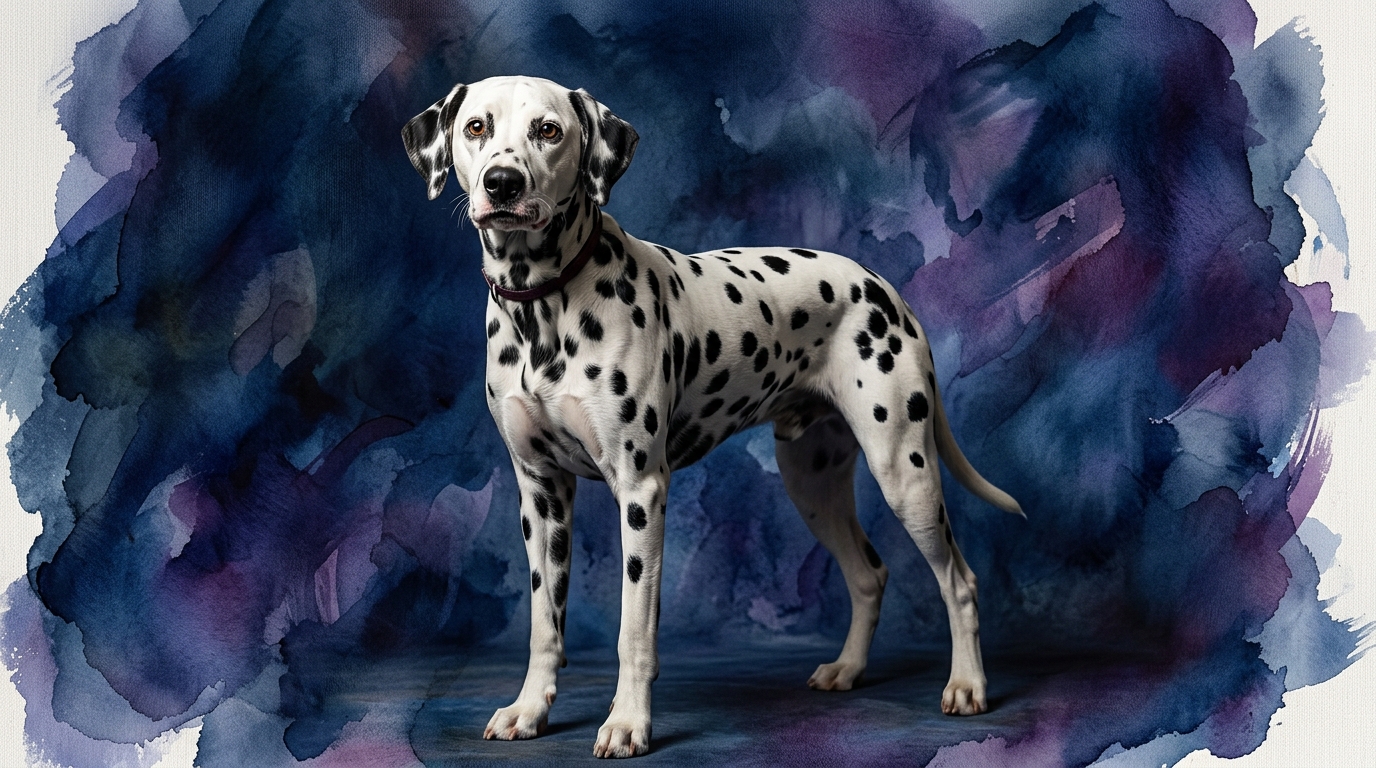
The Dalmatian, a breed with a Coren rank of #39, presents a profile reflecting their historical role as carriage dogs. They score 3/5 in Problem Solving, indicating a moderate capacity for navigating challenges, often in a structured, task-oriented manner. Their Training Speed is also 3/5, suggesting they are moderately receptive to learning new commands with consistent reinforcement. Where they truly distinguish themselves are in Social Intelligence (4/5), reflecting their close historical bond with humans and horses, Instinctive Drive (4/5), showcasing their stamina and protective nature, and Memory (4/5), crucial for recalling routes and routines over long distances.
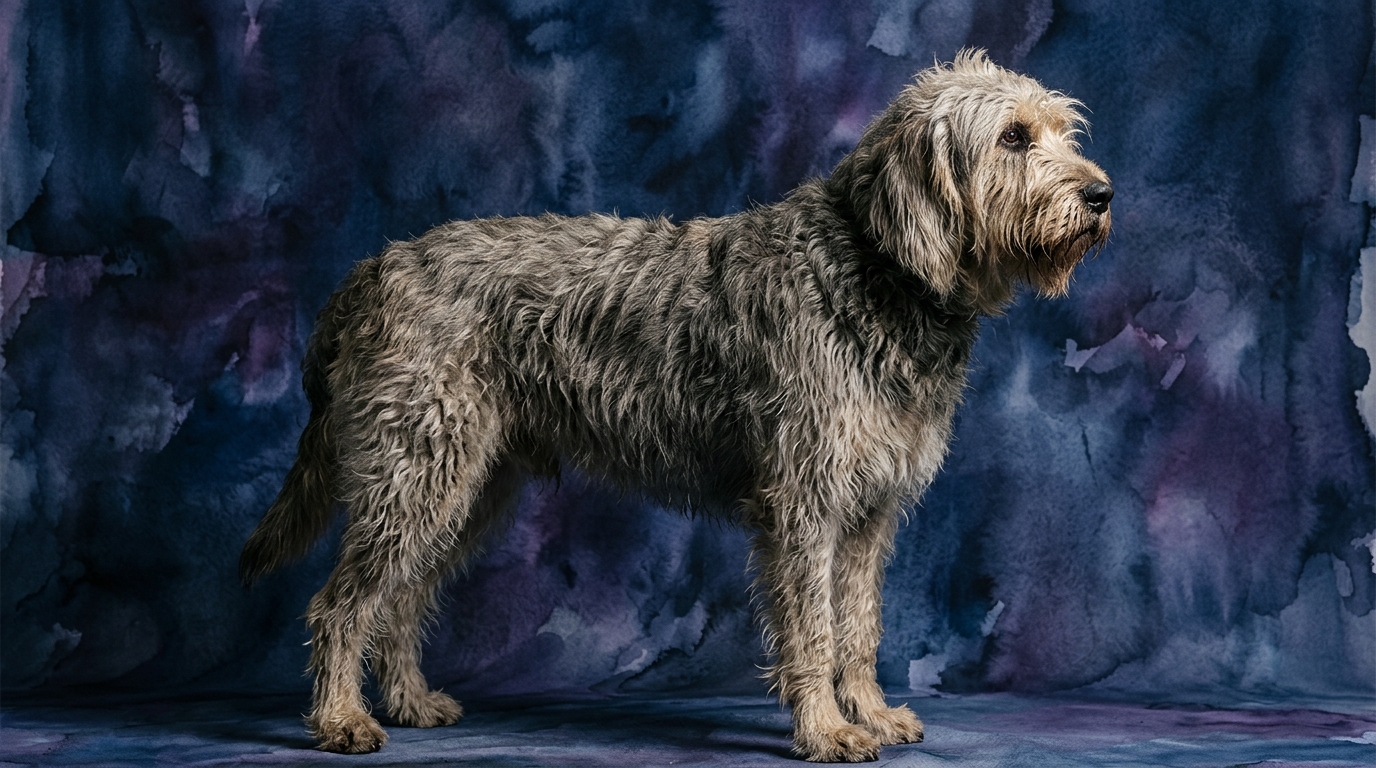
The Otterhound, a member of the Hound group and not ranked by Coren, exhibits a more uniform cognitive profile, consistently scoring 3/5 across all five dimensions. Their Problem Solving (3/5) is primarily geared towards scent-based puzzles, methodically tracking and deciphering complex olfactory information. Training Speed (3/5) reflects a moderate teachability, often influenced by their independent hound nature. Social Intelligence (3/5) suggests good interaction within their immediate family or pack but perhaps less external social attunement. Instinctive Drive (3/5) is heavily centered on their powerful scenting abilities and endurance for the hunt, while Memory (3/5) supports the recall of scent trails and established routines rather than complex human-centric tasks.
Where the Dalmatian's Mind Shines Brighter
The Dalmatian's cognitive profile reveals distinct advantages, particularly in areas of social interaction and sustained mental recall. Their superior Social Intelligence (4/5 compared to the Otterhound's 3/5) is a direct legacy of their coaching dog heritage. This isn't merely about being friendly; it involves a sophisticated ability to read human and equine cues, anticipate movements, and integrate seamlessly into dynamic social environments, making them highly attuned companions.
Furthermore, Dalmatians display a higher Instinctive Drive (4/5) and Memory (4/5). Their drive manifests as an impressive endurance and a natural protective instinct, honed from guarding carriages and accompanying travelers over vast distances. This strong drive, coupled with their robust memory, allows them to internalize complex routes, routines, and expectations, making them reliable partners for repetitive, long-duration activities where consistent performance and recall are paramount.
The Otterhound's Unique Cognitive Strengths
While the Otterhound's scores are consistently 3/5, the *nature* of their cognitive strengths is profoundly specialized and distinct. Their Problem Solving (3/5) is less about visual or social cues and more about an intricate, methodical analysis of scent. They excel at navigating complex olfactory landscapes, distinguishing specific targets amidst a myriad of smells, and persistently following a trail, demonstrating a focused, analytical intelligence tailored to their original purpose of hunting otter.
The Otterhound's Instinctive Drive (3/5) is an unwavering commitment to scent work, a deep-seated compulsion to pursue a trail regardless of obstacles or time. This drive, while not scoring higher, is incredibly powerful within its specific domain, requiring immense focus and stamina for independent work. Their Social Intelligence (3/5) is more rooted in pack dynamics; they are often genial and affectionate with their family but may exhibit less overt eagerness to please or interpret the subtle social cues of strangers compared to a Dalmatian, preferring the familiar comfort of their established human-canine unit.
Training Dynamics: Consistency vs. Independence
Both Dalmatians and Otterhounds share a Training Speed score of 3/5, indicating they are moderately trainable, but the underlying reasons and the approach required differ significantly. Dalmatians, with their higher social intelligence and memory, are often eager to engage in training when it's made stimulating and positive. They respond well to routines and can quickly associate commands with actions, particularly when their handler builds a strong, trusting relationship and provides consistent, engaging reinforcement. Their drive also means they thrive on having a 'job' to do, which can be channeled into training.
Otterhounds, while capable of learning, present a different training challenge due to their strong, independent hound nature and potent instinctive drive for scent. Their profound interest in olfactory stimuli means that a captivating smell can easily override any training command, making recall particularly challenging in unfenced areas. Training an Otterhound requires exceptional patience, unwavering consistency, and a deep understanding of their primary motivators. Success often comes from making training more rewarding and engaging than any potential distraction, utilizing their love for food or play, and understanding that they learn at their own pace, often requiring more repetition to solidify commands against their natural inclinations.
Matching Minds to Lifestyles: Active vs. Relaxed Owners
For owners seeking an active, engaged companion who thrives on shared experiences, the Dalmatian often presents a more suitable match. Their high instinctive drive (4/5) and memory (4/5) make them excellent partners for sustained physical activities like running, cycling, or long hikes, where they can utilize their endurance and recall routes. Their strong social intelligence (4/5) means they genuinely enjoy being involved in family activities and can adapt well to various social settings, making them ideal for owners who want a versatile, interactive 'co-pilot' in their daily adventures and a dog that thrives on consistent mental and physical engagement.
The Otterhound, while possessing stamina, appeals to a different type of 'active' owner. Their activity is often characterized by intense, focused bursts of scent-driven exploration rather than structured exercise. They are perfect for owners who appreciate a dog with an independent spirit and a passion for long, exploratory walks where they can follow their nose, even if it means deviating from a straight path. Owners must be prepared for a dog that sometimes prioritizes an interesting scent over immediate obedience. After a satisfying 'sniff-a-thon,' Otterhounds are often content to be quite relaxed indoors, enjoying quiet companionship. They require a securely fenced yard to prevent them from following a tempting scent trail into danger.
The Verdict
Choose a Dalmatian if you desire a responsive, socially attuned companion for shared endurance activities, who thrives on consistent interaction and varied mental stimulation.
Opt for an Otterhound if you appreciate an independent, scent-driven dog who enjoys methodical exploration and requires an owner patient enough to work with their strong instinctive drives.
🧠 Find Your Pet's IQ Score
Our Pet IQ Lab assessment covers 25+ tests across 5 cognitive dimensions — personalized to your breed.
Take the Full IQ Test →Frequently Asked Questions
Are Dalmatians difficult to train?
Dalmatians have a moderate training speed (3/5), meaning they are not inherently difficult but require consistency and engaging methods. Their social intelligence means they respond well to positive reinforcement and bond-based training, thriving on having a 'job' and clear expectations from their handler.
Do Otterhounds need a lot of exercise?
Otterhounds require regular exercise, but it's often best tailored to their strong scent drive, such as long, exploratory walks where they can sniff and track. While they have stamina, their need is less about structured running and more about mental engagement through olfactory work, followed by periods of calm.
Which breed is better with children?
Dalmatians, with their higher social intelligence (4/5) and adaptability, are generally considered good family dogs when properly socialized and trained. Otterhounds (3/5 social intelligence) can be gentle and affectionate with their own family, but their independent nature means interactions should always be supervised, especially with very young children.