Side-by-Side Cognitive Profiles: Dalmatian vs. PBGV
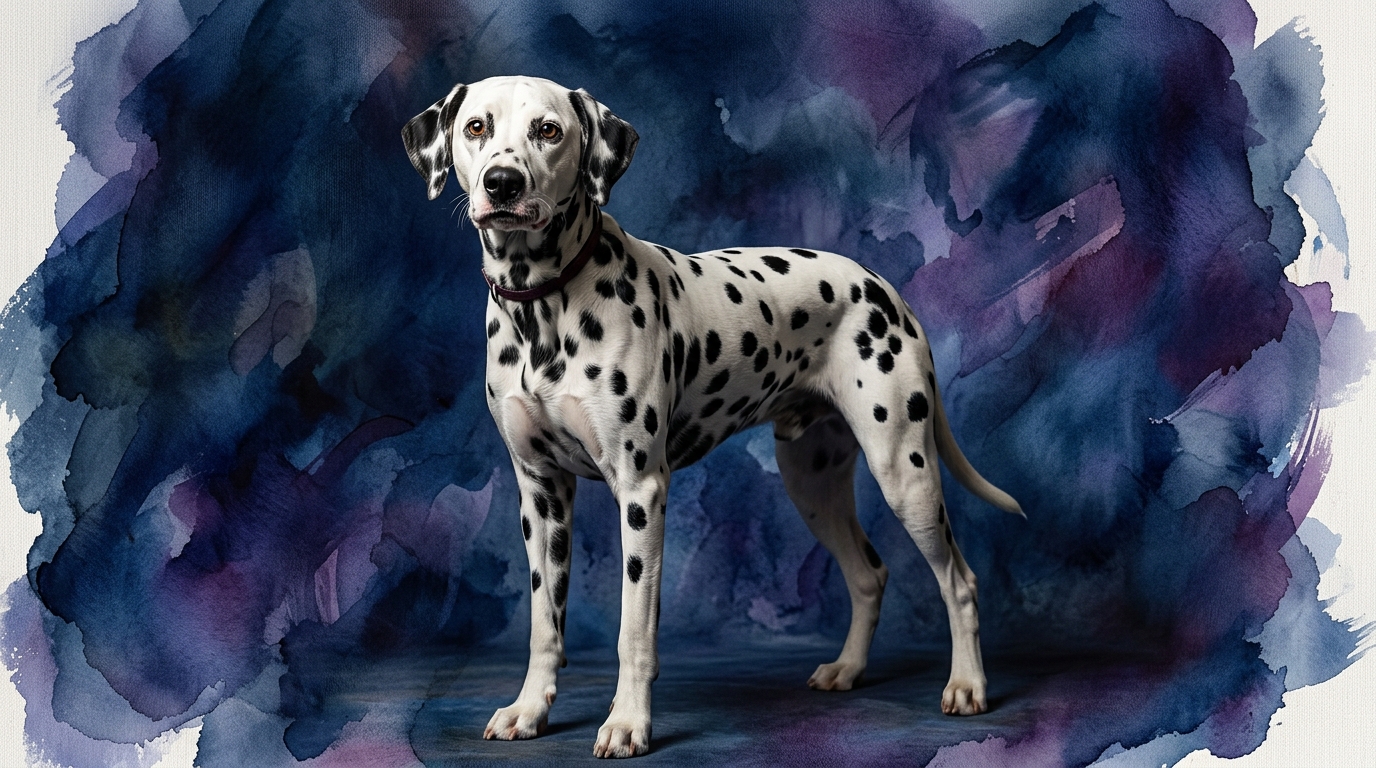
The Cosmic Pet Pet IQ Lab assesses canine intelligence across five critical dimensions. For the Dalmatian, we observe a Problem Solving score of 3/5, indicating a moderate capacity for figuring out novel situations and overcoming obstacles through deduction. Their Training Speed also stands at 3/5, suggesting they grasp new commands and routines at an average pace, requiring consistent and engaging methods. Social Intelligence for Dalmatians is notably higher at 4/5, reflecting a strong ability to interpret human cues, emotions, and intentions, fostering cooperative interactions. Their Instinctive Drive, rated at 4/5, points to a robust internal motivation for activities, often manifesting in energetic pursuit or focused engagement. Finally, their Memory score of 4/5 suggests an excellent capacity for retaining learned information, routines, and experiences over time.
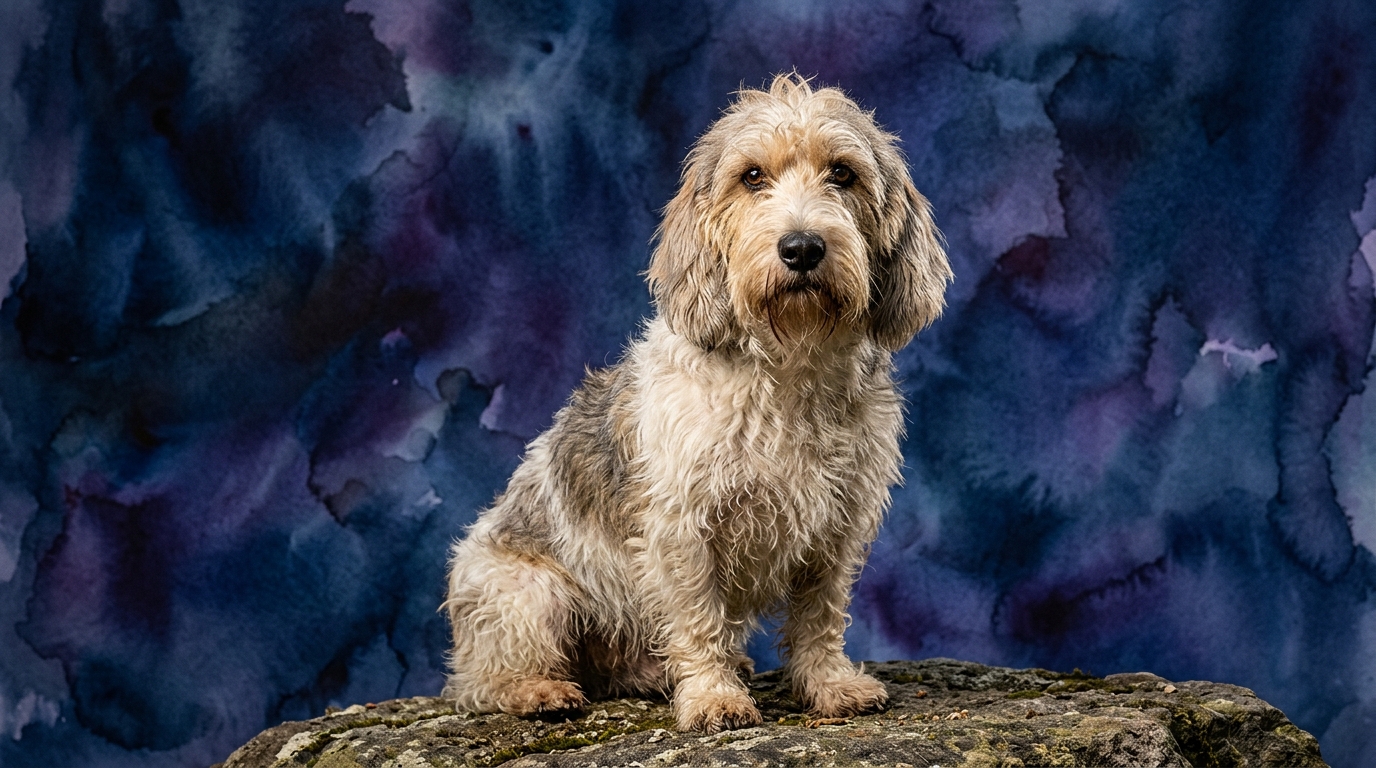
In contrast, the Petit Basset Griffon Vendéen (PBGV) presents a slightly different cognitive fingerprint. Their Problem Solving ability is rated at 3/5, similar to the Dalmatian, meaning they too can navigate moderately complex challenges, albeit perhaps with a different approach rooted in their hound nature. The PBGV's Training Speed matches the Dalmatian's at 3/5, indicating an average rate of learning new behaviors, though their independent spirit might influence the *ease* of training. Their Social Intelligence is marked at 3/5, suggesting a good, but perhaps less intense, connection to human social cues compared to the Dalmatian. The Instinctive Drive for the PBGV is 3/5, a strong pull towards their breed-specific inclinations like scent tracking, but potentially less generalized than the Dalmatian's. Lastly, their Memory score is 3/5, an adequate capacity for recall but perhaps not as expansive or long-lasting as a Dalmatian's.
Where the Dalmatian Excels Cognitively
The Dalmatian's cognitive profile shows distinct advantages, particularly in areas fostering human-canine partnership and adaptability. Their superior Social Intelligence (4/5) truly sets them apart, indicating a keen ability to read and respond to human emotions and body language. This translates into a dog that often seems to anticipate your needs, responds well to subtle cues, and forms deep, nuanced bonds. This higher social acumen makes them adept at cooperative tasks, understanding complex household dynamics, and excelling in activities that require a strong handler connection, such as advanced obedience or agility.
Furthermore, the Dalmatian's higher Memory score (4/5) gives them an edge in retaining a vast array of learned behaviors, routines, and even the locations of objects. This means once a command or routine is solidified, it tends to stick, requiring less frequent refreshers. Paired with their robust Instinctive Drive (4/5), Dalmatians demonstrate a versatile cognitive energy. This drive can be channeled into a variety of working roles beyond their traditional coach dog duties, from search and rescue to competitive sports, where their persistence and recall can be significant assets. Their problem-solving, while similar to the PBGV at 3/5, often manifests with a greater inclination towards human-directed solutions due to their social intelligence.
Unique Cognitive Strengths of the Petit Basset Griffon Vendéen
While the PBGV's numerical scores may not surpass the Dalmatian's, their cognitive profile reveals specialized strengths perfectly honed for their original purpose as scent hounds. Their Instinctive Drive, rated at 3/5, is singularly focused on scent work, a profound cognitive commitment to following a trail regardless of distractions. This isn't merely a physical drive; it involves intricate scent discrimination, pattern recognition, and persistent problem-solving within a sensory landscape that humans can barely perceive. This specialized drive means a PBGV's cognitive energy is heavily invested in navigating and interpreting complex olfactory data, making them masters of their unique domain.
The PBGV's Problem Solving at 3/5, while numerically matching the Dalmatian, manifests differently. For a PBGV, problem-solving often entails figuring out how to overcome physical obstacles in varied terrain, how to reacquire a lost scent, or how to work through confusing scent trails. This requires a specific type of spatial reasoning and sustained mental focus that is highly valuable in a hunting context. Their Social Intelligence at 3/5, combined with their strong independent drive, suggests a dog capable of working semi-autonomously, making decisions in the field based on their own highly developed sensory input rather than constant human direction. This independence, while sometimes a challenge in training, is a cognitive advantage for a dog expected to track game over long distances with minimal handler intervention.
Training Dynamics: Which Breed is Easier?
When considering ease of training, both breeds share a Training Speed score of 3/5, suggesting they learn at an average rate. However, real-world behavioral differences stemming from their other cognitive dimensions paint a clearer picture. The Dalmatian's higher Social Intelligence (4/5) and Memory (4/5) often translate to a more straightforward training experience. They are generally more attuned to human expectations, eager to please, and better at remembering commands once learned. Their robust instinctive drive can be readily channeled into structured activities, making them responsive to positive reinforcement and consistent methods. They are more likely to seek human guidance and approval during training sessions, which can accelerate the learning process.
The Petit Basset Griffon Vendéen, while also capable of learning, presents different training challenges due to their lower Social Intelligence (3/5) and highly specialized Instinctive Drive (3/5). Their independent, scent-driven nature means they can be easily distracted by interesting smells, often prioritizing a scent trail over a handler's command. This requires immense patience, creativity, and highly rewarding motivators to maintain their focus. While they can learn, their strong-willed independence means they may choose to comply only when it aligns with their own perceived interests or when the reward is exceptionally compelling. Training a PBGV often involves more management of their environment and a deeper understanding of hound motivation, making them generally more challenging for novice owners.
Matching Breeds to Lifestyles: Active vs. Relaxed Owners
The cognitive profiles of these two breeds offer clear guidance for matching them with suitable owner lifestyles. Dalmatians, with their high social intelligence, strong general instinctive drive, and excellent memory, thrive with active owners who enjoy engaging their dogs in a variety of activities. They are well-suited for individuals or families who participate in dog sports like agility, obedience, or canicross, or who simply enjoy long, vigorous hikes and runs. Their desire for cooperative interaction means they flourish when given mental stimulation through training, puzzle toys, and consistent family involvement. A Dalmatian needs an owner who can channel their considerable cognitive and physical energy productively, otherwise, their problem-solving skills might be applied to less desirable behaviors.
The Petit Basset Griffon Vendéen, with its specialized instinctive drive and independent problem-solving, is ideal for owners who appreciate a dog with a strong sense of purpose and a slightly more autonomous nature. While still active, their activity is often focused around scent-based exploration. They are perfect companions for owners who enjoy long walks in varied environments, allowing the PBGV to indulge their tracking instincts, perhaps even engaging in scent work games or tracking trials. Relaxed owners might find their independent nature and persistent vocalizations challenging. PBGV owners should be prepared for a dog that sometimes operates on its own agenda when a compelling scent takes hold, requiring a specific kind of patience and an understanding of hound behavior.
The Verdict: When to Choose Each Breed
The Verdict
Choose a Dalmatian if you seek a highly cooperative, intelligent companion eager to engage in diverse activities and form a deep, socially intuitive bond, especially if you enjoy structured training and dog sports.
Opt for a Petit Basset Griffon Vendéen if you are fascinated by the specialized intelligence of a scent hound, appreciate an independent spirit, and are prepared to channel their formidable tracking drive with patience and specific enrichment.
🧠 Find Your Pet's IQ Score
Our Pet IQ Lab assessment covers 25+ tests across 5 cognitive dimensions — personalized to your breed.
Take the Full IQ Test →Frequently Asked Questions
Are Dalmatians good family dogs, considering their social intelligence?
Yes, Dalmatians generally make good family dogs due to their high social intelligence. This allows them to understand family dynamics, respond well to human cues, and form strong bonds with all members, though early socialization is crucial for their energetic nature.
How does the PBGV's instinctive drive affect their daily life compared to a Dalmatian?
The PBGV's instinctive drive is primarily focused on scent, meaning they are constantly seeking and interpreting smells, which can lead them to follow their nose rather than commands. A Dalmatian's higher, more generalized drive might manifest in various energetic pursuits, making them more adaptable to different activities but still requiring significant outlets.
Which breed is better for apartment living based on their cognitive needs?
Neither breed is inherently ideal for apartment living without significant owner commitment, but a Dalmatian might adapt better if their high need for mental and physical stimulation is met daily. A PBGV's strong scent drive and potential for vocalization might make apartment living more challenging, as they thrive on extensive outdoor exploration.