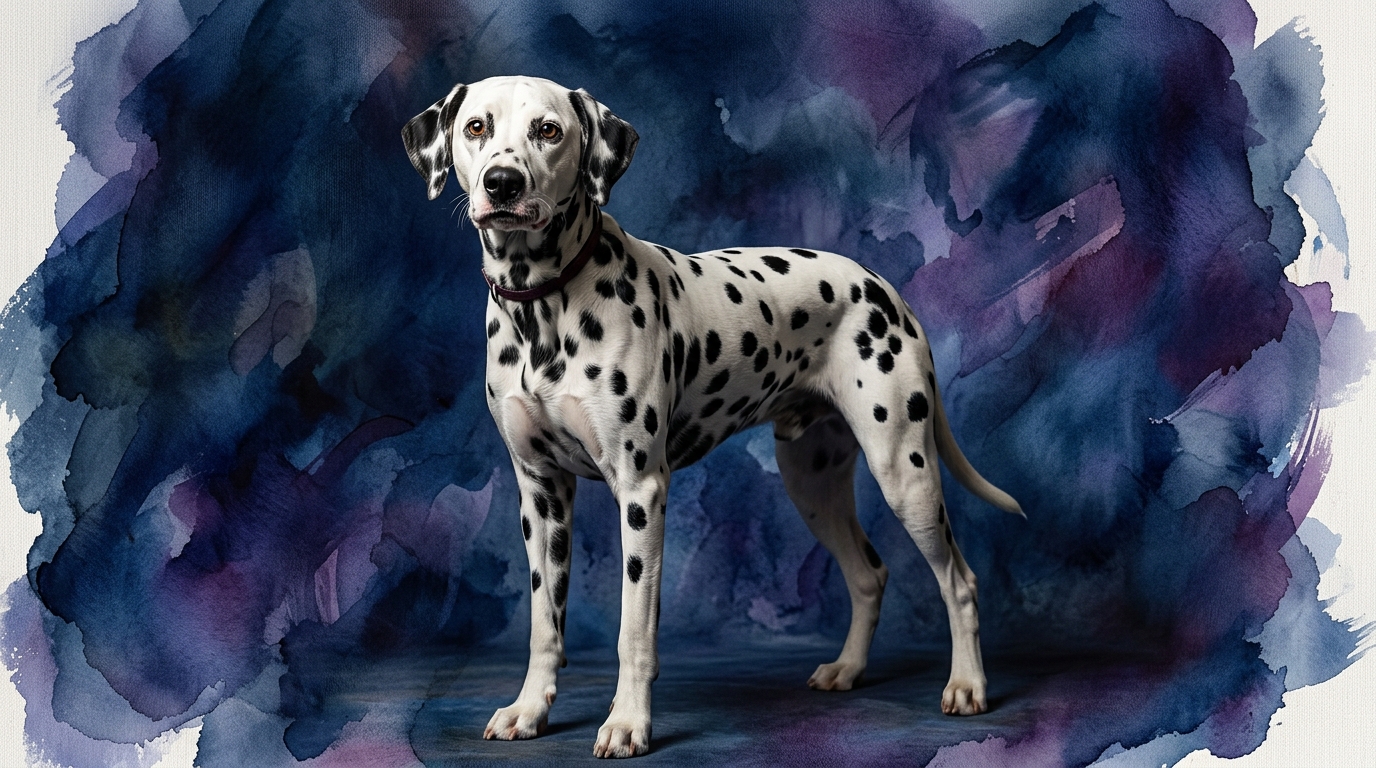
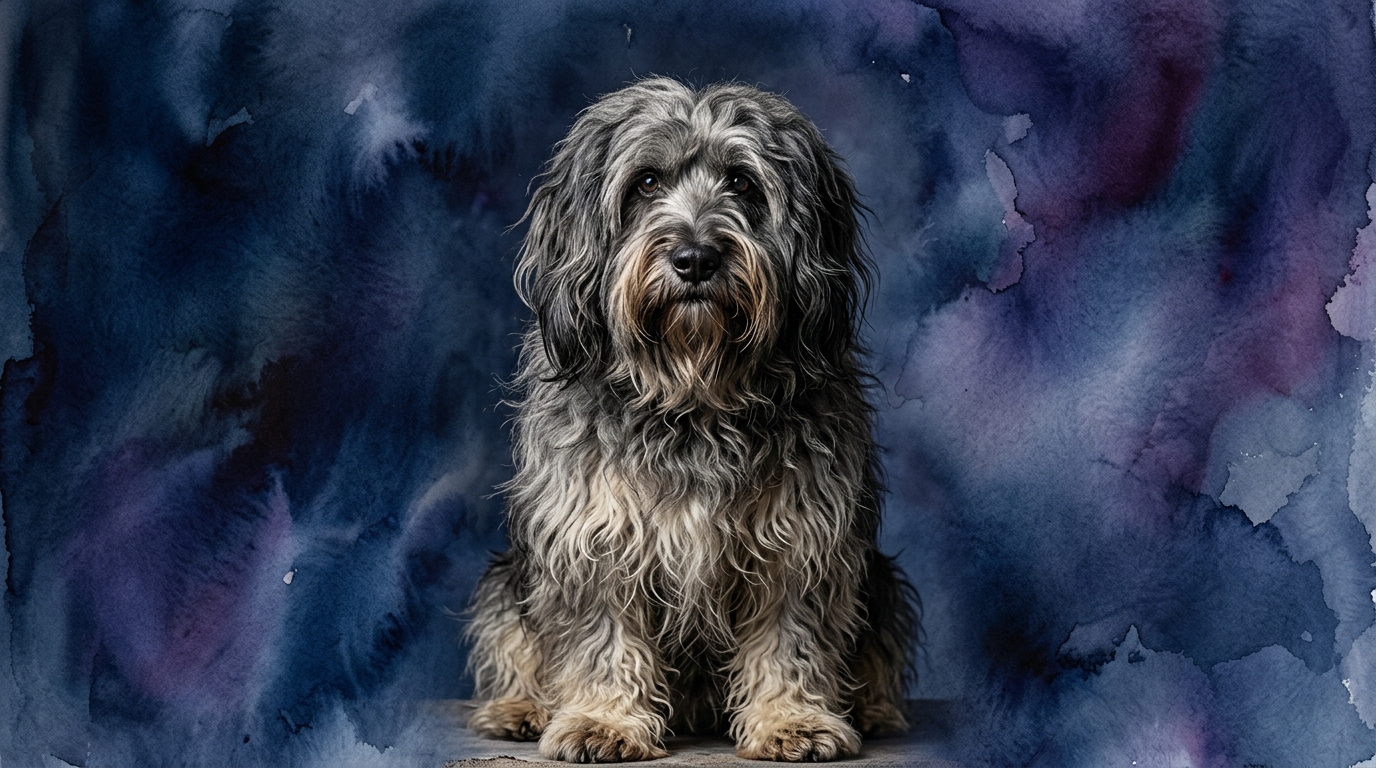
Side-by-Side Cognitive Profiles
Delving into the Pet IQ Lab scores, we observe both similarities and distinctions that paint a comprehensive picture of each breed's cognitive landscape. The Dalmatian presents a balanced profile with notable strengths in social interaction and retention. Its Problem Solving is rated 3/5, indicating an ability to navigate moderately complex challenges, often by applying learned patterns rather than innovative solutions. Training Speed also sits at 3/5, suggesting a steady acquisition of new commands, thriving on consistent, positive reinforcement methods. Where the Dalmatian truly stands out is in its Social Intelligence at 4/5, demonstrating a keen capacity to interpret human cues and emotional states, which fosters deep, intuitive bonds. Its Instinctive Drive, also 4/5, points to a significant innate motivation for specific behaviors, historically tied to endurance and guarding roles. Finally, a Memory score of 4/5 means Dalmatians retain information, including commands and experiences, over extended periods, greatly aiding in long-term learning and reliability.
The Polish Lowland Sheepdog (PON), on the other hand, shows a consistent performance across the board, reflecting its working heritage. Its Problem Solving capacity is rated 3/5, signifying a practical aptitude for resolving issues, particularly those related to its immediate environment or tasks, often with a self-reliant approach. Training Speed mirrors the Dalmatian at 3/5, indicating that PONs learn new tasks at a moderate rate, responding well to clear instructions and engaging methods. In Social Intelligence, the PON scores 3/5; while it understands human interactions effectively, it often maintains a degree of independent thought, a hallmark of breeds bred to work autonomously. Its Instinctive Drive is 3/5, expressing a moderate, focused motivation primarily in herding-related behaviors and territorial awareness. Lastly, its Memory is 3/5, meaning it reliably holds onto learned information and routines, contributing to its effectiveness in established tasks but perhaps not with the same depth or breadth as the Dalmatian.
Where the Dalmatian's Cognition Shines
The Dalmatian distinctly excels in areas that emphasize connection and sustained engagement with its human companions. Its superior Social Intelligence (4/5) means it is acutely attuned to human moods and intentions, making it an exceptionally responsive and empathetic companion. This heightened awareness allows Dalmatians to anticipate needs and react to subtle cues, fostering a highly communicative relationship. This cognitive strength makes them particularly adept in environments where close collaboration and mutual understanding are paramount, such as in performance sports like obedience or agility where reading handler body language is crucial.
Furthermore, the Dalmatian's robust Memory (4/5) provides a significant cognitive advantage. This capacity for strong long-term retention means that once a command or routine is learned, it is likely to be remembered for extended periods, reducing the need for constant re-training. Coupled with its significant Instinctive Drive (4/5), which historically powered its role alongside carriages, Dalmatians possess a formidable mental stamina. This drive, if channeled appropriately through structured exercise and engaging tasks, allows them to sustain focus and effort over time, making them persistent learners and capable participants in activities requiring endurance and consistent performance.
Unique Strengths of the Polish Lowland Sheepdog's Cognition
While the Polish Lowland Sheepdog’s scores might appear lower in certain categories, its cognitive profile reflects a different kind of strength, one rooted in self-sufficiency and practical application. Its Problem Solving at 3/5, combined with its 3/5 Instinctive Drive, speaks to a breed that was historically tasked with making independent decisions in complex herding situations. Unlike breeds that rely heavily on constant human direction, the PON's cognitive makeup allows it to assess situations, such as straying livestock, and devise solutions autonomously. This independent thinking, while sometimes perceived as stubbornness, is a valuable cognitive asset in working roles where immediate human input is not always available.
The Polish Lowland Sheepdog’s balanced Social Intelligence (3/5) and Memory (3/5) contribute to a pragmatic approach to learning and interaction. They form strong bonds, but their cognitive processing often includes a filter of 'what's in it for me' or 'is this truly necessary,' which stems from their working heritage where efficiency and resourcefulness were paramount. This cognitive independence means they are less likely to be overwhelmed by constant social demands and can maintain a calm, observant demeanor, making them excellent watchdogs who process environmental stimuli with a discerning eye. Their intelligence is geared towards practical, real-world application rather than purely social compliance.
Training Aptitude: Which Breed is Easier?
When considering ease of training, the Dalmatian generally presents a smoother experience, despite both breeds sharing a 3/5 Training Speed score. The Dalmatian's higher Social Intelligence (4/5) is a significant factor here; their strong desire to please and their ability to keenly interpret human body language and vocal tones make them highly receptive students. They are motivated by interaction and positive feedback, often finding the training process itself a rewarding social exchange. Their superior Memory (4/5) also ensures that once a command is learned, it tends to stick, reducing the need for repetitive remedial sessions and allowing for progression to more complex tasks.
The Polish Lowland Sheepdog, while equally capable of learning at a steady pace (3/5 Training Speed), may present more challenges for an inexperienced owner due to its independent nature and slightly lower Social Intelligence (3/5). PONs are intelligent and can learn a wide array of commands, but their problem-solving often includes an assessment of whether a command is truly logical or beneficial from their perspective. This can manifest as a questioning attitude or a need for stronger motivation and consistent, clear boundaries. Training a PON requires patience, consistency, and a deep understanding of their herding instincts and self-reliant mindset, making success dependent on an owner's ability to engage their practical intelligence rather than solely relying on social compliance.
Suitability for Active vs. Relaxed Owners
For owners seeking an active, highly engaged companion, the Dalmatian is often the more suitable choice. Their high Instinctive Drive (4/5) means they possess considerable stamina and a need for consistent physical and mental exertion. These dogs thrive on activities that channel their historical endurance, such as long runs, hiking, or participation in dog sports like agility or flyball. Their superior Social Intelligence (4/5) also means they enjoy being integral to family activities and will actively seek out interaction and engagement, making them ideal for owners who want a canine partner for all their adventures. A Dalmatian left without sufficient stimulation can become bored and channel its energy into less desirable behaviors.
The Polish Lowland Sheepdog, while certainly not a couch potato, is better suited for owners who can provide consistent, purposeful activity, perhaps in a more structured and less overtly 'social' context. Their 3/5 Instinctive Drive is geared towards focused tasks, and while they enjoy activity, it's often with a practical, working mindset. They benefit from mental challenges that tap into their problem-solving abilities and herding instincts, such as puzzle toys, scent work, or even urban herding classes. While they enjoy family life, their 3/5 Social Intelligence means they are content with a degree of independence, making them suitable for owners who appreciate a dog with a robust personality that doesn't constantly demand center stage. A PON needs an owner who understands their need for mental engagement over purely physical, undirected exertion.
The Verdict
Choose a Dalmatian if you desire a highly social, demonstrably empathetic companion with excellent memory, eager to participate in your active lifestyle and engage deeply in training. Their responsiveness makes them a rewarding partner for owners seeking a close, communicative bond.
Opt for a Polish Lowland Sheepdog if you appreciate a self-reliant, intelligent companion with a practical problem-solving mindset, capable of independent thought. They are ideal for owners who can provide purposeful mental and physical engagement, valuing a dog with a robust, discerning personality.
🧠 Find Your Pet's IQ Score
Our Pet IQ Lab assessment covers 25+ tests across 5 cognitive dimensions — personalized to your breed.
Take the Full IQ Test →Frequently Asked Questions
Are Dalmatians good family dogs?
Yes, Dalmatians with their 4/5 Social Intelligence often form strong bonds with their families and are very attuned to human emotions. They thrive on being part of family activities but do require consistent socialization and training from a young age to ensure they are well-adjusted companions for all family members, including children.
Do Polish Lowland Sheepdogs bark a lot?
Polish Lowland Sheepdogs, with their 3/5 Instinctive Drive and territorial awareness, can be prone to barking, especially as watchdogs. They are alert and will often use their voice to signal perceived threats or changes in their environment. Early training and socialization can help manage excessive barking, but their natural inclination to alert remains.
Which breed requires more grooming?
The Polish Lowland Sheepdog typically requires significantly more grooming than the Dalmatian. PONs possess a long, shaggy double coat that needs regular brushing to prevent matting and remove debris, often several times a week. Dalmatians have a short, dense coat that requires less intensive grooming, primarily occasional brushing to manage shedding.