Side-by-Side IQ Profile
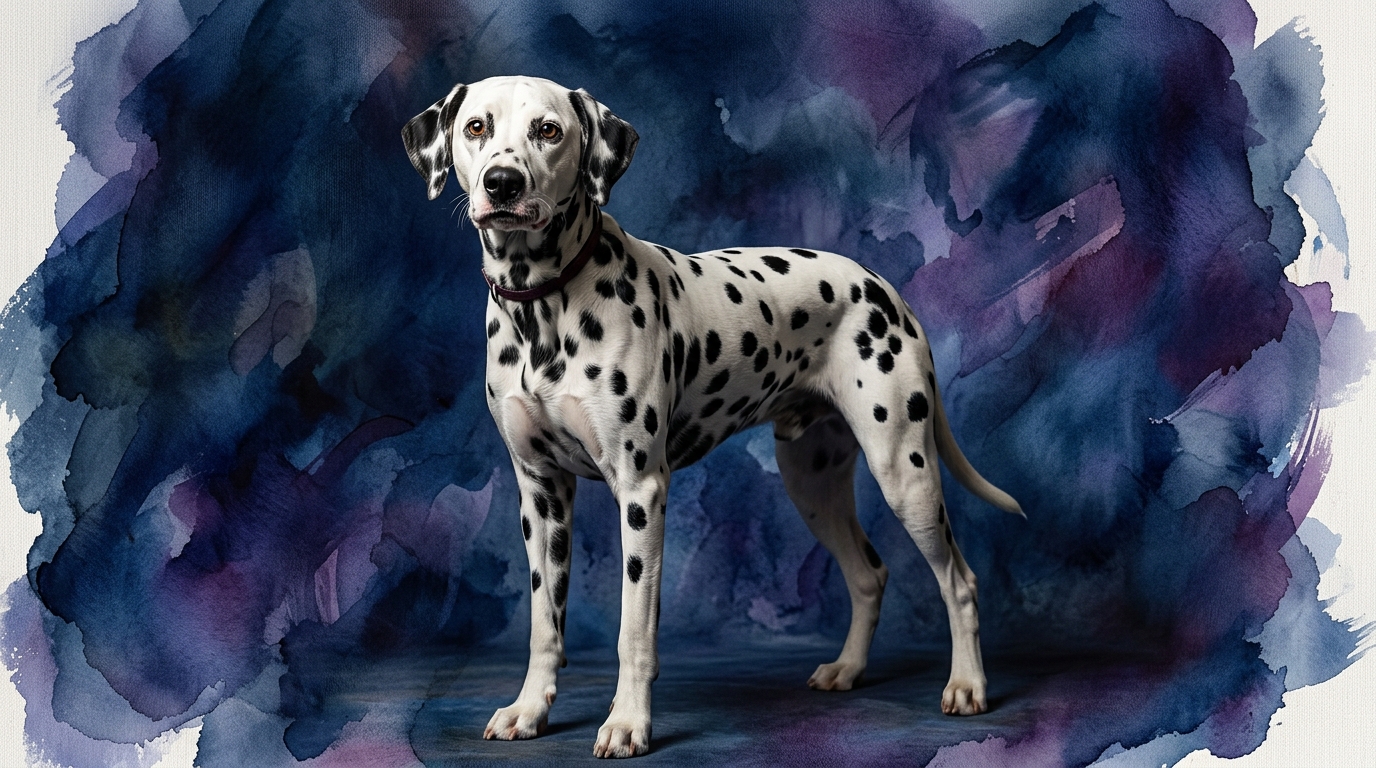
**Dalmatian (Coren rank #39)**: Dalmatians demonstrate a moderate capacity for independent thought and navigating novel situations, scoring 3/5 in problem solving. They absorb new commands at a moderate pace (3/5 training speed), generally receptive and able to master a range of behaviors with consistent, positive reinforcement. Where they truly shine is in social intelligence (4/5), excelling at understanding human cues, emotions, and social structures within a family unit, making them exceptionally attuned companions. Their historical role as carriage dogs imbues them with a strong innate motivation for purpose-driven activity and endurance (4/5 instinctive drive), manifesting as a need for regular engagement. Dalmatians also possess a robust memory (4/5), retaining learned commands, routines, and experiences effectively, which contributes to their consistency in behavior and ability to build complex associative learning.
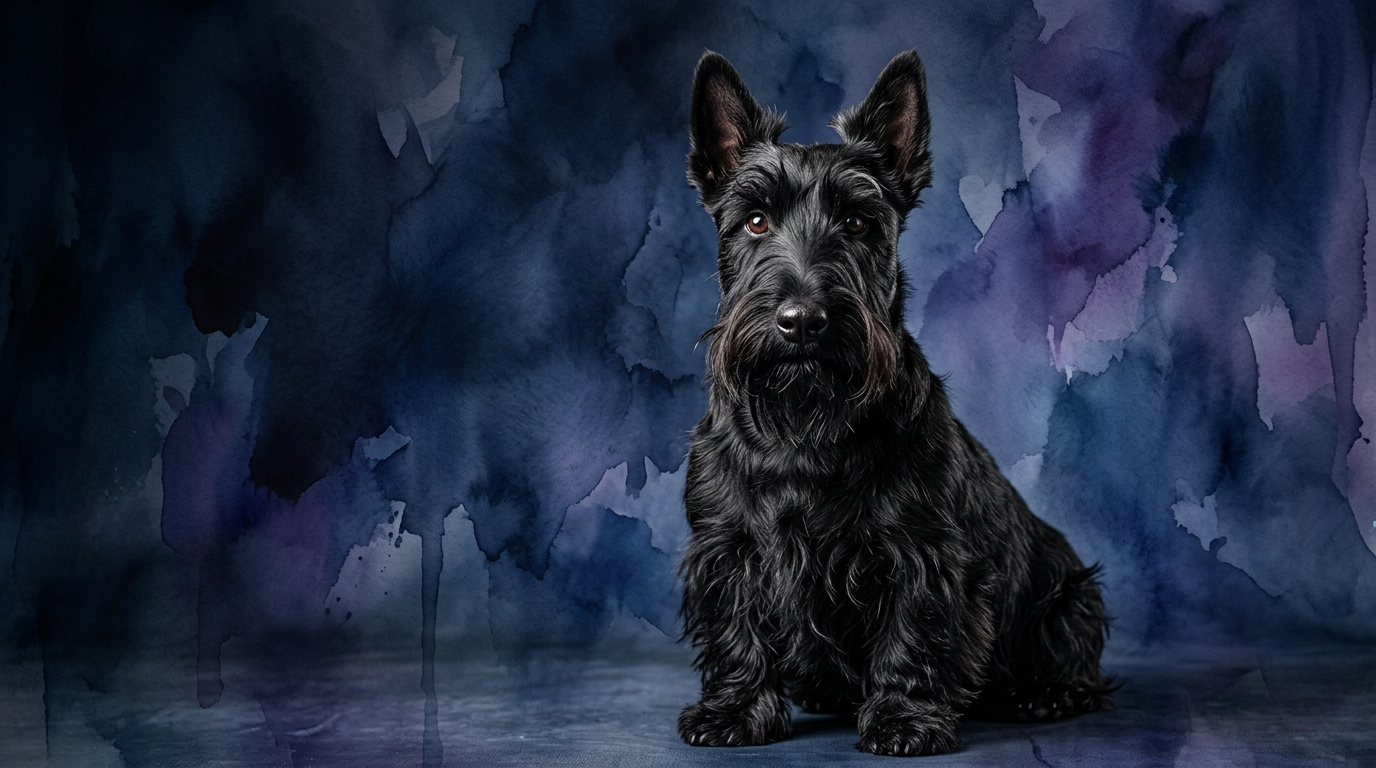
**Scottish Terrier (Coren rank #65)**: Scottish Terriers exhibit a moderate, often independent, approach to problem-solving (3/5), adept at figuring out ways to achieve their goals, particularly those aligning with their inherent terrier drives. They learn new commands at a moderate pace (3/5 training speed), similar to Dalmatians, but their independent nature can sometimes make them appear less eager to please, requiring greater consistency and the right motivators. Their social intelligence is moderate (3/5); while they form strong bonds with their chosen humans, they tend to be less overtly expressive or attuned to subtle human social cues, appreciating companionship often on their own terms. Scotties possess a moderate but highly focused instinctive drive (3/5), primarily rooted in their terrier heritage of hunting vermin, translating into a strong inclination for digging, chasing, and exploring with singular determination. Their memory is also moderate (3/5), allowing them to recall learned commands and routines, though perhaps not with the same breadth or depth as breeds with higher scores, benefiting from repetition and consistent reinforcement.
Where Dalmatian Wins Cognitively
The Dalmatian's cognitive profile shows distinct strengths, particularly in dimensions that foster seamless integration into a human household. Their social intelligence score of 4/5 indicates a superior capacity to interpret human emotions, body language, and vocal tones, making them exceptionally responsive to their family's moods and intentions. This heightened social awareness contributes to their reputation as empathetic companions, often anticipating needs or reacting appropriately to household dynamics. Furthermore, the Dalmatian's 4/5 memory score means they retain learned behaviors and routines with notable efficiency, building a rich internal map of their world and expectations. This robust recall extends to complex sequences and past experiences, allowing them to adapt quickly to established household norms and remember previous training lessons without extensive re-teaching. Finally, their 4/5 instinctive drive, while requiring appropriate outlets, translates into a strong innate motivation for purpose-driven activity, making them excellent candidates for advanced obedience, agility, or other structured tasks that engage their physical and mental vigor. This drive, when properly channeled, becomes a powerful asset for learning and engagement.
Where Scottish Terrier Wins Cognitively
While the Scottish Terrier's overall scores might appear slightly lower in some dimensions, their specific cognitive strengths are deeply rooted in their breed's historical function and offer a unique set of advantages for certain owners. The Scottie's 3/5 problem-solving ability, coupled with their 3/5 instinctive drive, manifests as a remarkable tenacity and independent resourcefulness. Unlike breeds that might rely more on human direction, Scottish Terriers often approach challenges with a singular, self-directed focus, meticulously working through obstacles to achieve their goals, whether it's unearthing a hidden toy or navigating a complex scent trail. This independent thinking means they are less prone to 'learned helplessness' and more inclined to persist until a solution is found, a cognitive trait invaluable for their original purpose as vermin hunters. Their moderate social intelligence (3/5) also means they are less dependent on constant human validation, capable of entertaining themselves or enjoying quiet companionship without requiring continuous interaction, which can be a 'win' for owners seeking a dog with a strong sense of self and less need for constant external engagement. Their cognitive profile fosters a resilient, self-sufficient companion who, while loyal, maintains a distinct personality and approach to the world.
Which is Easier to Train and Why
Comparing the training ease between Dalmatians and Scottish Terriers requires a nuanced look beyond their identical 3/5 training speed scores. While both breeds learn at a moderate pace, the Dalmatian's higher social intelligence (4/5) and memory (4/5) often make their training journey smoother and more adaptable. Dalmatians are more attuned to human cues and social feedback, meaning they are more likely to respond positively to praise, correction, and the nuances of handler communication. Their strong memory helps them retain a wider array of commands and complex sequences over time, allowing for more advanced training and a greater consistency in behavior even after a break. Their higher instinctive drive (4/5) can also be effectively channeled into training, providing a robust internal motivation for tasks like retrieving or following complex courses.
In contrast, the Scottish Terrier's 3/5 social intelligence and memory, combined with their strong independent streak and moderate instinctive drive (3/5), means training often requires greater patience, consistency, and a deep understanding of terrier motivations. Scotties are less driven by a desire to constantly please, often preferring to engage on their own terms. While they learn, they might require more creative methods to maintain engagement, and their memory for commands might necessitate more frequent refreshers. Training a Scottish Terrier often involves finding what *they* find rewarding and leveraging their tenacious spirit rather than relying solely on their desire for human approval. Therefore, while both require commitment, the Dalmatian generally presents fewer social and memory-related hurdles, making them perceptually 'easier' for many trainers.
Which Suits Active Owners vs Relaxed Owners
For owners leading an active lifestyle, the Dalmatian often proves to be an ideal match. Their 4/5 instinctive drive, rooted in their history as endurance carriage dogs, means they possess a significant need for regular, vigorous exercise and mental stimulation. Dalmatians thrive on long runs, hikes, structured play, and activities that challenge both their physical stamina and cognitive abilities, such as agility or obedience trials. Their higher social intelligence and memory also make them excellent partners for owners who enjoy teaching new tricks or participating in dog sports, as they enjoy the collaborative engagement and retain complex skills readily. A relaxed owner, or one who cannot consistently provide substantial daily activity, might find a Dalmatian's unfulfilled drive leading to restless or destructive behaviors.
The Scottish Terrier, with its moderate 3/5 instinctive drive, can suit a different type of active owner or even a more relaxed household, provided their specific needs are met. While they require daily walks and opportunities to explore, their activity demands are generally less about sustained endurance and more about focused bursts of energy, often involving sniffing, digging, or chasing. Their independent nature means they can be content with self-directed exploration in a secure yard or a brisk walk around the neighborhood. For a relaxed owner, a Scottie can be a good fit if they appreciate a dog that is not constantly demanding attention or intense physical output, but they must still be prepared to manage the terrier's innate drives, such as a strong prey drive or a penchant for digging. They are less suited to long-distance running partners but excellent for owners who enjoy shorter, purposeful outdoor excursions and appreciate a dog with a strong, independent personality.
The Verdict
Choose a Dalmatian if you seek a highly socially attuned companion with a robust memory and strong drive for collaborative activities, willing to engage deeply in training and active pursuits.
Opt for a Scottish Terrier if you appreciate an independent, tenacious problem-solver with a focused drive for exploration and a personality that values self-sufficiency alongside loyal companionship.
🧠 Find Your Pet's IQ Score
Our Pet IQ Lab assessment covers 25+ tests across 5 cognitive dimensions — personalized to your breed.
Take the Full IQ Test →Frequently Asked Questions
Do Dalmatians and Scottish Terriers require different approaches to mental stimulation?
Yes, Dalmatians thrive on varied activities that engage their social intelligence and memory, like puzzle toys that involve human interaction or learning new, complex commands. Scottish Terriers benefit from tasks that appeal to their independent problem-solving and instinctive drives, such as scent work, digging boxes, or challenging individual puzzles.
Which breed is more prone to behavioral issues if not mentally stimulated?
Both breeds can develop undesirable behaviors without adequate mental engagement, but these often manifest differently. Dalmatians, with their higher social intelligence and drive, might become restless, attention-seeking, or destructive if their need for purpose and interaction isn't met. Scottish Terriers, due to their independent nature and strong instincts, might exhibit excessive digging, chasing, or stubbornness if their innate terrier drives are not appropriately channeled.
How does Coren rank relate to the Pet IQ Lab scores for these breeds?
Coren's ranking primarily reflects a breed's 'working and obedience intelligence,' which aligns most closely with our 'training speed' and 'problem-solving' dimensions. The Dalmatian's higher Coren rank (#39 vs. #65) suggests a generally greater ease in learning obedience commands, which is supported by their stronger social intelligence and memory, even if their raw training speed score is similar to the Scottie's.