Side-by-Side Cognitive Profiles: Dalmatian vs. Siberian Husky
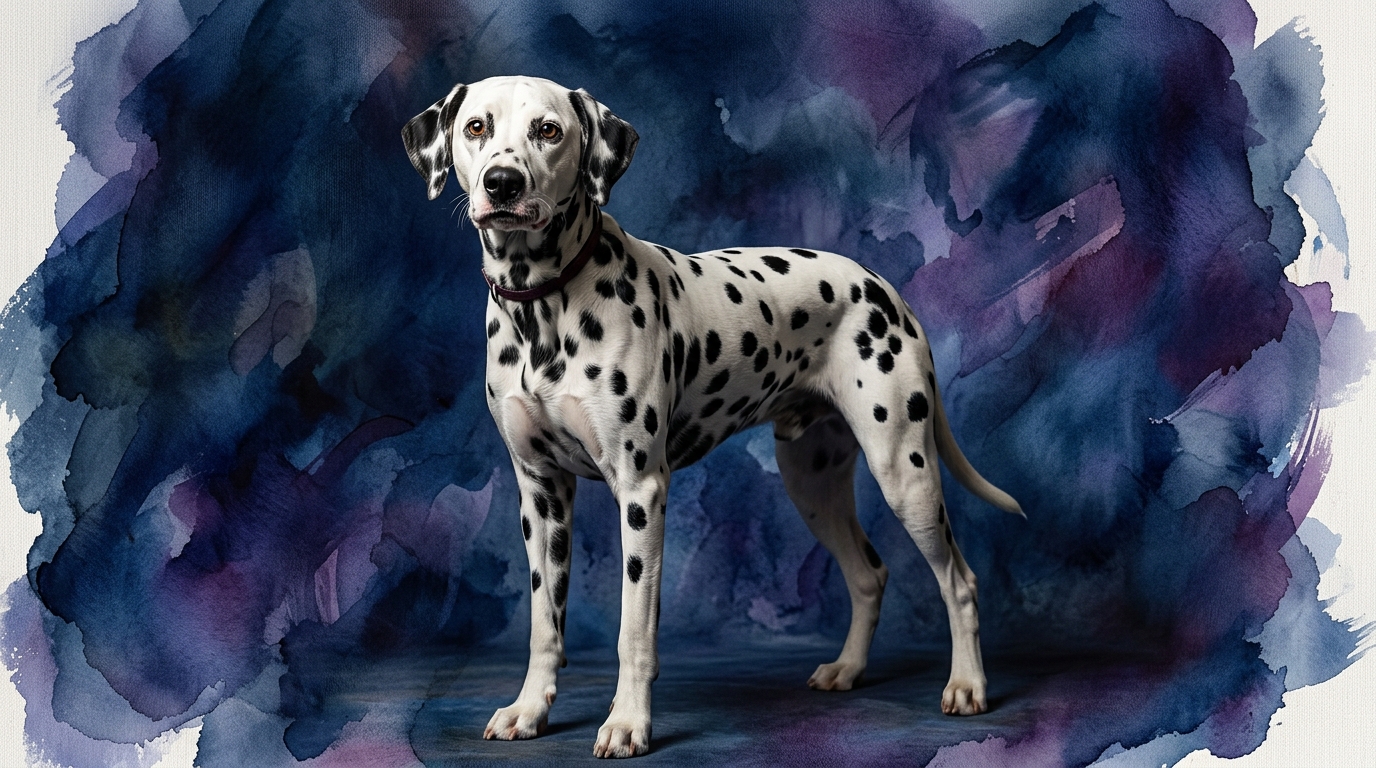
The Cosmic Pet Pet IQ Lab's data illuminates the unique cognitive landscapes of the Dalmatian and Siberian Husky. For the Dalmatian, a breed historically serving as a coach dog, we observe a balanced cognitive toolkit. Their problem-solving ability scores a solid 3 out of 5, indicating a capacity for navigating complex situations, though perhaps not always with immediate ingenuity. Training speed is also a 3 out of 5, suggesting they absorb commands effectively with consistent methods. Where Dalmatians truly shine is in social intelligence, earning a 4 out of 5; they are often adept at reading human emotions and intentions, fostering strong bonds. Their instinctive drive, rated 4 out of 5, reflects their historical roles requiring focus and purpose, such as running alongside carriages. Finally, their memory is strong at 4 out of 5, allowing them to retain learned behaviors and experiences over time. The Coren rank of #39 places them firmly in the 'above average' working/obedience intelligence category.
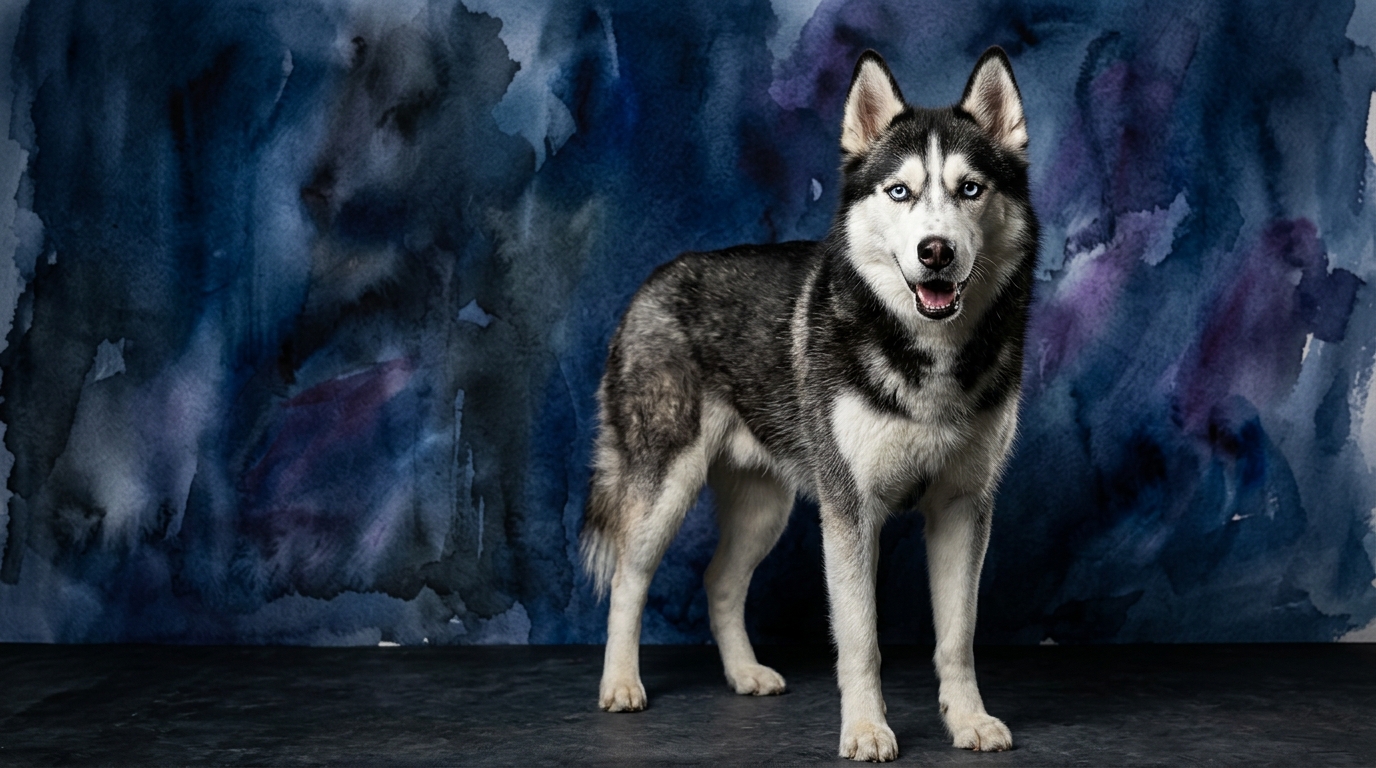
Conversely, the Siberian Husky, bred for endurance and teamwork in harsh environments, presents a different cognitive landscape. Their problem-solving ability is notably higher at 4 out of 5, indicative of a breed that can independently figure things out, sometimes to their owner's surprise. However, their training speed is a lower 2 out of 5, often requiring more patience and creative approaches to instill commands due to their independent nature. Social intelligence stands at 3 out of 5, meaning they are capable of forming connections but might not always be as overtly attuned to human emotional subtleties as some other breeds. Their instinctive drive is exceptional, scoring a perfect 5 out of 5, a testament to their powerful urge to run, pull, and explore. Memory matches the Dalmatian at 4 out of 5, ensuring they remember routes, routines, and past experiences. Their Coren rank of #45 positions them slightly lower than the Dalmatian in terms of working/obedience intelligence, largely influenced by their training speed and independent nature.
Where the Dalmatian Wins Cognitively
The Dalmatian's cognitive advantages primarily lie in the realms of social engagement and consistent learning. With a social intelligence score of 4/5 compared to the Husky's 3/5, Dalmatians often demonstrate a more nuanced understanding of human communication and social dynamics. This can manifest as a greater willingness to seek interaction, a quicker grasp of social cues, and a more direct responsiveness to their human companions' moods. Their training speed, rated 3/5, also gives them an edge over the Husky's 2/5. This means Dalmatians generally process and embed new commands more readily, making structured training sessions potentially more efficient and less prone to the 'what's in it for me?' attitude often observed in more independent breeds. Their balanced instinctive drive (4/5) allows them to focus on tasks without the overwhelming wanderlust that can sometimes challenge Husky training.
Where the Siberian Husky Wins Cognitively
The Siberian Husky shines brightest in areas demanding independent thought and powerful, enduring drive. Their problem-solving ability, rated 4/5 against the Dalmatian's 3/5, suggests a greater capacity for self-directed ingenuity, particularly when faced with environmental challenges or opportunities. This translates to a dog that might more readily figure out how to open gates, escape enclosures, or navigate complex terrains without direct human guidance. Coupled with an unparalleled instinctive drive of 5/5, Huskies possess an inherent motivation for sustained physical activity and exploration, far surpassing the Dalmatian's 4/5. This drive is not merely physical; it fuels their determination and tenacity in pursuing goals, whether it's pulling a sled or finding a way to satisfy their curiosity. Their strong memory (4/5) further enhances this, allowing them to recall learned routes and strategies for their independent endeavors.
Which is Easier to Train and Why
When considering ease of training, the Dalmatian generally presents a more straightforward path. Their training speed of 3/5, combined with a higher social intelligence (4/5), means they are often more inclined to work cooperatively with their trainers and pick up new commands with fewer repetitions. Dalmatians historically had a job that involved staying close to horses and carriages, requiring a degree of attentiveness to human direction. This manifests in a behavioral tendency to be more 'people-pleasing' and focused during structured learning. In contrast, the Siberian Husky's training speed is a lower 2/5, and their formidable instinctive drive (5/5) often competes with the desire to comply with commands. Huskies were bred to make independent decisions in vast, open spaces, and this self-reliance can translate into a stubborn streak in a domestic training setting. Their problem-solving acumen (4/5) might even be used to circumvent training expectations, making them a challenge for novice owners. While both breeds possess excellent memory, the Dalmatian's stronger social connection and moderate drive make them more receptive to consistent, positive reinforcement training, whereas Huskies demand greater creativity, patience, and a deep understanding of their unique motivations.
Which Suits Active Owners vs. Relaxed Owners
Understanding the cognitive profiles helps align these breeds with suitable lifestyles. The Siberian Husky, with its 5/5 instinctive drive and 4/5 problem-solving, is unequivocally suited for highly active owners who can meet their immense need for physical and mental engagement. These dogs thrive on long runs, hikes, sledding, or other demanding activities that allow them to utilize their endurance and independent spirit. A relaxed owner will quickly find themselves overwhelmed by a Husky's unmet energy, which can lead to destructive behaviors or escape attempts driven by their innate curiosity and drive to explore. The Dalmatian, while also an active breed with a 4/5 instinctive drive, offers a more balanced energy profile. They require regular exercise, such as brisk walks, jogging, or dog sports, but their needs are generally more manageable than a Husky's. Their higher social intelligence (4/5) means they also appreciate interactive play and companionship, making them a good fit for active owners who also enjoy more structured activities or simply spending quality time together after exercise. A relaxed owner might struggle with a Dalmatian's energy, but not to the same extreme as with a Husky; they still need consistent engagement to prevent boredom.
The Verdict
Opt for a Dalmatian if you value a companion with strong social acuity, a cooperative attitude in training, and an active lifestyle that includes regular, but not extreme, physical and mental engagement.
Select a Siberian Husky if you are an experienced, highly active owner who can provide extensive opportunities for independent thought, endurance activities, and creative training for a dog with powerful instincts and a strong will.
🧠 Find Your Pet's IQ Score
Our Pet IQ Lab assessment covers 25+ tests across 5 cognitive dimensions — personalized to your breed.
Take the Full IQ Test →Frequently Asked Questions
Are Dalmatians "smarter" than Huskies based on Coren rank?
The Coren rank primarily assesses working and obedience intelligence, which is influenced by training speed and willingness to comply. While Dalmatians rank slightly higher at #39 compared to Huskies at #45, this doesn't mean Dalmatians are universally "smarter." It indicates they are generally more responsive to traditional obedience training.
Do Huskies use their problem-solving skills to be mischievous?
Yes, a Husky's 4/5 problem-solving ability, combined with their strong instinctive drive (5/5), often translates into resourceful behaviors like figuring out how to open doors, climb fences, or access forbidden items. This isn't mischief for mischief's sake but rather a manifestation of their innate curiosity and drive to explore and achieve their goals.
How does social intelligence impact daily life with these breeds?
A Dalmatian's higher social intelligence (4/5) means they are often more attuned to human emotions and social cues, potentially leading to a more intuitive bond and easier communication. A Husky's 3/5 social intelligence, while still good, suggests they might be more independent in their interactions, valuing companionship but perhaps not always seeking to "read" their owner's every mood with the same intensity.