Side-by-Side Cognitive Profiles
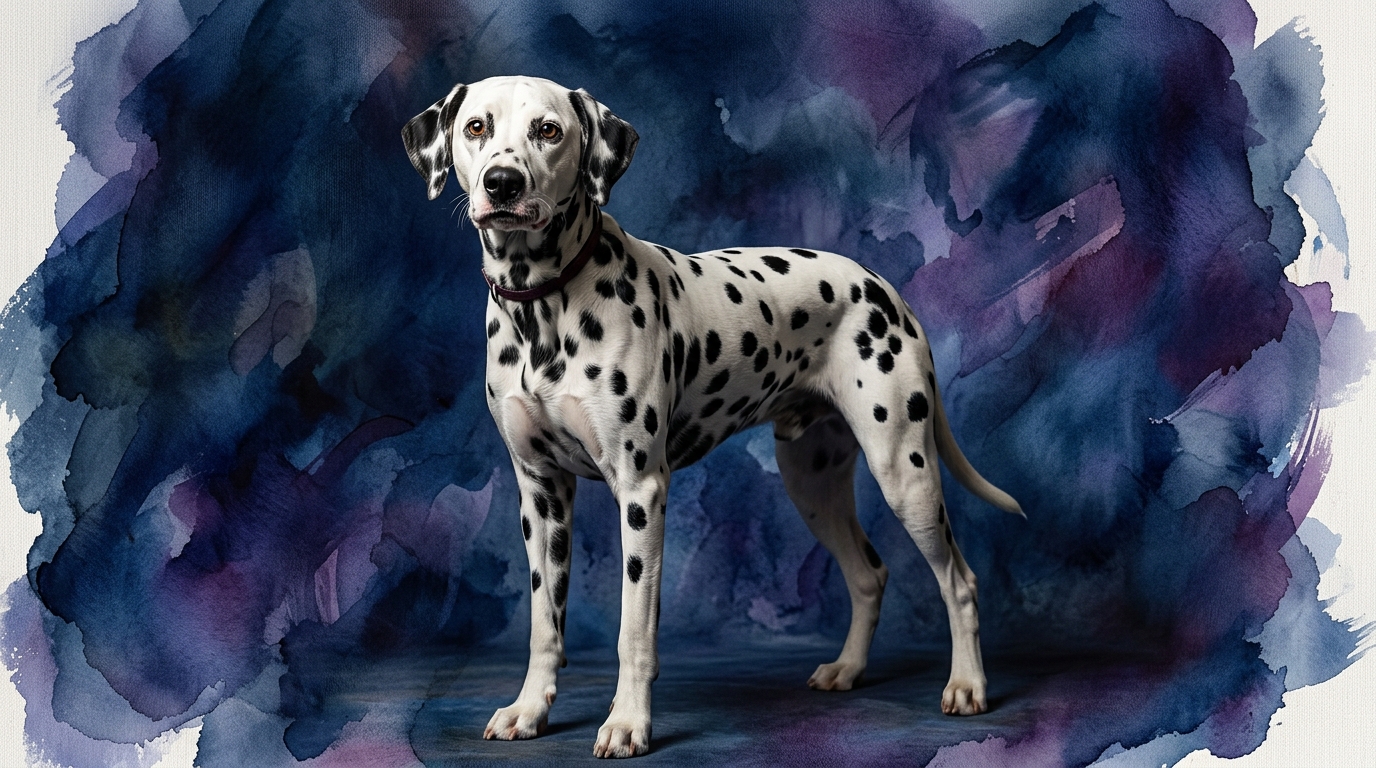
The Cosmic Pet Pet IQ Lab evaluates canine intelligence across five critical dimensions, providing a granular view of how breeds process information and interact with their world. For the Dalmatian, ranked #39 by Coren, we observe a Problem Solving score of 3/5, indicating a solid capacity for figuring out novel situations and navigating their environment. Their Training Speed also stands at 3/5, suggesting they learn new commands and routines at a steady, average pace. Where Dalmatians truly shine is in their Social Intelligence (4/5), reflecting a strong ability to read human cues and form deep, communicative bonds, alongside an Instinctive Drive of 4/5, which speaks to their historical role needing purpose and engagement. Their Memory score of 4/5 means they retain learned behaviors and routines effectively over time.
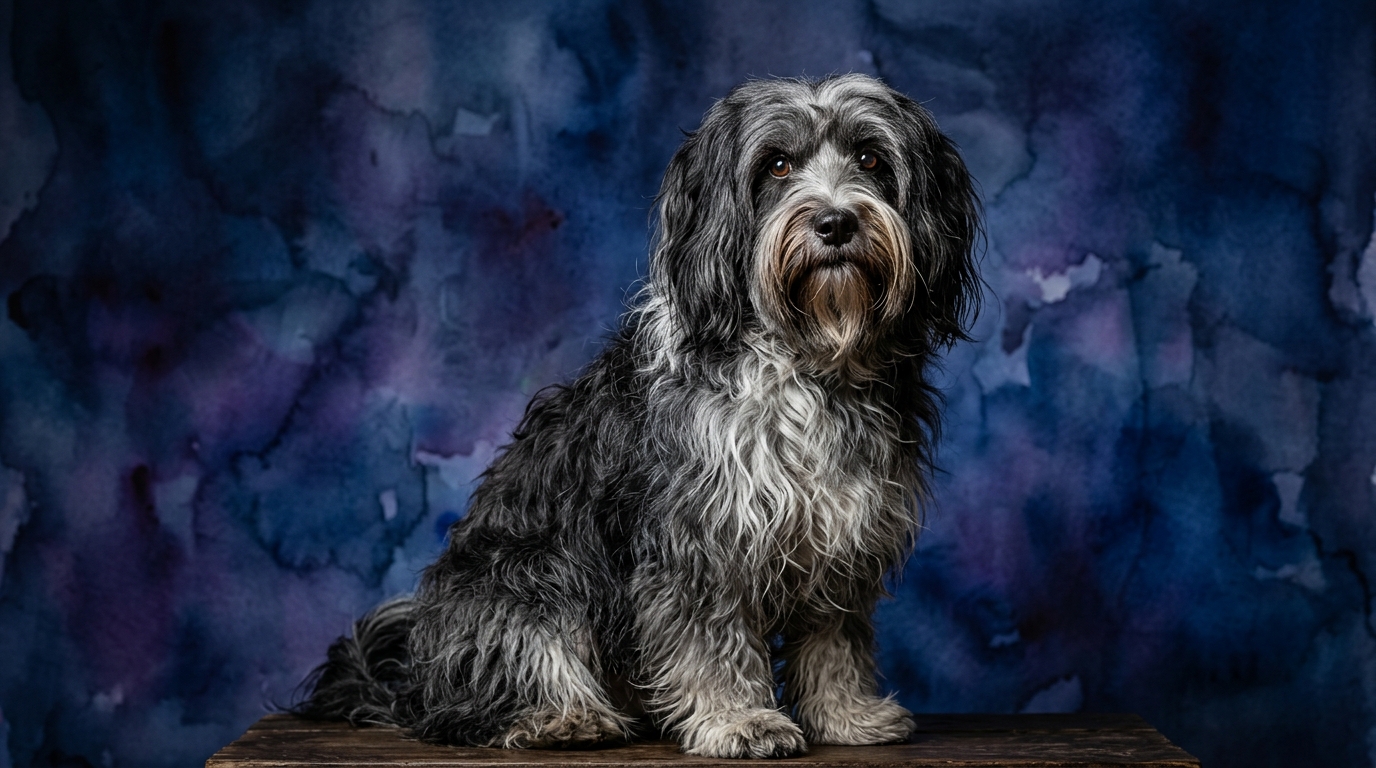
The Tibetan Terrier, Coren ranked at #63, presents a more uniformly moderate cognitive profile. Their Problem Solving capability is rated 3/5, mirroring the Dalmatian's capacity for independent thought and environmental adaptation. Similarly, their Training Speed is 3/5, indicating a comparable rate of acquiring new skills and obedience. However, the Tibetan Terrier's Social Intelligence scores 3/5, suggesting they are sociable but perhaps less acutely attuned to subtle human emotional shifts compared to Dalmatians, often displaying a more independent streak. Their Instinctive Drive is also 3/5, implying a moderate desire for activity and purpose without the intense working drive often seen in breeds bred for specific tasks. Their Memory score of 3/5 means they learn and remember, though perhaps requiring more consistent reinforcement than a Dalmatian to solidify information.
Where the Dalmatian Excels Cognitively
The Dalmatian's cognitive advantages are most apparent in their elevated Social Intelligence, Instinctive Drive, and Memory scores. A 4/5 in Social Intelligence means Dalmatians are typically more attuned to their human companions, often seeking interaction and understanding subtle shifts in mood or intention. This makes them highly responsive and eager participants in shared activities, fostering a strong, almost intuitive bond. Their historical role as coach dogs, running alongside carriages and guarding them, demanded this high level of social attunement and cooperation.
Their 4/5 Instinctive Drive reflects a deep-seated need for purpose and mental engagement. This isn't just about physical exercise; it's about having a 'job' or a structured activity that channels their energy and focus. Whether it's agility, obedience, or simply a consistent routine with varied mental challenges, a Dalmatian thrives when their cognitive drive is appropriately stimulated. Paired with a 4/5 Memory, they excel at retaining complex sequences of commands and understanding intricate routines, making them capable of advanced training and consistent performance once a behavior is established.
Where the Tibetan Terrier's Profile Shines
While the Tibetan Terrier's scores are consistently at 3/5, this balanced cognitive profile can be a significant advantage for specific lifestyles and owner preferences. Their moderate Problem Solving (3/5) means they are capable of navigating their world without being overly prone to complex mischief or needing constant, intense mental puzzles to stay content. They are clever enough to figure things out but generally don't possess the relentless, high-demand intellect that can challenge some owners.
The Tibetan Terrier's 3/5 in Social Intelligence and Instinctive Drive translates to a companion that is affectionate and enjoys interaction but also possesses a notable degree of independence. They are not typically as 'velcro' as some breeds, often content to observe or entertain themselves, which can be a 'win' for owners who appreciate a dog that isn't constantly seeking attention or direction. This moderate drive means they enjoy activity and learning but typically don't require the same intensity of structured 'work' as a Dalmatian, making them adaptable to a wider range of daily routines without becoming easily frustrated by a lack of constant cognitive challenge.
Training Aptitude: Dalmatian vs. Tibetan Terrier
When it comes to ease of training, the Dalmatian generally holds an edge, primarily due to their higher Social Intelligence and Memory, combined with a strong Instinctive Drive. Their 4/5 Social Intelligence means they are often more eager to please and more receptive to human communication, which simplifies the training process. They are quicker to pick up on what their handler wants and are motivated by the bond they share. Their 4/5 Memory ensures that once a command or behavior is learned, it tends to stick, reducing the need for constant re-teaching.
The Tibetan Terrier, with 3/5 in Training Speed, Social Intelligence, and Memory, is certainly trainable but often requires a more patient and consistent approach. Their independent nature, stemming from their slightly lower social intelligence, can sometimes be perceived as stubbornness. They may question commands or take a moment longer to comply, not out of defiance, but from a more self-reliant cognitive perspective. Owners will find success with positive reinforcement, consistency, and making training feel like a fun, engaging game rather than a chore, as their moderate instinctive drive still appreciates mental stimulation when presented effectively.
Matching Cognitive Profiles to Lifestyles
For active owners seeking a highly engaged and purposeful canine partner, the Dalmatian's cognitive profile aligns well. Their 4/5 Instinctive Drive requires significant outlets, meaning owners prepared for regular, vigorous exercise and consistent mental challenges will find a rewarding companion. Dalmatians thrive in environments where they have a 'job,' whether it's participating in dog sports, going on long runs, or engaging in complex obedience routines. Their high Social Intelligence makes them deeply bonded companions who want to be involved in family activities.
Relaxed owners, or those seeking a companion with a more adaptable cognitive demand, might find the Tibetan Terrier a more suitable match. Their balanced 3/5 scores across the board indicate a dog that enjoys activity and interaction but doesn't typically possess the intense, constant need for mental or physical 'work' that a Dalmatian does. They are content with moderate exercise and varied enrichment, fitting well into a home that offers a comfortable balance of engagement and independent downtime. Their independence means they can be excellent companions for individuals who appreciate a dog that isn't constantly demanding attention.
The Verdict
Choose a Dalmatian if you are an active individual or family prepared to consistently engage a dog with a strong instinctive drive, high social intelligence, and a remarkable memory for complex tasks and routines.
Opt for a Tibetan Terrier if you appreciate a dog with a balanced, adaptable cognitive profile, enjoying moderate activity and independent companionship without the intense demands of a strong working drive.
🧠 Find Your Pet's IQ Score
Our Pet IQ Lab assessment covers 25+ tests across 5 cognitive dimensions — personalized to your breed.
Take the Full IQ Test →Frequently Asked Questions
Are Dalmatians good with children?
Dalmatians, with their 4/5 Social Intelligence, can form strong bonds with family members, including children. However, their high instinctive drive means they need proper socialization and consistent training from a young age to channel their energy appropriately and ensure positive interactions.
Do Tibetan Terriers need a lot of grooming?
While not directly related to intelligence, the Tibetan Terrier's long, double coat does require significant grooming to prevent matting. Regular brushing and professional trims are essential to maintain their coat and ensure their comfort, which indirectly impacts their overall well-being and willingness to engage.
Are Dalmatians prone to stubbornness?
Dalmatians are often described as having an independent streak, which, combined with their 4/5 instinctive drive, can be mistaken for stubbornness if their need for purpose and mental engagement isn't met. Consistent, positive training that channels their drive is key to cooperative behavior.