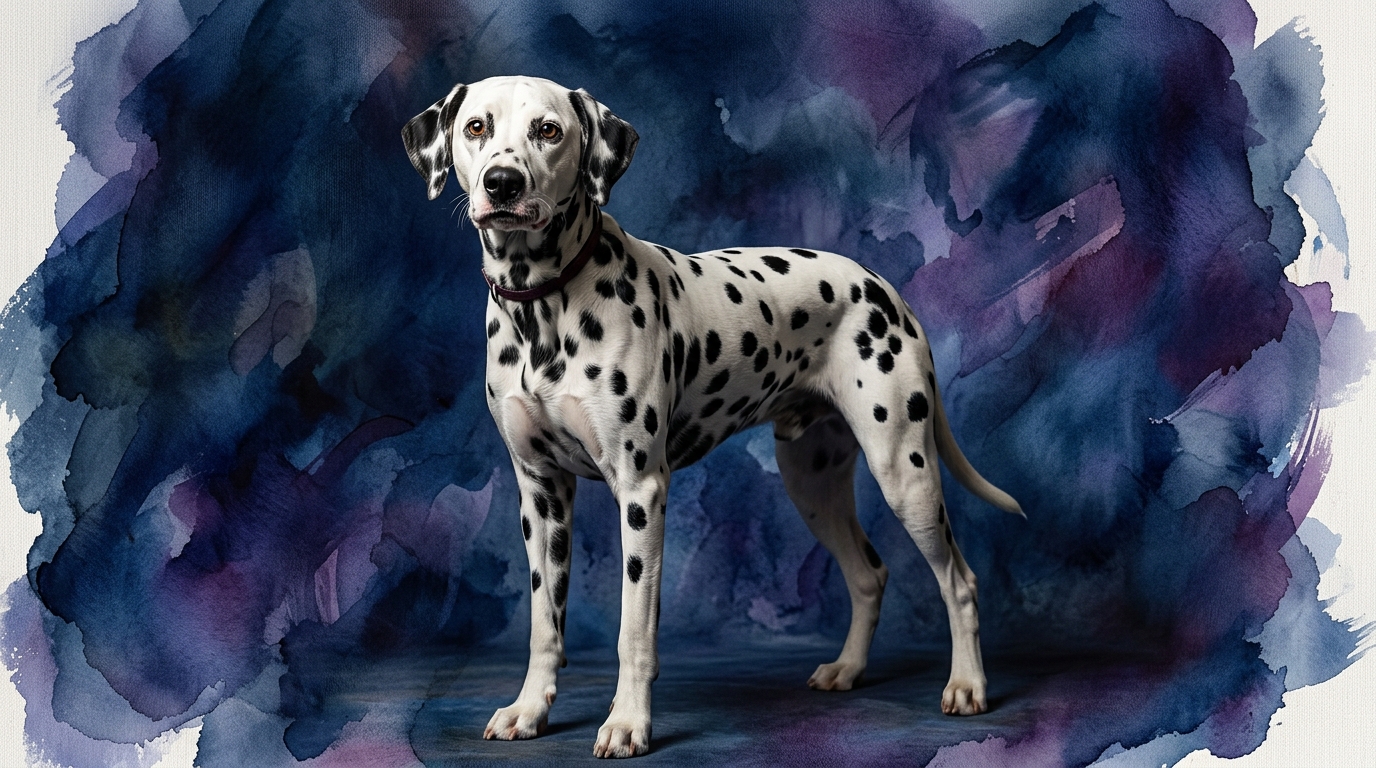
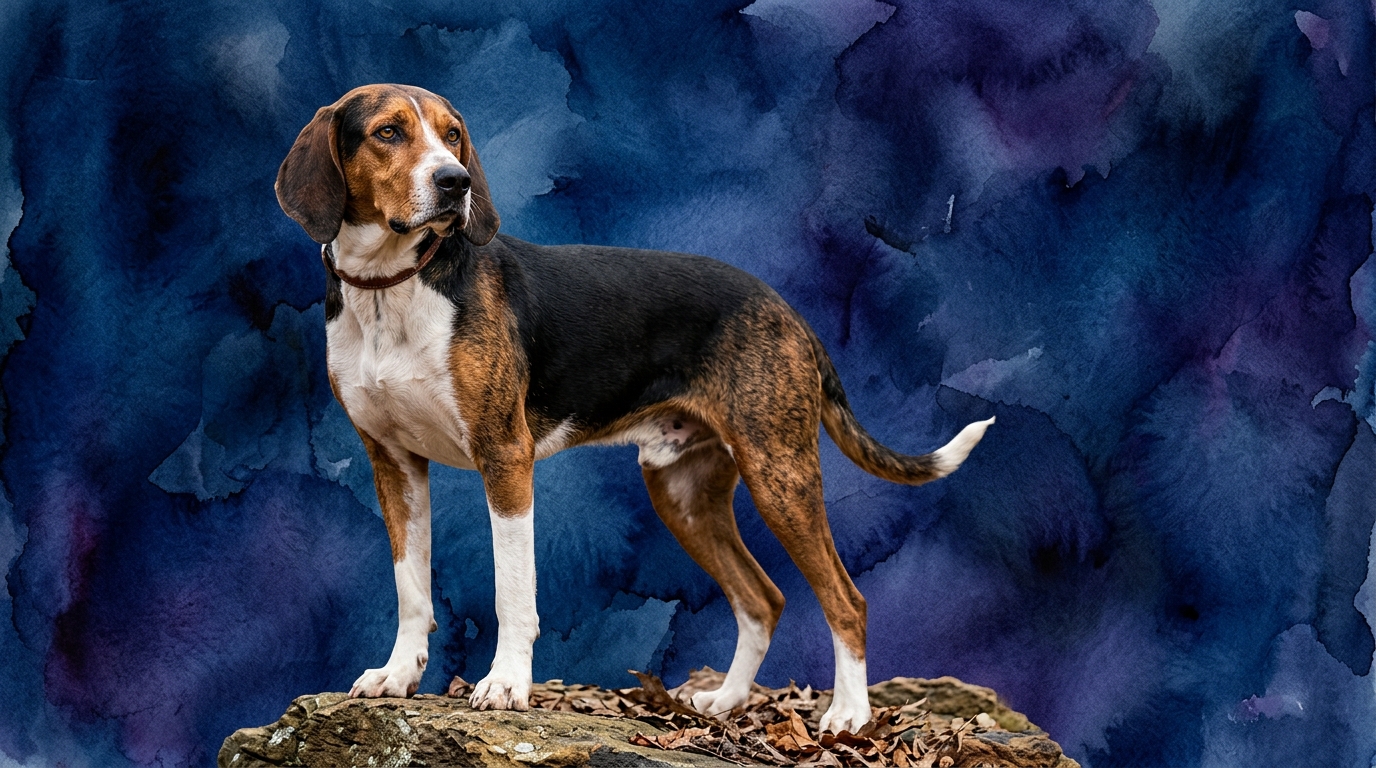
Side-by-Side IQ Profile: Dalmatians and Treeing Walker Coonhounds
The Cosmic Pet Pet IQ Lab employs a five-dimensional framework to assess canine intelligence, providing a detailed look beyond generic labels. For the Dalmatian, a breed historically associated with carriage horses and firehouses, we observe a Problem Solving score of 3/5, indicating an average capacity for navigating novel challenges and figuring out solutions independently. Their Training Speed is also rated 3/5, suggesting they grasp new commands at a moderate pace. Where Dalmatians truly distinguish themselves is in their Social Intelligence, scoring 4/5, reflecting a strong ability to interpret human cues and bond closely. Their Instinctive Drive, rated 4/5, speaks to their inherent predispositions, such as their endurance and desire for companionship, while their Memory, at 4/5, indicates a good capacity for retaining routines and learned behaviors. This breed, recognized in Stanley Coren's ranking at #39, demonstrates a balanced cognitive makeup with notable strengths in social interaction and retention.
In contrast, the Treeing Walker Coonhound, a dedicated hunting breed from the Hound group, presents a different cognitive signature. They share the Dalmatian's Problem Solving score of 3/5, suggesting a similar ability to work through practical dilemmas, often related to their drive to follow a scent. Their Training Speed is also 3/5, meaning they learn new tasks at a comparable rate, though the *application* of this speed can differ due to their inherent motivations. The Treeing Walker Coonhound scores 3/5 in Social Intelligence, indicating a solid, but perhaps less overt, responsiveness to human social cues compared to the Dalmatian. Their Instinctive Drive, also 3/5, is powerfully geared towards their primary function: scent tracking and treeing game, reflecting a specialized rather than a broad set of natural behaviors. Finally, their Memory score of 3/5 suggests a functional recall, sufficient for their hunting tasks but potentially less expansive than the Dalmatian's. This breed is not included in Coren's primary ranking, highlighting its specialized cognitive focus rather than a general obedience aptitude.
Where the Dalmatian Wins Cognitively
The Dalmatian's cognitive strengths shine particularly in areas requiring nuanced interaction and consistent retention. With a Social Intelligence score of 4/5, compared to the Treeing Walker Coonhound's 3/5, Dalmatians are generally more adept at reading and responding to human emotional states and intentions. This higher social acumen often translates into a dog that is more attuned to its family, seeking out interaction and responding more readily to subtle commands or changes in tone. Their historical role as carriage dogs, running alongside horses and carriages, demanded a keen awareness of their surroundings and handlers, contributing to this developed social awareness.
Furthermore, the Dalmatian's superior Memory (4/5 versus 3/5) means they are likely to retain learned behaviors, routines, and commands over longer periods with greater reliability. This cognitive advantage can make a significant difference in consistency for tasks like recall, house-training, and executing a sequence of commands. Coupled with a higher Instinctive Drive (4/5), which for Dalmatians often manifests as a desire for companionship, structured exercise, and mental engagement, they often exhibit a more generalized eagerness to participate in human-led activities, absorbing lessons and experiences with greater cognitive depth.
Where the Treeing Walker Coonhound Wins Cognitively
While the Treeing Walker Coonhound's overall scores might appear lower in some general categories, their cognitive wins are deeply rooted in their specialized purpose. Their Instinctive Drive, while rated 3/5, is intensely focused and incredibly persistent when it comes to scent work. This isn't merely a physical drive but a complex cognitive process involving scent discrimination, tracking, and problem-solving within a scent trail. Their ability to maintain focus on a specific scent for extended periods, ignoring distractions, represents a profound cognitive strength in selective attention and sustained effort, a skill that few other breeds can match.
The Treeing Walker Coonhound's Problem Solving score of 3/5, on par with the Dalmatian, is often applied to navigating complex terrains and overcoming obstacles in pursuit of a scent. This practical, goal-oriented problem-solving, coupled with their endurance, allows them to independently strategize and execute a hunt. Although their Social Intelligence is 3/5, their cognitive processes excel in their field, making them exceptionally capable partners for hunters. Their vocalizations, often referred to as 'baying,' are not random but a sophisticated form of communication, indicating progress on a trail or the successful treeing of game, showcasing a unique cognitive communication strategy tied directly to their specialized drive.
Which is Easier to Train and Why
Despite both breeds scoring 3/5 in Training Speed, the Dalmatian generally presents as an easier dog to train for general obedience and household manners due to their higher Social Intelligence (4/5) and Memory (4/5). Dalmatians often possess a greater inherent desire to please their human companions and are more attuned to social cues, making them more receptive to positive reinforcement and correction. Their better memory means they are more likely to internalize commands and routines, leading to more consistent performance over time. This social receptiveness and strong recall ability reduce the perceived effort in foundational training.
The Treeing Walker Coonhound, with its 3/5 scores in Social Intelligence and Memory, combined with a powerful, independent hunting drive, can be more challenging to train for tasks unrelated to scent work. Their natural inclination is to follow their nose, and once on a scent, external commands may become secondary. Training a Treeing Walker Coonhound requires immense patience, consistency, and often specialized techniques that leverage their drive, such as scent games or 'place' commands. While they can learn, their independent nature means an owner must work *with* their instincts, rather than expecting immediate, compliant responses to every command, especially outdoors.
Which Suits Active Owners vs. Relaxed Owners
Neither the Dalmatian nor the Treeing Walker Coonhound is suited for truly relaxed or sedentary owners seeking a low-maintenance companion. Both breeds possess significant energy and cognitive needs that demand active engagement. Dalmatians, with their 4/5 Instinctive Drive, require substantial daily exercise, which historically involved running for miles. They thrive on structured activities like jogging, long walks, agility, or canine sports, and also need mental stimulation to prevent boredom. Their social intelligence means they enjoy activities that involve their human family, making them excellent companions for active individuals or families who can integrate them into their fitness routines.
Treeing Walker Coonhounds are equally, if not more, demanding in terms of activity, though their needs are specialized. Their 3/5 Instinctive Drive is a powerful engine for scent work, meaning they require ample opportunities to follow their nose, whether through dedicated hunting, tracking sports, or extensive walks in varied environments. A simple walk around the block may not suffice for their cognitive and physical fulfillment; they need to 'work' their nose. They are endurance athletes, capable of covering vast distances. Owners who are not prepared for long, vigorous outdoor excursions and consistent mental challenges related to scent will find this breed overwhelming. Neither breed is a good fit for someone seeking a primarily indoor, couch-potato dog.
The Verdict
Choose the Dalmatian if you seek a highly social, adaptable companion for structured activities and general obedience, and you can provide consistent mental and physical engagement. Their higher social intelligence and memory make them more responsive to human-centric training and family life.
Opt for the Treeing Walker Coonhound if you are an experienced, active owner passionate about canine scent work, hunting, or tracking sports, and are prepared for a persistent, independent hound. Their specialized cognitive strengths thrive when given opportunities to follow their powerful nose and engage their endurance.
🧠 Find Your Pet's IQ Score
Our Pet IQ Lab assessment covers 25+ tests across 5 cognitive dimensions — personalized to your breed.
Take the Full IQ Test →Frequently Asked Questions
Are Dalmatians good family dogs?
Dalmatians can be excellent family dogs due to their high social intelligence and desire for companionship, often forming strong bonds with their human family members. However, their energy levels and need for consistent training mean they thrive best in active households that can provide ample exercise and mental stimulation.
Do Treeing Walker Coonhounds bark a lot?
Treeing Walker Coonhounds are known for their distinctive vocalizations, including baying, which is a key part of their hunting communication. While they don't constantly bark, their vocal nature means they will use their voice to express themselves, especially when on a scent or feeling bored, which requires consideration for living in close quarters.
Which breed requires more exercise?
Both breeds require substantial exercise, but the *type* differs. Dalmatians need sustained physical activity like running or structured play, often alongside their owners. Treeing Walker Coonhounds require extensive, often off-leash, opportunities to use their nose and cover ground, making their exercise needs more specialized and demanding for scent-driven activities.