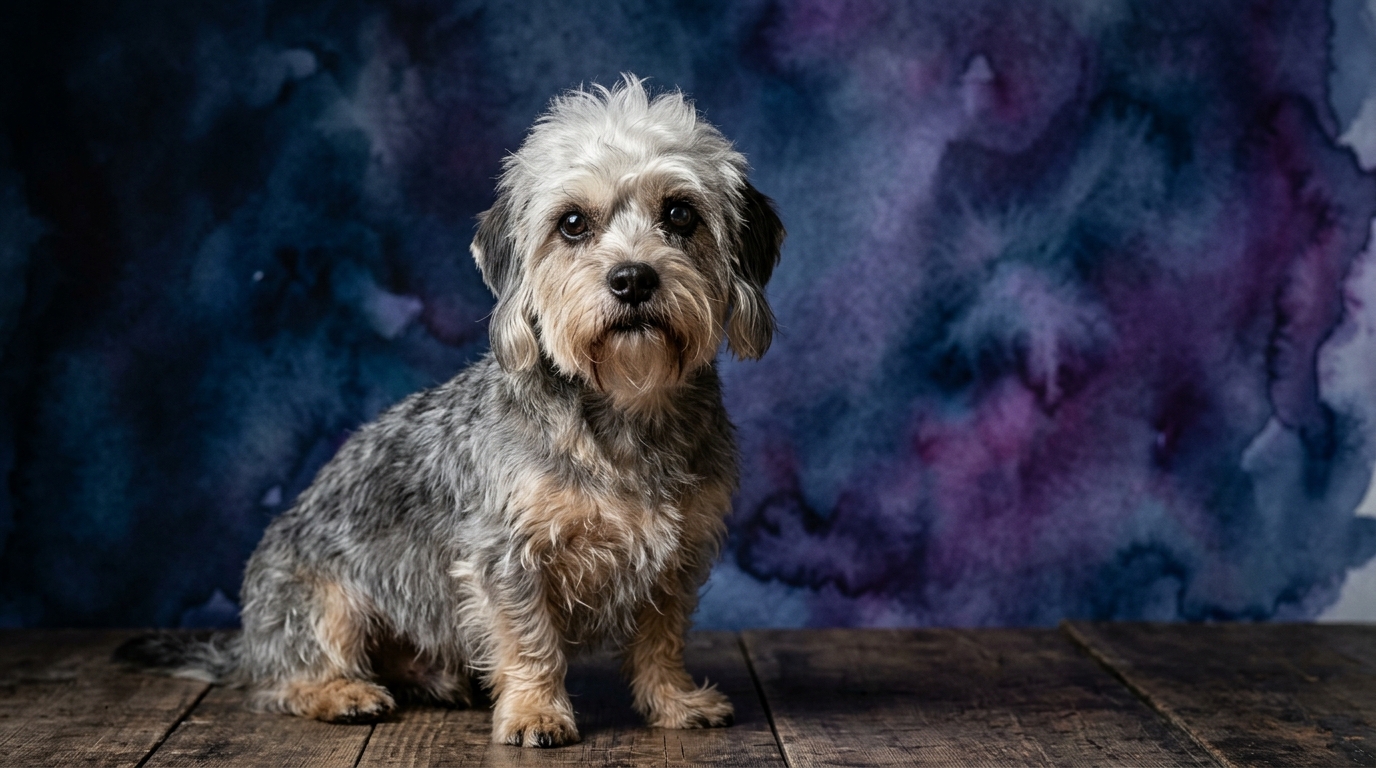
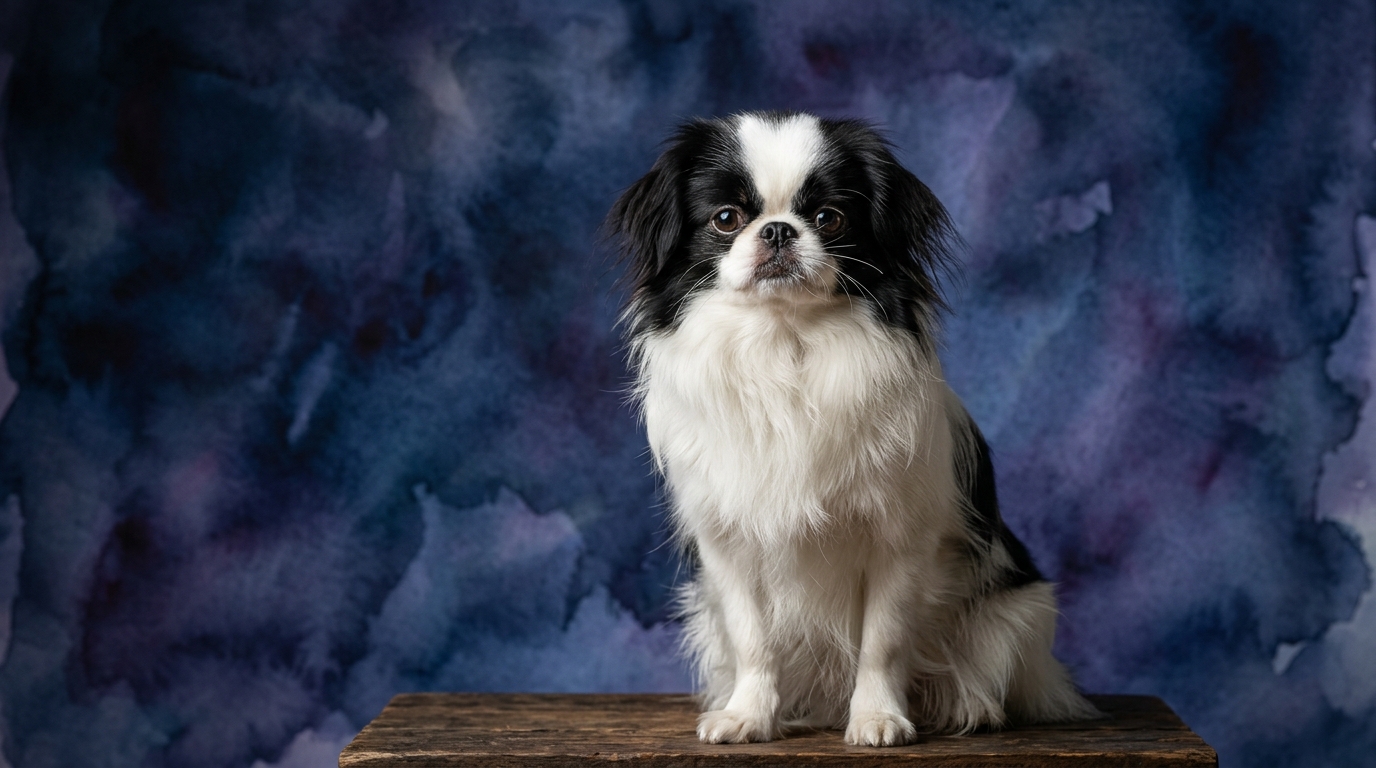
Side-by-Side IQ Profile
**Dandie Dinmont Terrier:** This breed's cognitive attributes are deeply rooted in its heritage as a working terrier.
**Problem Solving (3/5):** This score reflects a practical, persistent intelligence. A Dandie often excels at figuring out how to access tight spaces, outsmart small critters, or navigate complex terrain, driven by its innate hunting instincts. Their problem-solving is typically hands-on and goal-oriented, often involving digging or strategic pursuit.
**Training Speed (3/5):** Dandies are capable learners, processing new commands and routines at a moderate pace. However, their independent terrier spirit means they might weigh the 'what's in it for me' aspect, requiring consistent, engaging, and reward-based methods to truly shine. They learn efficiently but may exhibit selective hearing if not properly motivated.
**Social Intelligence (3/5):** Exhibiting a keen awareness of their human family's moods and intentions, Dandies form deep bonds and understand household dynamics. While often reserved with strangers, their social intelligence within their trusted circle is strong, allowing them to communicate needs and desires effectively, often with a characteristic 'Dandie expression.'
**Instinctive Drive (3/5):** This score highlights a robust, inherent drive deeply rooted in their working heritage. Dandies possess a moderate to strong prey drive, a natural inclination to dig, and a desire to patrol their territory, reflecting their historical role as vermin hunters. This drive is a core part of their identity and needs appropriate outlets.
**Memory (3/5):** Dandies demonstrate a solid memory for learned commands, routines, and the layout of their environment. They can recall past experiences and adapt their behavior accordingly, remembering specific people, places, or even where a squirrel was last spotted. Their memory serves their practical, independent nature well.
**Japanese Chin:** As a historical companion to nobility, the Japanese Chin's intelligence is distinctly geared towards social engagement and comfort.
**Problem Solving (3/5):** For the Japanese Chin, a 3/5 in problem-solving manifests as a cleverness geared towards social interaction and comfort. They are adept at figuring out how to gain attention, manipulate their environment for a cozy spot, or communicate their needs through subtle cues. Their intelligence is often applied to refining their living situation and human relationships.
**Training Speed (3/5):** Japanese Chins learn at a moderate pace, often motivated by praise, affection, and positive reinforcement. Their sensitive nature means they respond best to gentle, consistent training, which allows them to quickly grasp new concepts. While not always eager to perform complex tricks, they are generally willing to learn what’s asked of them for the sake of companionship.
**Social Intelligence (3/5):** This breed excels in social awareness, deeply attuned to the nuances of human emotion and household atmosphere. Chins are masters of observation, often anticipating their owner's next move or offering comfort when sensing distress. Their social intelligence fosters strong, empathetic bonds, making them highly responsive companions.
**Instinctive Drive (3/5):** The Japanese Chin's instinctive drive is primarily focused on companionship and domestic harmony. While they may have a moderate alert bark, their drives are less about hunting or territorial defense and more about seeking comfort, maintaining close proximity to their humans, and engaging in gentle play. Their instincts are refined for a life of leisure and affection.
**Memory (3/5):** Japanese Chins possess a good memory, particularly for people, routines, and preferred comfort zones. They remember who offers the best cuddles, the schedule for walks and meals, and specific interactions, allowing them to build strong, lasting relationships and adapt seamlessly to their home environment.
Where Dandie Dinmont Terrier Wins Cognitively
The Dandie Dinmont Terrier’s cognitive strengths truly shine in scenarios demanding independent thought and tenacious execution. Their problem-solving (3/5) is uniquely geared towards overcoming physical obstacles or pursuing objectives with singular focus. For instance, a Dandie might more readily devise a strategy to access a hidden toy under furniture or persistently work to unearth a scent in the garden, showcasing a practical, self-directed ingenuity. Their instinctive drive (3/5), deeply rooted in their working heritage, provides an inherent advantage in tasks requiring sustained effort and determination, such as scent tracking or navigating varied terrain. This drive fuels a resilience that makes them less likely to give up on a self-assigned "mission," even when faced with challenges. Furthermore, while their training speed is 3/5, the *application* of their memory (3/5) in real-world, dynamic situations, particularly those involving spatial awareness and object permanence related to prey, often appears more robust in a working context. This combination of self-driven problem-solving and persistent instinctive action gives the Dandie a distinct edge in tasks demanding grit and self-reliance.
Where Japanese Chin Wins Cognitively
The Japanese Chin excels in cognitive domains centered around nuanced social interaction and environmental adaptation for comfort and harmony. Their social intelligence (3/5) is particularly refined, allowing them to read human emotional states with remarkable accuracy, often preempting needs or offering subtle gestures of comfort. This deep empathetic understanding makes them exceptionally responsive companions, demonstrating a sophisticated grasp of interpersonal dynamics that might be less pronounced in a more independent breed. Their problem-solving (3/5), while rated similarly, shines in a domestic context; a Chin might cleverly figure out the optimal spot for sunbathing, how to subtly solicit a belly rub, or even how to "herd" their human to the treat cupboard. This form of problem-solving is less about physical conquest and more about strategic influence within their social world. Furthermore, their memory (3/5) often focuses on routines, favored individuals, and the intricate details of their home environment that contribute to their well-being, such as remembering who gives the best head scratches or the precise timing of meal preparation. This specific application of memory, combined with their instinctive drive (3/5) for companionship, gives the Japanese Chin an advantage in fostering deep, emotionally rich relationships and navigating complex social landscapes with grace.
Which is Easier to Train and Why
When considering ease of training, the distinction between Dandie Dinmont Terrier and Japanese Chin, despite both scoring 3/5 in training speed, lies in their underlying motivations. The Japanese Chin often presents as "easier" for many owners due to their strong desire for human companionship and their sensitive, agreeable nature. They tend to be highly responsive to positive reinforcement, eager to please their beloved humans, and can be readily motivated by praise and gentle affection. Their social intelligence (3/5) means they quickly pick up on cues and adjust behavior to maintain harmony, making them generally cooperative students, though harsh corrections are counterproductive. In contrast, the Dandie Dinmont Terrier, while equally capable of learning, possesses characteristic terrier independence and self-assurance. Their problem-solving (3/5) and instinctive drive (3/5) mean they are often more focused on their own objectives, such as investigating a scent, rather than solely on pleasing their handler. Training a Dandie requires more patience, creativity, and a firm but fair approach that convinces them cooperation is more rewarding than pursuing their own agenda. While both learn at a moderate pace, the Chin's intrinsic desire for connection often makes the *process* of training feel smoother for the average owner seeking a highly compliant pet.
Which Suits Active Owners vs Relaxed Owners
The choice between a Dandie Dinmont Terrier and a Japanese Chin largely depends on an owner's lifestyle. The Dandie Dinmont Terrier, with its robust instinctive drive (3/5) and problem-solving skills (3/5) geared towards action, is better suited for moderately active owners. They thrive on regular walks, opportunities for exploration, and engagement in activities that stimulate their minds and bodies, such as scent work or agility. Their independent nature means they enjoy having "jobs" or puzzles to solve, appreciating owners who provide consistent mental and physical outlets. An owner who enjoys outdoor adventures or structured training will find a rewarding partner in a Dandie. Conversely, the Japanese Chin is an ideal companion for more relaxed owners. Their instinctive drive (3/5) is primarily focused on companionship and domestic comfort, making them content with shorter, leisurely strolls and plenty of indoor cuddle time. Their social intelligence (3/5) means they are happiest interacting closely with family, adapting well to apartment living. While they enjoy play, their need for high-impact activity is minimal, aligning perfectly with a more relaxed lifestyle.
The Verdict
If you are a moderately active owner who appreciates an independent, tenacious companion eager for engaging activities like scent work or adventurous walks, and you can provide consistent, stimulating training, the Dandie Dinmont Terrier is an excellent choice.
Opt for the Japanese Chin if you seek a gentle, highly social, and devoted companion who thrives on close human interaction and a relaxed indoor lifestyle, and you prefer a dog that is generally eager to please with a sensitive approach to training.
🧠 Find Your Pet's IQ Score
Our Pet IQ Lab assessment covers 25+ tests across 5 cognitive dimensions — personalized to your breed.
Take the Full IQ Test →Frequently Asked Questions
Do Dandie Dinmont Terriers and Japanese Chins get along with children?
Dandie Dinmont Terriers can be good with respectful children, especially if raised together, but their independent nature means supervision is key to ensure boundaries. Japanese Chins are generally gentle and affectionate with children, though their small size and delicate build require careful handling from younger kids to prevent accidental injury.
Are Dandie Dinmont Terriers and Japanese Chins good for first-time dog owners?
Both breeds can be suitable for first-time owners who are committed to understanding their specific needs. Dandies require an owner willing to embrace their terrier traits and provide consistent, engaging training, while Chins thrive with owners who appreciate their sensitive, companionable nature and gentle training methods.
What are the main differences in their social behavior towards other pets?
Dandie Dinmont Terriers, due to their instinctive drive, may exhibit a stronger prey drive towards smaller animals and can be selective with other dogs, often preferring to be the sole canine. Japanese Chins are generally more amenable to living with other well-behaved pets, often enjoying the company of other dogs or even cats, as long as introductions are properly managed.