Side-by-Side IQ Profile: Dissecting '3/5' Intelligence
The Cosmic Pet Pet IQ Lab assesses canine intelligence across five key dimensions, and both the Dandie Dinmont Terrier and the Otterhound consistently score a 3 out of 5 in each category, indicating a solid, functional intelligence that is neither rudimentary nor exceptional. Understanding what this '3/5' means for each breed requires looking beyond the number and into their historical roles and inherent temperaments.
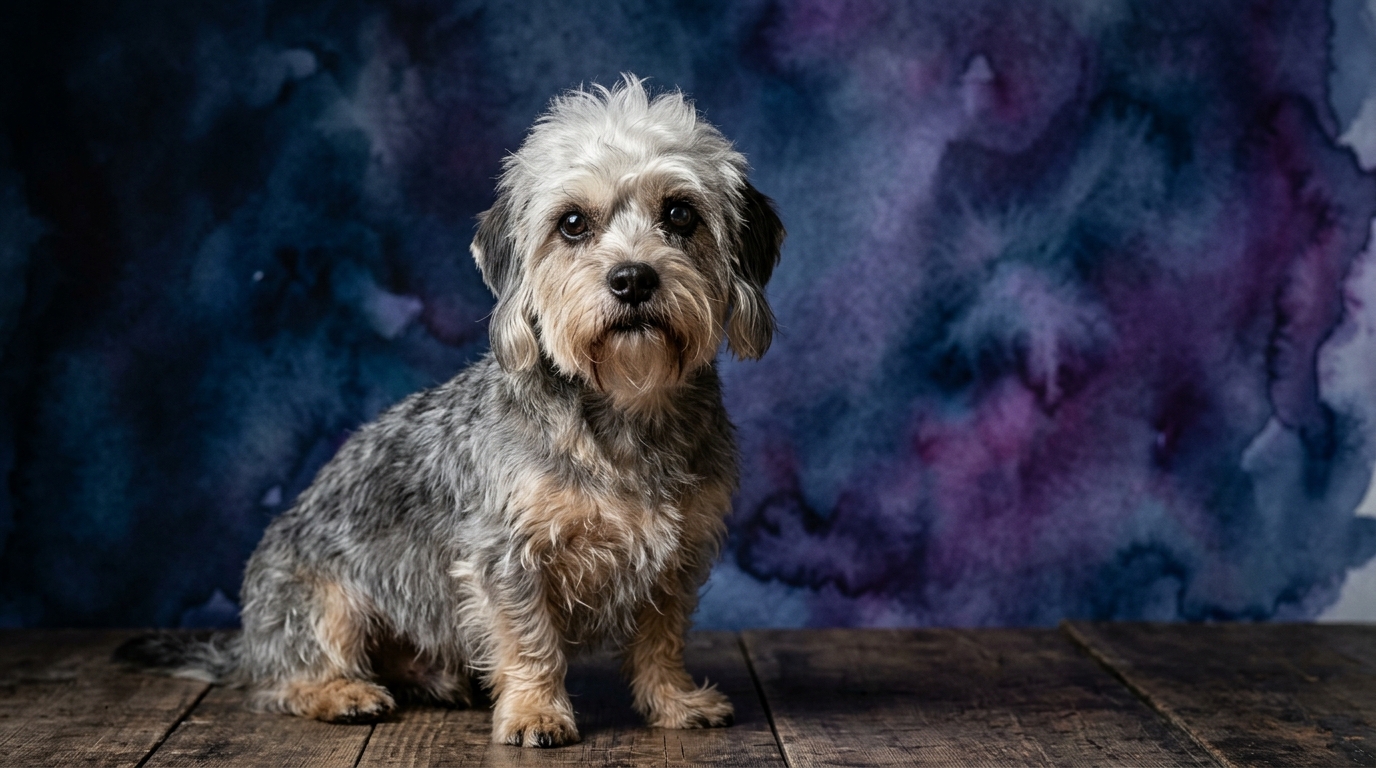
For the **Dandie Dinmont Terrier**, a 3/5 in **Problem Solving** reflects their terrier heritage of independent thought, where they excel at figuring out how to navigate tight spaces or persistent challenges, such as locating hidden prey or outsmarting a small critter. Their **Training Speed** at 3/5 means they are capable learners, picking up commands with consistency and positive reinforcement, though their independent streak might occasionally lead to selective hearing if a more interesting 'problem' presents itself. A 3/5 in **Social Intelligence** indicates a strong bond with their chosen family, an ability to read household dynamics, and a capacity for appropriate social interactions, although they can be reserved with strangers and may require careful socialization with other dogs. Their **Instinctive Drive** at 3/5 is pronounced in their prey drive, digging tendencies, and vocal alerts, reflecting their badger-hunting origins. Finally, a 3/5 in **Memory** suggests they retain learned commands, routines, and spatial awareness effectively, remembering past experiences that inform future actions.
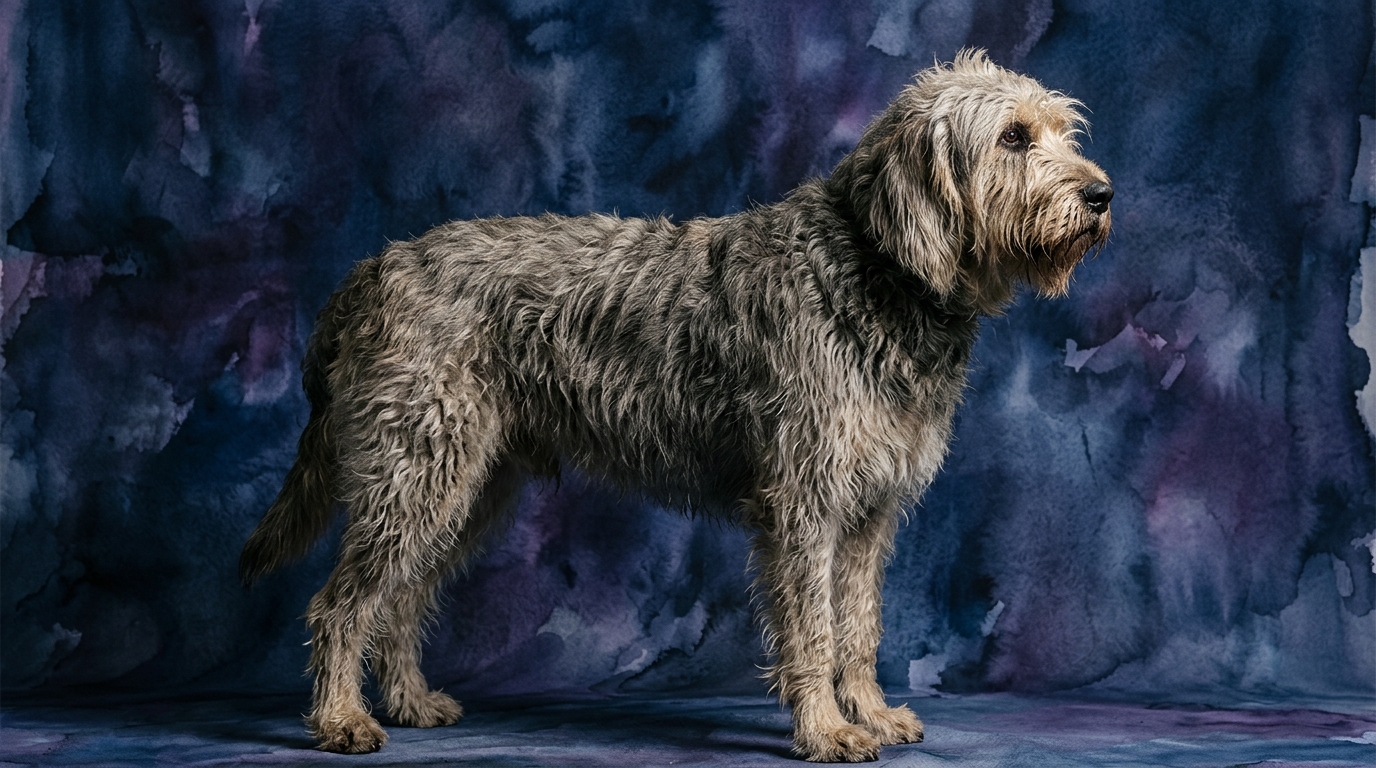
The **Otterhound's** 3/5 in **Problem Solving** is distinct, often manifesting in their ability to methodically follow complex scent trails over varied terrain, piecing together environmental clues to reach a goal; this is less about quick individual wit and more about sustained, sensory-driven deduction. Their **Training Speed** also at 3/5 means they are trainable, but their deep-seated scent hound instincts can make them easily distracted by environmental stimuli, requiring patient, consistent, and highly motivating training methods to keep their focus. A 3/5 in **Social Intelligence** highlights their pack-oriented nature, making them generally amiable and adaptable within a group, capable of harmonious living with other dogs and people, though their focus might be more on the collective than individual human emotional nuances. Their **Instinctive Drive** at 3/5 is overwhelmingly dominated by their powerful scenting ability and an enduring stamina for tracking, showcasing a relentless pursuit once a trail is found. A 3/5 in **Memory** for an Otterhound is particularly strong regarding scent recall and mapping out familiar hunting grounds or territories, remembering complex pathways and the locations of interesting odors over time.
Where the Dandie Dinmont Terrier Wins Cognitively
Despite identical scores, the Dandie Dinmont Terrier's cognitive strengths lean towards a more focused, individualistic problem-solving approach, particularly in confined or intricate environments. Their terrier tenacity means that their 3/5 problem-solving often translates into a relentless, clever pursuit of a goal, whether it's figuring out how to get a toy from under furniture or navigating a complex scent puzzle in a smaller space, demonstrating a sharp, adaptive intelligence for their size and purpose. Their memory, while rated similarly, might manifest as a superior recall for specific handler commands in a controlled setting, or remembering the location of their favorite napping spot with uncanny accuracy, due to their closer, more direct interaction with human routines.
Where the Otterhound Wins Cognitively
The Otterhound's cognitive edge lies in its profound sensory intelligence and endurance-based problem-solving, a direct reflection of its scent hound heritage. Their 3/5 problem-solving is unparalleled when it comes to following a cold scent trail, requiring a sophisticated processing of olfactory information over vast distances and varied conditions, a task that demands sustained focus and a nuanced understanding of environmental cues. Their instinctive drive, while also a 3/5, is a dominant force that powers this cognitive ability, making them unmatched in tasks requiring persistent tracking and the ability to ignore other distractions in favor of a scent. Their social intelligence, in the context of a pack, often translates to a more fluid, cooperative understanding of group dynamics, making them excellent at harmonious living with multiple canines.
Which is Easier to Train and Why
Determining which breed is "easier" to train, despite both having a 3/5 Training Speed, comes down to understanding their inherent motivations and distractions. The Dandie Dinmont Terrier, while possessing a terrier's independent streak, often thrives on engaging with their owner and can be quite responsive to positive reinforcement and varied training sessions that appeal to their cleverness and desire for interaction. Their smaller size also makes them generally easier to manage physically during training.
Conversely, the Otterhound's training, though achievable, can present unique challenges due to their powerful instinctive drive. Their nose is their world, and once a compelling scent is detected, their 3/5 training speed is often overshadowed by their deep-seated urge to follow that trail, making off-leash reliability a significant undertaking. Training an Otterhound requires immense patience, consistency, and a willingness to compete with the allure of the environment, often necessitating highly rewarding treats or toys to maintain focus over their strong natural inclinations. Therefore, while both learn, the Otterhound demands a more dedicated and persistent approach to overcome its powerful, sensory-driven distractions.
Which Suits Active Owners vs. Relaxed Owners
For the truly active owner, the Otterhound is a compelling choice. Their heritage as a formidable hunting dog means they possess incredible stamina and require substantial daily exercise, including long walks, hikes, or even swimming, to keep them physically and mentally content. An Otterhound thrives with owners who enjoy outdoor adventures and can provide consistent opportunities for exploration and scent work, channelizing their potent instinctive drive. Their large size and need for mental engagement mean they are not suited to a sedentary lifestyle, and a bored Otterhound can become a destructive one.
The Dandie Dinmont Terrier, while lively and active, is generally a better fit for owners who appreciate regular but perhaps less intensely demanding activity. They enjoy walks, playtime, and engaging in puzzles or terrier-appropriate games, but their exercise needs are more manageable for someone who enjoys a relaxed evening at home after a good outing. Their smaller stature means they can adapt more readily to various living situations, provided their cognitive needs for stimulation and their instinctive drives for digging and alert barking are appropriately managed. They suit owners who value a curious, companionable dog that can be both playful outdoors and a calm presence indoors.
The Verdict
Choose the Dandie Dinmont Terrier if you appreciate a clever, independent companion who thrives on close family interaction and enjoys engaging in moderate, focused activities. They are ideal for owners who can appreciate a terrier's unique personality and provide consistent, rewarding mental stimulation within a family setting.
Opt for the Otterhound if you are an active, outdoors-loving individual or family seeking a large, amiable companion with immense stamina and a profound connection to the natural world through scent. They are best suited for patient owners ready to embrace their powerful hound instincts and provide extensive exercise and exploration opportunities.
🧠 Find Your Pet's IQ Score
Our Pet IQ Lab assessment covers 25+ tests across 5 cognitive dimensions — personalized to your breed.
Take the Full IQ Test →Frequently Asked Questions
Do Dandie Dinmont Terriers and Otterhounds have the same intelligence?
According to The Cosmic Pet Pet IQ Lab, both breeds score a 3/5 across all five intelligence dimensions, indicating a solid, functional level of intelligence. However, how this intelligence manifests differs due to their distinct historical roles and inherent breed traits. Their cognitive strengths are expressed in different ways, making them unique despite identical scores.
Which breed is better for first-time dog owners?
Neither breed is typically recommended for first-time dog owners without a strong commitment to understanding their specific needs. The Dandie Dinmont Terrier's terrier independence and potential for vocalization require consistent training, while the Otterhound's immense size, powerful scent drive, and significant exercise requirements demand an experienced handler. Both require dedicated socialization and consistent guidance.
Are these breeds good with children and other pets?
Both breeds can be good with children and other pets with proper socialization from a young age. Dandie Dinmont Terriers often form strong bonds with their family but may have a strong prey drive towards smaller non-canine pets and can be reserved with unfamiliar children. Otterhounds are generally good-natured and tolerant with children and other dogs due to their pack mentality, but their large size requires supervision around very young children.