
Side-by-Side IQ Profile
The Dandie Dinmont Terrier presents a balanced, moderate cognitive profile across the board. Its Problem Solving at 3/5 indicates a capacity for navigating straightforward challenges, likely through trial and error or learned associations, but perhaps without the rapid conceptual leaps seen in some breeds. Training Speed, also at 3/5, suggests a willingness to learn but might require consistent, patient repetition to solidify new commands. Social Intelligence, rated 3/5, points to a reasonable ability to read human cues and adapt within a family structure, though perhaps not with overt empathy or manipulative charm. An Instinctive Drive of 3/5 implies a moderate level of intrinsic motivation for tasks like chasing or guarding, present but not overwhelming. Finally, Memory at 3/5 indicates a solid ability to retain learned behaviors and recognize familiar patterns over time.
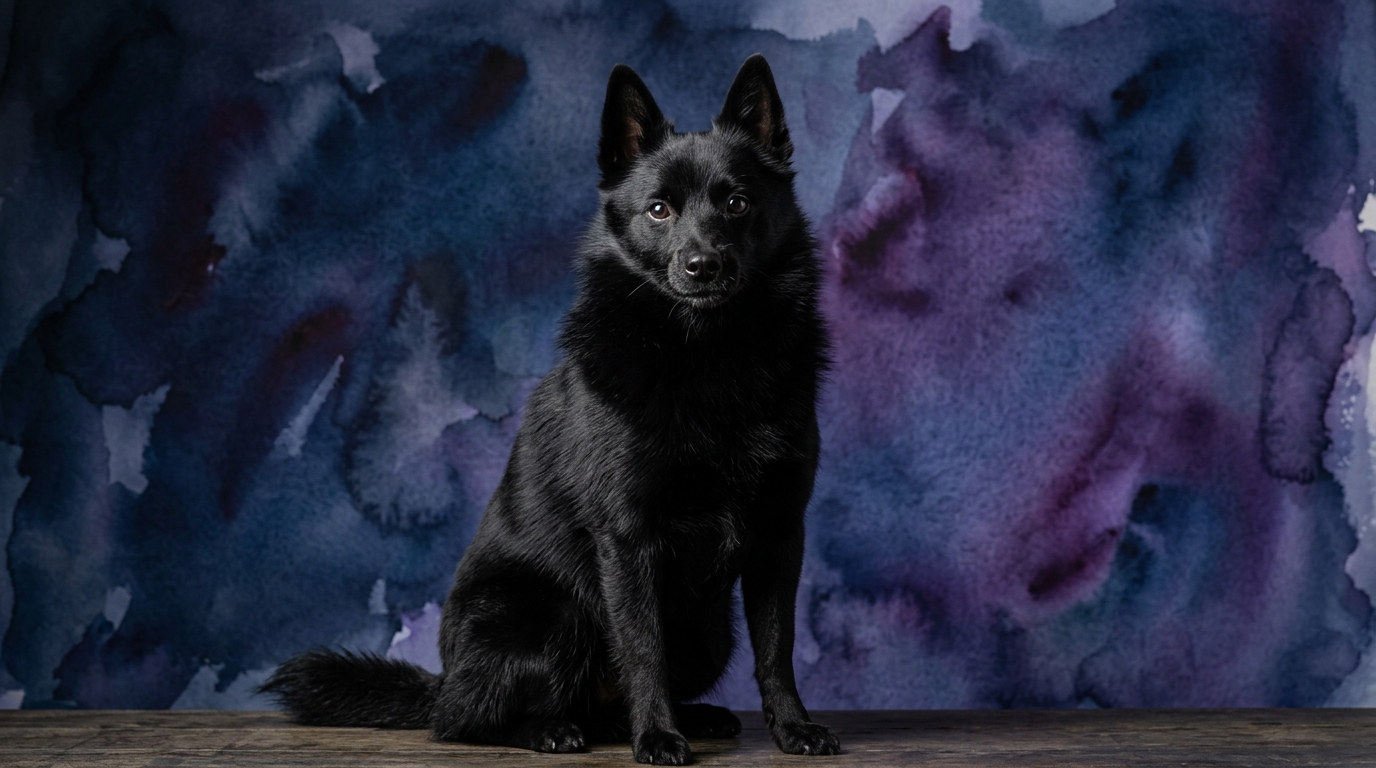
In stark contrast, the Schipperke exhibits a highly sharpened cognitive toolkit in several key areas. Its Problem Solving at 5/5 denotes an exceptional capacity for independent thought, devising solutions, and navigating complex environmental puzzles, often with a keen analytical edge. Training Speed, also at 5/5, highlights its rapid assimilation of new commands and concepts, making it a highly responsive student. Social Intelligence, mirroring the Dandie at 3/5, suggests a similar level of understanding human interactions and cues, being perceptive but not necessarily seeking to overtly please or manipulate. An Instinctive Drive of 3/5 indicates a moderate but present drive for traditional canine roles, much like the Dandie. However, its Memory at 5/5 signifies an outstanding ability to recall commands, routines, and experiences, contributing significantly to its quick learning and problem-solving prowess.
Where Dandie Dinmont Terrier Wins Cognitively
While the Schipperke boasts higher scores in several cognitive dimensions, the Dandie Dinmont Terrier's balanced, moderate profile can represent a distinct advantage in specific contexts. Its 3/5 in Problem Solving, for instance, means it's less likely to be an independent thinker constantly strategizing ways around rules or seeking to outsmart its owner. This can translate into a more predictable and less cognitively demanding companion for owners who appreciate a dog that follows established routines without feeling compelled to 'improve' upon them. The Dandie's moderate Instinctive Drive (3/5) also means its natural urges, such as hunting small prey or guarding, are present but generally more manageable than in breeds with higher drives. This can make them less prone to obsessive behaviors or requiring constant redirection in stimulating environments. For an owner seeking a dog that is present and engaged but not perpetually challenging their cognitive boundaries, the Dandie's steady mental approach can be a significant 'win,' fostering a relaxed yet responsive partnership. Its consistent 3/5 across all categories suggests a dog that is neither excessively dependent nor overly independent, striking a comfortable middle ground in its cognitive engagement with the world. This can lead to a dog that adapts well to various household dynamics without needing constant mental gymnastics or elaborate enrichment puzzles just to feel content.
Where Schipperke Wins Cognitively
The Schipperke's cognitive profile showcases clear strengths that position it as a formidable mental performer. Its 5/5 rating in Problem Solving signifies an exceptional ability to analyze situations, learn from experience, and independently devise solutions. This translates into a dog that can quickly figure out how to open gates, manipulate objects to reach desired items, or navigate complex environments. This capacity for analytical thought makes them highly adaptable and resourceful, often finding creative ways to achieve their goals. Coupled with a 5/5 in Training Speed, the Schipperke absorbs new commands and intricate sequences with remarkable swiftness, making it a joy for owners who enjoy advanced obedience, agility, or trick training. They grasp concepts rapidly, often requiring fewer repetitions than many other breeds. Furthermore, its 5/5 Memory ensures that once a lesson is learned, it is deeply ingrained, leading to consistent performance over time. This robust memory also contributes to their problem-solving ability, as they can recall past successes and failures to inform future actions. These combined strengths make the Schipperke an outstanding candidate for roles requiring quick thinking, precise execution, and a strong recall of complex information, offering a deeply engaging and rewarding partnership for those prepared to channel their sharp intellect.
Which is Easier to Train and Why
Based on their respective IQ profiles, the Schipperke is demonstrably easier to train than the Dandie Dinmont Terrier. The Schipperke's Training Speed rating of 5/5 indicates a breed that picks up new commands and concepts with exceptional rapidity, often requiring minimal repetitions to solidify understanding. This means an owner will likely see faster progress in obedience sessions, and the dog will generalize learned behaviors more quickly to different environments. For example, teaching a 'stay' command to a Schipperke might involve just a few short sessions before it's reliably performed, whereas a Dandie might need several more sessions over a longer period. This rapid learning is further bolstered by the Schipperke's 5/5 Memory, ensuring that once a command is learned, it is retained effectively over time, reducing the need for constant refreshers. In contrast, the Dandie Dinmont Terrier's Training Speed of 3/5 suggests a willing but more deliberate learner. While certainly trainable, they will require greater patience, consistency, and potentially more creative training methods to keep them engaged. Their 3/5 Memory means concepts might take longer to solidify and could fade without regular reinforcement. Both breeds share a 3/5 Instinctive Drive, meaning neither is excessively driven by innate urges that might complicate training, but the Schipperke's superior processing speed and retention make the training journey significantly smoother and more efficient for the owner.
Which Suits Active Owners vs Relaxed Owners
The choice between a Dandie Dinmont Terrier and a Schipperke largely depends on an owner's desired level of engagement and lifestyle. The Schipperke, with its 5/5 Problem Solving and 5/5 Training Speed, thrives with active owners who are keen to provide consistent mental stimulation and structured activities. This breed isn't content to simply exist; its sharp mind requires puzzles, advanced training, agility, or interactive games to prevent boredom and potential mischievousness. Owners who enjoy teaching complex tricks, participating in dog sports, or engaging in regular, varied training sessions will find the Schipperke an enthusiastic and capable partner. Their moderate Instinctive Drive (3/5) means they have inherent urges but their cognitive prowess allows for easier redirection. Conversely, the Dandie Dinmont Terrier, with its balanced 3/5 across all cognitive dimensions, is often a better fit for more relaxed owners who appreciate a dog with a steady, predictable temperament. While they certainly benefit from regular exercise and mental engagement, they don't possess the same intense cognitive drive as the Schipperke. A Dandie is more likely to be content with consistent daily walks, moderate play, and a comfortable routine without constantly seeking novel challenges. Their moderate Instinctive Drive (3/5) is manageable, and their less intense problem-solving aptitude means they are less likely to devise elaborate schemes to entertain themselves if left to their own devices. For an owner seeking a charming, amiable companion that is responsive without being overly demanding in its mental needs, the Dandie Dinmont Terrier offers a comfortable and rewarding partnership.
The Verdict
Select a Dandie Dinmont Terrier if you seek a charming, moderately engaged companion that thrives on routine and offers a predictable, steady presence without demanding constant mental gymnastics. Its balanced cognitive profile is ideal for owners preferring a less intense, yet still responsive, canine partnership.
Opt for a Schipperke if you are an active, dedicated owner eager to channel a dog's exceptional problem-solving abilities and rapid learning into advanced training, dog sports, or intricate mental challenges. This breed excels with consistent, stimulating engagement to fulfill its sharp cognitive needs.
🧠 Find Your Pet's IQ Score
Our Pet IQ Lab assessment covers 25+ tests across 5 cognitive dimensions — personalized to your breed.
Take the Full IQ Test →Frequently Asked Questions
Is the Dandie Dinmont Terrier hard to train?
The Dandie Dinmont Terrier isn't 'hard' to train, but its 3/5 Training Speed means it learns at a more deliberate pace than some breeds. Patience, consistency, and positive reinforcement are key to success, as it may require more repetitions to solidify new commands.
How much mental stimulation does a Schipperke need?
A Schipperke, with its 5/5 Problem Solving and Memory, requires significant mental stimulation to thrive. Daily puzzles, advanced training, interactive games, and varied activities are essential to prevent boredom and channel its sharp intellect constructively.
Do Dandie Dinmont Terriers and Schipperkes get along well with other pets?
Both breeds have a 3/5 Social Intelligence, indicating a moderate ability to adapt to other pets. Early socialization is crucial for both, but their individual personalities and the specific dynamics of other pets will largely determine the harmony in a multi-pet household.