
Side-by-Side IQ Profile: Doberman Pinscher vs. Affenpinscher
At The Cosmic Pet Pet IQ Lab, we analyze canine cognition across five critical dimensions, offering a nuanced view beyond simple obedience. For the Doberman Pinscher, a breed ranked #5 in Coren's intelligence scale, its profile paints a picture of exceptional cognitive prowess. They achieve a perfect 5/5 in Problem Solving, indicating a remarkable capacity for navigating complex situations and devising novel solutions. Their Training Speed also hits a top 5/5, suggesting a rapid assimilation of new commands and behaviors, making them incredibly receptive learners. While their Social Intelligence stands at a strong 4/5, reflecting a keen understanding of human interactions and group dynamics, it hints at a focus balanced with their strong individual drive. A maximum 5/5 in Instinctive Drive underscores their powerful inherent tendencies, often manifesting as alert guardianship and a readiness for purposeful work. Finally, their Memory, also rated 5/5, means learned lessons and experiences are retained with impressive clarity and longevity.
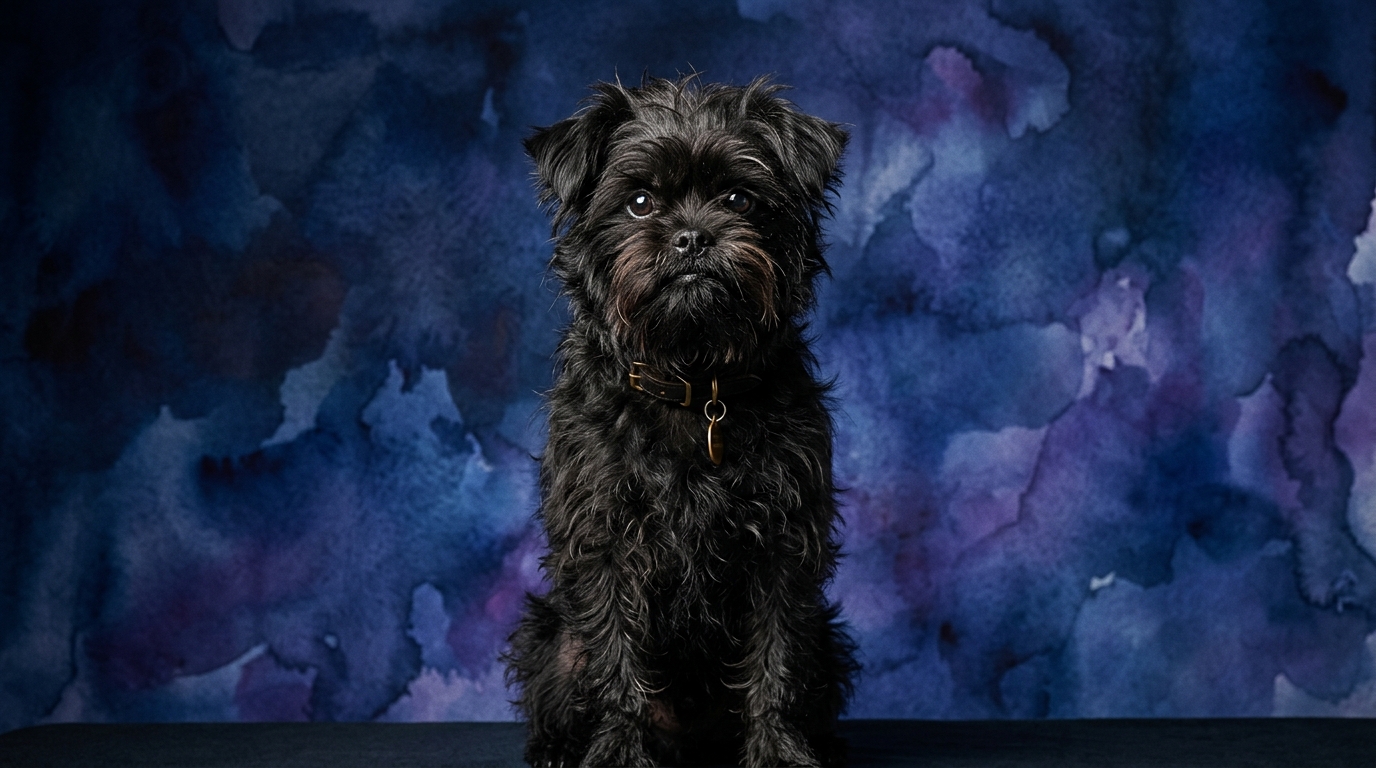
In stark contrast, the Affenpinscher, a delightful Toy group member, presents a distinct cognitive blueprint. Unranked in Coren's scale, their intelligence metrics reflect a different set of strengths. Their Problem Solving is rated 3/5, indicating an ability to navigate familiar challenges and figure out simpler puzzles, though they may require more guidance for intricate tasks. Training Speed also registers 3/5; while capable of learning, they typically require more consistent repetition and patience to solidify new commands. Their Social Intelligence, at 3/5, suggests a functional understanding of their human companions and household routines, fostering affectionate bonds without the intense focus on partnership seen in working breeds. An Instinctive Drive of 3/5 points to a moderate expression of natural behaviors, perhaps rooted in their historical role as rodent catchers, but less pronounced than breeds with intensive working roles. Similarly, their Memory at 3/5 means they retain information, but might need more frequent refreshers to maintain peak performance on learned tasks.
Where the Doberman Pinscher Excels Cognitively
The Doberman Pinscher's cognitive architecture grants it clear advantages in several domains. Its 5/5 rating in Problem Solving means it excels at navigating novel situations and complex environments. For instance, a Doberman might quickly learn to unlatch a complicated gate or devise a strategy to retrieve a toy from an inaccessible spot, demonstrating flexible and adaptive thinking rather than relying solely on trial and error. This capacity extends to understanding multi-step commands or intricate sequences in obedience or protection work, allowing them to process and execute sophisticated routines efficiently. Their unparalleled Training Speed (5/5) means they absorb new information with remarkable rapidity. A Doberman can often master a new command in just a few repetitions, making advanced training a relatively swift and rewarding process. This translates into quickly learning boundaries, house rules, or specialized skills required for tasks like agility or service work. Furthermore, their perfect 5/5 Memory ensures that these complex lessons are not fleeting; once learned, they are deeply ingrained, facilitating consistent performance over extended periods without significant reinforcement.
Where the Affenpinscher Shines Cognitively
While the Doberman excels in structured learning and complex tasks, the Affenpinscher's cognitive strengths lie in a different sphere, often reflecting their companion role and independent spirit. Their moderate Instinctive Drive (3/5) can be a cognitive win for owners seeking a less demanding canine partner. Unlike breeds with intense drives that require constant channeling, an Affenpinscher is typically content with a comfortable home life, finding fulfillment in companionship rather than needing a 'job' to prevent behavioral issues. This translates to a dog less prone to developing destructive habits out of boredom or a need for intense mental stimulation, making them cognitively 'easier' to manage in a relaxed home environment. Furthermore, their 3/5 Social Intelligence, while not as highly rated for complex working partnerships, is perfectly calibrated for forming deep, affectionate bonds within a family unit. They are adept at discerning household moods and routines, often using their cleverness to charm their way into prime lap-sitting positions or secure extra treats, demonstrating a nuanced understanding of their human family's emotional landscape on a personal scale. Their problem-solving, while not for complex multi-step tasks, might manifest as independent resourcefulness in a home setting, such as figuring out how to reach a favorite sunbeam or subtly indicating their desire for attention without overt training.
Training Dynamics: Doberman Pinscher vs. Affenpinscher
When it comes to ease of training, the Doberman Pinscher generally presents a more straightforward and rapid learning curve. Their 5/5 Training Speed means they grasp new commands almost immediately, often requiring only a handful of repetitions before a behavior is understood and reliably performed. This rapid assimilation, combined with their 5/5 Memory, allows for the quick build-up of a vast repertoire of commands and tricks. Dobermans often possess a strong desire to engage with their human partners and respond to direction, making them highly receptive to consistent, positive reinforcement methods. Their powerful Instinctive Drive, while needing appropriate outlets, can be expertly channeled into specific tasks like obedience trials, protection work, or scent detection, where their focus and drive become assets. However, this ease of learning also means they can just as quickly pick up undesirable habits if not guided properly, necessitating an owner who is committed to continuous, fair, and engaging training.
The Affenpinscher, on the other hand, requires a different approach to training. With a Training Speed of 3/5 and Memory of 3/5, they learn at a more moderate pace, necessitating greater patience and consistency from their owner. While certainly capable of learning a wide array of commands, they often require more repetitions and shorter, more engaging sessions to maintain focus. Affenpinschers can exhibit an independent streak, sometimes described as charmingly stubborn, which means they might not always be as eager to please or as immediately responsive to commands as a Doberman. Training for an Affenpinscher benefits immensely from positive reinforcement techniques, high-value rewards, and making the learning process feel like a fun game rather than a chore. Owners should be prepared for a journey that emphasizes persistence and creativity, celebrating small victories and understanding that their keen Social Intelligence (3/5) means they respond best when the training feels like a cooperative interaction rather than a directive.
Activity Levels: Active vs. Relaxed Owners
For owners with an active lifestyle, the Doberman Pinscher is an exceptional match. Their robust physical capabilities, coupled with a powerful 5/5 Instinctive Drive and a need for consistent mental engagement (Problem Solving 5/5), mean they thrive on purposeful activity. These dogs excel in canine sports such as agility, obedience, dock diving, or protection work, and are superb companions for long hikes, runs, or cycling. An active owner who can provide structured exercise, along with training challenges that tap into their significant cognitive abilities, will find the Doberman to be an incredibly fulfilling and well-adjusted partner. Without sufficient outlets for their energy and mental acuity, Dobermans can become bored or anxious, potentially leading to undesirable behaviors, making them unsuitable for owners who prefer a predominantly sedentary lifestyle.
Conversely, the Affenpinscher is a far better fit for more relaxed owners or those living in smaller spaces, like apartments. Their moderate Instinctive Drive (3/5) means their exercise requirements are significantly lower than a working breed. Daily walks, indoor play sessions, and interactive toys are usually sufficient to keep an Affenpinscher physically and mentally content. While they certainly enjoy activity, they don't possess the relentless drive that demands constant engagement, making them suitable for individuals who enjoy a quieter pace of life. Their moderate Problem Solving (3/5) and Social Intelligence (3/5) allow them to be content companions who appreciate comfort and routine, often preferring a warm lap to a marathon run. An Affenpinscher thrives in an environment where they are cherished members of the family, providing companionship without requiring an owner to dedicate hours each day to intensive training or strenuous physical exertion.
The Verdict
Choose a Doberman Pinscher if you are an experienced, active owner ready for a highly trainable, protective companion who thrives on advanced challenges and structured engagement in roles like sports or service work.
Opt for an Affenpinscher if you desire a charming, moderately active companion for a relaxed home, valuing their independent spirit and affectionate nature over intense training demands or high-energy pursuits.
🧠 Find Your Pet's IQ Score
Our Pet IQ Lab assessment covers 25+ tests across 5 cognitive dimensions — personalized to your breed.
Take the Full IQ Test →Frequently Asked Questions
Are Dobermans suitable for first-time dog owners?
Doberman Pinschers possess significant cognitive abilities and a strong drive, meaning they require consistent, knowledgeable guidance. While not impossible for a novice, a first-time owner must be prepared to invest heavily in training and socialization, potentially with professional help, to properly channel their intelligence and energy.
Do Affenpinschers bark a lot?
Affenpinschers can be quite vocal, often using their barks to alert their owners to new sights or sounds, reflecting their instinctive drive for vigilance. Consistent training from a young age can help manage excessive barking, but owners should expect a certain level of communication from this expressive breed.
What kind of mental stimulation do Dobermans need?
Given their 5/5 Problem Solving and Memory, Dobermans thrive on complex mental challenges. This includes puzzle toys, advanced obedience training, learning new tricks, scent work, or participating in dog sports like agility or rally, which keep their keen minds engaged and prevent boredom.