The Cosmic Pet Pet IQ Lab: Side-by-Side Cognitive Profiles
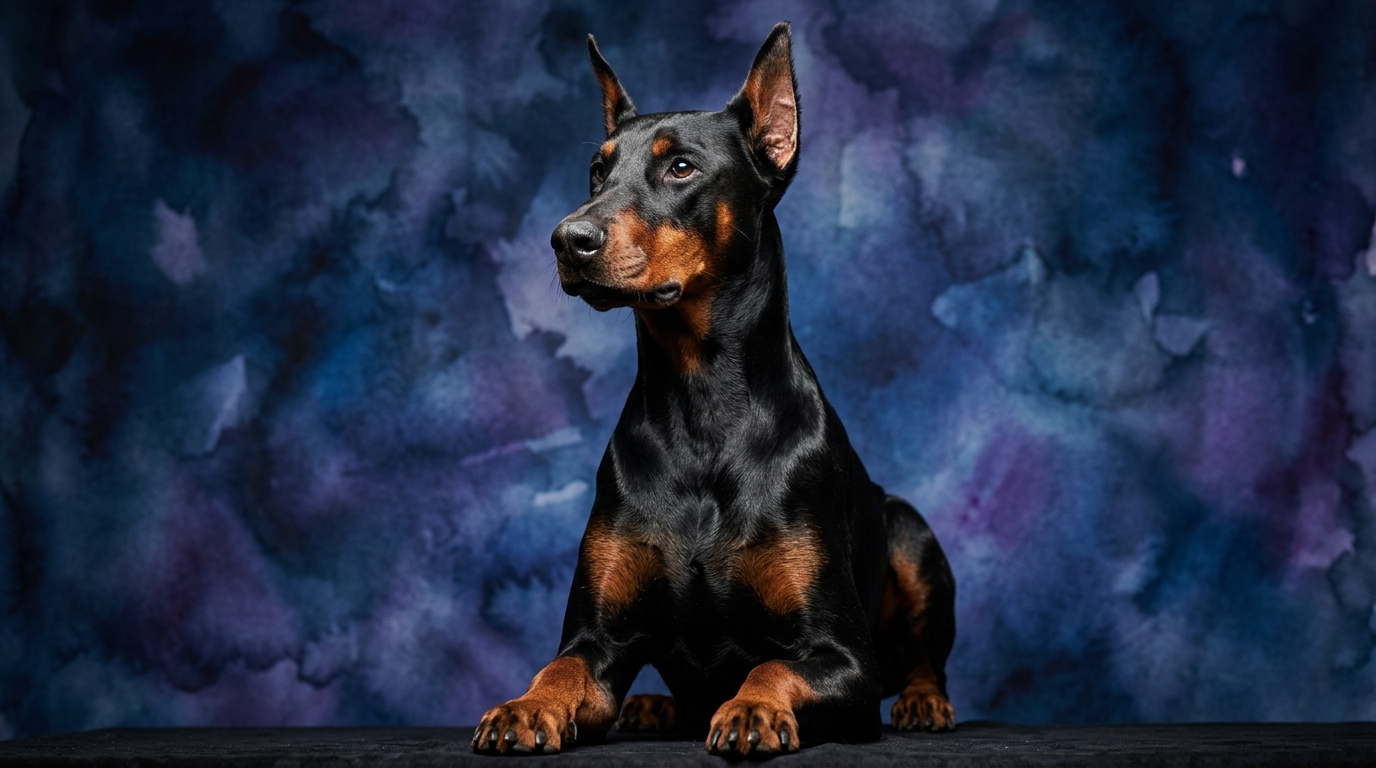
The Cosmic Pet Pet IQ Lab utilizes five key dimensions to map canine cognitive abilities, revealing stark contrasts between these two breeds. The Doberman Pinscher, a Working breed, consistently scores at the top of the spectrum, securing a Coren rank of #5. Its profile boasts a 5/5 in Problem Solving, 5/5 in Training Speed, 4/5 in Social Intelligence, 5/5 in Instinctive Drive, and an impressive 5/5 in Memory. This combination paints a picture of a canine built for complex tasks and eager interaction.
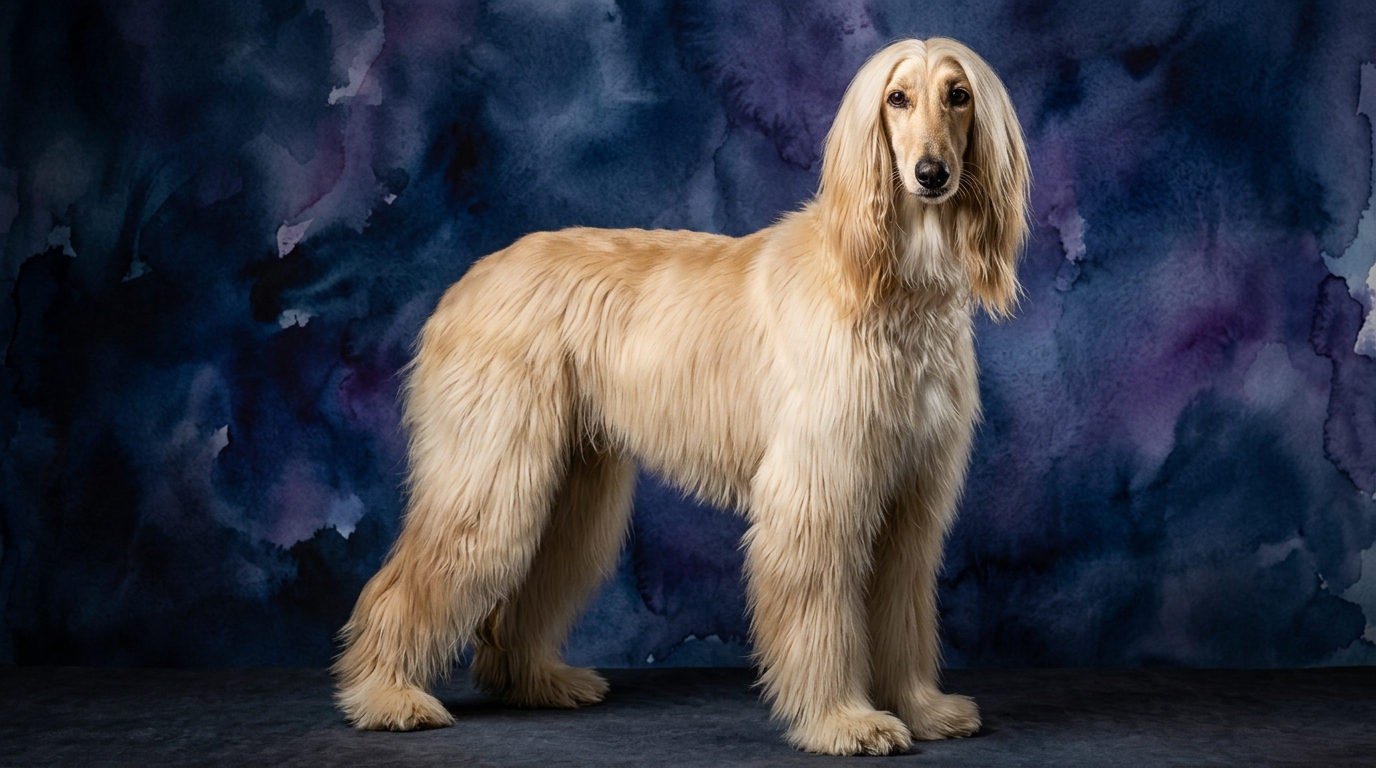
In contrast, the Afghan Hound, a majestic Hound breed with a Coren rank of #79, presents a more specialized cognitive blueprint. While still demonstrating commendable Problem Solving at 4/5, its scores for Training Speed (1/5) and Social Intelligence (2/5) are notably lower. However, it matches the Doberman in Instinctive Drive (5/5), reflecting its deep-seated hunting heritage, and holds a respectable 3/5 in Memory. This profile suggests a dog driven by instinct and independent decision-making rather than eager compliance.
Where the Doberman Pinscher Wins Cognitively
The Doberman Pinscher's cognitive strengths are evident across nearly all measured dimensions, making it a standout performer in tasks requiring rapid comprehension and execution. Its 5/5 in Problem Solving means it can quickly assess novel situations and devise effective solutions, whether it's navigating an agility course or understanding complex multi-step commands. This breed doesn't just react; it processes and strategizes.
A perfect 5/5 in Training Speed highlights the Doberman's exceptional capacity for learning new commands and behaviors with minimal repetition. This isn't just about obedience; it reflects a mental agility that allows them to grasp abstract concepts and generalize learned behaviors to new contexts. Coupled with a 5/5 in Memory, Dobermans retain these lessons for extended periods, building an extensive repertoire of skills. Their 4/5 Social Intelligence also means they are adept at reading human cues and adapting their behavior accordingly, fostering a strong, cooperative working relationship. The 5/5 Instinctive Drive further channels their inherent motivation into purposeful activities, making them highly goal-oriented partners.
Where the Afghan Hound Wins Cognitively
While the Afghan Hound's cognitive profile differs significantly from the Doberman's, its strengths are profound and deeply rooted in its evolutionary purpose. Its 5/5 Instinctive Drive is a clear cognitive win, representing an unparalleled dedication to its primary function: the chase. This drive translates into an unwavering focus and endurance when pursuing a visual target, a specialized form of problem-solving tailored for hunting across vast terrains.
The Afghan Hound’s 4/5 in Problem Solving, though slightly lower than the Doberman’s, still indicates a strong capacity for independent thought. This isn't about solving human-centric puzzles, but rather making autonomous decisions in dynamic environments, such as choosing the optimal path to intercept prey or navigating complex landscapes without direct human instruction. Their memory score of 3/5, while not perfect, is sufficient to recall terrain features, scent trails, and successful hunting strategies. The lower social intelligence and training speed scores reflect a breed that prioritizes its own sensory input and innate drives, demonstrating a self-reliant cognitive style that allowed them to excel in their historical role.
Which is Easier to Train and Why
Without question, the Doberman Pinscher is significantly easier to train due to its exceptional Training Speed (5/5) and high Social Intelligence (4/5). Dobermans typically exhibit an eagerness to please and a quick grasp of new concepts, often requiring only a few repetitions to understand a command. Their strong memory ensures these lessons are retained, and their inherent drive can be readily channeled into structured activities like obedience, protection sports, or agility. They are highly responsive to positive reinforcement and clear communication, thriving on consistent interaction and mental engagement.
The Afghan Hound, with a Training Speed of 1/5 and Social Intelligence of 2/5, presents a much greater challenge in traditional obedience training. This isn't a lack of mental capacity, but rather a profound independence and a selective approach to human directives. Afghan Hounds often require extensive patience, creative motivation, and high-value rewards, as they are less inclined to perform simply to please. Their focus is often on their environment and innate drives rather than human instructions, meaning owners must work to make training inherently rewarding and engaging, often in short, varied sessions to maintain their interest. Consistency is paramount, but progress will be slower and require adapting to their unique, self-directed nature.
Which Suits Active Owners vs. Relaxed Owners
The Doberman Pinscher is an ideal match for active owners who seek a dedicated, task-oriented companion. Their high instinctive drive, combined with superior problem-solving and training speed, means they thrive on structured activities, mental challenges, and consistent physical exercise. Owners who enjoy dog sports, advanced obedience, or even working roles will find the Doberman an eager and capable partner, always ready for the next challenge. A Doberman requires an owner who can commit to daily engagement and provide ample opportunities for their cognitive and physical energy to be expended constructively, preventing boredom or destructive behaviors.
The Afghan Hound, while possessing a high instinctive drive, suits a different kind of active owner—one who appreciates independence and can accommodate bursts of intense physical activity rather than constant, structured work. These dogs need ample space to run freely in a secure area, satisfying their powerful chase instinct. Relaxed owners might find their independent nature appealing, as Afghans are not typically clingy, but they still require a significant commitment to exercise. An owner who understands and respects their aloofness and can provide outlets for their coursing abilities, without expecting high levels of formal obedience, will find a rewarding companion in the Afghan Hound.
The Verdict: When to Choose Each Breed
Choosing between a Doberman Pinscher and an Afghan Hound hinges entirely on an owner's lifestyle, expectations, and willingness to engage with their dog's unique cognitive profile. The Doberman Pinscher is the definitive choice for individuals or families seeking a highly trainable, protective, and mentally agile companion eager to participate in structured activities and form a close, cooperative bond. They excel with consistent guidance and thrive on having a 'job' to do, making them suitable for experienced owners who can provide significant mental and physical engagement.
Conversely, the Afghan Hound is best suited for owners who admire independence, grace, and a deep, ancient instinct for the chase. They require patience, a sense of humor regarding their selective obedience, and secure environments for their powerful running needs. This breed flourishes with owners who appreciate their self-possessed nature and can provide outlets for their innate drives without demanding constant compliance, making them a unique and elegant companion for those who understand their distinct cognitive make-up.
The Verdict
Choose the Doberman Pinscher if you desire a highly trainable, task-oriented partner for complex activities and a close, cooperative bond, thriving on consistent mental and physical engagement.
Opt for the Afghan Hound if you appreciate an independent, elegant companion with a powerful chase drive, valuing their self-possessed nature over eager obedience, and can provide ample secure running space.
🧠 Find Your Pet's IQ Score
Our Pet IQ Lab assessment covers 25+ tests across 5 cognitive dimensions — personalized to your breed.
Take the Full IQ Test →Frequently Asked Questions
Do Doberman Pinschers require a lot of mental stimulation?
Yes, Doberman Pinschers, with their 5/5 problem-solving and memory, require significant mental stimulation to prevent boredom and channel their high instinctive drive constructively. Daily training sessions, puzzle toys, and engaging activities are crucial for their well-being.
Is the Afghan Hound difficult to live with due to its low training speed?
While their 1/5 training speed means Afghan Hounds require immense patience and different training approaches, they are not inherently difficult to live with for the right owner. Their independent nature means they are generally calm indoors, but their strong chase drive necessitates secure outdoor spaces and careful management.
Which breed is better for a first-time dog owner?
Given its exceptional training speed and social intelligence, the Doberman Pinscher is generally a more manageable choice for a first-time owner willing to commit to consistent training and exercise. The Afghan Hound's independence and low training response can be challenging for those without prior experience with sighthound temperaments.