Side-by-Side Cognitive Profiles at The Cosmic Pet Pet IQ Lab
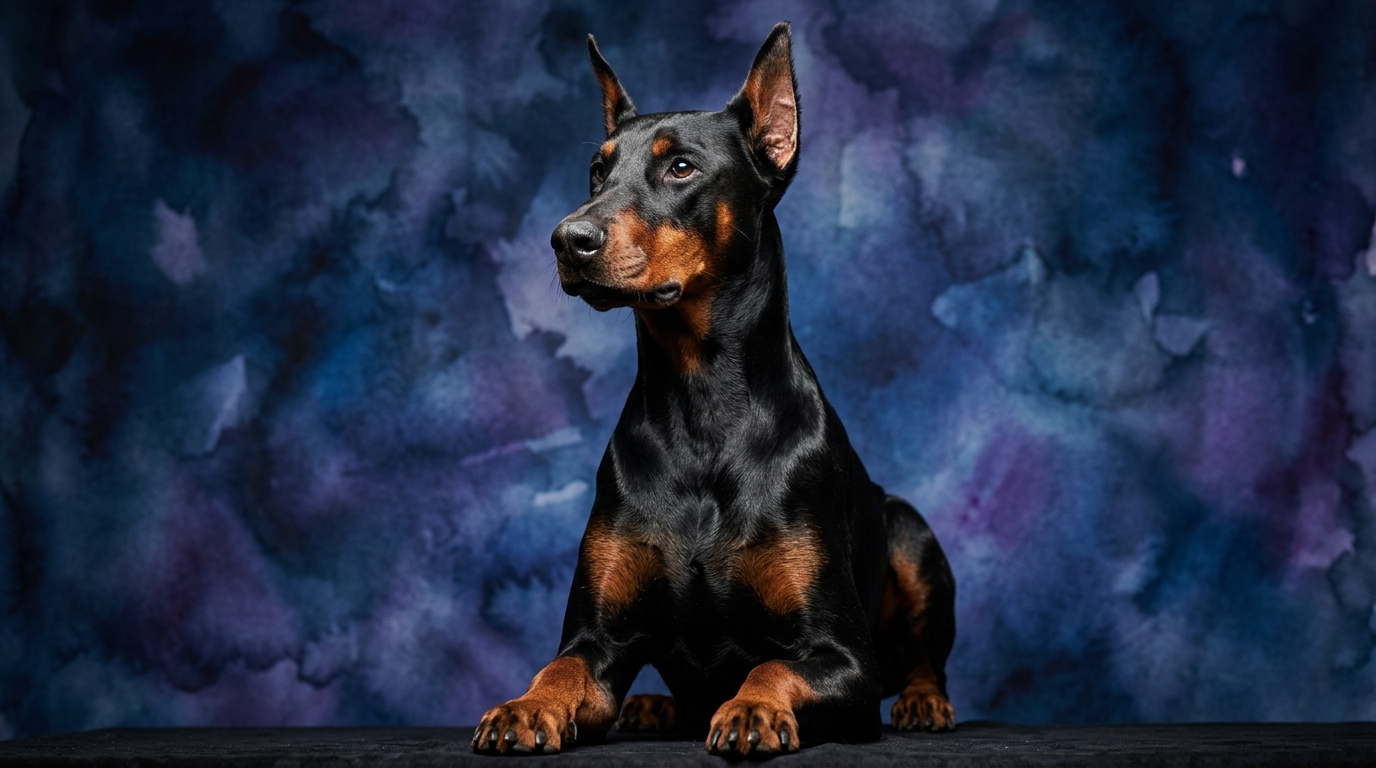
At The Cosmic Pet Pet IQ Lab, we assess canine cognition across five critical dimensions, revealing the nuanced intellectual makeup of each breed. The Doberman Pinscher, a member of the Working group, earns a Coren rank of #5, signifying its exceptional capacity for understanding and executing commands. Its profile boasts a flawless 5/5 in Problem Solving, reflecting a robust ability to navigate complex situations and strategize effectively. Training Speed is also a perfect 5/5, indicating an eagerness and aptitude for absorbing new information rapidly. Social Intelligence, at 4/5, shows a strong understanding of human cues and social dynamics, while its Instinctive Drive is a commanding 5/5, rooted in its heritage for protection and task-oriented work. Finally, a 5/5 Memory ensures it retains learned behaviors and routines with remarkable consistency.
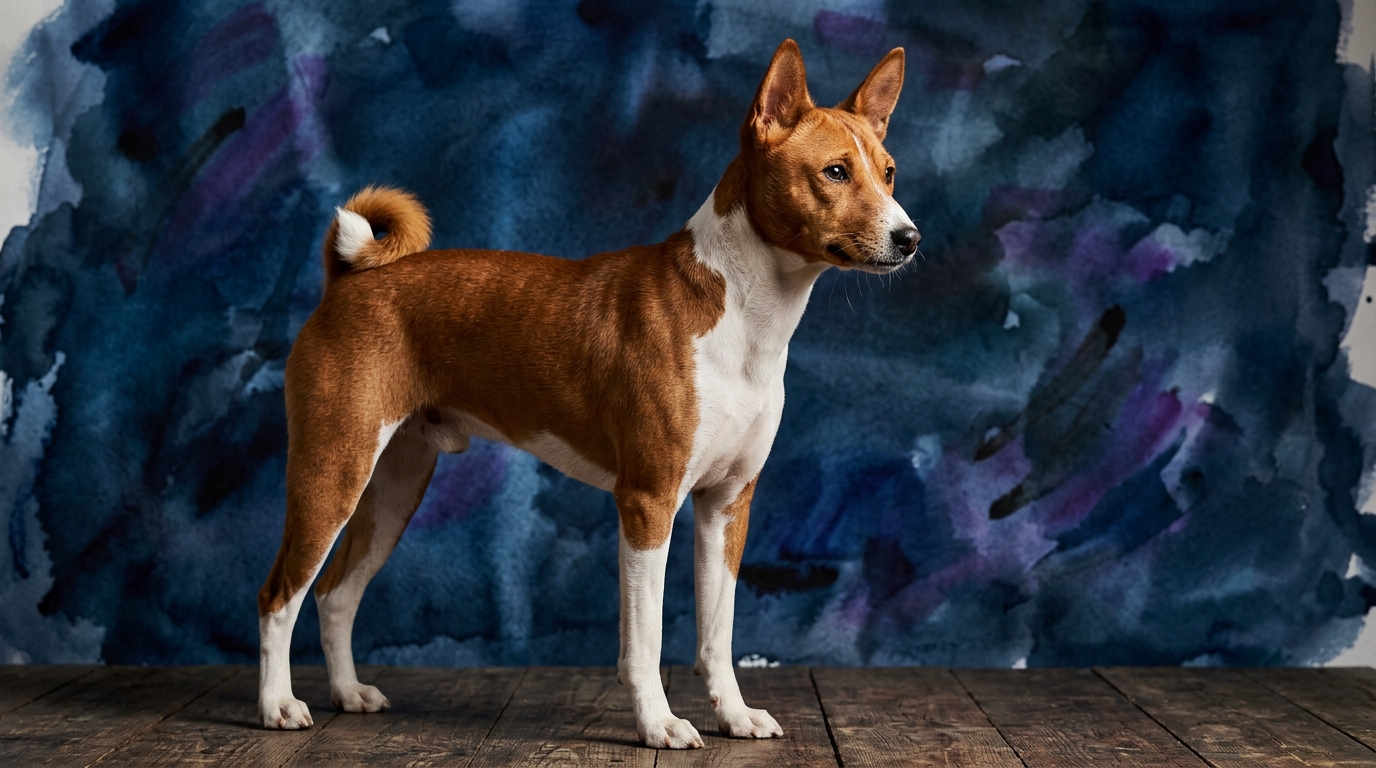
In contrast, the Basenji, a distinct member of the Hound group, holds a Coren rank of #78, placing it considerably lower on the traditional obedience scale. Yet, its IQ profile presents an intriguing picture: a 5/5 in Problem Solving, matching the Doberman, which suggests a profound, albeit independent, capacity for figuring things out. Training Speed, however, is a stark 1/5, highlighting a characteristic reluctance to conform to conventional training methods. Its Social Intelligence stands at 3/5, implying a more selective or subtle engagement with human companionship. An Instinctive Drive of 5/5 underscores its strong prey drive and ancestral hunting instincts, while its Memory, at 4/5, indicates good retention, though perhaps not always applied in a way that benefits human-led training.
Where the Doberman Pinscher Wins Cognitively
The Doberman Pinscher's cognitive strengths are undeniably centered around its exceptional biddability and capacity for complex, handler-directed tasks. Its perfect 5/5 in Training Speed means it grasps new commands, routines, and intricate sequences almost instantaneously, making it a star pupil in obedience, agility, and protection work. This rapid assimilation is bolstered by its 5/5 Memory, allowing it to recall a vast repertoire of learned behaviors over long periods, ensuring consistency in performance.
Furthermore, the Doberman's 4/5 Social Intelligence allows it to tune into human intentions and emotional states with remarkable accuracy, often anticipating commands or reacting appropriately to subtle cues. This cognitive empathy, combined with its 5/5 Problem Solving, means it not only understands what is asked but can also independently apply learned principles to novel situations, always with an eye towards fulfilling its role as a cooperative partner. For instance, a Doberman might quickly learn a multi-step obstacle course and then generalize that learning to a slightly modified version without extensive re-training, demonstrating both its problem-solving and memory in action.
Where the Basenji Wins Cognitively
Despite its lower Coren rank and challenging training speed, the Basenji's cognitive prowess shines in its independent problem-solving and resourceful nature. Its 5/5 in Problem Solving is not about eagerness to please, but rather an innate ability to assess situations and devise solutions for its own benefit. This might manifest as figuring out how to open child-proof latches, scale fences, or outsmart conventional barriers to reach a desired object or location. This is a form of intelligence driven by curiosity and self-interest, rather than cooperation.
The Basenji's 5/5 Instinctive Drive is another significant cognitive asset, honed over centuries for tracking and independent hunting. This drive contributes to its acute sensory perception and its ability to process environmental stimuli related to scent and movement with remarkable efficiency. While this can make off-leash reliability a challenge, it also means a Basenji excels at tasks requiring focused, self-directed exploration and tenacity, such as scent work or lure coursing, where its natural instincts align perfectly with the activity. Its 4/5 Memory supports this by allowing it to recall scent trails or previous successful escape routes.
Training Dynamics: Doberman's Eagerness vs. Basenji's Autonomy
The contrast in training ease between these two breeds is profound, stemming directly from their divergent cognitive profiles. The Doberman Pinscher, with its 5/5 Training Speed and strong Social Intelligence, is often described as a dream to train. It possesses an inherent desire to work alongside its handler, quickly understanding what is expected and striving to perform tasks accurately. This eagerness to please, coupled with its excellent memory, means that consistent, positive reinforcement training yields rapid and lasting results across a wide spectrum of disciplines, from basic obedience to advanced competitive sports.
Conversely, the Basenji's 1/5 Training Speed is not indicative of a lack of intelligence, but rather a profound independence and a selective approach to cooperation. A Basenji will learn, but often on its own terms and at its own pace, primarily when it perceives a direct benefit to itself. Their notorious 'selective hearing' and tendency to prioritize their own agenda over a handler's command are hallmarks of this breed. Training a Basenji requires immense patience, creativity, and a deep understanding of canine ethology, often leveraging their instinctive drives rather than relying on traditional obedience. While they can learn commands, their reliability in executing them, especially in distracting environments, is often lower than that of a Doberman.
Lifestyle Match: Active Engagement vs. Independent Exploration
When considering which breed aligns with a particular owner's lifestyle, their cognitive needs are paramount. The Doberman Pinscher thrives with owners who are committed to active engagement and structured mental stimulation. Their high Problem Solving, Training Speed, and Instinctive Drive mean they excel in roles that require a job or purpose. Owners who enjoy dog sports, advanced obedience, protection training, or simply daily complex training sessions will find the Doberman an incredibly rewarding and responsive partner. They require consistent mental challenges to prevent boredom and channel their considerable cognitive energy constructively.
The Basenji, while possessing a 5/5 Problem Solving score, requires a different kind of active owner—one who appreciates and can manage independent exploration and self-directed activity. Their strong Instinctive Drive and independent nature mean they are less interested in repetitive obedience but thrive on opportunities to engage their senses and solve environmental puzzles. Owners who enjoy long, secure walks, scent games, lure coursing, or providing a safe, stimulating environment where the Basenji can 'hunt' for toys or treats will find this breed fulfilling. They are not 'relaxed' dogs in the traditional sense, but their cognitive needs lean towards autonomy rather than constant handler interaction, making them suitable for owners who value a dog's self-sufficiency.
The Verdict
Choose the Doberman Pinscher if you seek a highly trainable, cooperative companion eager to learn and excel in structured activities and complex tasks alongside you. They are ideal for owners who enjoy consistent engagement and a strong working partnership.
Choose the Basenji if you appreciate an independent, resourceful companion with a unique approach to problem-solving and are prepared for a training journey that prioritizes patience and understanding of their autonomous nature. They suit owners who value a dog's self-sufficiency and can provide outlets for their innate drives.
🧠 Find Your Pet's IQ Score
Our Pet IQ Lab assessment covers 25+ tests across 5 cognitive dimensions — personalized to your breed.
Take the Full IQ Test →Frequently Asked Questions
Can a Basenji be trained for advanced obedience given its low training speed?
While a Basenji's training speed is low, they can certainly learn obedience commands, but it requires exceptional patience and consistent, creative motivation. Their reliability in high-distraction environments may not match breeds like the Doberman, making advanced competitive obedience a significant challenge.
How does the Doberman Pinscher's social intelligence impact its family life?
The Doberman's strong social intelligence (4/5) means it is typically highly attuned to its family's dynamics and emotional states. This fosters a deep bond and makes them responsive to household routines and cues, often leading to a very integrated and protective family member.
What kind of problem-solving tasks would a Basenji excel at, reflecting its 5/5 score?
A Basenji excels at self-directed problem-solving, such as figuring out how to open gates, navigate complex environments to find hidden objects, or devise strategies to obtain items they desire. This is often driven by their curiosity and instinctive drives rather than a desire to please a handler.