Side-by-Side Cognitive Profiles
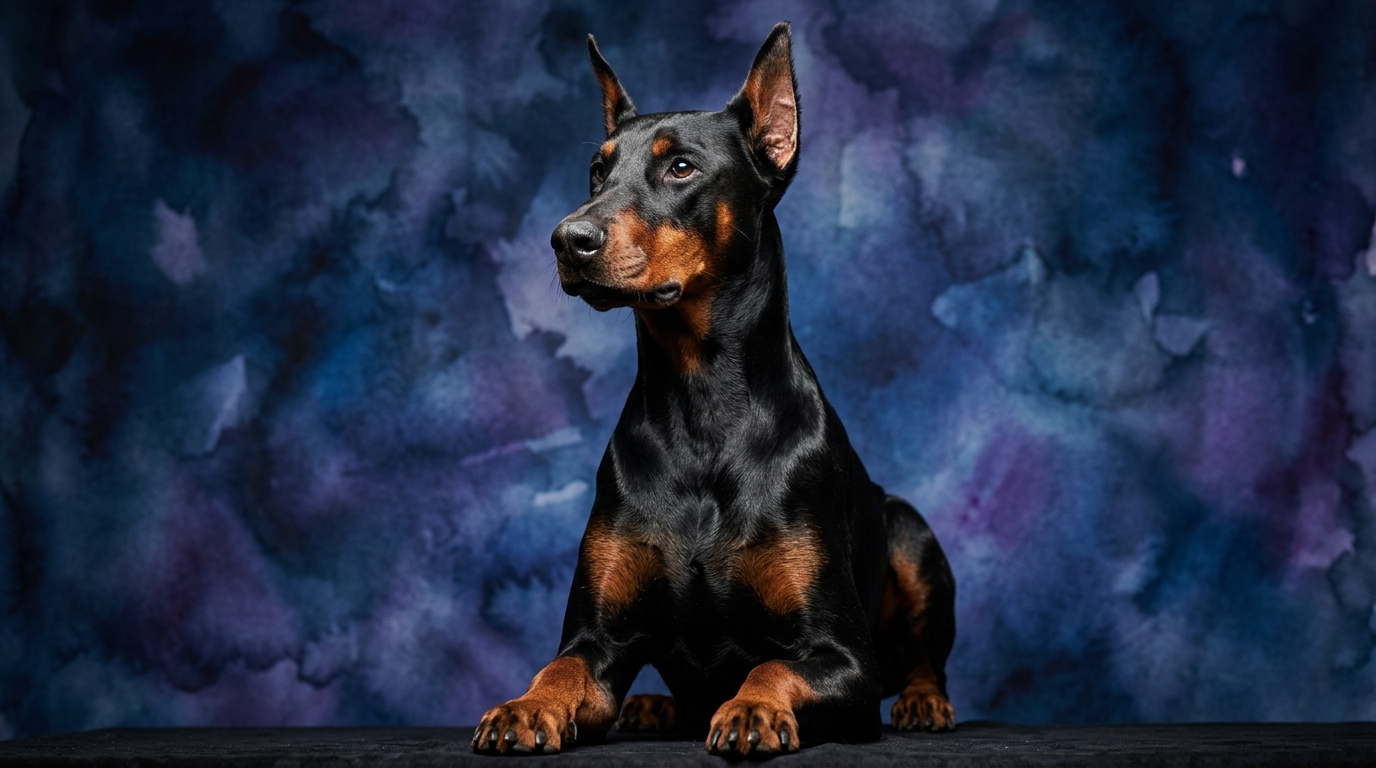
The Cosmic Pet Pet IQ Lab employs a five-dimensional framework to assess canine intelligence, offering a nuanced understanding of each breed's capabilities. For the Doberman Pinscher, ranked #5 by Coren, its profile is compelling: Problem Solving 5/5, Training Speed 5/5, Social Intelligence 4/5, Instinctive Drive 5/5, and Memory 5/5. This paints a picture of a dog adept at complex thought and rapid learning, with a strong internal motivation.
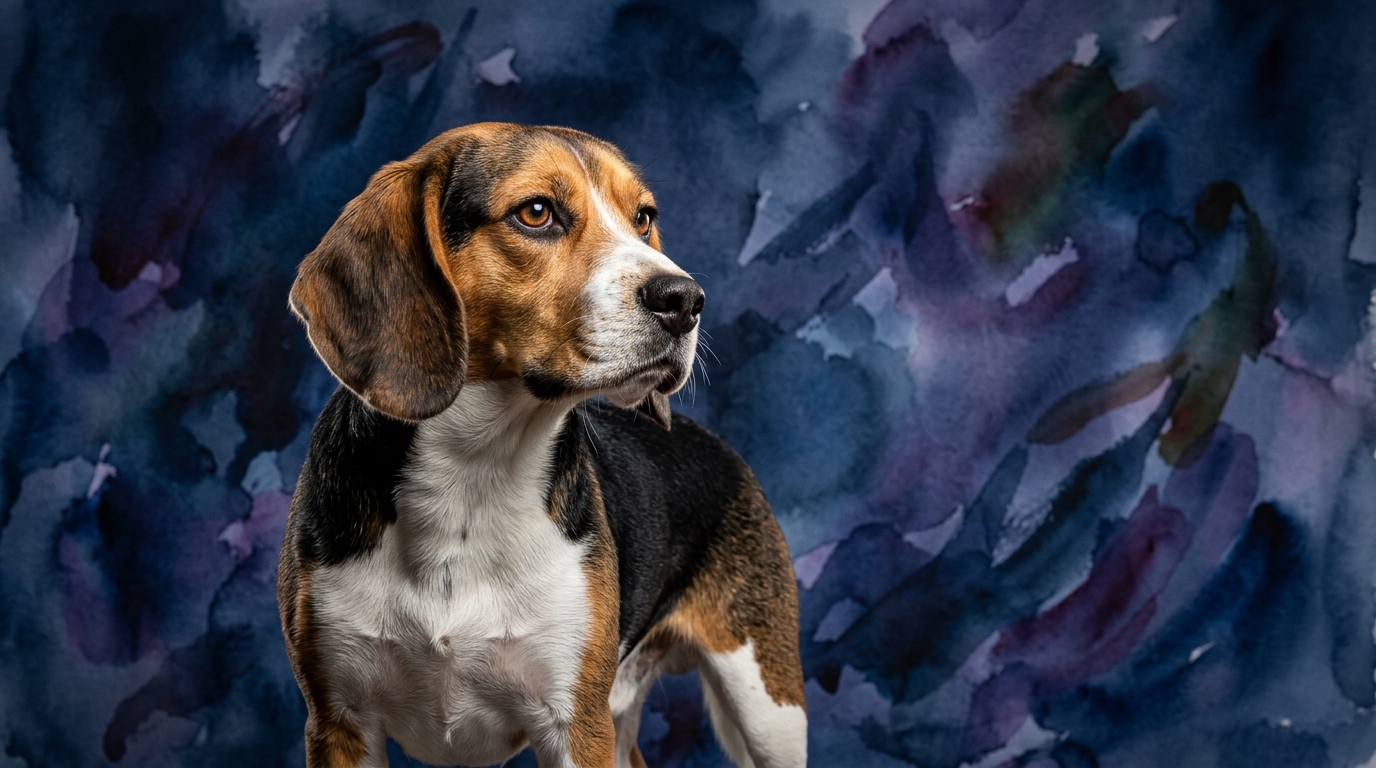
In contrast, the Beagle, with a Coren rank of #72, presents a different cognitive signature: Problem Solving 4/5, Training Speed 2/5, Social Intelligence 3/5, Instinctive Drive 5/5, and Memory 4/5. While still capable of solving problems, its strength lies in a different cognitive domain, influenced heavily by its primary instinctive drive and a more independent approach to learning.
Where the Doberman Pinscher Excels Cognitively
The Doberman Pinscher's cognitive architecture is optimized for partnership and complex task execution. Its 5/5 Problem Solving isn't merely about finding a hidden treat; it encompasses the ability to understand multi-step commands, infer solutions in novel situations, and adapt strategies based on feedback. This breed excels at tasks requiring abstract thinking, such as navigating agility courses with intricate sequences or understanding the nuances of protection work.
A Doberman's 5/5 Training Speed is a testament to its rapid acquisition and retention of new behaviors, making it highly responsive to consistent instruction. Coupled with a 5/5 Memory, these dogs can recall an extensive repertoire of commands and experiences, applying past lessons to current challenges. Their 4/5 Social Intelligence manifests as a keen attentiveness to human cues, body language, and vocal inflections, allowing them to form deep, cooperative bonds and anticipate their handler's intentions with remarkable precision. This capacity for intricate social understanding underpins their effectiveness in roles demanding close collaboration.
Where the Beagle's Cognition Shines
The Beagle's cognitive strengths are deeply rooted in its ancient purpose as a scent hound. Its 5/5 Instinctive Drive for scent work is not just a physical urge but a profound cognitive process. Beagles possess an extraordinary ability to discriminate between a myriad of odors, follow complex scent trails over varied terrain, and maintain focus on a specific scent despite distractions. This requires a sophisticated form of problem-solving (rated 4/5), where they mentally reconstruct a path from ephemeral scent particles, often over long distances and extended periods.
Their 4/5 Memory is particularly strong for scent profiles and locations, allowing them to revisit and re-evaluate trails or remember where specific odors were encountered previously. While their 3/5 Social Intelligence means they are friendly and generally agreeable, their primary cognitive focus often shifts from human direction to the compelling world of scent. This independence, while challenging for obedience training, is a vital component of their effectiveness in tracking roles, where self-reliance and persistent pursuit are paramount. Their ingenuity often manifests in finding novel ways to access a scent source, demonstrating a distinct type of resourcefulness.
Ease of Training: Behavioral Differences Unpacked
When it comes to formal training, the Doberman Pinscher generally presents a more straightforward experience due to its 5/5 Training Speed and high Social Intelligence. They are eager to please, attentive to their handler, and derive satisfaction from mastering new commands. Their cognitive wiring makes them receptive to structured learning environments, quickly internalizing rules and procedures. This translates into rapid progress in obedience, advanced tasks, and specialized roles, as they readily form associations between commands and actions, and remember them over time.
The Beagle, with its 2/5 Training Speed, often requires a different approach. Their formidable 5/5 Instinctive Drive for scent means they are profoundly distractible in environments rich with interesting smells. A Beagle's attention can be instantly hijacked by a compelling odor, overriding any learned command. Their independence, while charming, means they may not always prioritize human directives over their innate desire to track. Training a Beagle demands immense patience, high-value rewards, and a deep understanding of their scent-driven motivation, often requiring creative methods to harness their focus rather than directly command it.
Matching Breeds to Lifestyles: Active vs. Independent Owners
The Doberman Pinscher thrives with active owners who enjoy engaging in structured activities and providing consistent mental stimulation. Owners who appreciate a canine partner for sports like agility, obedience trials, protection work, or even long, brisk hikes will find the Doberman's cognitive readiness and physical stamina a perfect match. They require owners who can channel their high problem-solving capacity and instinctive drive into productive outlets, fostering a strong, cooperative bond through shared challenges and learning experiences. An owner seeking a dog that actively participates in their daily routines and takes direction well will find the Doberman profoundly rewarding.
The Beagle, conversely, suits owners who appreciate a more independent companion whose cognitive strengths are expressed differently. While they still require regular exercise, their ideal activities often revolve around scent-based games, exploring safe, fenced areas, or participating in nose work. Owners who understand and respect the Beagle's powerful instinctive drive for scent, and are willing to provide outlets for it, will find joy in their cheerful and inquisitive nature. This breed is well-suited for owners who enjoy a dog that explores its world with enthusiasm, even if that means a bit of stubbornness when a captivating scent is discovered, rather than one always looking for the next command.
The Verdict
Choose a Doberman Pinscher if you seek a highly trainable, attentive partner for complex tasks, structured activities, and a cooperative working relationship. This breed thrives on consistent engagement and excels when given a clear role.
Opt for a Beagle if you appreciate a cheerful, independent companion whose cognitive world revolves around scent, and you are prepared to channel their powerful tracking instincts creatively. They bring joy through their spirited exploration.
🧠 Find Your Pet's IQ Score
Our Pet IQ Lab assessment covers 25+ tests across 5 cognitive dimensions — personalized to your breed.
Take the Full IQ Test →Frequently Asked Questions
Are Beagles truly difficult to train, given their lower training speed?
Beagles are not inherently untrainable, but their 2/5 training speed and powerful 5/5 instinctive drive for scent mean they require significant patience and different motivators. Their focus can be easily diverted by interesting odors, necessitating consistent, positive reinforcement and a deep understanding of their natural instincts during training sessions.
How much mental stimulation does a Doberman Pinscher actually need?
Doberman Pinschers, with their 5/5 problem-solving and memory, require substantial daily mental stimulation beyond just physical exercise. They thrive on learning new commands, engaging in puzzle toys, participating in dog sports, and having a consistent 'job' or routine that challenges their cognitive abilities to prevent boredom and destructive behaviors.
Which breed is generally better for first-time dog owners?
For first-time owners seeking a highly responsive and cooperative companion, the Doberman Pinscher, despite its size and working drive, can be a rewarding choice due to its high trainability and eagerness to please. However, a novice owner must be committed to consistent training and socialization. The Beagle's independent nature and strong scent drive can be more challenging for those new to dog ownership, requiring greater patience and creativity in management.