Side-by-Side Cognitive Profile
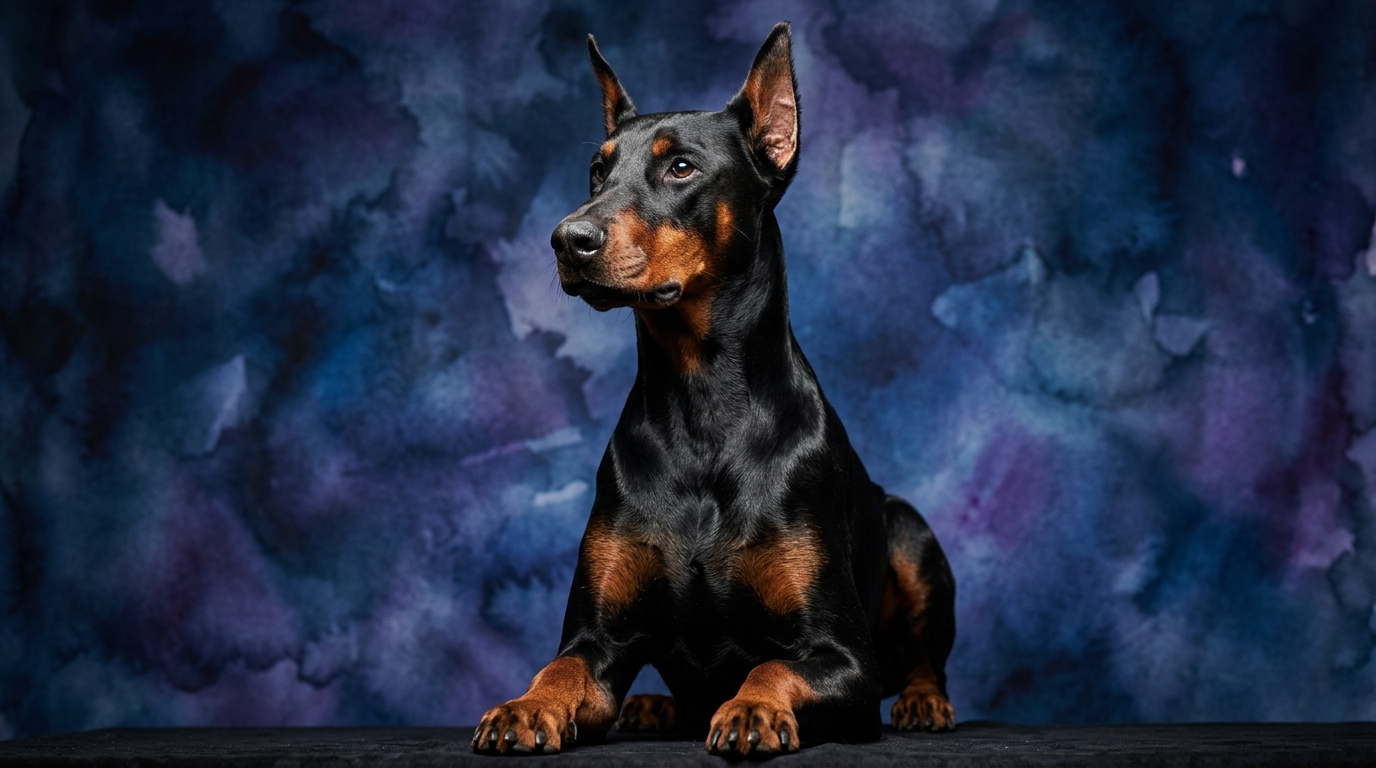
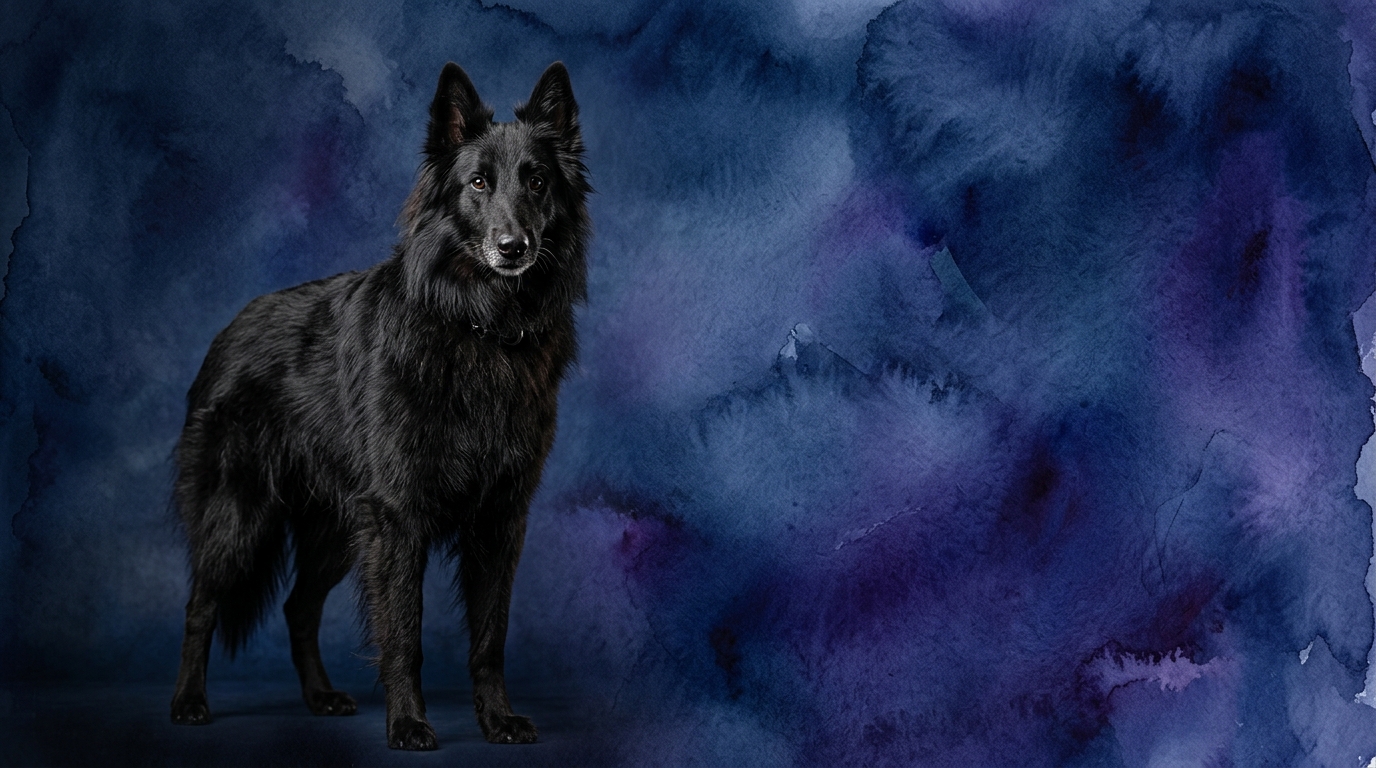
The Cosmic Pet Pet IQ Lab framework assesses canine cognition across five core dimensions. The Doberman Pinscher, a Working breed ranking #5 on the Coren scale, showcases exceptional mental prowess. Its Problem Solving is 5/5, indicating an outstanding capacity to analyze and execute solutions. Training Speed also achieves a 5/5, reflecting rapid grasp of new commands. Social Intelligence, rated 4/5, suggests strong awareness of human cues for nuanced interaction. An Instinctive Drive of 5/5 highlights a profound innate motivation for vigilance and protective behaviors. Memory stands at 5/5, signifying remarkable retention of learned information. In contrast, the Belgian Sheepdog (Groenendael), a Herding breed with a Coren rank of #15, presents a distinct cognitive blueprint. Its Problem Solving score matches the Doberman at 5/5, demonstrating equal aptitude for complex challenges. Training Speed is also a perfect 5/5, underscoring its rapid learning and eagerness for structured activities. However, its Social Intelligence is rated 3/5, indicating a more reserved or task-focused approach to human interaction. Instinctive Drive for the Groenendael is 3/5, reflecting a strong but perhaps less pervasive drive focused on herding and control. Memory, like the Doberman, is rated 5/5, confirming excellent recall.
Where the Doberman Pinscher Wins Cognitively
The Doberman Pinscher's higher Social Intelligence at 4/5, compared to the Groenendael's 3/5, suggests a more sophisticated understanding of human social structures and emotional states. This allows a Doberman to read subtle shifts in its handler's mood with greater precision, leading to finely tuned responses. This nuanced social awareness enables deep integration into family dynamics, often anticipating needs based on human cues. Furthermore, the Doberman's maximum Instinctive Drive of 5/5 is a significant differentiator. This intense, pervasive inner motivation fuels their protective instincts, determination in tracking, and unwavering focus in obedience. This formidable drive means that when given a purpose, a Doberman pursues it with singular intensity, making them formidable in roles requiring sustained vigilance and powerful commitment. Their cognitive framework is geared towards robust, decisive action, driven by these deeply ingrained instincts.
Where the Belgian Sheepdog (Groenendael) Wins Cognitively
While the Doberman excels in certain social and drive dimensions, the Belgian Sheepdog (Groenendael) demonstrates unique cognitive strengths, particularly in the application of its equally impressive 5/5 Problem Solving and 5/5 Training Speed. Its herding heritage imbues it with a distinctive aptitude for dynamic spatial reasoning and anticipatory decision-making within fluid, unpredictable environments. The Groenendael's mind is adept at managing multiple moving variables, like a scattered flock, and predicting trajectories, requiring constant, real-time adjustments. This specific problem-solving involves intricate planning and execution of indirect strategies. Their Instinctive Drive, rated 3/5, is specifically tailored for sustained, controlled engagement, organization, and subtle manipulation of movement. This focused drive, combined with rapid training speed, allows them to master complex sequences and perform intricate maneuvers in agility, demanding a delicate balance of control and responsiveness in dynamic situations. They don't just solve problems; they orchestrate solutions.
Which is Easier to Train and Why
Both breeds score 5/5 in Training Speed, indicating rapid learning. However, the *management* of their inherent drives creates different training experiences. The Doberman Pinscher's extreme Instinctive Drive (5/5) means channeling this powerful motivation requires a highly consistent, confident handler. Their potent protective instincts demand training geared towards appropriate outlets and clear boundaries. Their 4/5 Social Intelligence makes them acutely aware of handler leadership, often challenging inconsistent authority, thus demanding unwavering clarity. In contrast, the Groenendael's Instinctive Drive (3/5) is less overwhelming, typically focused on herding or task engagement rather than overt guarding. This often translates to a dog eager to cooperate and less inclined to challenge leadership, provided needs are met. Their 3/5 Social Intelligence suggests they might be less sensitive to subtle human emotional nuances, making them respond best to clear, direct instructions. For owners less experienced with powerful protective instincts, the Groenendael might be perceived as marginally 'easier' to train due to its generally more compliant nature and task-oriented drive, despite both requiring diligent effort.
Which Suits Active Owners vs. Relaxed Owners
Neither the Doberman Pinscher nor the Belgian Sheepdog (Groenendael) is suited for a relaxed, sedentary lifestyle; both demand significant engagement. For active owners, the Doberman Pinscher thrives on intense physical exercise combined with rigorous mental stimulation. They excel in structured activities like competitive obedience, tracking, or protection sports, utilizing their 5/5 instinctive drive and problem-solving. An owner enjoying a powerful canine partner for demanding, purposeful work, committed to consistent, firm leadership, will find the Doberman rewarding. The Belgian Sheepdog (Groenendael) also demands an active owner, with preferred activities leaning towards agility, flyball, advanced obedience, or herding. Their 5/5 problem-solving and training speed, coupled with agility, make them exceptional athletes and quick studies in complex dog sports. They require an owner who enjoys interactive play and intricate training routines, providing ample mental and physical outlets. For 'relaxed owners,' both breeds would likely prove overwhelming, potentially leading to behavioral issues from boredom and lack of engagement. These are working dogs whose cognitive and physical needs must be met daily.
The Verdict
Choose the Doberman Pinscher if you seek a formidable, highly driven companion for protection, demanding obedience, or intense working roles, and are committed to rigorous training and confident leadership.
Opt for the Belgian Sheepdog (Groenendael) if you desire an agile, highly trainable partner for dog sports, complex tasks, and appreciate a more reserved but equally dedicated companion.
🧠 Find Your Pet's IQ Score
Our Pet IQ Lab assessment covers 25+ tests across 5 cognitive dimensions — personalized to your breed.
Take the Full IQ Test →Frequently Asked Questions
Are Dobermans or Belgian Sheepdogs better for families?
Both breeds can be excellent family dogs with proper socialization and training, but their styles differ. Dobermans often integrate deeply with their human family, offering a protective presence. Groenendaels, while loyal, can be more reserved with strangers and might bond intensely with one family member, requiring careful introductions.
Do both breeds require a lot of exercise?
Absolutely, both the Doberman Pinscher and the Belgian Sheepdog (Groenendael) have high energy levels and require substantial daily exercise and mental stimulation. Without adequate outlets, they can become bored, anxious, or destructive, making consistent activity crucial for their well-being.
What are the key differences in their temperaments?
Dobermans are often described as confident, vigilant, and intensely loyal, possessing a strong protective instinct. Groenendaels are typically sensitive, intelligent, and highly active, often displaying a reserved demeanor with strangers but immense devotion to their families, coupled with a keen herding drive.