Side-by-Side IQ Profile: Doberman Pinscher vs. Bouvier des Flandres
The Cosmic Pet Pet IQ Lab employs a five-dimensional framework to assess canine intelligence, offering a nuanced perspective beyond simple obedience. This framework considers Problem Solving, Training Speed, Social Intelligence, Instinctive Drive, and Memory, providing a comprehensive view of a breed's cognitive strengths.
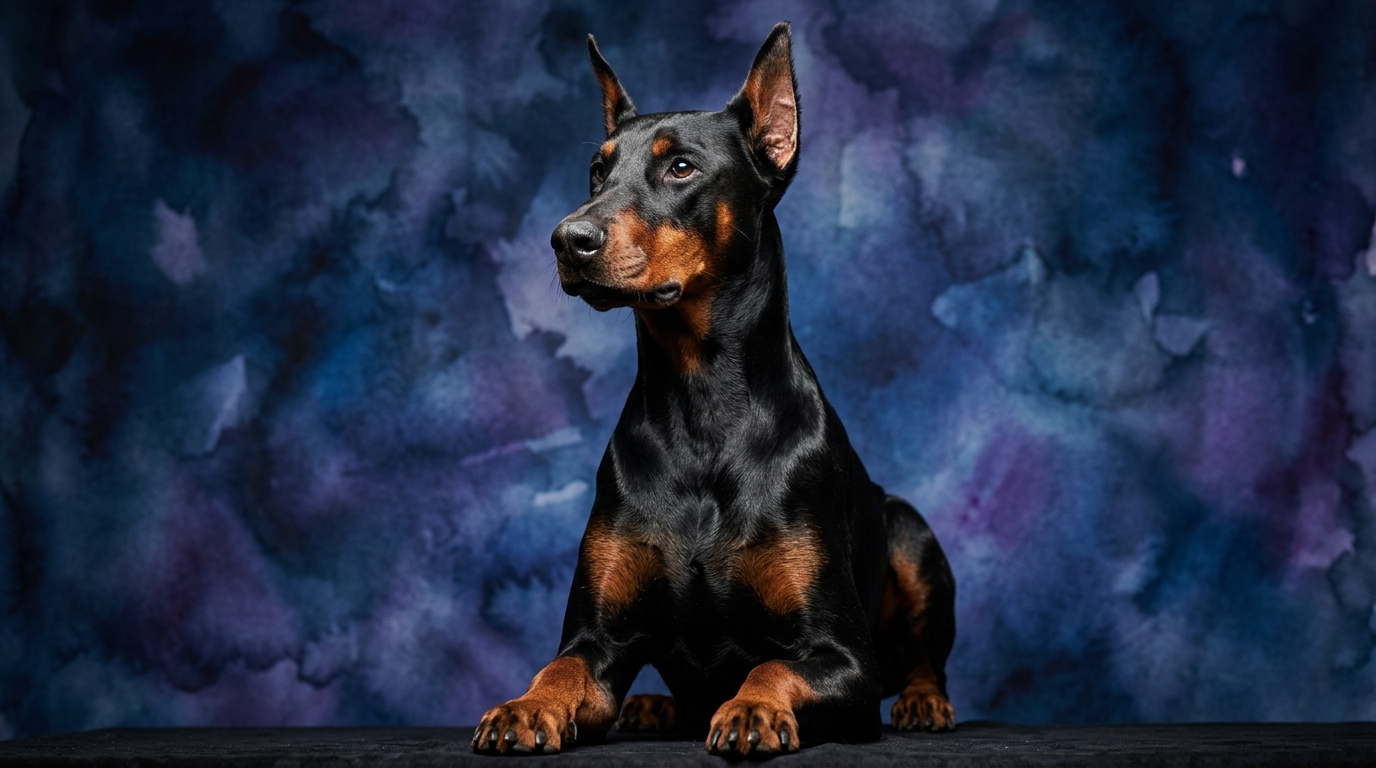
The Doberman Pinscher, a breed deeply embedded in the Working group, consistently demonstrates a sharp, agile mind, placing them at Coren rank #5 among all breeds. Their Problem Solving is rated an exceptional 5/5, indicating an innate ability to navigate complex situations, adapt to novel challenges, and strategize solutions efficiently. This breed's Training Speed also scores a perfect 5/5, reflecting their rapid acquisition of new commands and behaviors, often requiring minimal repetition. Social Intelligence for the Doberman stands at 4/5, signifying a strong capacity to read human cues and intentions, fostering a deep partnership. Their Instinctive Drive is a formidable 5/5, channeling intense motivation into purposeful tasks, whether protection or sport. Finally, their Memory is rated 5/5, ensuring commands and experiences are retained with remarkable accuracy and consistency over time.
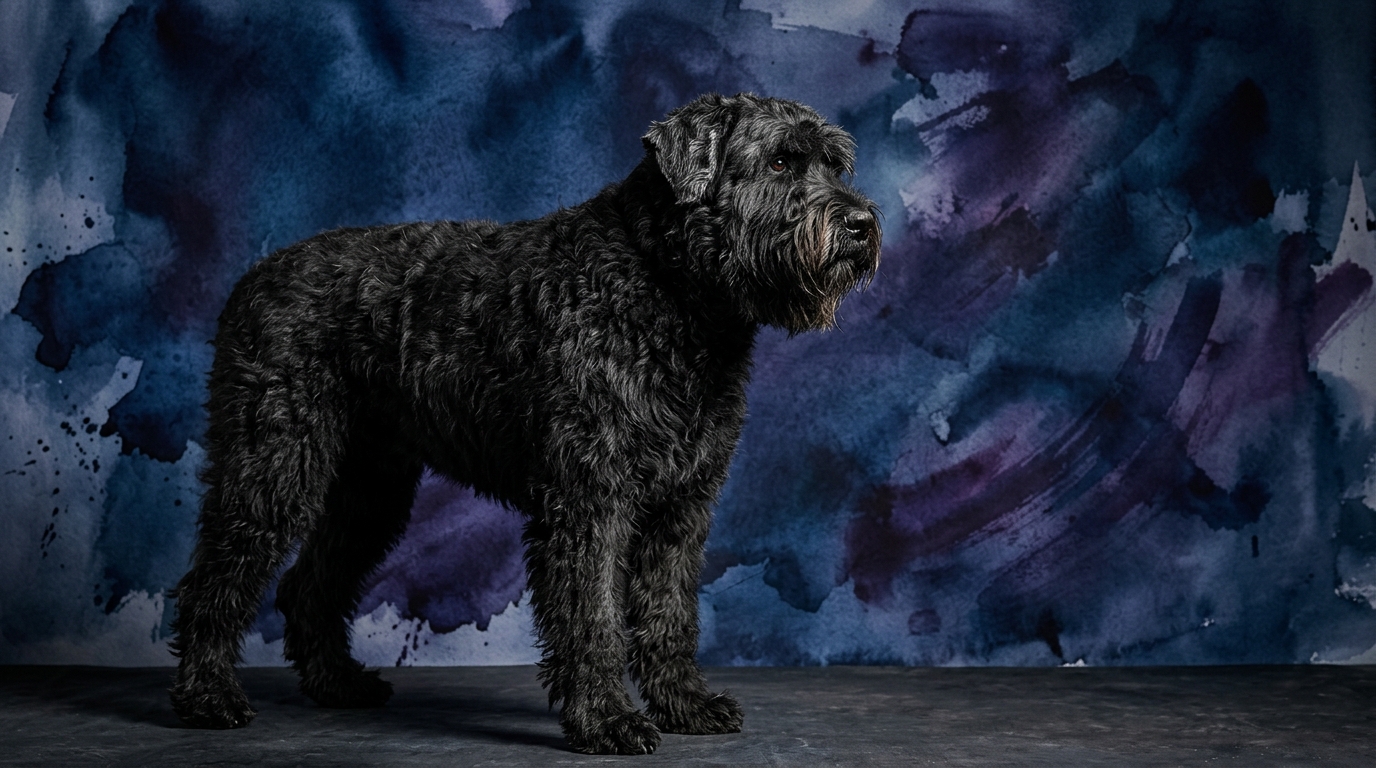
In contrast, the Bouvier des Flandres, a sturdy member of the Herding group, presents a different cognitive signature, though not officially Coren-ranked. Their Problem Solving is rated 3/5, suggesting a methodical approach to challenges; they can learn to solve problems, but may require more structured guidance or repetition to generalize solutions. Training Speed for the Bouvier is also 3/5, meaning they are certainly trainable, but they learn at a more deliberate pace than some of their canine counterparts, valuing consistency and clear instruction. Social Intelligence scores 3/5, indicating they are observant and capable of bonding, yet often exhibit a more independent and discerning nature, less overtly driven by constant human approval. Their Instinctive Drive, at 3/5, is focused and purposeful, typically geared towards their ancestral roles of herding and guarding, rather than a broad spectrum of activities. Similarly, their Memory is 3/5, meaning they retain learned information reliably, though perhaps not with the instantaneous recall often seen in breeds with higher scores.
Where the Doberman Pinscher Wins Cognitively
The Doberman Pinscher's cognitive strengths lie in their unparalleled mental agility and efficiency. Their 5/5 Problem Solving score means they excel at tasks demanding quick thinking and strategic planning, such as advanced obedience routines, complex agility courses, or scent work where they must discern subtle cues rapidly. This breed isn't just learning a command; they are often anticipating the next step, demonstrating an impressive capacity for foresight. Coupled with a 5/5 Training Speed, Dobermans can master an extensive repertoire of commands and behaviors with remarkable speed, making them exceptionally responsive partners for owners who enjoy continuous engagement and skill development. Their superior Memory (5/5) ensures that these learned behaviors are not fleeting; once a Doberman understands a task, it is deeply ingrained, allowing for reliable performance even after long periods without practice. This consistent recall and rapid learning curve are distinct cognitive advantages for owners seeking a dog capable of high-level performance and intricate communication.
Where the Bouvier des Flandres Wins Cognitively
While the Bouvier des Flandres may not exhibit the same rapid learning curve as the Doberman, their cognitive strengths are rooted in a different, equally valuable kind of intelligence: steadfastness and independent judgment. Their 3/5 Problem Solving, though not instantaneous, often manifests as methodical persistence, crucial for their historical role of managing livestock in unpredictable environments. This means they are less likely to abandon a task due to minor setbacks, preferring to work through challenges with a quiet determination. The Bouvier's 3/5 Social Intelligence translates into a discerning nature; they are less prone to being overly eager to please every passerby, instead forming deep, loyal bonds with their trusted human companions. This discernment allows them to make independent decisions within their domain, a vital trait for a guardian or herding dog who must act without constant human direction. Their 3/5 Instinctive Drive, while not as broad, is intensely focused on protection and herding, enabling them to excel in specific, purposeful tasks where a steady, unwavering presence is paramount. This focused drive and independent cognitive processing allow the Bouvier to operate effectively in situations requiring self-reliance and thoughtful, rather than impulsive, action.
Which is Easier to Train and Why
Based on their cognitive profiles, the Doberman Pinscher is unequivocally easier to train for a broader range of tasks. Their 5/5 Training Speed means they grasp new concepts and commands with minimal repetitions, often understanding the intent behind an instruction almost immediately. For example, teaching a Doberman a complex multi-step retrieve, like finding a specific item among several, can be achieved far quicker because of their rapid associative learning and excellent memory. Their 4/5 Social Intelligence also plays a significant role, as they are highly attuned to human cues and eager to work in partnership, making them naturally responsive to positive reinforcement and praise. They thrive on intellectual engagement and excel at generalizing learned behaviors to new situations, meaning a command learned in the living room is likely to be performed reliably in a busy park.
The Bouvier des Flandres, with a 3/5 Training Speed, requires a more patient, consistent, and methodical approach. While capable of learning complex commands, they may need more repetitions and a clearer, more structured training environment to internalize them. For instance, house-training a Bouvier might take longer, not due to lack of ability, but because they process information at a more deliberate pace and might require more consistent reinforcement across various scenarios. Their 3/5 Social Intelligence suggests they are less motivated by the sheer act of pleasing their owner and more by understanding the purpose and consequence of their actions. This means training must be engaging and make sense to them, often requiring creative motivation beyond simple praise. Once a Bouvier learns a command, their 3/5 Memory ensures it is deeply ingrained, but the initial acquisition phase demands dedication and clarity from the trainer, making the journey longer but ultimately rewarding for those who appreciate their deliberate nature.
Which Suits Active Owners vs. Deliberate Owners
The Doberman Pinscher is an ideal companion for active, engaged owners who relish a dynamic partnership and are prepared to provide extensive mental and physical stimulation. Their 5/5 Problem Solving and Instinctive Drive mean they thrive on complex activities such as advanced obedience, Schutzhund, agility, or competitive dock diving. Owners who enjoy teaching intricate tricks, participating in dog sports, or engaging in demanding work-related tasks will find a Doberman to be an enthusiastic and capable partner. This breed requires an owner who can consistently challenge their sharp mind and robust physique, channeling their boundless energy and cognitive prowess into productive outlets. A Doberman without sufficient mental engagement can become restless or channel their considerable intellect into less desirable behaviors, making them suitable for owners committed to an active, stimulating lifestyle.
The Bouvier des Flandres, with their more deliberate cognitive profile, is better suited for owners who appreciate a steadfast, independent, and thoughtful companion and are prepared for consistent, patient training. While still requiring regular exercise and mental engagement to prevent boredom, their energy is often more focused and less frenetic than a Doberman's. Owners who enjoy structured training, perhaps focusing on herding trials, protection work, or steady companionship, will find the Bouvier's methodical approach rewarding. This breed benefits from an owner who understands their discerning nature and respects their need for clear boundaries and a consistent routine. They are not dogs that will constantly seek to entertain or perform on a whim; rather, they offer a deep, loyal companionship to those who invest time in understanding and nurturing their unique cognitive and emotional landscape. They are a good fit for owners who value a dog with a strong, self-reliant presence and are patient with their learning process.
The Verdict
Choose the Doberman Pinscher if you seek a highly responsive, mentally agile partner for complex training, competitive sports, or demanding work, and you are prepared for constant intellectual engagement. Their rapid learning and eager-to-please nature make them excel in high-performance roles.
Opt for the Bouvier des Flandres if you appreciate a steadfast, independent, and discerning companion, are committed to patient and consistent training, and value a dog with a strong, purposeful presence. Their methodical problem-solving and focused drive are ideal for dedicated roles like guarding or herding.
🧠 Find Your Pet's IQ Score
Our Pet IQ Lab assessment covers 25+ tests across 5 cognitive dimensions — personalized to your breed.
Take the Full IQ Test →Frequently Asked Questions
Is the Bouvier des Flandres difficult to train?
The Bouvier des Flandres is not difficult to train, but they require a more patient and consistent approach than some other breeds. Their 3/5 training speed means they learn at a deliberate pace, valuing clear instructions and repetition to internalize commands effectively. Once learned, however, their memory ensures reliability.
Do Doberman Pinschers need a lot of mental stimulation?
Absolutely, Doberman Pinschers require significant mental stimulation due to their 5/5 problem-solving and instinctive drive. Their sharp minds thrive on challenges like puzzle toys, advanced obedience training, agility, or scent work, preventing boredom and channeling their intelligence constructively.
Which breed is better for a first-time dog owner?
Neither breed is typically recommended for novice owners due to their strong working drives and specific training needs. However, if an experienced, committed first-time owner is prepared for extensive research, professional guidance, and consistent effort, a Doberman might be more forgiving in terms of training speed, while a Bouvier demands exceptional patience and understanding of their independent nature.