Side-by-Side Cognitive Profiles: Doberman Pinscher vs. Bullmastiff
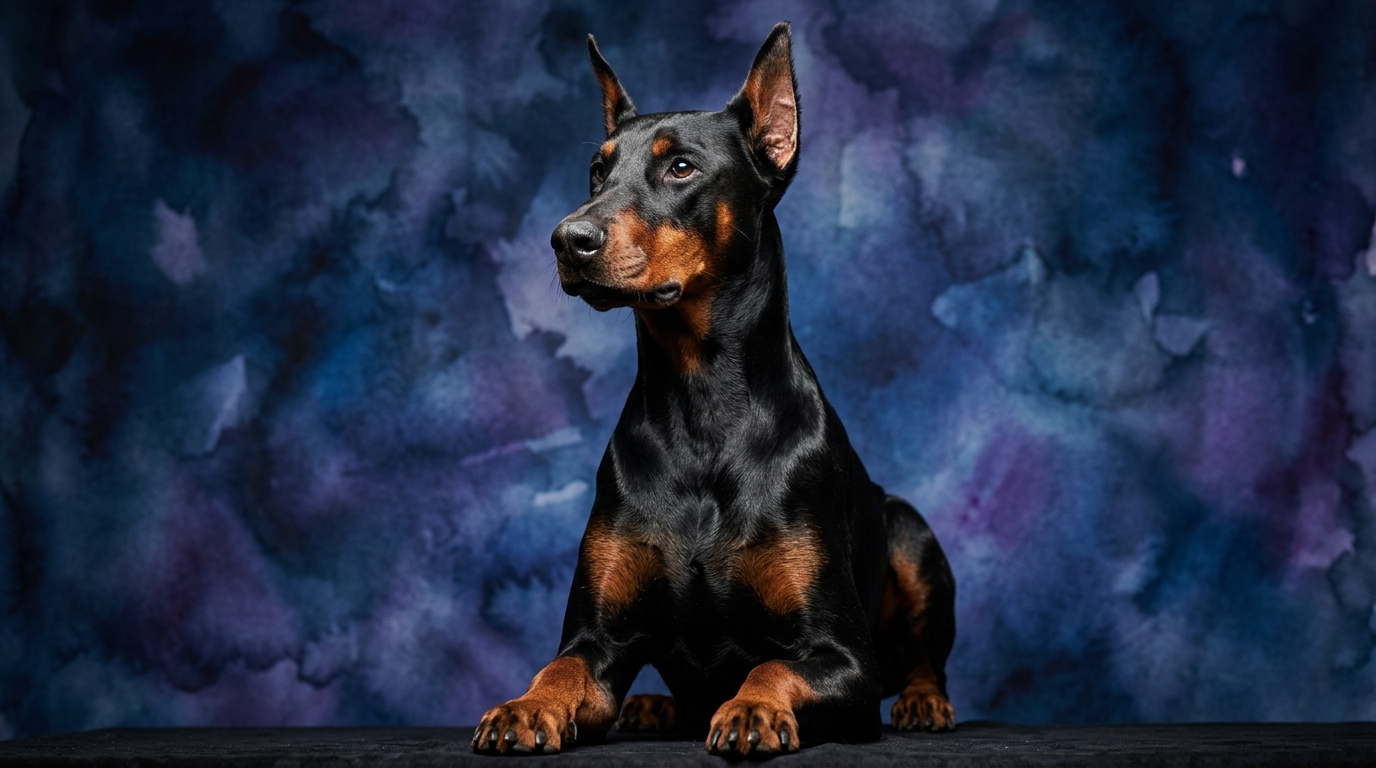
The Doberman Pinscher, holding an impressive Coren rank of #5, demonstrates a multifaceted cognitive aptitude. Their problem-solving ability is rated 5/5, indicating a quick, analytical mind adept at navigating novel situations and devising solutions. Training speed also scores a perfect 5/5, reflecting their rapid assimilation of commands and eagerness to learn. Social intelligence is strong at 4/5, showing a keen understanding of human cues and social dynamics, while an instinctive drive of 5/5 highlights their powerful inherent motivation for tasks. Finally, their memory is rated 5/5, ensuring excellent recall of learned behaviors and experiences.
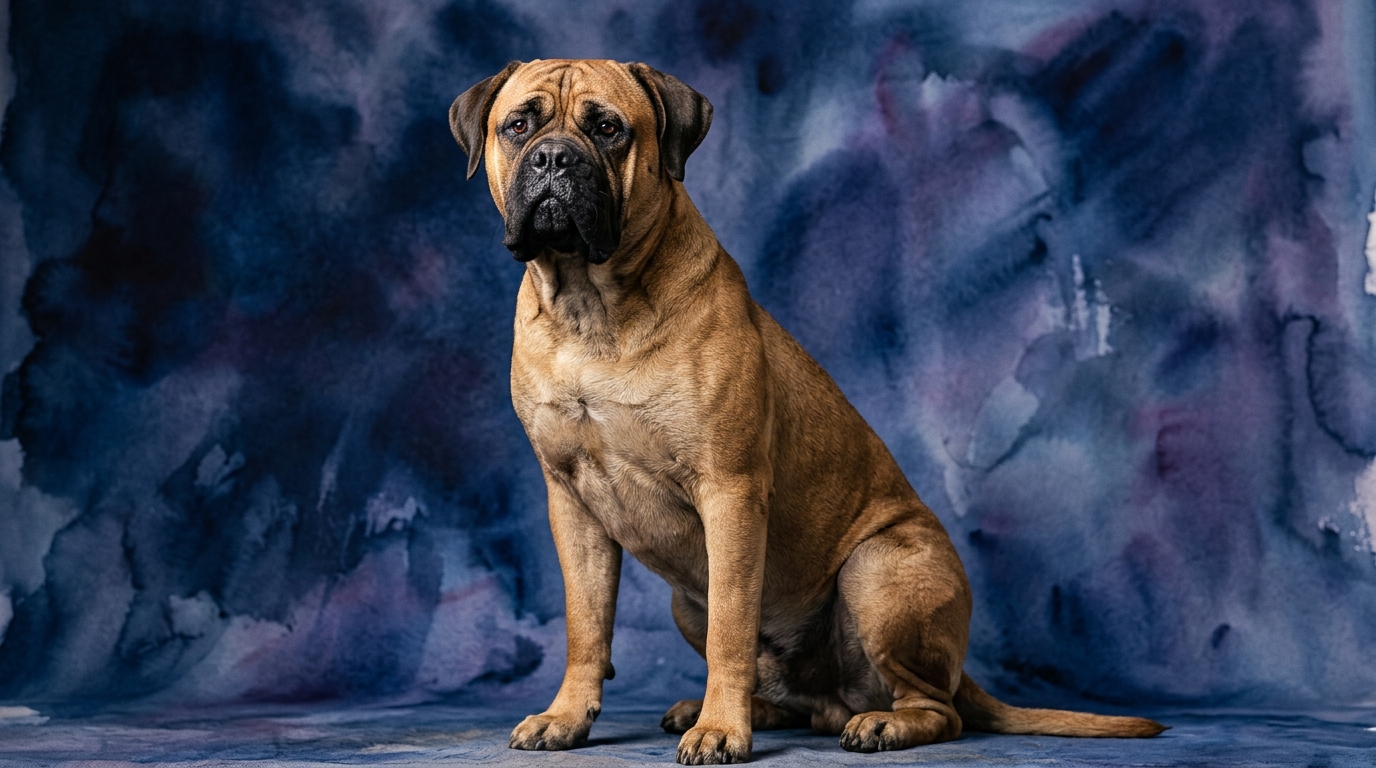
In contrast, the Bullmastiff, with a Coren rank of #69, presents a different cognitive landscape. Their problem-solving ability is rated 3/5, suggesting a more deliberate, methodical approach that may involve persistence over quick insight. Training speed is also 3/5, meaning they learn at a moderate pace, requiring more patience and repetition. Social intelligence stands at 3/5, indicating loyalty to their family but perhaps less nuanced adaptability in broader social contexts. Their instinctive drive is 3/5, present but less intense than the Doberman's, focusing primarily on guardianship. Memory is likewise 3/5, sufficient for core routines but not as expansive or precise as their higher-ranking counterpart.
Where the Doberman Pinscher Excels Cognitively
The Doberman's cognitive strengths make them standouts in demanding roles. Their 5/5 problem-solving acumen allows them to quickly assess and overcome complex challenges, whether it's navigating an intricate agility course or figuring out how to open a child-proof gate. This strategic thinking extends to learning new tasks, where their 5/5 training speed means they pick up commands with remarkable efficiency, often requiring only a few repetitions to solidify a behavior. This makes them highly suitable for advanced obedience, protection work, and service dog roles.
Furthermore, a Doberman's 4/5 social intelligence enables them to keenly interpret subtle human body language and vocal tones, fostering a deeply responsive partnership. Their 5/5 instinctive drive provides a powerful internal motivation for work, making them driven participants in activities like tracking, search and rescue, or competitive sports. Coupled with a 5/5 memory, they retain a vast repertoire of commands and experiences with striking clarity, contributing to their reliability and consistency in performing complex sequences over time.
Unique Cognitive Strengths of the Bullmastiff
While not matching the Doberman's rapid processing, the Bullmastiff's cognitive profile offers distinct advantages. Their 3/5 problem-solving ability, though slower, often manifests as a methodical, persistent approach. This deliberate nature can be beneficial in situations requiring steady contemplation rather than impulsive action, making them less prone to rash decisions in their role as guardians. They learn thoroughly, even if not instantly, through consistent, positive reinforcement.
The Bullmastiff's 3/5 social intelligence, while less universally adaptable, is intensely focused on their family. This translates into profound loyalty and a discerning ability to identify threats or unusual presences within their established territory. Their 3/5 instinctive drive means they possess adequate protective instincts without the overwhelming need for constant, intense mental and physical work, fostering a calm and watchful presence. Their 3/5 memory is sufficient for retaining core household routines and essential commands, contributing to their predictable and stable demeanor within the home environment.
Training Dynamics: Doberman Pinscher vs. Bullmastiff
When it comes to training, the Doberman Pinscher is generally considered easier to teach due to its exceptional cognitive scores. Their 5/5 training speed means they absorb new concepts with remarkable alacrity, often eager to engage and driven by a strong desire to perform. They thrive on challenges and excel with positive reinforcement, quickly connecting actions to rewards. This mental agility allows them to master complex multi-step tasks and respond reliably to even subtle cues, making them highly responsive partners in various disciplines.
The Bullmastiff, with its 3/5 training speed, requires a different approach: patience and consistency are paramount. They are not unintelligent, but they process information at a more deliberate pace and may need more repetitions to solidify a command. This can sometimes be misinterpreted as stubbornness, but it's more accurately a reflection of their methodical learning style. Successful training with a Bullmastiff relies on clear, calm communication, short, engaging sessions, and understanding that they learn thoroughly, but at their own thoughtful pace.
Lifestyle Suitability: Active vs. Relaxed Owners
The Doberman Pinscher is ideally suited for active owners who can meet their substantial needs for mental and physical engagement. Their 5/5 instinctive drive and problem-solving acumen demand structured activities such as competitive obedience, agility, tracking, or protection sports. Without ample outlets, their sharp minds and high energy can lead to boredom and potentially destructive behaviors. An owner committed to consistent training and daily challenges will find an incredibly engaged and rewarding companion.
Conversely, the Bullmastiff generally suits owners who appreciate a more relaxed lifestyle, though they are not sedentary. Their moderate instinctive drive (3/5) means they require regular, but not exhaustive, exercise, such as daily walks and secure yard play. They are often content to be watchful companions, preferring to guard their territory with a calm, discerning presence rather than constantly seeking high-intensity tasks. Owners who value a steadfast, loyal presence and are prepared for patient, consistent training will find a rewarding companion in a Bullmastiff.
The Verdict
Choose a Doberman Pinscher if you seek a highly engaged, responsive companion for advanced training, canine sports, or service work, and can provide ample mental and physical stimulation daily.
Choose a Bullmastiff if you appreciate a steadfast, loyal guardian with a calmer demeanor, are prepared for patient, consistent training, and can provide moderate exercise and a secure, loving home.
🧠 Find Your Pet's IQ Score
Our Pet IQ Lab assessment covers 25+ tests across 5 cognitive dimensions — personalized to your breed.
Take the Full IQ Test →Frequently Asked Questions
Is a Doberman Pinscher difficult to live with due to its high cognitive scores?
While a Doberman's acute mind and strong drives demand consistent engagement and training, they are not inherently difficult. Owners must provide ample mental and physical outlets to channel their sharp intellect and energy constructively, otherwise, they may devise their own less desirable "problems" to solve within the home.
Does a Bullmastiff's lower cognitive ranking mean it cannot be trained effectively?
Absolutely not. A Bullmastiff can be trained effectively, though it requires more patience and repetition due to its moderate training speed. Their strong desire to please their family, combined with consistent, positive reinforcement, allows them to master essential commands and become well-behaved companions.
How do the instinctive drives of these two breeds differ in daily life?
The Doberman's high instinctive drive (5/5) translates to a constant readiness for action and a need for purpose, often manifesting in intense focus during tasks or a strong desire to track. The Bullmastiff's moderate drive (3/5) means they are less inclined towards constant high-energy activities, preferring to observe and guard their territory with a calm, watchful presence rather than seeking out complex tasks.