Side-by-Side IQ Profile: Doberman Pinscher vs. Cavalier King Charles Spaniel
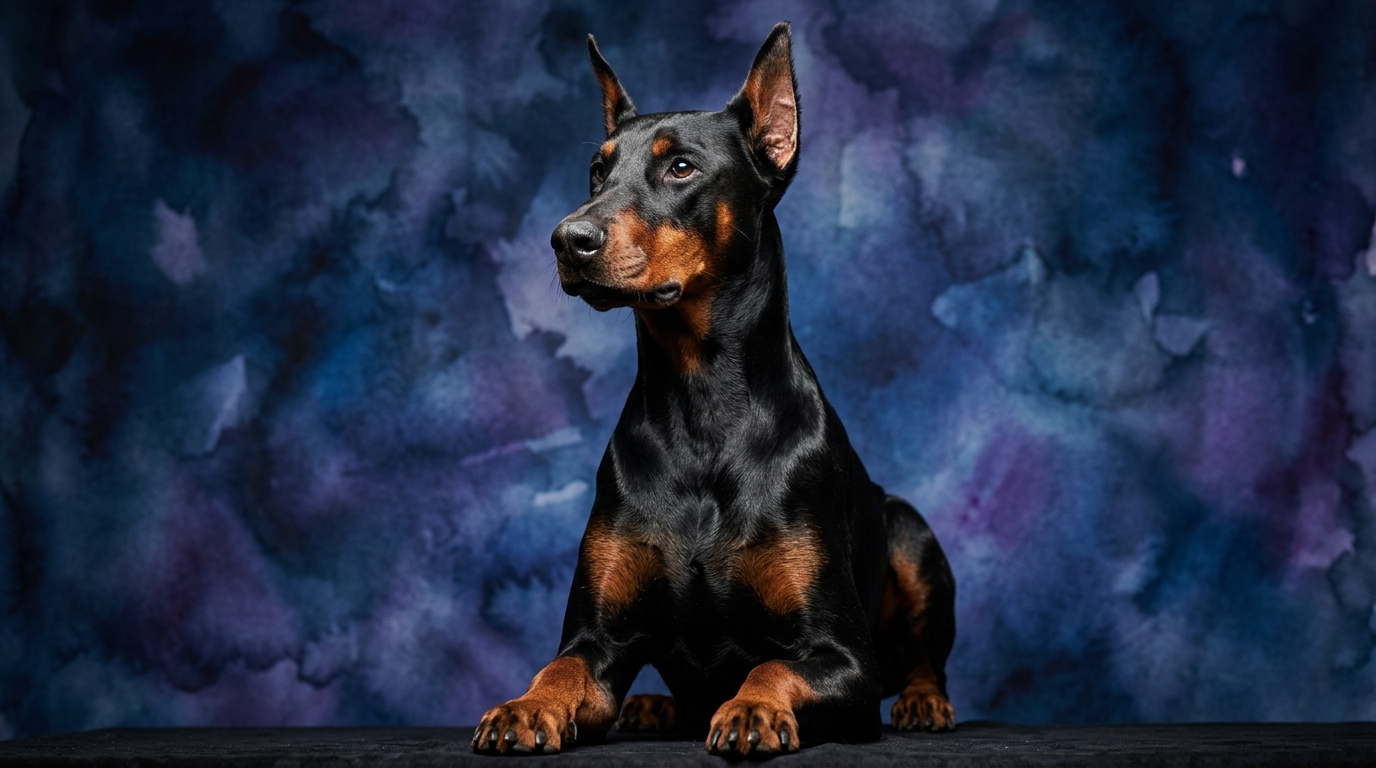
The Cosmic Pet Pet IQ Lab ranks the Doberman Pinscher at an impressive #5 on the Coren scale, reflecting a breed built for complex tasks and rapid learning. Their cognitive profile is marked by exceptional scores across most dimensions. Dobermans achieve a perfect 5/5 in Problem Solving, indicating a strong capacity to analyze novel situations and devise effective solutions, whether it's navigating complex environments or figuring out intricate puzzle toys. Their Training Speed is also a top-tier 5/5, meaning they absorb new commands and routines with remarkable rapidity, often mastering complex sequences after only a few repetitions due to their sharp focus and eagerness to engage. Social Intelligence stands at a robust 4/5; while deeply bonded to their families, their social acumen often prioritizes discernment and protection, leading to a more reserved, analytical approach with strangers. An Instinctive Drive of 5/5 underscores their powerful inclination for purpose and activity, fueling their engagement in demanding roles like guarding or tracking. Finally, their Memory is also rated 5/5, demonstrating an outstanding ability to retain information and build upon past learning with precision.
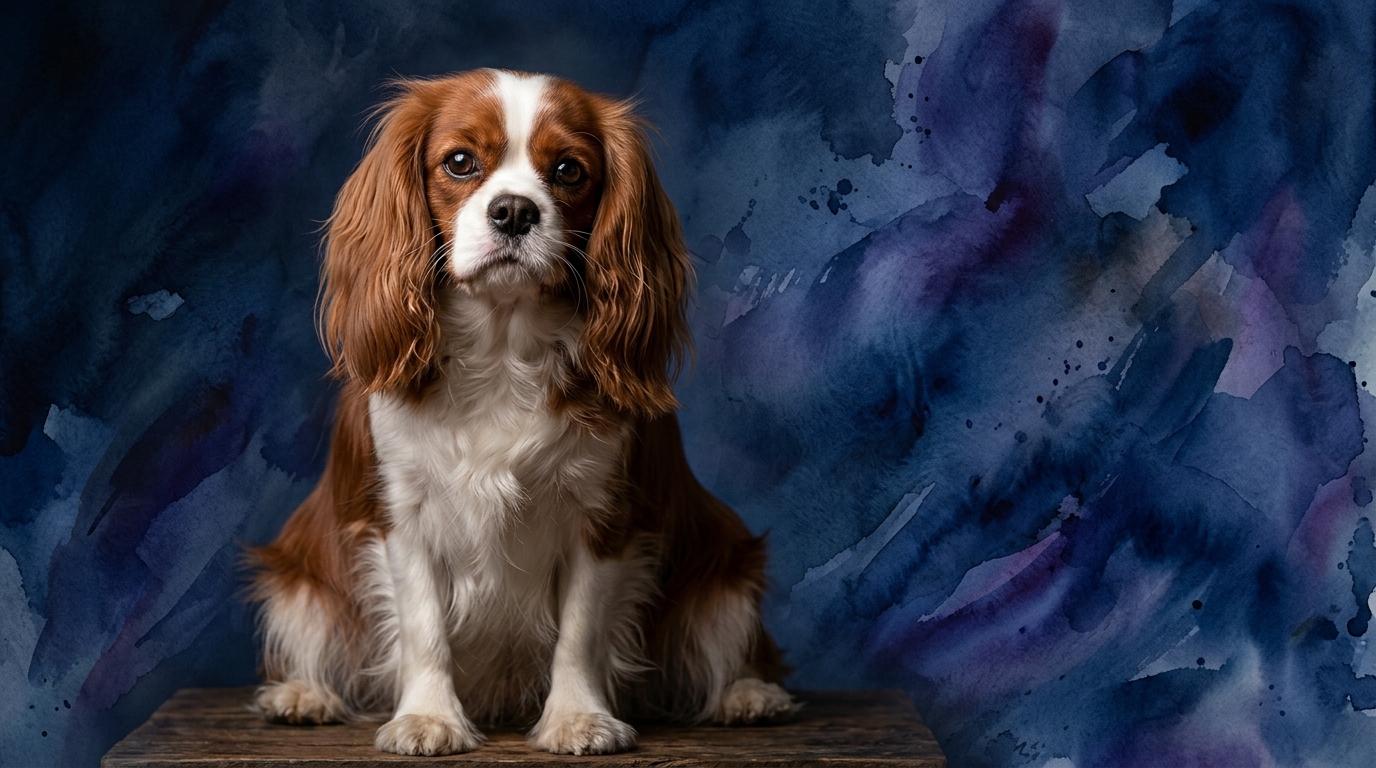
In contrast, the Cavalier King Charles Spaniel, ranked #44 on the Coren scale, presents a cognitive profile optimized for companionship and emotional connection. Their Problem Solving ability scores a 3/5; Cavaliers typically approach challenges with a more intuitive style, preferring direct guidance rather than independently devising elaborate solutions to complex environmental puzzles. Training Speed is also a moderate 3/5; while trainable, they learn at a more measured pace, often requiring more repetition and patience, as their focus can sometimes be gently interrupted by their desire for affection. Where the Cavalier truly shines is in Social Intelligence, earning a perfect 5/5. Their capacity to read and respond to human emotions is exceptional, making them profoundly empathetic companions who are highly attuned to their owner's mood. Their Instinctive Drive is a gentle 3/5, primarily centered around comfort and companionship rather than intense work or high-intensity tasks. Lastly, their Memory is a 3/5, functional for retaining common commands and routines, though perhaps less precise for complex sequences over long periods compared to breeds with higher scores.
Where the Doberman Pinscher Wins Cognitively
The Doberman Pinscher's cognitive strengths manifest powerfully in areas demanding sharp intellect and sustained purpose. Their 5/5 Problem Solving score means they excel at complex, multi-step challenges, such as deciphering intricate puzzle toys, navigating elaborate agility courses, or understanding multi-part commands that require sequential execution. This capacity for abstract thought allows them to deduce solutions rather than solely relying on learned behaviors, making them adept at adapting to novel situations. Coupled with a 5/5 Training Speed, Dobermans grasp new commands almost instantly, making them prime candidates for advanced obedience, protection work, or competitive canine sports where rapid learning and precise execution are paramount. Their 5/5 Instinctive Drive translates into an inherent need for purpose, meaning they actively seek engagement and thrive in roles requiring sustained focus and motivation, such as search and rescue, service dog work, or demanding canine athletics. Furthermore, their 5/5 Memory ensures they retain vast amounts of information, from complex command sequences to detailed scent trails, making them incredibly reliable in tasks requiring long-term recall and precision over time. These combined faculties equip the Doberman for roles that demand consistent mental effort and a strategic approach.
Where the Cavalier King Charles Spaniel Wins Cognitively
The Cavalier King Charles Spaniel's preeminent cognitive strength lies in their exceptional Social Intelligence, scoring a perfect 5/5, which sets them apart significantly from many breeds, including the Doberman. This unparalleled ability means Cavaliers possess an innate, profound capacity to read and respond to human emotions, making them truly gifted emotional support animals and family companions. They are instinctively attuned to their owner's mood, often offering comfort or seeking interaction with remarkable accuracy and empathy precisely when needed, fostering a deep, intuitive bond. This superior social acumen allows them to integrate seamlessly into diverse social settings, often acting as natural peacemakers within a household or among new acquaintances. Their understanding of subtle human cues, from facial expressions to vocal tones, is a cognitive strength that fosters genuinely reciprocal relationships. This isn't just about being friendly; it's a sophisticated form of emotional perception that allows them to anticipate needs and provide comfort without explicit direction, making them incredibly intuitive and cherished companions.
Which Is Easier to Train and Why?
When evaluating ease of training, the Doberman Pinscher generally presents a more straightforward experience for teaching commands and complex tasks. Their 5/5 Training Speed means they pick up new cues with remarkable rapidity, often requiring fewer repetitions to solidify a command. This is further bolstered by their 5/5 Problem Solving capacity, which allows them to understand the 'why' behind commands and adapt to variations in execution or environment. For instance, teaching a Doberman a multi-step retrieve, a complex agility sequence, or even nuanced protection work will likely require significantly less time and frustration compared to a Cavalier. Dobermans possess a natural drive to please and a focused demeanor, making them highly receptive to structured training and eager to engage in learning new skills.
The Cavalier King Charles Spaniel, while certainly trainable, requires a more patient and nuanced approach. Their moderate 3/5 Training Speed means commands need more consistent repetition over a longer period to become ingrained. Their lower Problem Solving score suggests they learn most effectively through clear, consistent instruction rather than being expected to independently deduce complex tasks. For example, house-training or mastering recall in distracting environments might take longer with a Cavalier, as they may struggle more with generalizing commands to new situations. However, their exceptional Social Intelligence means they respond incredibly well to positive reinforcement, praise, and a strong, affectionate bond with their trainer. Training a Cavalier often relies more on building a trusting relationship and utilizing consistent, gentle methods rather than relying on an innate drive for task mastery, making short, positive sessions most effective.
Which Suits Active Owners vs. Relaxed Owners?
For active owners seeking a dynamic partner, the Doberman Pinscher is an ideal match. With a formidable 5/5 Instinctive Drive, Dobermans thrive with owners who provide consistent mental and physical challenges. Their inherent need for purpose means they excel in active households where they can regularly participate in demanding dog sports like agility, obedience, protection work, or accompany their owners on long daily runs, hikes, or bike rides. An owner who enjoys structured training sessions, engages in complex problem-solving games, and maintains a routine that incorporates significant exercise and mental stimulation will find a Doberman to be a highly engaged, capable, and fulfilling companion. Their high scores in Problem Solving and Memory ensure they benefit immensely from continuously learning new tricks, advanced tasks, and engaging in work that utilizes their considerable cognitive abilities.
Conversely, the Cavalier King Charles Spaniel, with its 3/5 Instinctive Drive and unparalleled 5/5 Social Intelligence, is perfectly suited for owners seeking a devoted, affectionate companion for a more relaxed and emotionally connected lifestyle. They are content with gentle walks, frequent cuddle sessions on the couch, and being an integral, comforting presence in daily family life without demanding intense physical exertion or complex work. Owners who appreciate a dog that is deeply attuned to their emotional state, happy to simply be present, and offers unwavering companionship will find the Cavalier's temperament and cognitive strengths align perfectly with their lifestyle. Their moderate training speed means they can certainly learn basic manners, but they do not require constant, demanding cognitive challenges to prevent boredom, preferring instead the comfort and security of their human family.
The Verdict
Select a Doberman Pinscher if you are an experienced owner seeking a highly capable, driven companion for structured training, demanding activities, and a protective role, valuing a dog that thrives on purpose and cognitive challenges.
Opt for a Cavalier King Charles Spaniel if you desire a gentle, profoundly affectionate companion whose primary purpose is to offer unwavering emotional support and companionship, fitting seamlessly into a relaxed, family-oriented lifestyle.
🧠 Find Your Pet's IQ Score
Our Pet IQ Lab assessment covers 25+ tests across 5 cognitive dimensions — personalized to your breed.
Take the Full IQ Test →Frequently Asked Questions
Does a Doberman Pinscher's higher IQ make them harder to manage?
Not necessarily harder, but it does mean they require more consistent mental stimulation and clear leadership. Their advanced problem-solving and drive mean they can become bored or develop their own 'tasks' if not adequately engaged, which might manifest as undesirable behaviors.
Is a Cavalier King Charles Spaniel difficult to train because of its lower training speed score?
While they may take longer to grasp new commands than a Doberman, Cavaliers are not difficult to train; they simply require more patience and positive reinforcement. Their high social intelligence means they are eager to please their owners, responding well to gentle, consistent methods and praise.
How does a Doberman's social intelligence score of 4/5 compare to a Cavalier's 5/5 in practical terms?
A Doberman's social intelligence focuses more on understanding its immediate family and discerning potential threats, leading to a loyal but often reserved demeanor with strangers. A Cavalier's 5/5 score indicates a profound, intuitive grasp of human emotions and a universal desire for friendly interaction, making them more overtly empathetic and generally welcoming to everyone.