
Side-by-Side Cognitive Profiles
The Cosmic Pet Pet IQ Lab employs a five-dimensional framework to assess canine intelligence, offering a nuanced view beyond a single 'smartness' score. For the Doberman Pinscher, categorized as a Working breed, its Coren rank of #5 signifies a high capacity for learning and task execution, distinguishing it as a rapid and capable student. Its cognitive scores reflect this: Problem Solving at 5/5, Training Speed at 5/5, Social Intelligence at 4/5, Instinctive Drive at 5/5, and Memory at 5/5. These metrics paint a picture of a dog engineered for intricate tasks and close partnership.
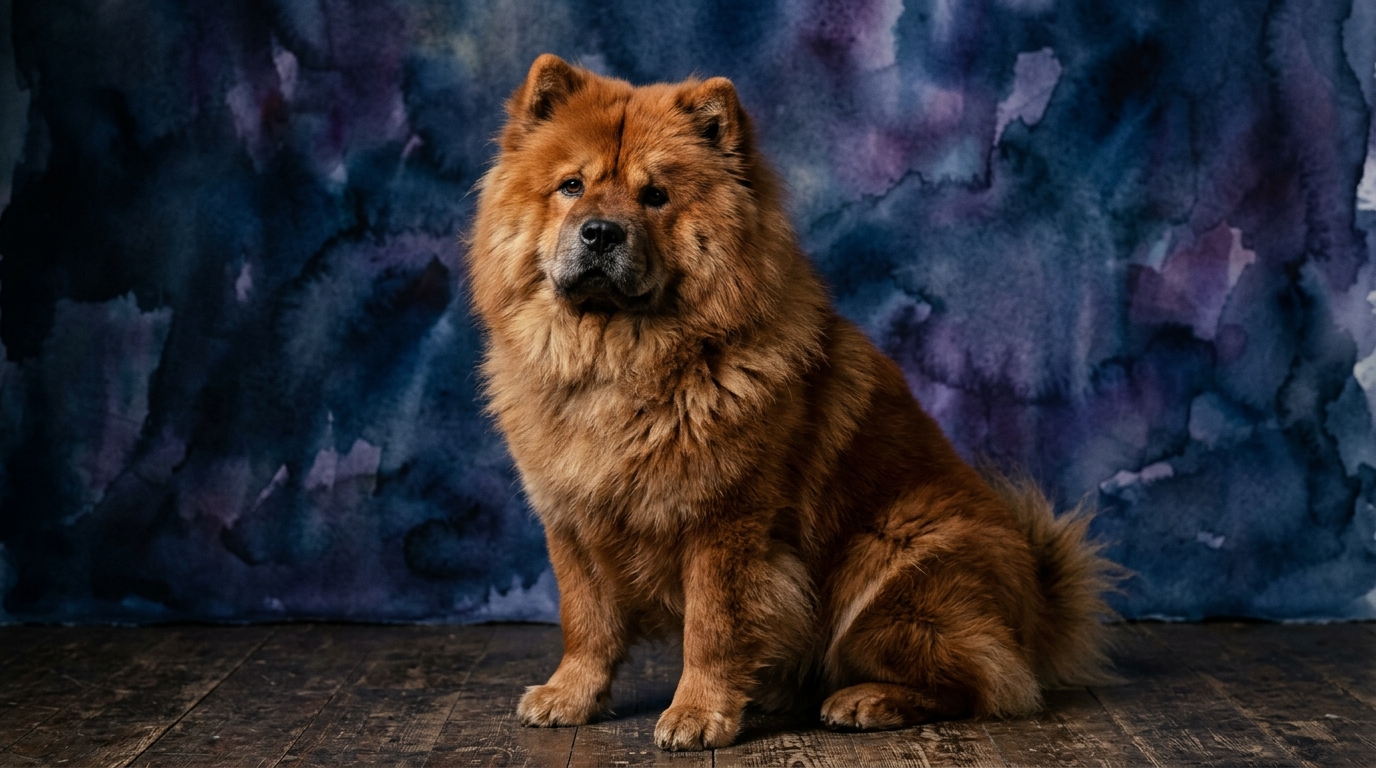
Conversely, the Chow Chow, a Non-Sporting breed with a Coren rank of #76, demonstrates a very different cognitive blueprint. Its scores are consistently moderate across all dimensions: Problem Solving at 3/5, Training Speed at 3/5, Social Intelligence at 3/5, Instinctive Drive at 3/5, and Memory at 3/5. This consistent scoring suggests a breed whose cognitive strengths lie not in rapid acquisition or overt cooperation, but in a more self-reliant and independent mental approach, often prioritizing its own internal logic over human directives.
Where the Doberman Pinscher Excels Cognitively
The Doberman Pinscher's cognitive prowess is evident in its exceptional scores, particularly its 5/5 in Problem Solving and Training Speed. This breed possesses an innate ability to process complex information rapidly, allowing them to grasp new commands and multi-step tasks with remarkable efficiency. Their mind is wired for strategy, whether it's navigating an agility course, learning intricate protection routines, or figuring out how to retrieve a toy from a challenging spot. This rapid cognitive processing allows them to adapt quickly to novel situations and apply learned solutions effectively.
Their 5/5 in Memory means a Doberman can retain a vast repertoire of commands, routines, and experiences over long periods, making their training durable and reliable. Coupled with a 4/5 in Social Intelligence, they are adept at reading human cues, understanding subtle changes in tone, and anticipating their handler's intentions. This facilitates a deep, communicative bond, where the Doberman actively seeks to understand and collaborate. Their 5/5 Instinctive Drive further channels this cognitive energy into purposeful action, driving them to engage intensely in tasks that leverage their mental capabilities, be it guarding, tracking, or competitive obedience, often demonstrating a profound work ethic and focus that few breeds can match.
Where the Chow Chow Demonstrates Unique Cognitive Strengths
While the Chow Chow's cognitive scores of 3/5 across the board might suggest a less 'capable' mind in traditional task-oriented contexts, it's more accurate to view these scores as indicative of a different cognitive philosophy. The Chow Chow's problem-solving, though rated 3/5, is often characterized by an independent and self-sufficient approach. They are not necessarily looking to their human for solutions but will often devise their own, which might not always align with human expectations but serves their own immediate needs or comfort. This can manifest as a quiet, thoughtful assessment of a situation before acting, rather than a rapid, reactive response.
Their 3/5 in Social Intelligence reflects a breed that values its personal space and maintains a dignified reserve. This isn't a deficit in understanding, but rather a preference for subtle communication and selective engagement. A Chow Chow processes social cues, but its responses are often understated and deliberate, requiring an owner who can appreciate and interpret these nuanced interactions. Their memory, also 3/5, is reliable for established routines and core commands, particularly those they deem beneficial or logical. While they may not retain vast sequences of complex tricks, they are steadfast in remembering the daily rhythms of their home and the individuals within it, demonstrating a consistent, if not flashy, cognitive presence rooted in independence and self-possession. Their Instinctive Drive, also 3/5, is often directed towards guarding and maintaining their territory, a task they perform with a quiet, unwavering resolve that requires a specific kind of focused, independent thought.
Training Dynamics: Doberman Pinscher vs. Chow Chow
When it comes to ease of training, the Doberman Pinscher holds a significant advantage, directly supported by its 5/5 Training Speed and 5/5 Problem Solving scores. Dobermans are keen to learn and eager to please, often absorbing new commands in just a few repetitions. Their strong social intelligence means they are highly attuned to their handler's desires, making them responsive and cooperative students. They thrive on structured training and mental stimulation, viewing it as a collaborative activity that strengthens their bond with their owner. Their exceptional memory ensures that once a lesson is learned, it is retained.
In contrast, training a Chow Chow requires a different methodology and a great deal more patience, reflecting its 3/5 Training Speed and more independent nature. Chow Chows learn at their own pace and are less motivated by the desire to please, often needing to understand the 'why' behind a command or finding the task intrinsically rewarding. Their lower social intelligence means they may not always prioritize human directives over their own inclinations, requiring consistent, positive reinforcement and a firm, gentle hand. Behavioral differences include a tendency for Chow Chows to be more stubborn or selective in their responses, whereas Dobermans typically exhibit a more enthusiastic and compliant attitude towards instruction. Success with a Chow Chow often lies in tapping into their quiet dignity and establishing clear, consistent expectations from an early age, focusing on basic manners and boundaries rather than complex obedience.
Matching Canine Cognition to Owner Lifestyles
The distinct cognitive profiles of these two breeds naturally align with different owner lifestyles. The Doberman Pinscher is an ideal companion for active owners who relish engaging deeply with their dog's mind. This includes individuals or families who enjoy training, participating in dog sports like agility or obedience, or even those seeking a dedicated working partner for tasks such as protection or search and rescue. Owners who can provide consistent mental challenges, structured learning, and plenty of opportunities for collaborative activities will find the Doberman's cognitive abilities truly shine. They thrive on having a 'job' and a clear purpose, needing an owner who can channel their high instinctive drive and problem-solving skills constructively.
The Chow Chow, with its independent cognitive approach and moderate scores, is better suited for owners who appreciate a more self-reliant and dignified companion. These are individuals or families who are content with a less overtly clingy or demanding dog, valuing quiet companionship and a dog that can entertain itself without constant human direction. Owners must be patient and consistent with training, understanding that the Chow Chow learns at its own pace and may not always be eager to perform complex tasks. An owner who understands and respects the Chow Chow's inherent reserve and provides a calm, predictable environment will be rewarded with a steadfast and loyal, albeit independent, friend. They thrive in environments where their unique brand of self-possession is understood and cherished, requiring less intense cognitive engagement from their humans, but still benefiting from clear boundaries and socialization.
The Verdict
Choose a Doberman Pinscher if you desire a highly trainable, collaborative, and mentally agile companion for active engagement, sports, or dedicated working roles. Their cognitive make-up is geared towards partnership and complex learning.
Choose a Chow Chow if you prefer an independent, dignified, and self-possessed companion, and are prepared for a training approach that respects their unique cognitive pace and reserved nature. They thrive with owners who appreciate quiet loyalty and consistent boundaries.
🧠 Find Your Pet's IQ Score
Our Pet IQ Lab assessment covers 25+ tests across 5 cognitive dimensions — personalized to your breed.
Take the Full IQ Test →Frequently Asked Questions
Do Doberman Pinschers require a lot of mental stimulation?
Yes, Doberman Pinschers, with their 5/5 Problem Solving and Memory, thrive on consistent mental stimulation. They need regular training sessions, puzzle toys, and engaging activities to prevent boredom and channel their cognitive energy constructively.
Is the Chow Chow difficult to train due to its independence?
The Chow Chow's independence and 3/5 Training Speed mean they require more patience and consistency than some other breeds. They are not 'difficult' but require an owner who understands their motivation and uses positive reinforcement to make training a rewarding experience for them.
How do their social intelligence scores impact their family life?
A Doberman's 4/5 Social Intelligence means they are typically very attuned to family members, seeking interaction and understanding cues easily. A Chow Chow's 3/5 Social Intelligence suggests a more reserved approach; they are loyal to their family but may not be as overtly expressive or keen for constant social engagement, valuing their personal space.