
Side-by-Side Cognitive Profile: Doberman Pinscher vs. Clumber Spaniel
The Doberman Pinscher, a breed often selected for demanding roles, stands at an impressive Coren rank of #5, indicating a rapid aptitude for learning and command execution. Its cognitive profile reflects this capacity across the board: Problem Solving is rated 5/5, showcasing an ability to independently navigate complex situations and strategize. Training Speed, also at 5/5, means new commands are grasped with minimal repetition, often after just a few exposures. Social Intelligence, at 4/5, suggests a strong understanding of human cues and emotional states, fostering deep bonds and responsive behavior. An Instinctive Drive of 5/5 highlights a powerful innate urge to perform tasks, guard, or hunt, channeling energy into purposeful action. Finally, a Memory score of 5/5 ensures that learned behaviors and associations are retained over extended periods, making their training durable and reliable.
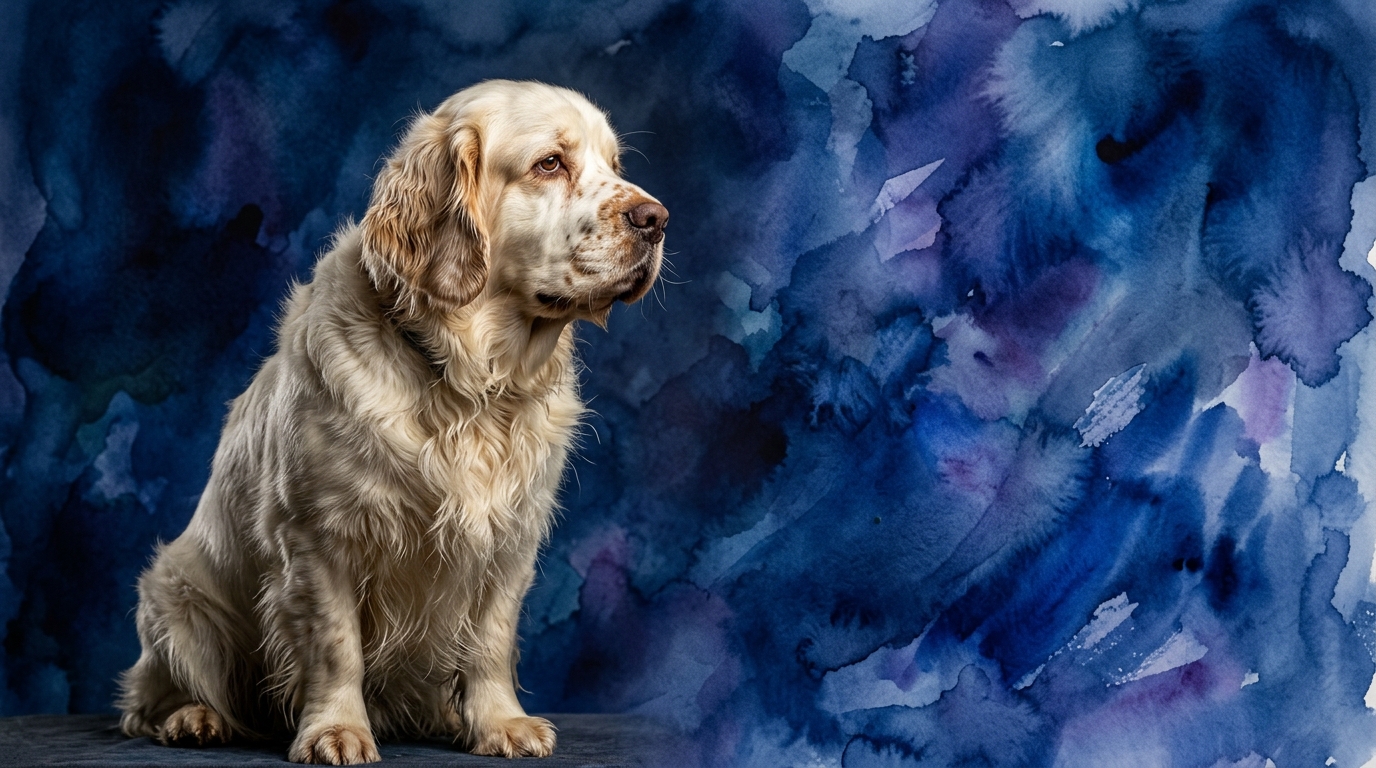
In contrast, the Clumber Spaniel presents a more relaxed, contemplative cognitive profile, positioned at a Coren rank of #55. This ranking places them comfortably in the 'average working intelligence' category, meaning they are capable learners but require a different approach. Their Problem Solving is rated 3/5, indicating they can figure out solutions to common daily challenges but might not independently devise complex strategies. Training Speed, also at 3/5, means they will learn, but patience and consistent repetition are key, as they process information at a more measured pace. Social Intelligence, at 3/5, suggests they understand basic human intentions and emotions, fostering a connection without the intense attunement seen in some breeds. An Instinctive Drive of 3/5 points to a moderate natural inclination for their sporting heritage, such as scent work, but without the all-consuming intensity. Their Memory, rated 3/5, is sufficient for retaining household routines and basic commands, though less precise recall might be observed over time compared to higher-ranking breeds.
Where the Doberman Pinscher Excels Cognitively
The Doberman Pinscher's cognitive strengths are evident in its exceptional capacity for complex task learning and execution. With a 5/5 in Problem Solving, a Doberman can quickly assess novel situations, like a puzzle toy or a gate latch, and devise a solution. This isn't just about brute force; it involves a sequential thought process and an ability to adapt previous knowledge to new contexts. Their 5/5 Training Speed means they can master multi-step commands, such as 'fetch the specific item from the other room,' with remarkable efficiency. They don't just learn a command; they internalize the intent behind it, allowing for greater flexibility in their responses. This rapid assimilation extends to environmental cues, making them highly perceptive to changes in their surroundings or the moods of their human companions, thanks to their 4/5 Social Intelligence. Furthermore, their 5/5 Instinctive Drive fuels a persistent focus, enabling them to excel in Schutzhund, obedience trials, or roles requiring vigilance and decisive action, driven by an inherent desire to work and fulfill a purpose. The 5/5 Memory ensures that these intricate skills and rapid learnings are not fleeting but become deeply ingrained, accessible even after periods of inactivity, making their training incredibly robust.
Where the Clumber Spaniel Demonstrates Unique Strengths
While the Clumber Spaniel's cognitive scores are moderate, these attributes contribute to a distinct set of strengths that are highly valued by many owners. Their 3/5 in Problem Solving means they are less likely to constantly seek out challenges or attempt to 'outsmart' their environment, leading to a generally more placid and less destructive presence in the home. They are perfectly capable of navigating their daily routines and learning what's expected, but without the intense mental restlessness that can accompany higher problem-solving abilities. The 3/5 in Social Intelligence, rather than being a deficit, often translates into a wonderfully independent yet affectionate demeanor. They appreciate human companionship but aren't overly reliant on constant interaction or prone to anxiety from subtle human emotional shifts, making them a consistent and calming presence. Their 3/5 Instinctive Drive, while sufficient for enjoyable scent-based activities, means they are not perpetually driven by an overwhelming urge to hunt or work, allowing them to be content with a more relaxed lifestyle. This lower drive also means they are less likely to become frustrated or destructive if their mental stimulation isn't constant, fostering a more adaptable and easygoing temperament. Their 3/5 Memory is ample for remembering their family, their routines, and their basic commands, contributing to a reliable and predictable companion without the intensity of a working partner.
Training Dynamics: Doberman Pinscher vs. Clumber Spaniel
Training a Doberman Pinscher often feels like teaching a keen student; their 5/5 Training Speed means they pick up new commands with startling rapidity, often understanding the concept after just a few repetitions. They possess a strong desire to engage and please, coupled with a 5/5 Instinctive Drive that makes them eager to have a job. This translates into focused attention during training sessions and a quick grasp of complex sequences. For instance, teaching a Doberman to 'stay' while you leave the room might take only a handful of focused sessions to achieve reliability, as they quickly associate the command with the desired behavior and the reward. Their 5/5 Memory further solidifies these learnings, making recall and advanced obedience remarkably consistent.
The Clumber Spaniel, with its 3/5 Training Speed and 3/5 Memory, presents a different training experience, one that rewards patience and positive reinforcement. They are not unwilling to learn, but they process information at a more deliberate pace. A Clumber might require significantly more repetitions to fully grasp a new command, and their independent streak, stemming from their moderate social intelligence, means they might occasionally exhibit 'selective hearing.' For example, teaching a Clumber to 'stay' might involve many more short, positive sessions over a longer period, focusing on building a strong, positive association rather than rapid-fire learning. Their lower instinctive drive means they are less compelled by an urgent need to perform, making intrinsic motivation and consistent, reward-based methods crucial. Owners must embrace their thoughtful, sometimes stubborn nature, understanding that while they will learn, it will be on their own timetable and with a less intense focus than their Doberman counterpart.
Ideal Owners: Active Pursuits vs. Relaxed Companionship
The Doberman Pinscher's cognitive profile makes them an exceptional match for active owners who seek a canine partner deeply involved in their lives and pursuits. Their 5/5 Problem Solving and Instinctive Drive demand consistent mental and physical engagement. This breed thrives with owners who are committed to advanced obedience training, dog sports like agility, flyball, or Schutzhund, or even service work. They excel when given a clear purpose and ample opportunity to use their keen mind and athletic body. An owner who understands the need for structured activity, firm but fair guidance, and outlets for their protective instincts will find a Doberman to be an incredibly rewarding, loyal, and responsive companion, always ready for the next challenge or adventure. Their social intelligence means they are attuned to their owner, making them highly responsive to direction and emotional cues.
Conversely, the Clumber Spaniel is ideally suited for owners seeking a calm, affectionate, and relatively low-key companion. Their moderate cognitive scores and instinctive drive mean they are content with moderate daily exercise and less intensive mental stimulation. They appreciate a comfortable home environment and a gentle routine. Owners who enjoy leisurely walks, appreciate a dog with an independent yet devoted spirit, and are prepared for a somewhat slower pace in training will find the Clumber Spaniel a delightful addition. They are not a breed that constantly seeks a 'job' or thrives on high-octane activities. Instead, they excel as a steadfast, gentle presence, happy to observe the world from a comfortable spot beside their human, occasionally joining in a sniff-filled walk or a relaxed game of fetch. Their moderate social intelligence makes them adaptable to varying household dynamics without becoming overstimulated or anxious.
The Verdict: Choosing Your Canine Companion
The Verdict
Choose the Doberman Pinscher if you desire a highly engaged, rapidly learning, and intensely driven partner for advanced training, dog sports, or active working roles.
Opt for the Clumber Spaniel if you seek a calm, affectionate, and independent companion who thrives on a relaxed routine and moderate activity, appreciating a more deliberate approach to life.
🧠 Find Your Pet's IQ Score
Our Pet IQ Lab assessment covers 25+ tests across 5 cognitive dimensions — personalized to your breed.
Take the Full IQ Test →Frequently Asked Questions
Do Doberman Pinschers get bored easily?
Yes, with their 5/5 problem-solving and instinctive drive, Doberman Pinschers require consistent mental and physical engagement. Lack of stimulation can lead to boredom and potentially destructive behaviors as they find their own 'work'.
Are Clumber Spaniels difficult to train due to their moderate scores?
Clumber Spaniels are not difficult, but they require patience and consistency due to their 3/5 training speed. They respond best to positive reinforcement and shorter, engaging sessions, rather than intense, repetitive drills.
How do their social intelligence differences impact household living?
A Doberman's 4/5 social intelligence means they are highly attuned to family dynamics and human emotions, often acting as a responsive protector. A Clumber's 3/5 social intelligence results in a more independent yet affectionate presence, less prone to overreacting to subtle household shifts, offering a consistent, calm demeanor.