
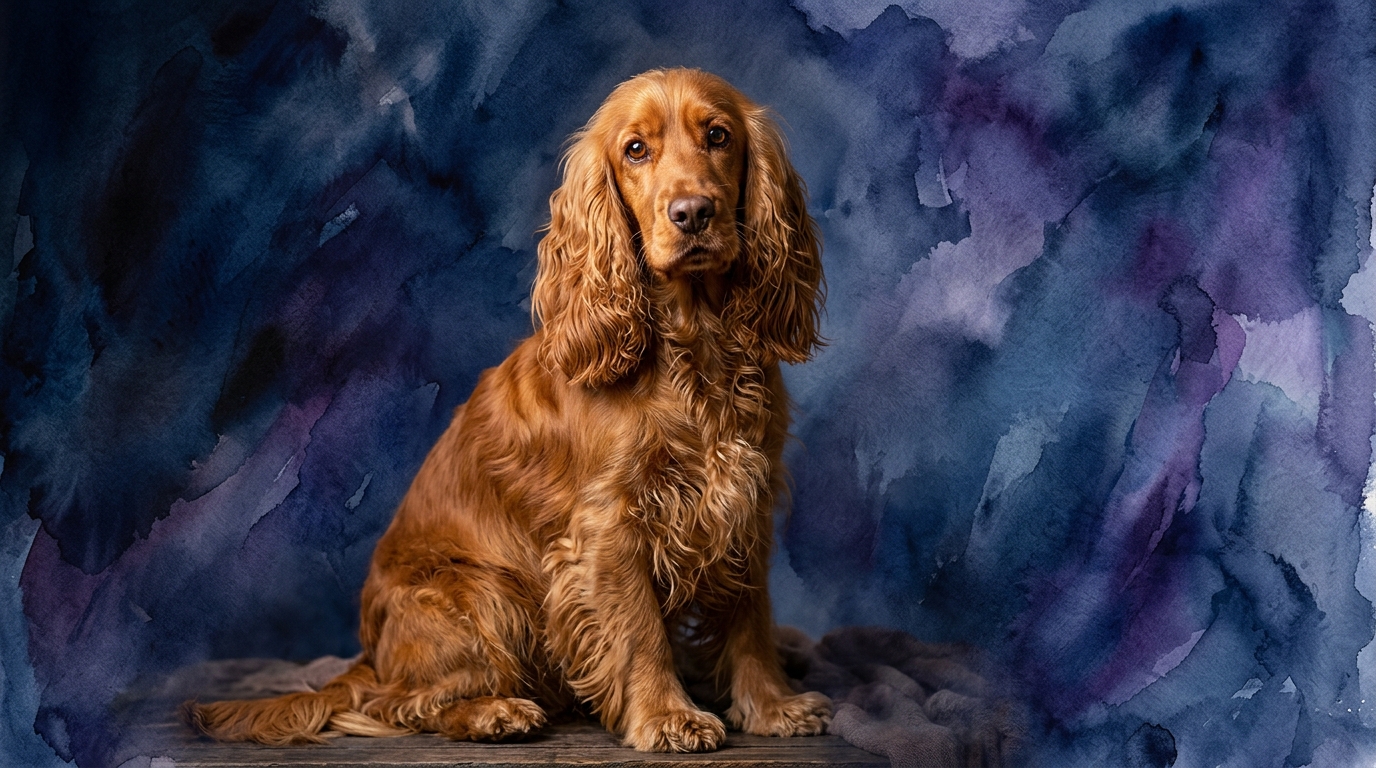
Side-by-Side IQ Profile
**Doberman Pinscher:** Problem Solving (5/5): This breed demonstrates exceptional capacity for abstract thought and strategic planning, making them adept at navigating complex scenarios, learning multi-step commands, and understanding cause-and-effect relationships quickly.
Training Speed (5/5): Dobermans absorb new commands and routines with remarkable rapidity, often requiring only a few repetitions to master a task, a trait that makes them highly responsive to consistent instruction.
Social Intelligence (4/5): While deeply loyal and attuned to their specific human family's emotions and cues, their social prowess is primarily directed inward, forming intense bonds rather than seeking broad interaction with strangers.
Instinctive Drive (5/5): Their powerful inherent drives for protection, guarding, and purpose-driven work are exceptionally strong, fueling their focus and endurance in demanding roles.
Memory (5/5): Dobermans possess an outstanding memory, allowing them to retain learned behaviors, recognize individuals, and recall complex sequences or routes over extended periods.
**Cocker Spaniel:** Problem Solving (3/5): Cocker Spaniels are competent at solving everyday challenges and learning practical tasks, though they may not exhibit the same level of abstract or strategic thinking required for highly complex problem-solving.
Training Speed (4/5): They are eager to please and generally learn new commands well, though they typically require more repetitions and patience compared to the Doberman's lightning-fast acquisition.
Social Intelligence (5/5): Renowned for their exceptional empathy and ability to read human emotions, Cocker Spaniels excel at forming deep, intuitive connections, making them remarkably sensitive and responsive companions.
Instinctive Drive (4/5): Their innate drive centers around their historical role as flushing spaniels, displaying a strong scent drive and eagerness to retrieve, which translates into an active and curious nature.
Memory (4/5): Cocker Spaniels have a good memory for routines, learned behaviors, and social interactions, enabling them to remember commands and positive experiences effectively.
Where Doberman Pinscher Wins Cognitively
The Doberman Pinscher's cognitive strengths shine brightest in areas demanding sharp intellect, rapid processing, and unwavering focus. Their perfect 5/5 score in Problem Solving means they quickly analyze novel situations, devise solutions, and anticipate outcomes, making them formidable in protection work, advanced obedience, or competitive dog sports where strategic thinking is paramount. Complementing this is their 5/5 Training Speed, which translates to astonishingly fast learning curves; a Doberman can grasp a new command or a complex sequence of actions in mere minutes, requiring minimal repetition. This efficiency allows for a vast and sophisticated behavioral repertoire to be built quickly. Furthermore, their 5/5 Instinctive Drive ensures that once a task is learned and a purpose is assigned, they pursue it with relentless dedication and intensity. This profound drive, combined with their exceptional 5/5 Memory, means they retain intricate lessons and experiences over long periods, ensuring reliability and consistency. For owners seeking a dog capable of master-level work and intricate communication, the Doberman’s cognitive architecture provides an unparalleled foundation.
Where Cocker Spaniel Wins Cognitively
While the Doberman excels in raw processing power and purpose-driven tasks, the Cocker Spaniel truly shines in the intricate world of social and emotional cognition, boasting a perfect 5/5 in Social Intelligence. This isn't merely about being 'friendly'; it's a profound ability to perceive, interpret, and respond to human emotions and social cues with remarkable sensitivity and empathy. A Cocker Spaniel can often sense a change in mood, offering comfort or seeking interaction precisely when needed, creating an incredibly deep and intuitive bond with their family. This high social intelligence makes them exceptional therapy dogs, able to connect with individuals on an emotional level and provide solace. Their 4/5 Memory also plays a crucial role here, allowing them to recall past social interactions and learn family preferences, solidifying their role as empathetic companions. While their Problem Solving at 3/5 might suggest less abstract thought, it's perfectly suited for navigating social dynamics. Their 4/5 Training Speed, combined with their eagerness to please from their social nature, means they are highly receptive to positive reinforcement and thrive on collaborative learning. For those prioritizing a dog that offers profound emotional connection and intuitive companionship, the Cocker Spaniel's cognitive strengths are perfectly aligned.
Which is Easier to Train and Why
Determining which breed is 'easier' to train hinges entirely on the owner's goals and experience. For advanced, complex tasks, protection work, or competitive dog sports requiring rapid acquisition of intricate sequences, the Doberman Pinscher offers a more straightforward path. Their 5/5 Training Speed and 5/5 Problem Solving mean they grasp concepts with minimal repetition, making them incredibly efficient learners for high-level work. However, this same intensity and 5/5 Instinctive Drive necessitate an experienced owner who can provide consistent, firm, and fair leadership, channeling their immense mental and physical energy constructively. Without proper guidance, a Doberman's sharp mind can quickly become bored or destructive. The Cocker Spaniel, with its 4/5 Training Speed and exceptional 5/5 Social Intelligence, is arguably easier for the average pet owner seeking basic obedience and a well-mannered companion. Their eagerness to please and deep desire for connection make them highly responsive to positive reinforcement. They might require more repetitions than a Doberman, but their inherent desire to cooperate and less intense drive make them generally more forgiving of training inconsistencies. For an owner prioritizing a dog that integrates seamlessly into a family dynamic with good manners, the Cocker Spaniel's receptive nature often makes the training journey feel more intuitive and less demanding, provided patience is exercised.
Which Suits Active Owners vs Relaxed Owners
The Doberman Pinscher is unequivocally suited for active owners prepared to dedicate significant time to both physical exercise and mental engagement. Their 5/5 Instinctive Drive and high energy levels demand daily vigorous activity, such as long runs, advanced obedience, agility, or protection work, to keep them physically satisfied. Crucially, their 5/5 Problem Solving and 5/5 Memory also mean their minds require constant challenges; simple walks won't suffice. Owners must provide puzzle toys, scent work, or consistent training sessions to prevent boredom. A Doberman thrives with a purpose and an owner who can provide structured activities. In contrast, the Cocker Spaniel, while active and playful, is better suited for owners who might describe themselves as more 'relaxed' in terms of intense physical demands, but still active in companionship and moderate exercise. Their 4/5 Instinctive Drive means they enjoy regular walks, fetch, and play, but don't typically require the same extreme intensity. Their 5/5 Social Intelligence means they thrive on human interaction, making them excellent partners for owners who enjoy shared, less strenuous activities like leisurely strolls or garden play. They adapt well, provided they receive consistent affection and moderate daily exercise to satisfy their spaniel instincts.
The Verdict
Choose a Doberman Pinscher if you are an experienced, active owner seeking a highly capable, purpose-driven dog for advanced training, competitive sports, or protection work, and you can provide structured mental and physical challenges daily.
Choose a Cocker Spaniel if you desire a profoundly empathetic, companionable, and adaptable dog for family life, therapy work, or less intense activities, and you value a deep emotional bond and moderate exercise.
🧠 Find Your Pet's IQ Score
Our Pet IQ Lab assessment covers 25+ tests across 5 cognitive dimensions — personalized to your breed.
Take the Full IQ Test →Frequently Asked Questions
Is a Doberman Pinscher difficult to live with due to its high IQ?
No, a Doberman's high IQ makes them incredibly capable learners and eager to please their handler, but without proper channeling of their immense energy and drive, their sharp minds can lead to boredom and frustration, manifesting as unwanted behaviors.
Can a Cocker Spaniel excel in dog sports despite a lower problem-solving score?
Absolutely. Their strong instinctive drive for scent work, combined with their eagerness to please and good memory, makes them highly adept at activities like obedience, agility, and scent detection, where their cooperative nature is a significant asset.
How does 'social intelligence' differ between these two breeds?
The Cocker Spaniel's 5/5 reflects a universal, intuitive empathy and desire for connection with humans, making them highly responsive to emotional cues, while the Doberman's 4/5 indicates profound loyalty and understanding of its specific human's cues, primarily within its immediate family unit.