Side-by-Side IQ Profile: Doberman Pinscher vs. Dachshund
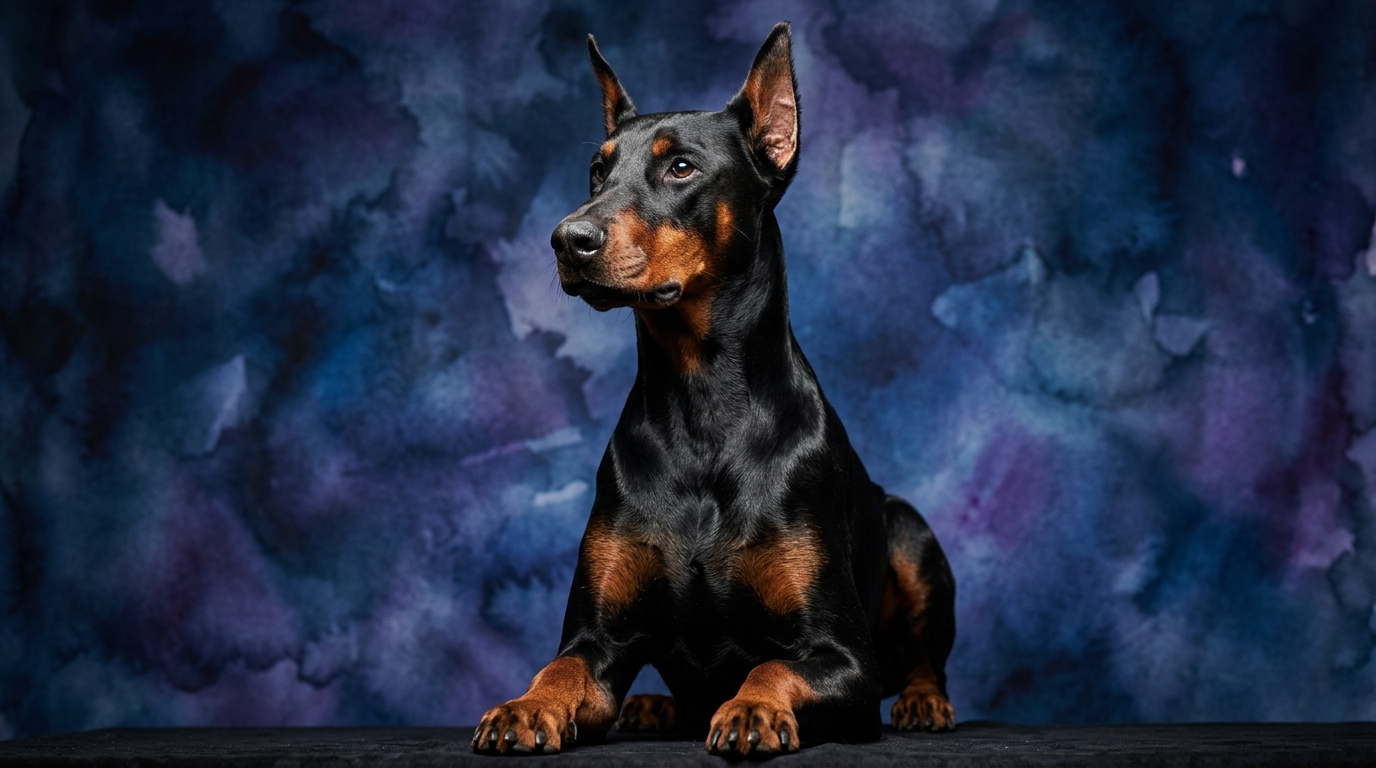
The Doberman Pinscher, a member of the Working group and ranked #5 by Coren, presents a profile of exceptional cognitive prowess. Our Pet IQ Lab assesses their Problem Solving at 5/5, indicating a keen ability to analyze complex situations and devise effective solutions. Their Training Speed is also a perfect 5/5, meaning they absorb new commands and routines with remarkable quickness. Social Intelligence stands at 4/5, reflecting their capacity to read human cues and intentions, often anticipating needs. An Instinctive Drive of 5/5 highlights their powerful, inherent urge for tasks, protection, and vigilance, while their Memory, also 5/5, allows them to retain learned behaviors and experiences over extended periods, making them incredibly reliable.
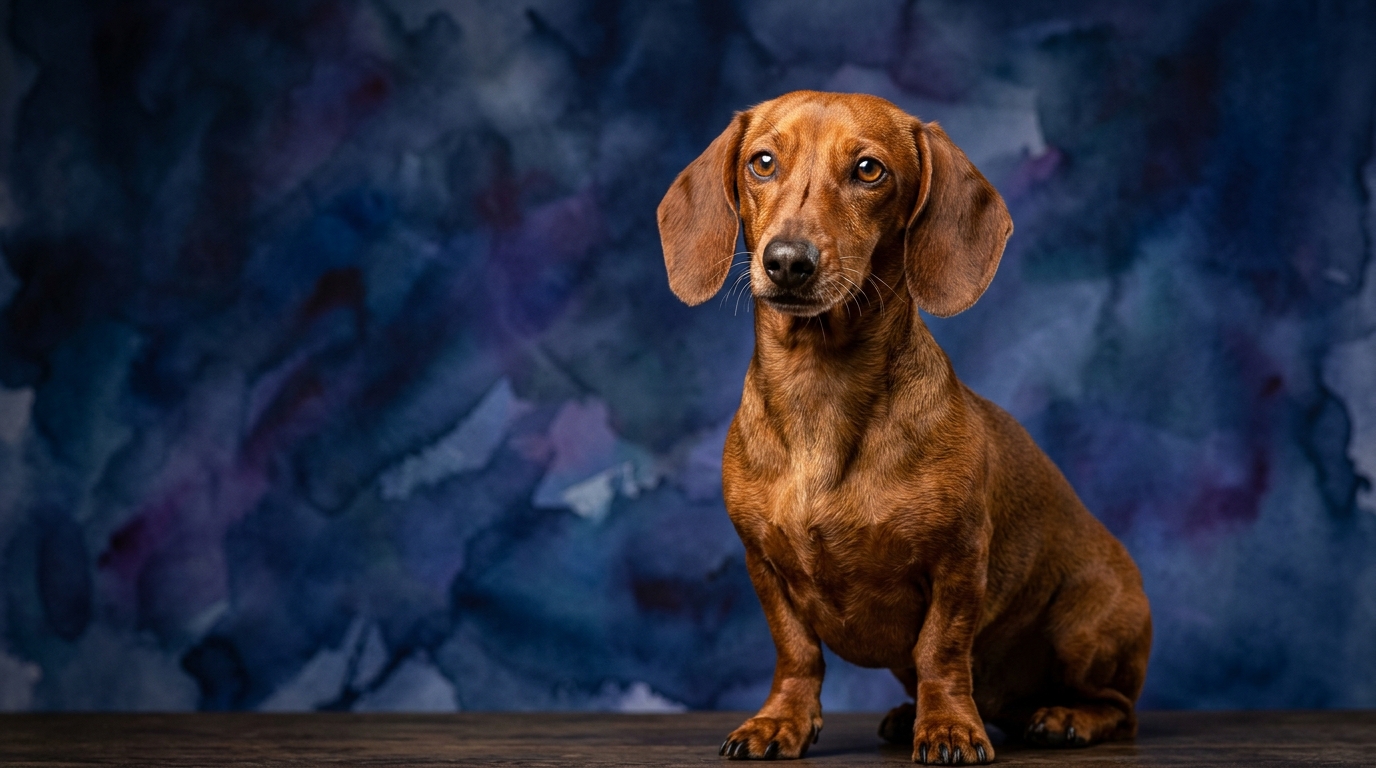
In contrast, the Dachshund, a tenacious Hound breed ranked #49 by Coren, demonstrates a different, yet equally specialized, cognitive makeup. Their Problem Solving is rated 4/5, showcasing an independent mind capable of overcoming obstacles, particularly those related to their ancestral role in scent tracking and hunting. Training Speed is a more moderate 2/5, suggesting they require more repetition and patience to solidify new commands. Social Intelligence is 3/5, indicating an understanding of basic human communication but often with a strong inclination to prioritize their own agenda. Crucially, their Instinctive Drive is a formidable 5/5, reflecting an unwavering, persistent urge for hunting, digging, and tracking, while their Memory, at 3/5, retains information but may require refreshers for less frequently used commands.
Where the Doberman Pinscher Wins Cognitively
The Doberman Pinscher's cognitive strengths are profoundly rooted in their capacity for rapid, cooperative learning and retention. Their 5/5 Problem Solving and 5/5 Memory mean they excel at mastering complex, multi-step commands and intricate routines, making them highly adaptable in scenarios requiring quick thinking and precise execution, such as advanced obedience trials or protection work. This ability to process and recall vast amounts of information quickly allows them to consistently perform tasks with accuracy and reliability, even under pressure.
Furthermore, the Doberman's 5/5 Training Speed, coupled with their 4/5 Social Intelligence, grants them a significant advantage in the realm of human-canine partnership. They are exceptionally receptive to instruction, eager to understand expectations, and quick to form associations between cues and desired actions. This combination facilitates a remarkably efficient learning process, where they not only grasp concepts swiftly but also demonstrate a profound willingness to work alongside their handlers, often anticipating their next move based on subtle social cues.
Where the Dachshund Wins Cognitively
The Dachshund's cognitive triumphs lie in a specialized form of intelligence driven by their powerful 5/5 Instinctive Drive, which fuels their 4/5 Problem Solving abilities. Unlike the Doberman's cooperative problem-solving, the Dachshund excels at independent, tenacious determination in pursuit of an instinctual goal. This manifests in their unwavering focus when tracking a scent or ingeniously navigating complex environments, such as burrowing tunnels, to reach a perceived 'prey.' Their mental strength is in their relentless pursuit and ability to make autonomous decisions to achieve their mission.
This independent problem-solving often reveals itself in their tenacious ability to overcome physical obstacles to access something they desire, whether it's a hidden treat or a captivating scent. While their Social Intelligence is moderate (3/5), their cognitive strength is not about pleasing a handler but about their self-directed ingenuity. They demonstrate a unique form of spatial reasoning and persistence, born from centuries of selective breeding for a specific hunting role, allowing them to operate effectively without constant human direction.
Which is Easier to Train and Why
Without question, the Doberman Pinscher is significantly easier to train. Their 5/5 Training Speed, 5/5 Memory, and 4/5 Social Intelligence combine to create a highly receptive and cooperative learner. Dobermans quickly grasp new concepts, reliably retain commands, and are often motivated by the desire to work in partnership with their handler. They excel in structured training environments, rapidly mastering complex obedience routines and intricate tasks, responding consistently to cues, and demonstrating a deep understanding of expectations, making the training process rewarding and efficient.
Conversely, training a Dachshund presents more challenges due to their 2/5 Training Speed and 3/5 Memory, coupled with their powerful 5/5 Instinctive Drive. While capable of learning, they require greater patience and consistent repetition to solidify commands. Their strong instincts mean they are often more inclined to follow a captivating scent or pursue a digging opportunity than to immediately obey a human command, making them appear 'stubborn.' Their moderate 3/5 Social Intelligence also means they may not always be as attuned to handler expectations or as eager to please, requiring a more creative and persistent approach to training that understands and channels their independent nature.
Which Suits Active Owners vs. Relaxed Owners
Doberman Pinschers are best suited for active, engaged owners who can provide consistent mental and physical stimulation. Their high cognitive capacity (5/5 Problem Solving, 5/5 Memory) and powerful 5/5 Instinctive Drive demand an environment where they have a 'job' or regular engagement in activities like advanced training, dog sports, or protection work. An owner who values a strong working partnership and is prepared to dedicate time to channeling their cognitive energy through structured activities will find a Doberman thrives and avoids potential behavioral issues stemming from boredom or lack of purpose.
Dachshunds, while physically less demanding than a Doberman, are not ideal for entirely 'relaxed' owners in terms of mental engagement. Their strong 5/5 Instinctive Drive and 4/5 independent Problem Solving mean they require outlets for their innate behaviors, such as scent work, puzzle toys, or supervised digging opportunities. A relaxed owner must still be committed to providing regular mental enrichment that caters to the Dachshund's specific cognitive strengths, even if daily long runs are not a necessity. They need mental stimulation that acknowledges and channels their unique hound instincts.
The Verdict: When to Choose Each
The Verdict
Choose a Doberman Pinscher if you seek a highly cooperative, trainable companion for complex tasks, protection, or dog sports, valuing rapid learning, exceptional memory, and a strong working partnership.
Choose a Dachshund if you appreciate an independent, tenacious companion with a specialized drive for scent work and problem-solving, understanding that training requires patience and creative engagement with their strong, unique instincts.
🧠 Find Your Pet's IQ Score
Our Pet IQ Lab assessment covers 25+ tests across 5 cognitive dimensions — personalized to your breed.
Take the Full IQ Test →Frequently Asked Questions
Do Dobermans need constant mental stimulation?
Yes, their 5/5 problem-solving and memory, coupled with a powerful instinctive drive, necessitate regular mental challenges through advanced training, puzzle toys, and varied activities to prevent boredom and redirected energy. They thrive when given a purpose.
Are Dachshunds stubborn or just independent?
Dachshunds are often perceived as stubborn due to their 2/5 training speed and 5/5 instinctive drive. This isn't defiance but rather a strong inclination to follow their powerful hound instincts, making them highly independent thinkers who prioritize scents or digging over human directives.
How does Coren rank relate to these IQ scores?
Stanley Coren's ranking primarily assesses 'working and obedience intelligence,' heavily favoring breeds with high training speed and social intelligence like the Doberman (rank 5). The Cosmic Pet IQ Lab's broader metrics, like instinctive drive and specialized problem-solving, offer a more nuanced view, explaining why a breed like the Dachshund (rank 49) still possesses significant cognitive strengths in its specific domain.