Side-by-Side IQ Profile: Doberman Pinscher vs. Dalmatian
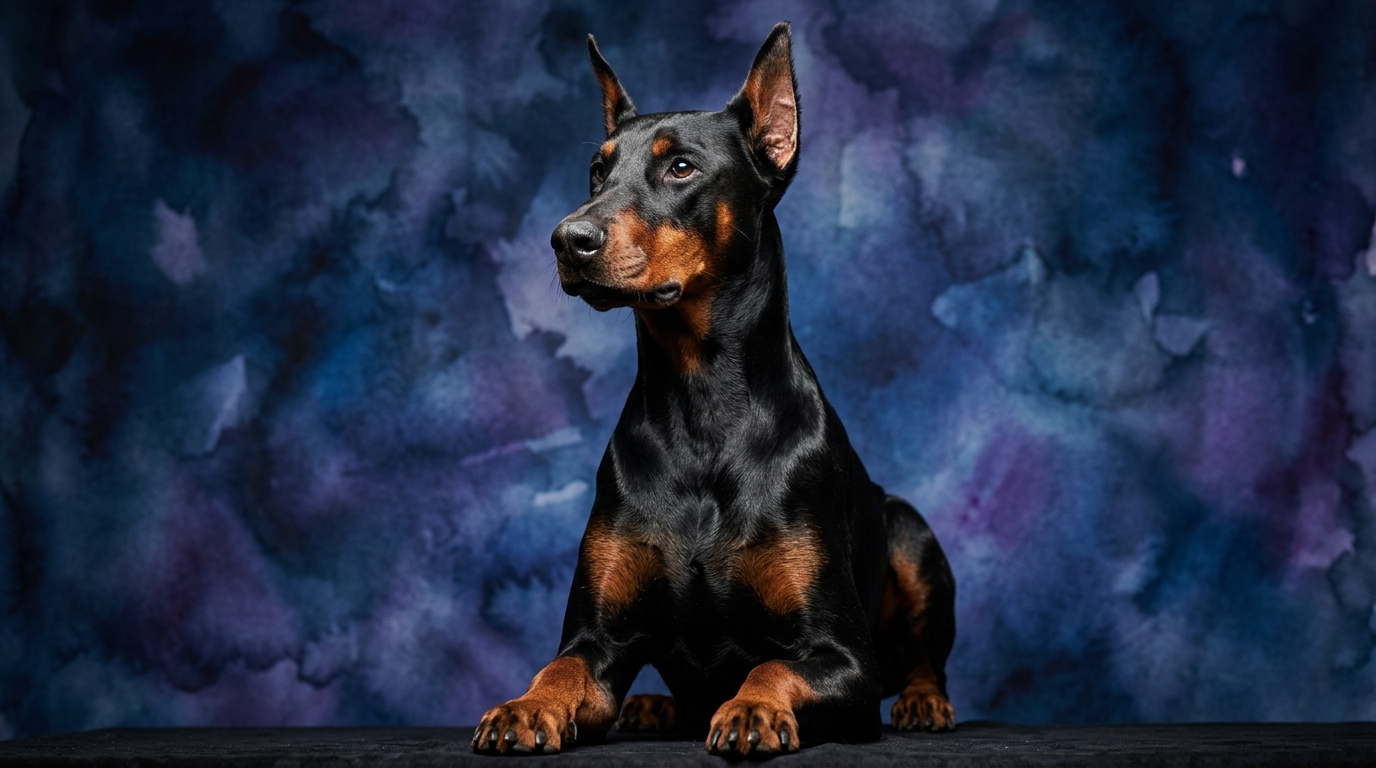
The Cosmic Pet Pet IQ Lab employs a five-dimensional cognitive framework to assess canine intelligence, providing a detailed understanding beyond simple obedience. The Doberman Pinscher, ranking #5 on Coren's list of working intelligence, presents a compelling cognitive profile. They excel with a 5/5 in Problem Solving, indicating an exceptional ability to navigate complex tasks and figure out novel challenges. Their Training Speed also scores 5/5, reflecting rapid acquisition of new commands and concepts with minimal repetition. Social Intelligence is a robust 4/5, showing a strong capacity to understand human cues and form deep bonds, though they can be discerning with strangers. An Instinctive Drive of 5/5 highlights their inherent motivation for tasks, protection, and work, while their Memory, also 5/5, ensures a precise retention of commands, experiences, and routines over long periods.
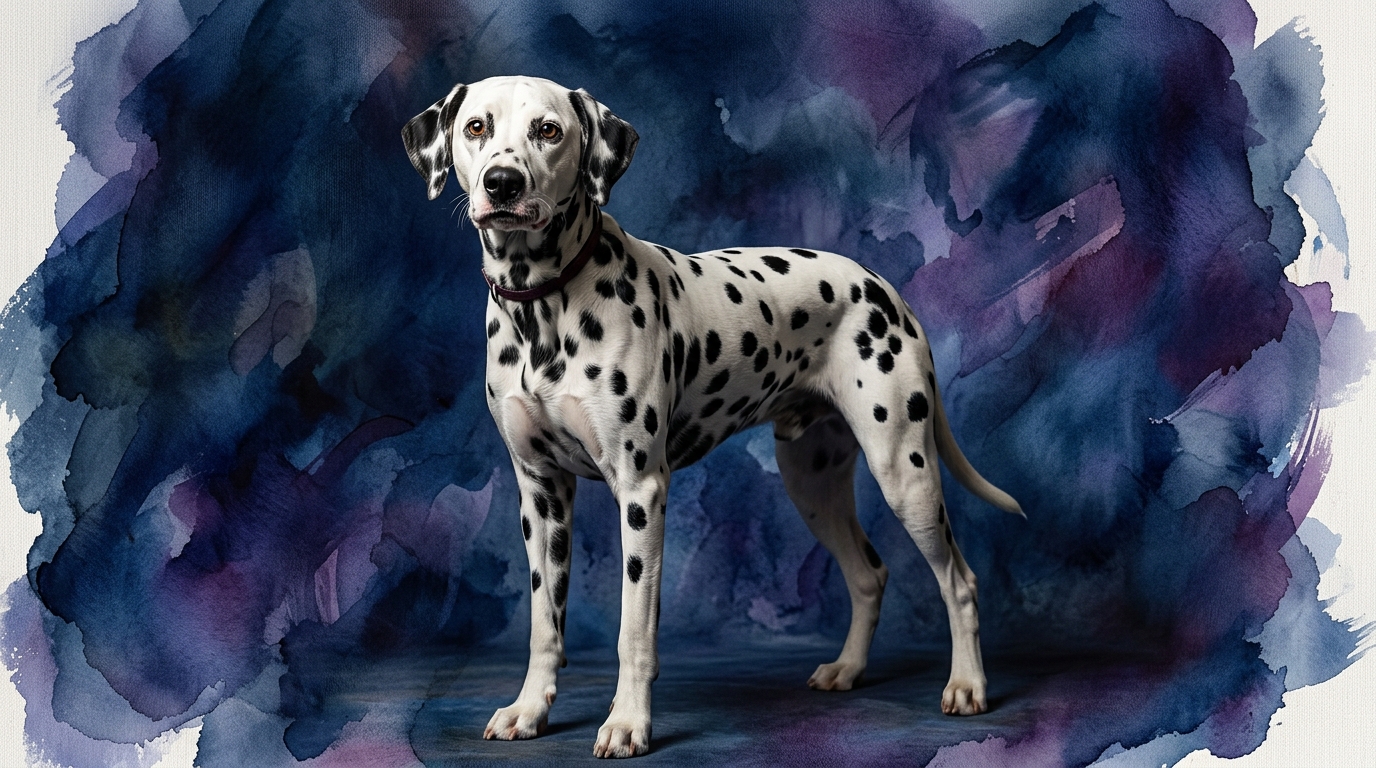
In contrast, the Dalmatian, ranking #39 in Coren's hierarchy within the Non-Sporting group, offers a different cognitive blueprint. Their Problem Solving ability is rated 3/5, suggesting they can tackle straightforward problems but might require more guidance with abstract or multi-step puzzles. Training Speed stands at 3/5, indicating that they require consistent, patient repetition to master new commands. Like the Doberman, their Social Intelligence is 4/5, meaning they form close bonds and are sensitive to human moods, often displaying an independent yet affectionate nature. Their Instinctive Drive is 4/5, reflecting a strong desire for movement, endurance, and companionship, rooted in their historical role as carriage dogs. Memory is also strong at 4/5, allowing them to retain learned behaviors and routines effectively, contributing to their reliability in familiar contexts.
Where the Doberman Pinscher Shines Cognitively
When examining the specific cognitive dimensions, the Doberman Pinscher's profile reveals several distinct advantages. Their superior Problem Solving at 5/5 means they are exceptionally adept at analyzing and resolving complex, multi-step problems, such as unlocking intricate latches or navigating obstacle courses that demand strategic thought rather than brute force. This capability makes them excellent candidates for advanced task training and problem-oriented roles.
The Doberman's exceptional Training Speed, also a 5/5, allows them to associate commands with actions with remarkable efficiency, often grasping new concepts in very few repetitions. This cognitive agility makes advanced obedience, competitive dog sports, and specialized task training highly efficient and rewarding. Furthermore, their powerful Instinctive Drive, rated 5/5, translates into a focused determination for goal-oriented activities, whether it's protection work or agility, showcasing a deep-seated motivation to perform and excel. Finally, their precise Memory, another 5/5, ensures that once a lesson is learned or an experience recorded, it is retained with remarkable clarity, allowing for consistent performance and recall even after extended breaks.
Where the Dalmatian Excels Cognitively
While the Dalmatian's scores may be numerically lower in some areas, their cognitive strengths are nonetheless significant and tailored to their unique breed purpose and temperament. Their Social Intelligence, rated 4/5, indicates a nuanced understanding of human emotion and a capacity for deep, empathetic connection. While matching the Doberman's score, the Dalmatian's social cognition often manifests as a unique sensitivity to their owner's mood and a strong desire for companionship, making them acutely aware of their human family's dynamics and often seeking to be an integral part of family activities.
The Dalmatian's Instinctive Drive, also rated 4/5, is geared towards endurance and companionship rather than protection, showcasing a persistent motivation for long periods of activity alongside their humans. This drive is a win for owners seeking a tireless companion for runs, hikes, or equestrian activities, reflecting their historical role as carriage dogs. Their Memory, at 4/5, is robust enough for retaining routines and positive associations, contributing to their reliability in familiar environments and with established training protocols, ensuring they remember their place within the family structure and daily habits, fostering a predictable and secure home life.
Ease of Training: Behavioral Differences
When considering ease of training, the Doberman Pinscher holds a clear advantage due to their cognitive profile. Their remarkable 5/5 Training Speed means they quickly grasp new commands, often requiring only a handful of repetitions to solidify a behavior. This is further supported by their 5/5 Problem Solving ability and intense Instinctive Drive, which translates into a focused eagerness to work alongside their handler. Their desire for purpose and mental engagement means they are highly receptive to structured training and thrive on learning, making them a joy for experienced trainers and those looking to delve into advanced dog sports.
Dalmatians, while certainly trainable, demand a more patient and consistent approach, reflected in their 3/5 Training Speed. They may require more frequent repetitions and sustained engagement to solidify new behaviors. Their independent streak, a remnant of their historical role where they often made independent decisions during long carriage journeys, can sometimes lead to distraction, necessitating an owner who understands the value of positive reinforcement, short, engaging sessions, and maintaining a stimulating yet structured learning environment. Successfully training a Dalmatian often hinges on building a strong, trusting bond and making training a positive, collaborative experience rather than a strict imposition.
Suitability for Active vs. Relaxed Owners
The Doberman Pinscher is unequivocally suited for active owners who can provide substantial mental and physical stimulation. Their powerful 5/5 Instinctive Drive and high energy levels necessitate daily vigorous exercise, structured training sessions, and engaging problem-solving activities to channel their focus constructively and prevent boredom. Owners who enjoy competitive dog sports, protection work, or extensive outdoor activities will find a Doberman a willing and capable partner. A truly relaxed owner who prefers minimal daily engagement would quickly find a Doberman's unmet needs leading to undesirable behaviors, making them an unsuitable match.
Dalmatians, while possessing an impressive 4/5 Instinctive Drive for endurance, also thrive with active owners who enjoy long walks, runs, or other forms of sustained physical activity. Their historical role as carriage dogs means they possess significant stamina and require considerable physical outlet to remain content. While they can be content to relax indoors with their family after sufficient exercise, they are not a match for truly relaxed owners who prefer minimal daily activity. Their need for movement is substantial and inherent, making them ideal companions for those with an active lifestyle, though perhaps not requiring the same intensity of structured 'work' as a Doberman.
The Verdict
Choose a Doberman Pinscher if you are an active, experienced owner seeking a highly trainable, focused, and task-oriented companion for advanced obedience, protection, or dog sports, capable of providing rigorous mental and physical challenges.
Opt for a Dalmatian if you are an active individual or family who values a sensitive, enduring companion for outdoor adventures and consistent companionship, understanding they require patient, positive training and ample physical exercise.
🧠 Find Your Pet's IQ Score
Our Pet IQ Lab assessment covers 25+ tests across 5 cognitive dimensions — personalized to your breed.
Take the Full IQ Test →Frequently Asked Questions
Do Dobermans require a lot of mental stimulation?
Absolutely. Their 5/5 problem-solving and memory scores, coupled with a 5/5 instinctive drive, mean Dobermans thrive on mental challenges and purposeful activities. Without engaging puzzles, advanced training, or a 'job' to do, they can become bored and channel their energy into less desirable behaviors, highlighting their need for consistent mental engagement.
Are Dalmatians difficult to train?
Dalmatians are not inherently difficult, but they do require more consistency and patience than some other breeds, reflected in their 3/5 training speed. Their independent nature means positive reinforcement, clear, and repetitive instruction are essential for successful training, making them best suited for owners committed to a patient, positive approach.
How do their social intelligence scores impact family life?
Both breeds score 4/5 in social intelligence, indicating strong bonds with their families. Dobermans often display this through protective instincts and attentiveness to their primary handler, while Dalmatians tend to be highly sensitive to family dynamics and thrive on being included in all household activities, forming deep, empathetic connections with all family members.