Side-by-Side Cognitive Profiles
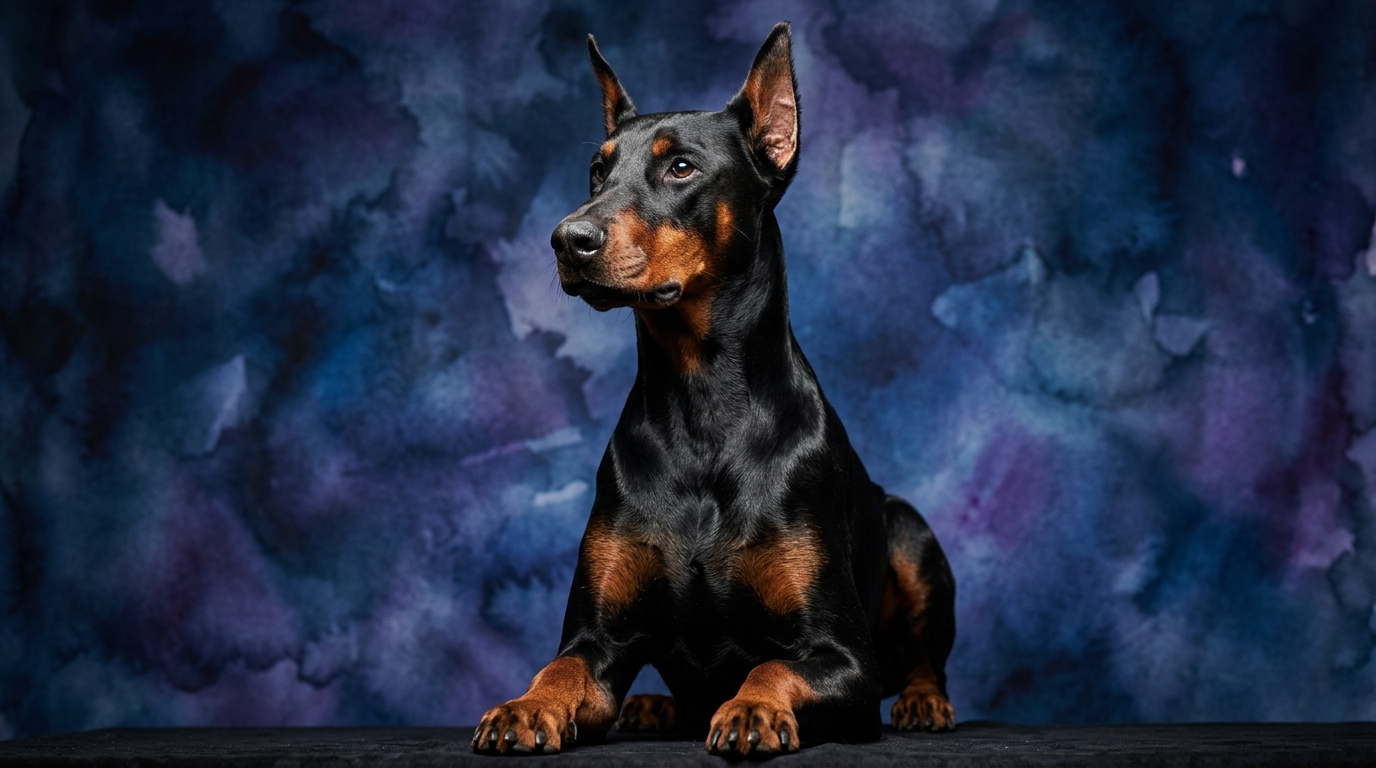
The Doberman Pinscher, a distinguished member of the Working group, holds a prominent Coren rank of #5, reflecting its robust cognitive capabilities. Its Problem Solving is rated 5/5, signifying an exceptional capacity to analyze complex situations, adapt quickly, and devise solutions, often with remarkable foresight. Training Speed also achieves a perfect 5/5, underscoring their rapid assimilation of new commands and intricate routines, a testament to their sharp focus and intrinsic desire to engage. Social Intelligence stands at 4/5, indicating a profound understanding of human cues and a strong relational drive, though balanced with an independent spirit. Their Instinctive Drive is a formidable 5/5, deeply rooted in their origins as protectors and working companions, manifesting as intense purpose and unwavering commitment. Finally, Memory, also 5/5, enables them to retain vast amounts of information, from elaborate command sequences to detailed spatial awareness and long-term routines.
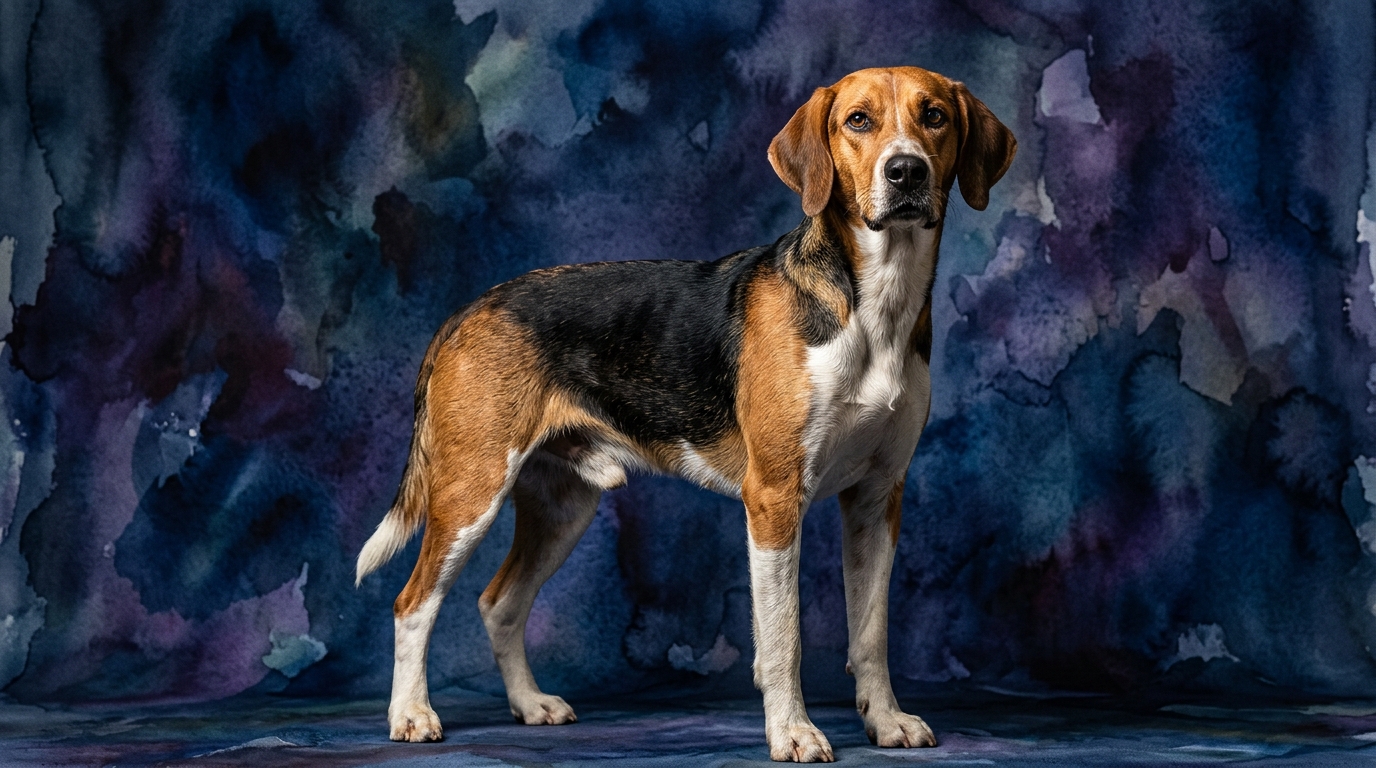
In contrast, the English Foxhound, a quintessential Hound breed, possesses a specialized cognitive blueprint, not featured in Coren's rankings but nonetheless highly adapted for its specific role. Their Problem Solving is rated 3/5, meaning they excel at navigating challenges relevant to their hunting heritage, such as deciphering intricate scent trails, but may not show the same aptitude for abstract, human-oriented puzzles. Training Speed is 3/5, suggesting they learn at a moderate pace, often requiring consistent repetition and highly motivating rewards, particularly when tasks diverge from their natural instincts. Social Intelligence also scores 3/5; they are adept at interacting effectively within a pack structure and with their handlers, yet their primary cognitive focus isn't on nuanced human-dog communication in the way a Doberman's might be. Their Instinctive Drive, rated 3/5, is singularly powerful and geared towards scenting, tracking, and pursuing quarry, a defining characteristic of their existence. Memory, at 3/5, effectively supports their ability to recall complex scent paths and familiar territories, rather than a broad spectrum of multi-step obedience commands.
Where the Doberman Pinscher Excels Cognitively
The Doberman Pinscher's cognitive strengths are evident across nearly all measured dimensions. Their 5/5 Problem Solving score means they can quickly assess novel situations, like figuring out how to open a latched gate or navigating a complex agility course without prior instruction. This isn't just about brute force; it's about mental agility and strategic thinking. Their exceptional 5/5 Training Speed allows them to master new commands, from basic obedience to advanced protection work, often after only a few repetitions, making them incredibly adaptable for various roles. This rapid learning is fueled by their intense focus and desire to understand and comply.
Furthermore, the Doberman's 5/5 Instinctive Drive isn't just about energy; it's a drive for purpose and structure, enabling them to sustain concentration on tasks like guarding, search and rescue, or competitive sports for extended periods. This drive, combined with a 5/5 Memory, means they reliably recall complex sequences, routines, and boundaries, making them consistent and dependable partners. Their 4/5 Social Intelligence ensures they are highly attuned to human emotions and intentions, allowing for sophisticated communication and a deep bond, crucial for effective teamwork in demanding situations. They don't just follow commands; they anticipate needs and respond to subtle cues.
Where the English Foxhound Demonstrates Unique Strengths
While the English Foxhound's scores appear lower in a generalized IQ framework, their cognitive strengths are profoundly specialized and perfectly adapted to their heritage. Their 3/5 Problem Solving, for instance, isn't about abstract puzzles, but about the highly complex challenge of following a faint scent trail across diverse terrains, bypassing obstacles, and making critical decisions in the field. This specific problem-solving skill, honed over centuries, is a triumph of specialized cognition, allowing them to perform feats of tracking that few other breeds can match with such endurance and focus.
Their 3/5 Instinctive Drive, while not as broadly applicable as a Doberman's, is an unparalleled engine for sustained pursuit and scent work. It’s an unwavering dedication to a singular goal, enabling them to work tirelessly for hours, ignoring distractions, which is a cognitive 'win' in terms of specialized application. Similarly, their 3/5 Social Intelligence is precisely what's needed for effective pack dynamics, allowing them to cooperate with other hounds and respond to the specific signals of a huntsman, prioritizing the collective effort over individual human-centric engagement. Their 3/5 Memory is highly effective for recalling intricate scent patterns and geographical layouts crucial for their work, demonstrating memory optimized for their unique environmental challenges.
Ease of Training: A Tale of Two Temperaments
When it comes to training, the disparity between these two breeds is significant, directly reflecting their cognitive profiles. The Doberman Pinscher, with its 5/5 Training Speed and high Social Intelligence, is often described as highly receptive and eager to please. They absorb new commands quickly, thrive on structured learning, and are motivated by interaction and positive reinforcement from their handlers. Their strong Instinctive Drive, geared towards purpose, makes them willing partners in training sessions, viewing them as a job to be done well. This translates into faster progress and the ability to tackle more complex tasks, from advanced obedience to specialized service roles.
The English Foxhound, with a 3/5 Training Speed, presents a different challenge. While capable of learning, their instincts are profoundly geared towards scenting and chasing, often overriding a desire to perform human-initiated commands. Training requires immense patience, consistency, and a deep understanding of their powerful prey drive. Their focus can be singular, making it difficult to divert their attention from a scent once engaged. While they can learn basic obedience, expecting the rapid mastery and nuanced responsiveness of a Doberman would be unrealistic. Their social intelligence is more pack-oriented, meaning they might prioritize the 'job' of scenting over direct human engagement during training.
Matching Breeds to Lifestyles: Active vs. Relaxed Owners
The cognitive demands of these breeds lead to very different suitability for owner lifestyles. The Doberman Pinscher, with its high scores across Problem Solving, Training Speed, Instinctive Drive, and Memory, requires an owner who is not only active but also committed to providing consistent mental stimulation and structured engagement. They thrive in environments where they have a 'job' to do, whether it's advanced training, canine sports, or protective guardianship. An owner who can channel their intense drive and sharp mind into productive activities will find a Doberman to be an incredibly rewarding and responsive companion. A relaxed or passive owner might find a Doberman's cognitive needs overwhelming, potentially leading to boredom-driven behaviors.
The English Foxhound, while physically robust and requiring substantial exercise, particularly for running and scenting, might be more forgiving in terms of complex mental tasks for a 'relaxed' owner – as long as 'relaxed' means not expecting high-level obedience or intricate problem-solving. Their primary need is an outlet for their strong instinctive drive: consistent, vigorous physical activity, ideally involving scent work or long runs. An owner who enjoys outdoor adventures, has access to secure spaces for running, and appreciates a dog with an independent, scent-driven focus would be a good match. They are not typically suited for owners seeking a highly biddable companion or one that excels at intricate obedience without significant, specialized effort.
The Verdict
Choose the Doberman Pinscher if you seek a highly trainable, intelligent partner for advanced training, sports, or protection, and are prepared to provide consistent mental and physical challenges.
Opt for the English Foxhound if you are an active, outdoor enthusiast who values a dog with specialized scenting abilities and an independent spirit, and can provide ample opportunities for their powerful instinctive drives.
🧠 Find Your Pet's IQ Score
Our Pet IQ Lab assessment covers 25+ tests across 5 cognitive dimensions — personalized to your breed.
Take the Full IQ Test →Frequently Asked Questions
Are English Foxhounds good family pets despite their lower IQ scores?
Yes, English Foxhounds can be good family pets, especially for active families. Their 3/5 social intelligence means they are generally amiable with people and other dogs, but their strong scent drive requires secure environments and dedicated exercise to prevent wandering.
Do Doberman Pinschers require a lot of mental stimulation?
Absolutely. With 5/5 problem solving and memory, Doberman Pinschers thrive on mental challenges. Without consistent training, puzzle toys, and engaging activities, they can become bored and potentially develop destructive behaviors, needing an owner committed to their cognitive needs.
How does a Doberman's instinctive drive differ from an English Foxhound's?
A Doberman's 5/5 instinctive drive is broad, encompassing protection, guarding, and a strong desire for purpose and work, making them versatile. An English Foxhound's 3/5 instinctive drive is highly specialized and singularly focused on scenting and pursuit, making them tireless trackers but less adaptable to other human-directed 'jobs.'